
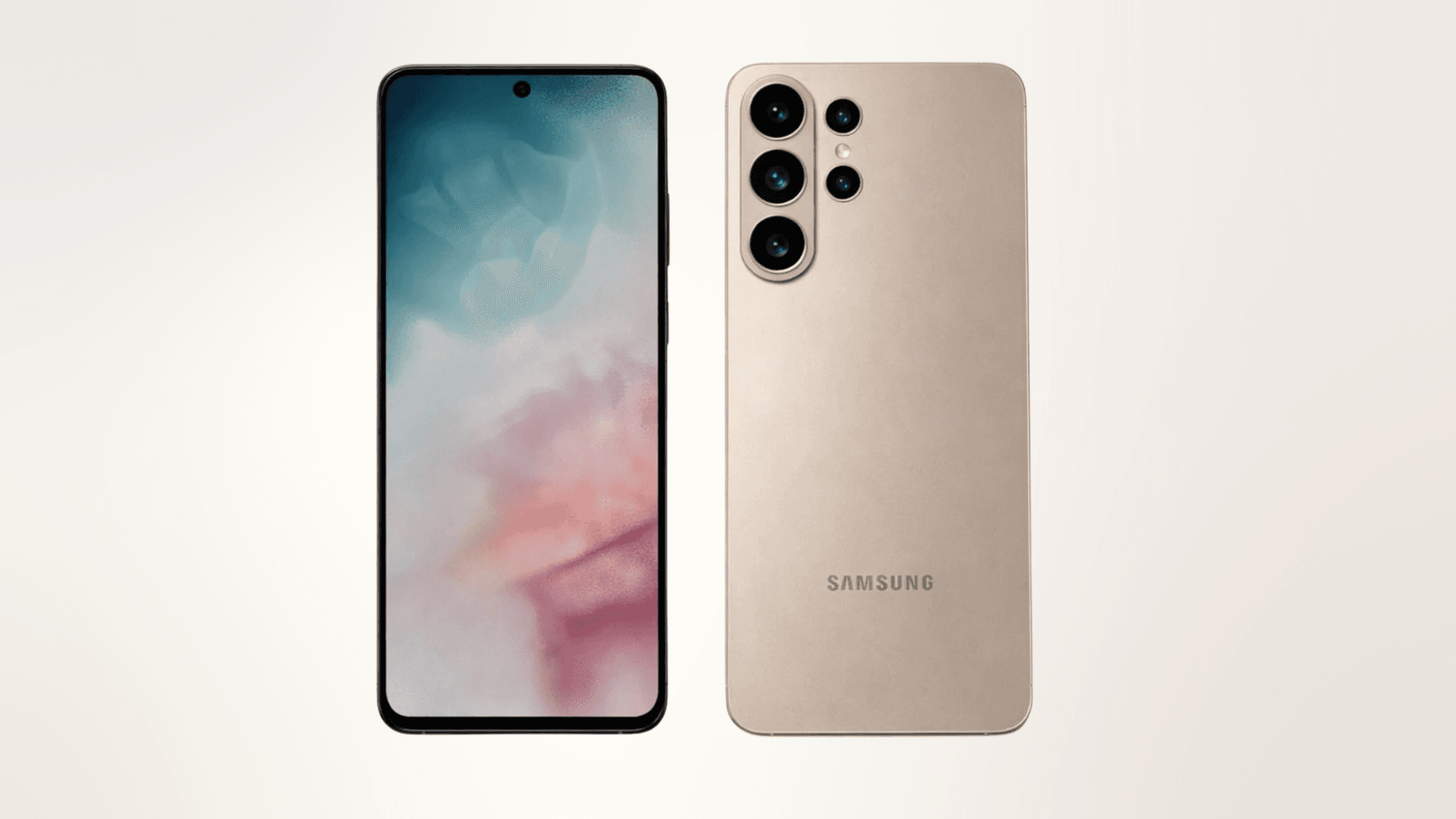
Samsung's Galaxy S26 Ultra will adopt a unified camera island design that fixes two persistent user complaints but introduces a new wobble problem, according to leaks from tipster OnLeaks. The phone's camera module transitions from individual rings to a pill-shaped island housing three main lenses, matching the design language of Samsung's Galaxy Z Fold 7.
The raised camera platform protrudes approximately 4.5mm from the phone's back, nearly double the 2.4mm protrusion of the Galaxy S25 Ultra. This increased height creates noticeable rocking when the device rests on flat surfaces, according to dummy unit videos shared on X. Samsung reportedly thinned the main body while expanding the camera housing to accommodate advanced optics.
Samsung addresses two long-standing camera issues through hardware and software improvements. A new lens coating reduces flare in bright conditions, while processing adjustments correct yellow skin tones that have plagued Samsung cameras for years. The company maintains most camera hardware from the S25 Ultra but adds a wider f/1.4 aperture for improved low-light performance.
The Galaxy S26 series is rumored to launch in February 2026, which would be a month later than Samsung's typical January flagship schedule, according to leaks. The lineup includes standard, Plus, and Ultra models, with the Edge variant discontinued due to poor sales performance. All three devices feature 16GB of RAM, marking a significant increase over previous generations.
Component costs drive a rumored price increase for the S26 series, according to tipster @kro_roe. Samsung faces rising manufacturing expenses while competing against Chinese manufacturers that offer more aggressive camera specifications. The company positions the S26 Ultra as a creator-focused device with professional video codec support and granular camera controls.
Camera Assistant software gains video softening and autofocus sensitivity adjustments, features discovered in One UI 8.5 beta code. These professional-grade controls allow users to customize focus transition speeds and reduce aggressive video sharpening. Samsung reserves these enhancements for the S26 Ultra rather than rolling them out to existing devices.
The unified camera design represents Samsung's effort to establish consistent visual language across its premium product range. This approach sacrifices the Ultra line's distinctive floating lens aesthetic for cohesion with foldable devices. Rounder corners improve ergonomics but reduce the phone's angular profile that defined previous Ultra models.
Samsung's incremental camera strategy contrasts with Chinese competitors delivering more substantial hardware upgrades each generation. The S26 Ultra's improvements focus on refining existing capabilities rather than introducing revolutionary changes. This conservative approach risks falling further behind in the competitive premium smartphone camera market.
The Galaxy S26 series arrives as smartphone innovation slows across the industry. Manufacturers increasingly prioritize software optimization and user experience refinements over dramatic hardware leaps. Samsung's decision to fix persistent camera issues while introducing new design challenges reflects this broader industry trend toward iterative improvement.
Early 2026 smartphone buyers face higher prices and subtle design trade-offs. The S26 Ultra offers camera refinements and professional controls but requires case usage to mitigate its wobble problem. Samsung balances user-requested fixes against design compromises in a market where camera performance increasingly defines premium smartphone value.