
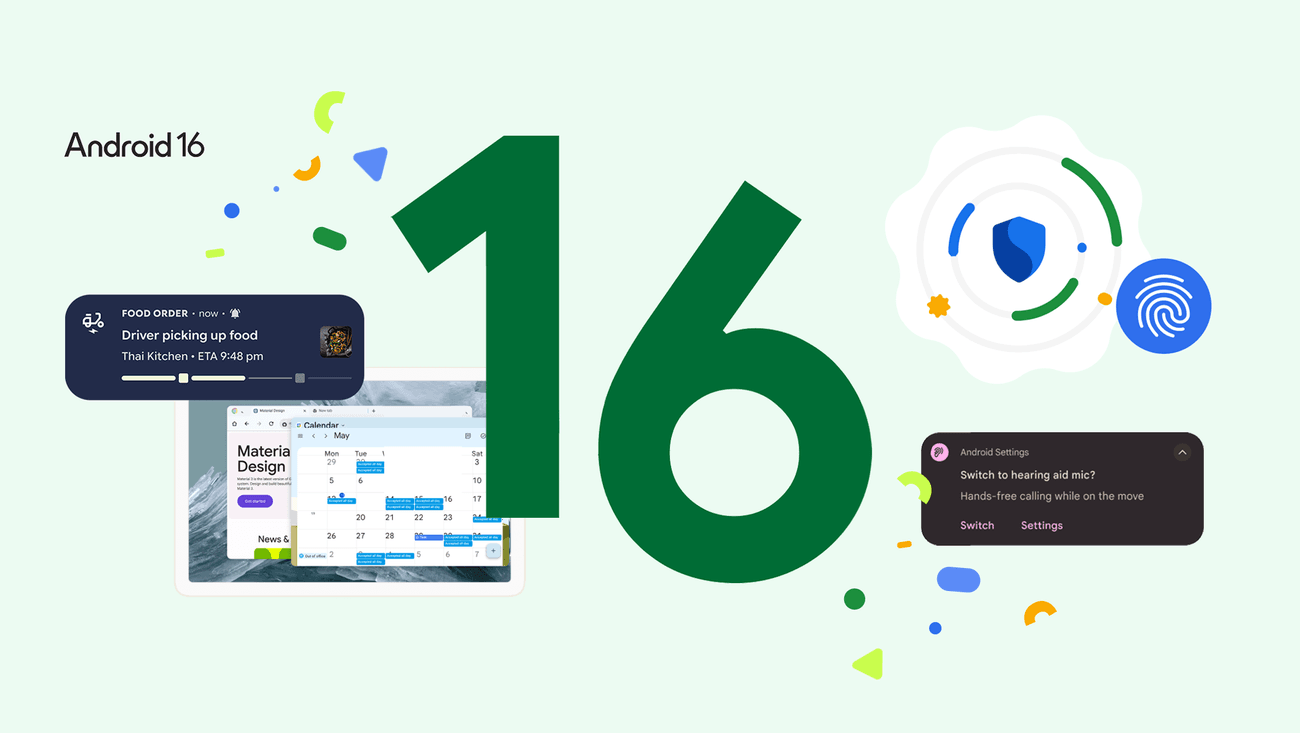
Google's Android 16 QPR2 update arrived in December 2025 with AI-powered notification management that groups low-priority alerts and summarizes group chats. The second major Android 16 release follows Google's shift to biannual updates, delivering features to Pixel devices first before reaching Samsung and other manufacturers.
The update introduces AI Notification Summaries that condense lengthy group chats into bullet points, reducing notification overload. A Notifications Organizer automatically bundles promotions, social alerts, and newsletters into single groups, allowing users to dismiss them collectively. These features target what Google calls "notification fatigue," a common issue for Android users.
Circle to Search gains scam detection capabilities, analyzing suspicious messages directly on screen. The Phone app adds "urgent" call tags that let contacts flag important calls, while a beta Call Reason feature enables users to mark outgoing calls as time-sensitive. Enhanced security measures include network activity alerts and advanced threat detection against cyberattacks.
Parental controls move from separate Family Link apps into the main Settings menu, protected by PIN codes. The on-device controls manage screen time, downtime schedules, and app usage without requiring remote management. Google also simplified Family Link setup directly from Android 16 devices.
Customization options expand with custom icon shapes and auto-themed icons that adapt to wallpaper colors. System-wide dark mode now applies to all apps, including those without native dark mode support, improving visual consistency and battery efficiency. The update also brings pinned tabs to Chrome for Android and more expressive closed captions.
According to an Android Authority poll of 2,700 users, 64% consider QPR2 a "huge update" they love. The new biannual release cycle allows manufacturers to incorporate features without waiting for Android 17, expected in mid-2026. Early leaks suggest Android 17 will introduce Desktop Mode for external monitor support and enhanced privacy features.
Google's December update represents a significant push against notification overload, combining AI summarization with intelligent organization. The changes reflect Android's evolution toward an AI-first operating system that manages digital life proactively rather than reactively.