
Updated January 7, 2026: Reliable leaker Evan Blass has now "100%" confirmed the February 25 launch date, stating "you can take it to the bank." Samsung has officially decided to freeze Galaxy S26 pricing at $799/$999/$1,299 to remain competitive with Apple.
One UI 8.5 Beta 3 has rolled out with the January 2026 security patch. New reports indicate Samsung is ditching titanium for an aluminum frame, and the Privacy Display feature may extend to all S26 models, not just the Ultra. Bixby is being revamped with Perplexity AI integration for smarter responses.
If you've been eyeing Samsung's next big thing, you might want to mark your calendar for February 25, 2026. The Galaxy S26 Ultra, which was originally rumored for a January debut, now looks set for a February 25 unveiling according to multiple industry reports.
This strategic four-week delay from Samsung's typical early-year launch schedule gives the company extra time to finalize what could be one of the most significant smartphone upgrades of 2026.
The shift to a February announcement, with retail availability expected shortly after, aligns with Samsung's historical patterns for earlier Galaxy S models like the S22 and S23 series. According to South Korean business reports and consistent leaks from reliable sources like Ice Universe, this timeline adjustment appears strategic rather than problematic.
The company reportedly wants to ensure everything from chip production to AI feature integration is polished before the big reveal.
Galaxy S26 Ultra Release Date & Availability
Samsung's Galaxy Unpacked event is scheduled for February 25, 2026, in San Francisco, California. On January 6, 2026, Evan Blass confirmed the February 25 launch date, calling it "100% correct" and stating "you can take it to the bank." Retail availability is now expected around March 11 or March 13, following Samsung's typical two-week pre-order period.
PhoneArena notes that since the Friday two weeks after February 25 falls on a 13th, the actual retail launch could shift to an adjacent day.
That's when we'll get the official unveiling of the S26 series, complete with all the specs, features, and pricing details Samsung's been keeping under wraps. But don't expect to walk into a store and buy one that same day.
Retail availability is expected to kick off in early to mid-March 2026, roughly two to three weeks after the announcement. This follows Samsung's usual playbook - announce the phone, open pre-orders immediately, then ship units to customers and retail stores a couple of weeks later.
Pre-order customers typically receive their devices first, sometimes even a few days before the official retail launch date.
This represents a noticeable shift from Samsung's recent pattern. The S24 Ultra launched on January 31, and the S25 Ultra hit shelves on February 7. The S26 Ultra's late-February announcement pushes everything back by about four weeks.
According to industry insiders, this delay isn't due to production problems but rather Samsung's decision to refine the lineup after cancelling the S26 Edge and finalizing the Exynos 2600 integration for the standard models.
Galaxy S26 Ultra Specs at a Glance
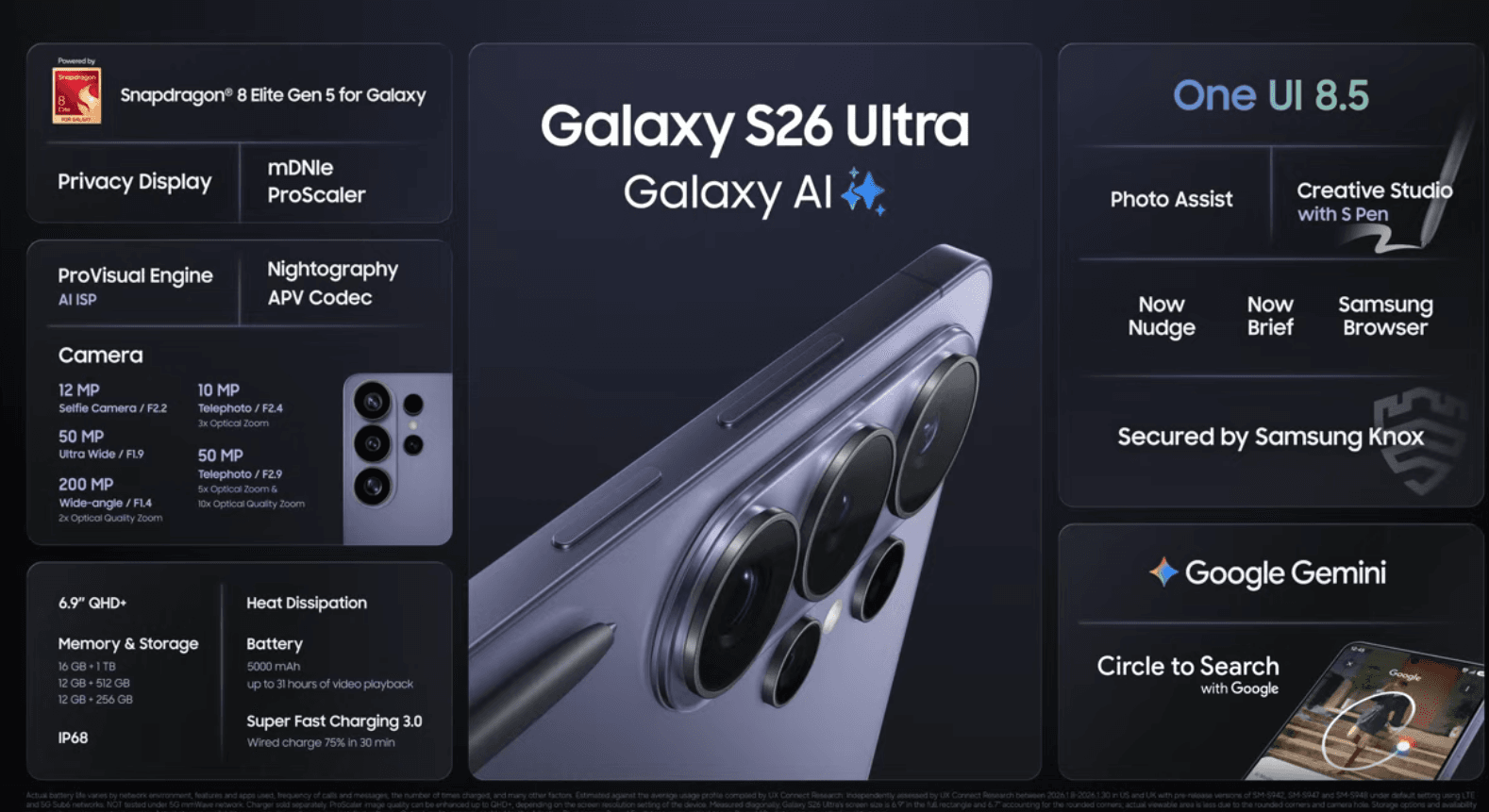
Let's cut through the noise and lay out what you're actually getting with the S26 Ultra. Here's everything we know so far, based on the most reliable leaks and certifications:
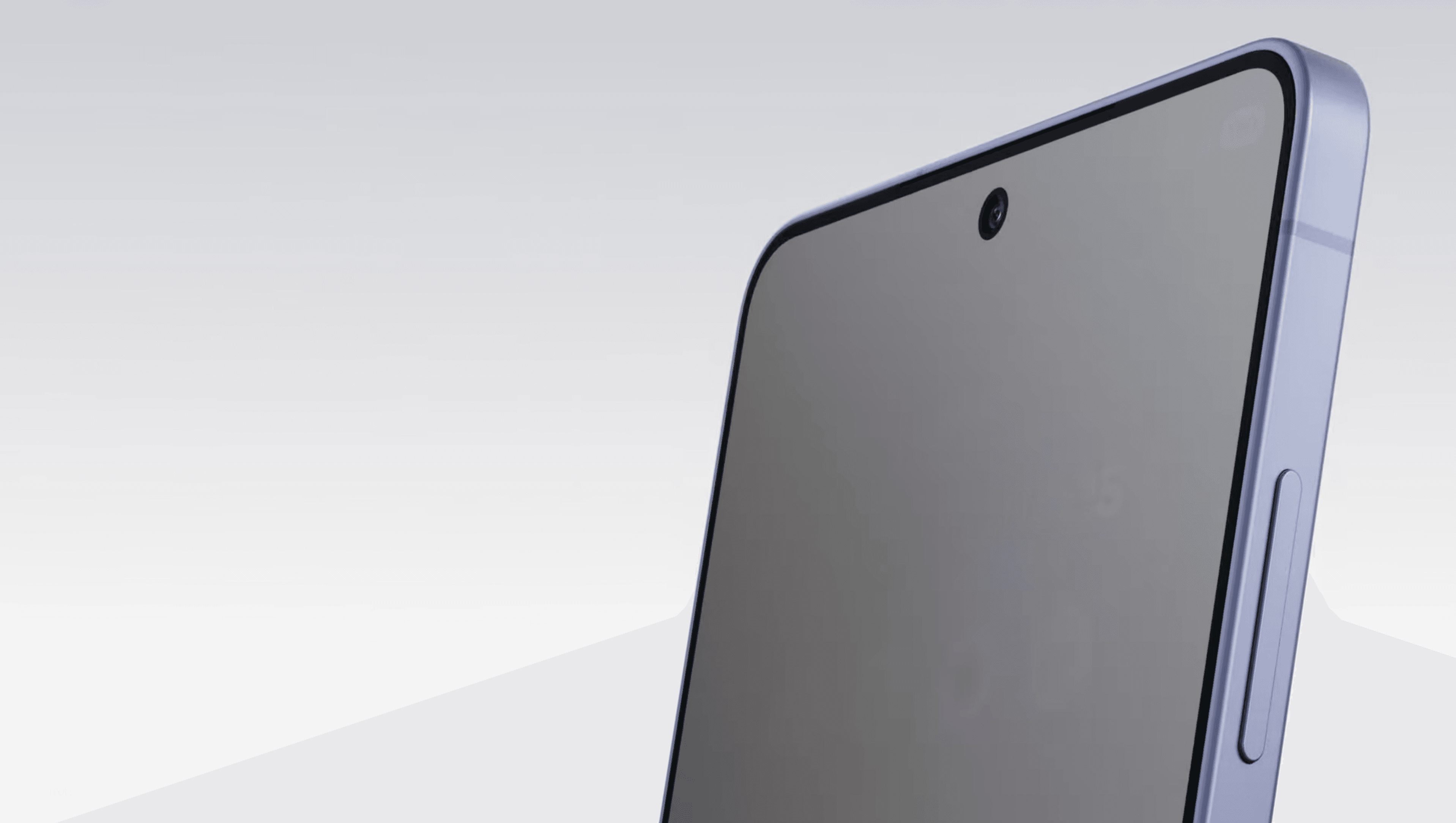
Display: 6.9-inch Dynamic AMOLED, potentially 144Hz refresh rate (up from 120Hz), ~3,000 nits peak brightness, M14 OLED with Color-on-Encapsulation technology, Gorilla Armor 2 protection, Flex Magic Pixel privacy feature
Processor: Qualcomm Snapdragon 8 Elite Gen 5 (3nm, globally for Ultra model only)
Memory & Storage: 12GB RAM standard (possible 16GB/1TB variant in select markets), storage options of 256GB/512GB/1TB with UFS 4.1
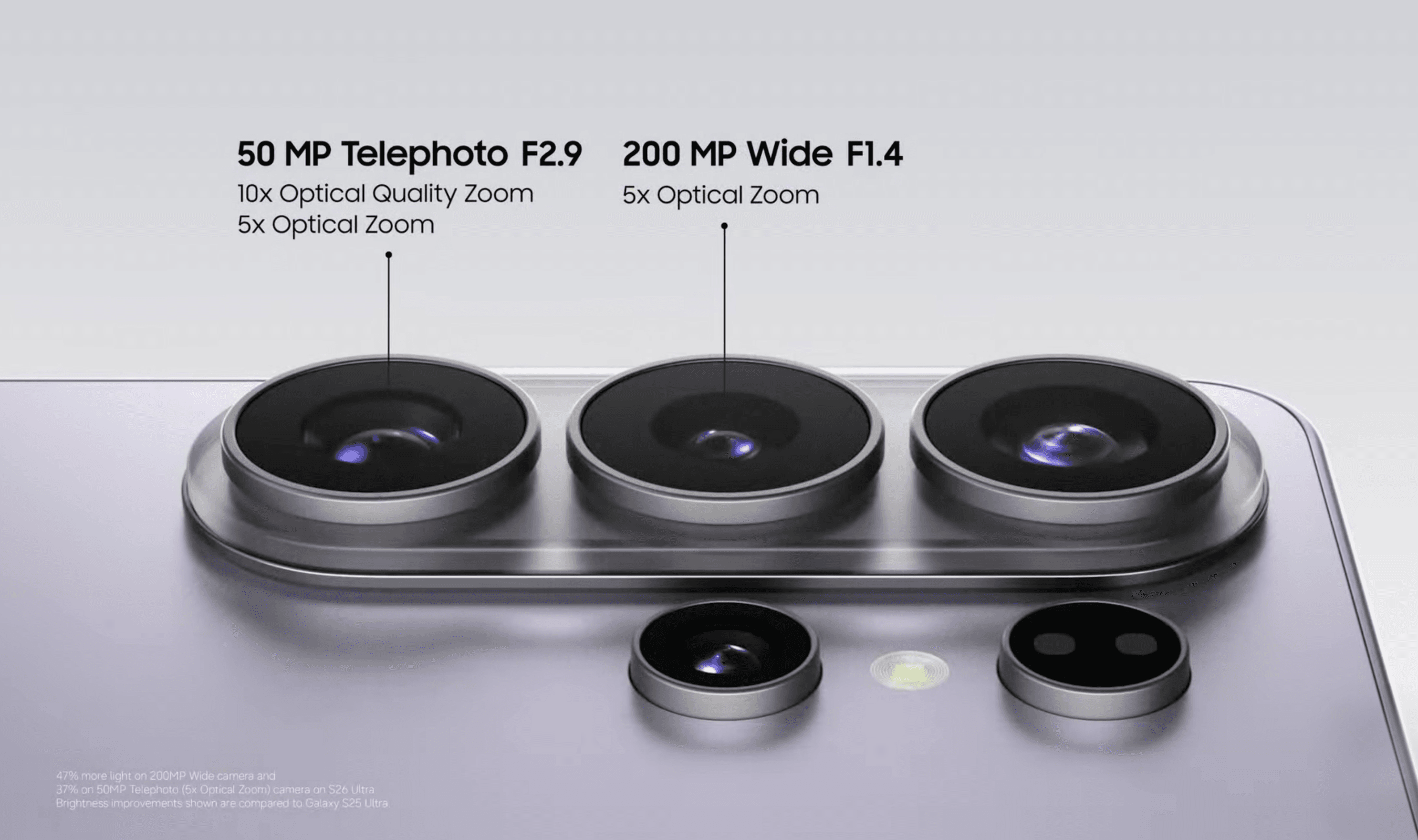
Camera System: 200MP main (f/1.4 aperture), 50MP ultrawide, 50MP 5x periscope telephoto, 12MP 3x telephoto (new sensor), 12MP front camera with 85-degree field of view
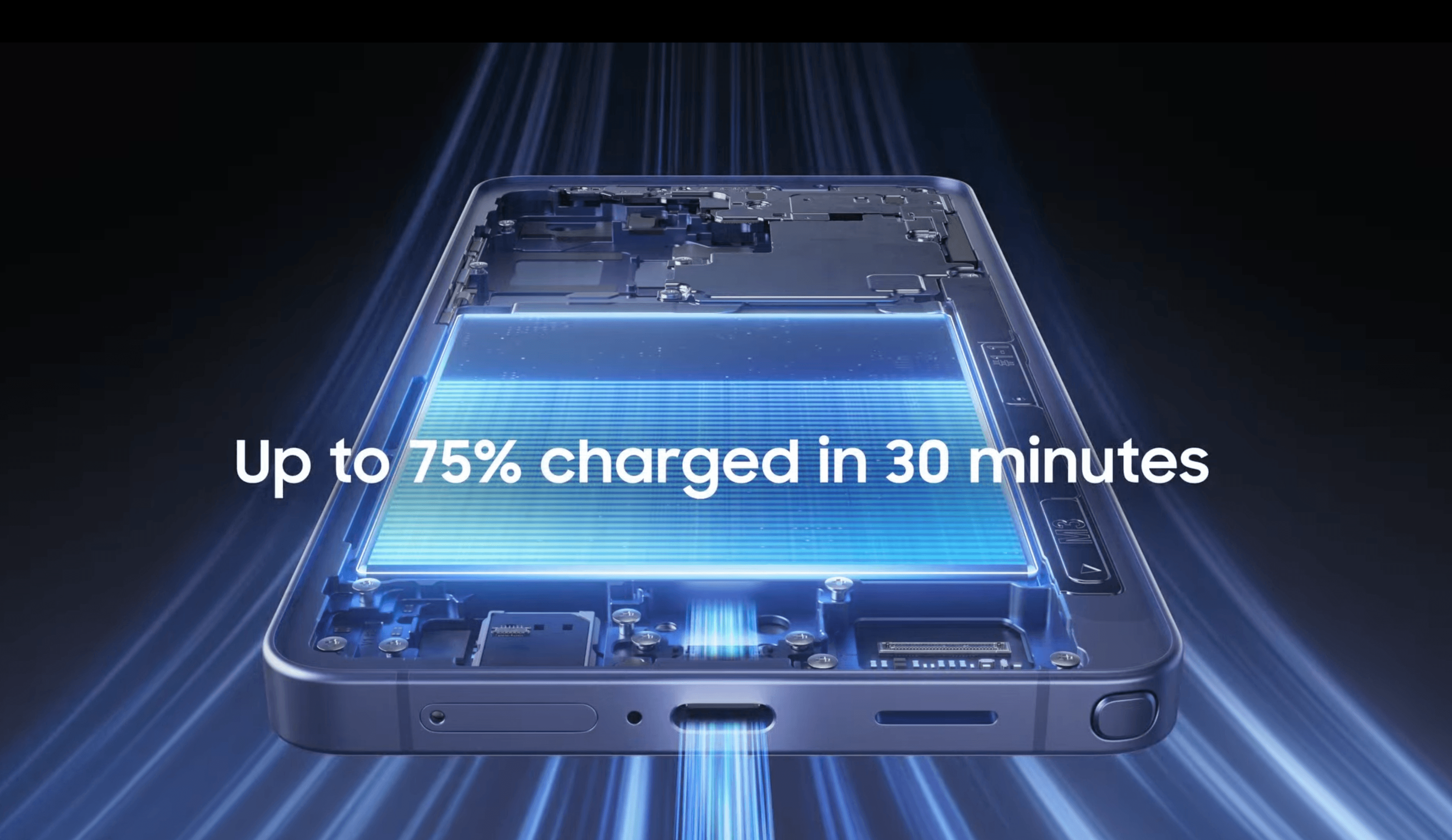
Battery & Charging: 5,000-5,200mAh battery (capacity unconfirmed), 60W wired charging (up from 45W), 25W wireless charging (up from 15W), full Qi2 support with built-in magnets
Design: Rounded corners (softer than S25 Ultra), flat edges, 4.5mm camera bump thickness, aluminum frame, built-in S Pen with curved redesign, potential thickness between 7-8mm
Software: Software: One UI 8.5 (officially confirmed), Android 16, Galaxy AI 2.0 features, enhanced on-device AI processing
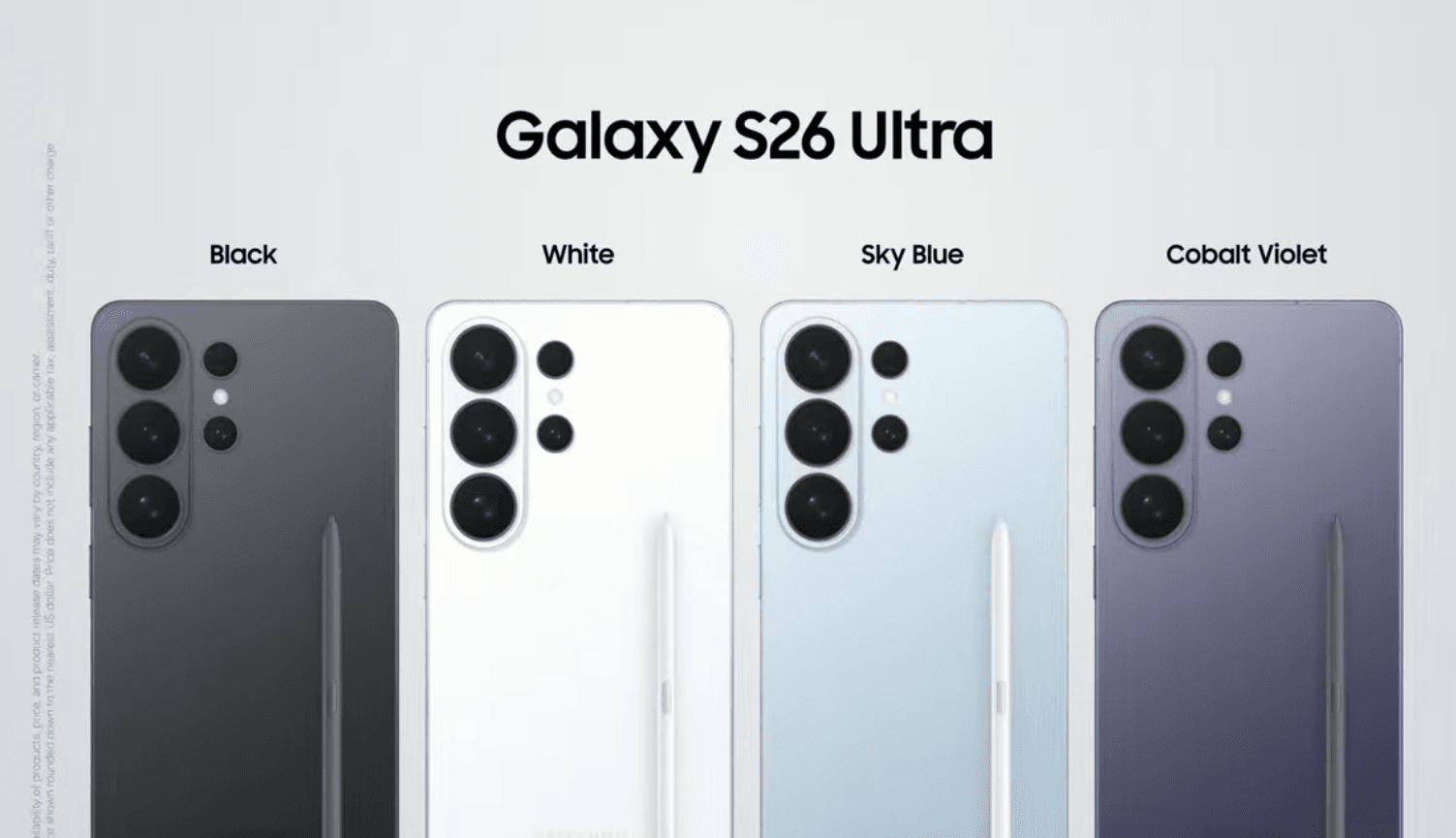
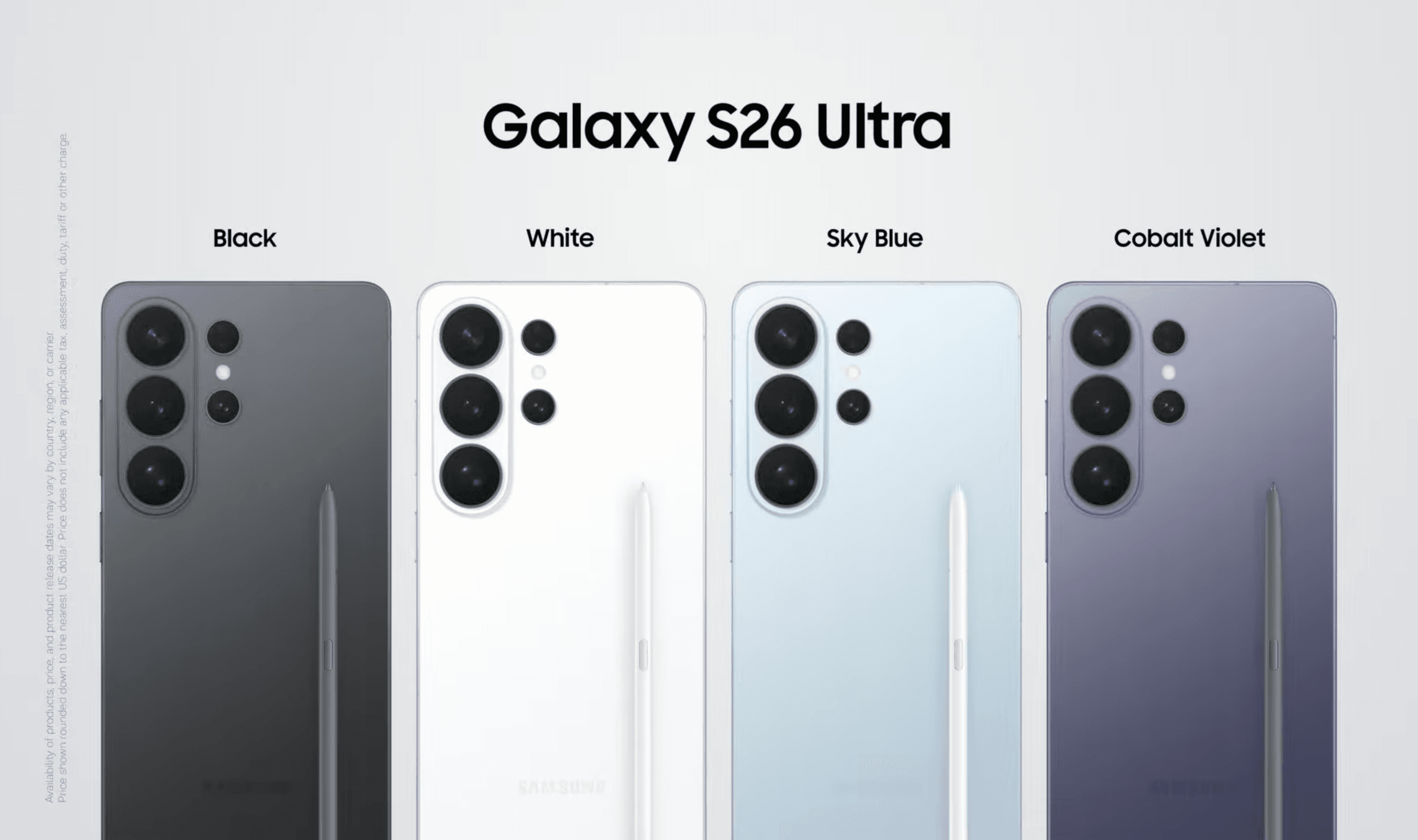
Colors (Rumored): The four leaked colors are Black Shadow, White Shadow, Galactial Blue, and Ultraviolet.
Additional Features: IP68 water/dust resistance, ultrasonic fingerprint sensor, stereo speakers, 5G connectivity, Wi-Fi 7, Bluetooth 5.4
The big story here isn't any single spec - it's how everything comes together. The jump to 60W charging paired with Qi2 magnetic accessories addresses long-standing complaints. The f/1.4 camera aperture should deliver genuinely better low-light shots without relying on AI tricks. And the global Snapdragon consistency for Ultra buyers means no more "did I get the good version?" anxiety.
These aren't just numbers on a spec sheet, they're practical improvements you'll actually notice in daily use.
What's Changing in Samsung's Flagship Lineup
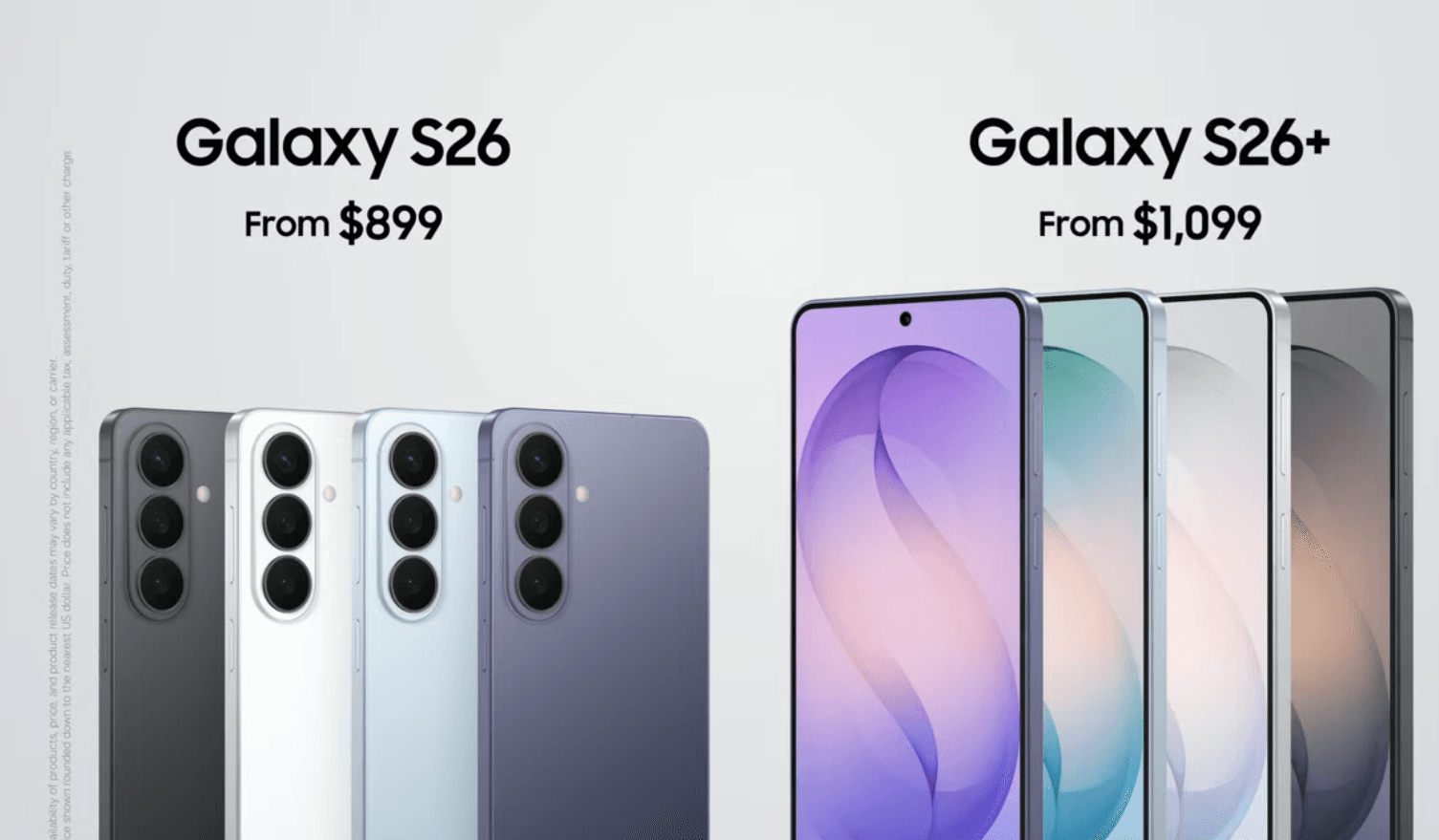
First things first: the Galaxy S26 Edge is officially cancelled. Following disappointing sales of the Galaxy S25 Edge, Samsung has confirmed it's simplifying its lineup to just three models: the standard S26, S26 Plus, and the flagship S26 Ultra.
This move away from the ultra-slim Edge design makes sense when you consider market trends, consumers have consistently shown they prioritize battery life and camera quality over razor-thin profiles, especially at premium price points.
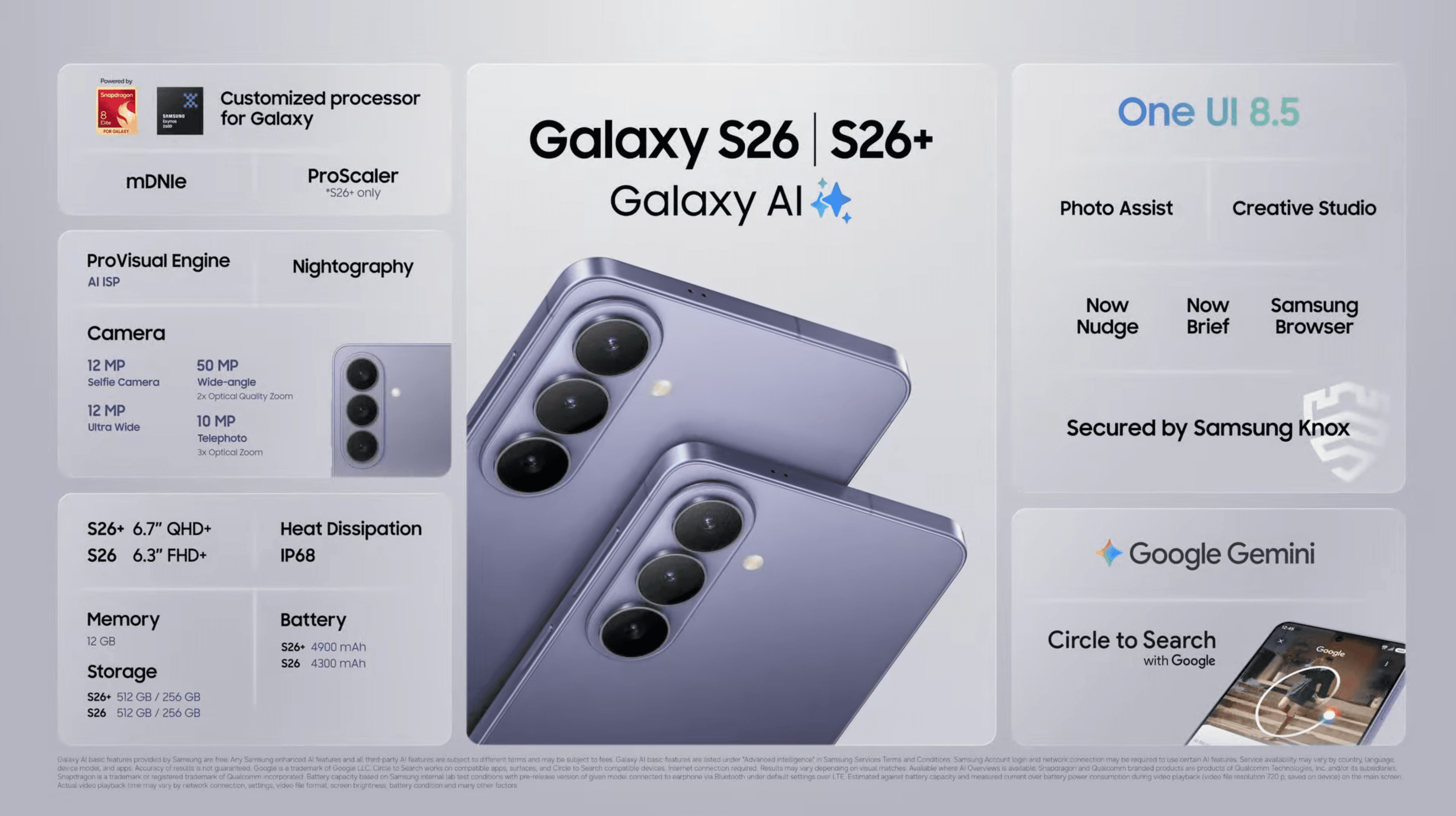
One unexpected development concerns the Galaxy S26 Plus. While most leaks indicated it would retain the same 6.7-inch display as its predecessor, a new leak from Tech Informer suggests Samsung could increase the Plus model's screen to 6.9 inches, matching the Ultra's size.
If accurate, this would mark a major shift in Samsung's sizing strategy, potentially giving Plus buyers an Ultra-sized experience without the Ultra price. However, other reliable sources still point to a 6.7-inch display, so this remains unconfirmed.
Design-wise, the S26 Ultra might finally ditch the sharp, boxy aesthetic that's defined recent Ultra models. Multiple leaks suggest Samsung is moving toward rounder corners and a more comfortable in-hand feel, though the phone will maintain its signature flat edges.
The camera setup is also getting a visual overhaul, with the camera bump thickness increasing from 2.4mm to 4.5mm for a more prominent camera island design that should give the phone a cleaner, more integrated look.
Galaxy S26 Ultra Colors: Black Shadow, Galactial Blue, and More
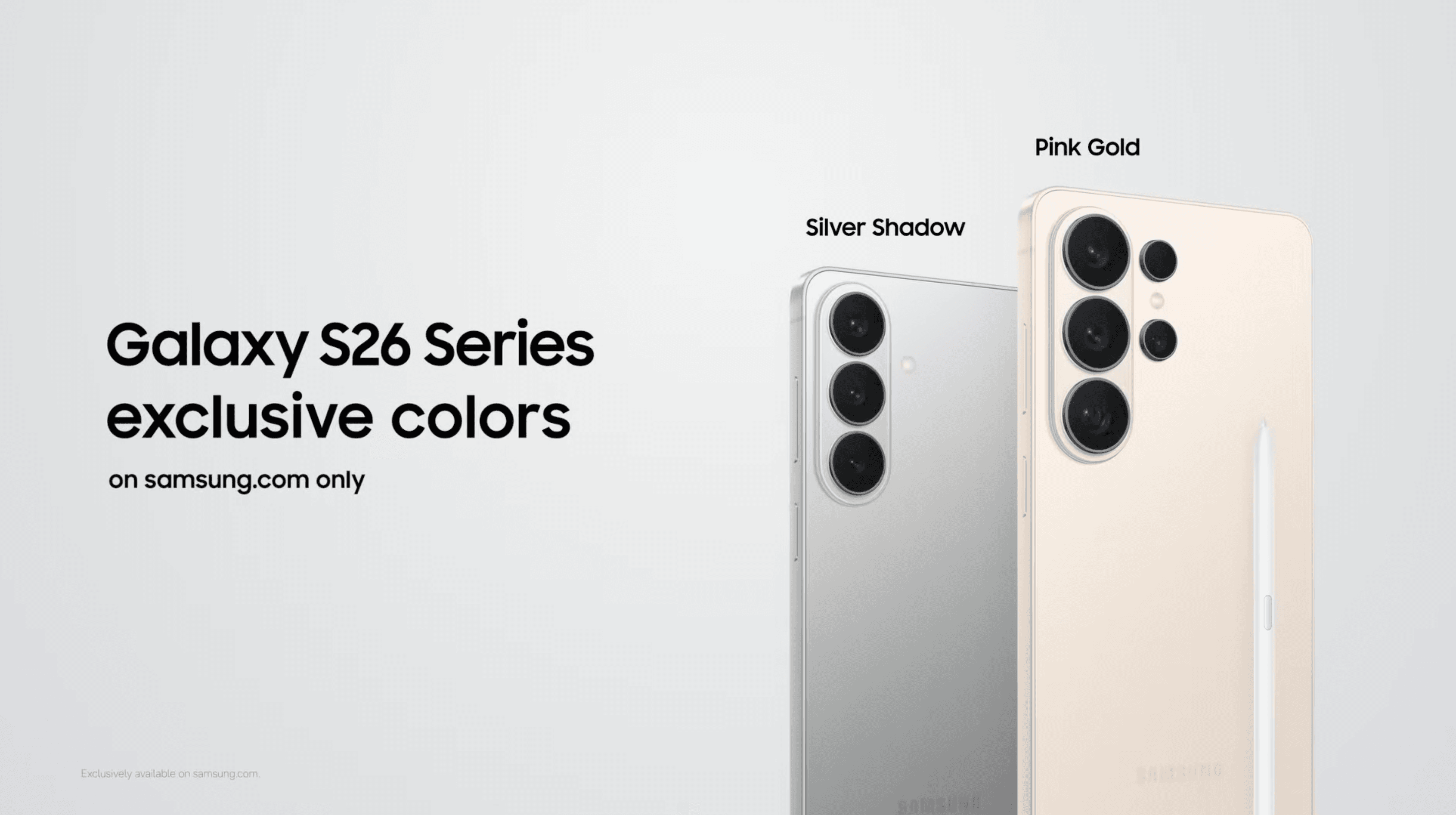
According to Ice Universe, Samsung has finalized four launch colors for the S26 Ultra: Black Shadow, White Shadow, Galactial Blue, and Ultraviolet. The notable absence of "Titanium" in these color names aligns with reports that Samsung is switching from a titanium frame to aluminum for this generation.
As with previous Ultra launches, expect Samsung to reserve its most interesting color variants for direct online purchases through Samsung.com, while carriers get the standard black, white, and blue options. Some sources suggest exclusive colors like jade green or purple could still appear as online-only offerings.
Exynos 2600 vs Snapdragon 8 Elite Gen 5: Which Chip?
Here's where things get interesting. Contrary to earlier hopes for a unified global chipset, Samsung is bringing back the regional processor split, but with a significant twist. The Galaxy S26 Ultra will exclusively feature the Snapdragon 8 Elite Gen 5 globally, ensuring consistent flagship performance for Ultra buyers regardless of region.
This 3nm processor, built on Qualcomm's latest architecture, delivers significant improvements in both CPU performance and AI processing capabilities.
The standard S26 and S26 Plus, however, will use a dual-chip strategy. Markets like the US, China, and Japan get the Snapdragon 8 Elite Gen 5, while Europe, Asia, and India receive Samsung's newly unveiled Exynos 2600, the world's first smartphone chip built on a 2nm manufacturing process. This could be Samsung's comeback moment for its in-house silicon.
Exynos 2600: Samsung's 2nm Gamble
Samsung officially unveiled the Exynos 2600 in December 2025, and the specs are genuinely impressive. Built using Samsung Foundry's cutting-edge 2nm Gate-All-Around (GAA) process, the chip features a unique 10-core CPU configuration that ditches traditional low-power cores entirely.
Instead, it uses one prime core running at 3.8GHz, three high-performance cores at 3.25GHz, and six efficiency-focused cores at 2.75GHz based on Arm's latest v9.3 architecture.
Samsung claims up to 39% better CPU performance compared to the Exynos 2500, with a massive 113% jump in AI processing capabilities. The new Xclipse 960 GPU promises double the graphics performance of its predecessor.
But perhaps most crucially, Samsung's implementing "Heat Path Block" technology, relocating RAM to the side of the processor rather than stacking it on top, allowing direct copper heat sink contact.
This addresses the thermal throttling issues that have plagued previous Exynos chips and could finally close the performance gap with Snapdragon variants.
Exynos Modem 5410: Satellite Voice Calls Finally Arrive
Samsung quietly unveiled the Exynos Modem 5410 on December 26, 2025, and it's shaping up to be a game-changer for satellite connectivity. Unlike the emergency-only messaging found on current phones, the S26 series could offer full satellite voice calling, a first for Samsung and a direct challenge to Apple's SOS-only approach.
The modem, fabricated on Samsung Foundry's 4nm FinFET process, supports three types of satellite communication: LTE DTC for voice calls, NB-IoT NTN for messaging and location tracking, and NR-NTN for higher-bandwidth connections like video calls.
Samsung claims improved power efficiency over the previous 5400 modem, with integrated support for 3GPP Release 17 standards that form the backbone of modern satellite communication.
Here's the catch: the Exynos 2600 uses an external modem rather than an integrated one, a departure from Samsung's traditional System-on-Chip approach.
While this freed up die space for the processor's impressive 39% CPU boost and 113% NPU improvement, early reports suggest it could drain 5-10% more power during heavy data use or calls compared to integrated designs like Qualcomm's Snapdragon X80 modem in US Galaxy S26 models.
Samsung's 2nm process efficiency gains may offset this, but real-world battery tests will be the ultimate judge.
The Exynos Modem 5410 also features ROM-based Hybrid PQC security that encrypts sensitive data like your IMEI, designed to protect against future quantum computing threats.
Snapdragon 8 Elite Gen 5 Performance & Cooling
Whether you get Snapdragon or Exynos in your S26 or S26 Plus, both chips share Samsung's new thermal management philosophy. The S26 Ultra's Snapdragon 8 Elite Gen 5 also benefits from improved cooling solutions that could keep the phone up to 30% cooler than competing flagships during intensive tasks.
For anyone who's experienced thermal throttling during gaming sessions or 4K video editing, this could be a game-changer. The combination of efficient chip design and improved cooling should mean sustained performance without the dreaded slowdowns.
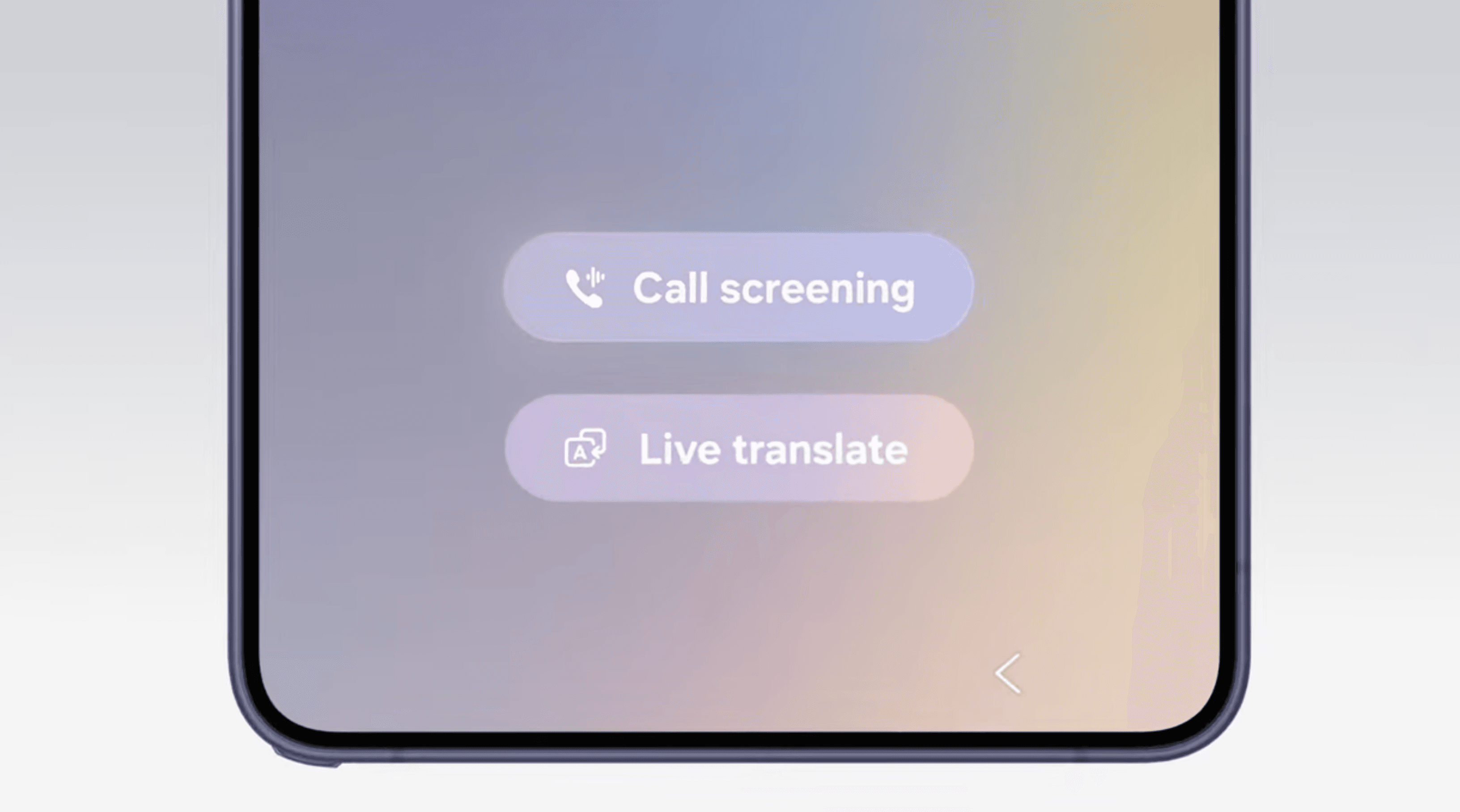
The enhanced AI capabilities across both chipsets power Samsung's Galaxy AI 2.0 features, including real-time translation, advanced photo remastering, and improved on-device processing that doesn't rely on cloud connectivity.
The Exynos 2600 brings AI-based Visual Perception System (VPS) for photography and Deep Learning Video Noise Reduction (DVNR) for cleaner low-light video footage.
Camera Upgrades That Actually Matter
Recent reports have tempered expectations for camera hardware upgrades. According to PhoneArena, Samsung may have scaled back planned camera improvements to avoid inflating the price.
The telephoto camera may remain unchanged from the S25 Ultra. However, the main 200MP sensor could still receive a significant upgrade to a larger 1/1.1-inch Sony sensor, up from the 1/1.3-inch ISOCELL HP2, though some sources suggest this upgrade may be pushed to the S27 Ultra instead.
While megapixel counts might not change dramatically, the S26 Ultra is still expected to feature a 200MP main sensor : the real improvements could come from lens technology. Multiple sources point to a wider f/1.4 aperture for the primary camera (up from f/1.7), which would allow significantly more light to reach the sensor.
According to some calculations, this could mean up to 50% more light capture compared to previous models, translating to noticeably better low-light performance and more natural background blur without software trickery.
The telephoto system is getting meaningful attention too. While the 50MP periscope lens for 5x optical zoom and 50MP ultrawide are expected to remain, there's confirmed talk of a new 12MP 3x telephoto unit replacing the aging 10MP sensor found in current models.
This might not sound like a huge jump, but for a sensor that's been in use for multiple generations, even a modest resolution increase could bring meaningful improvements to mid-range zoom quality. The selfie camera stays at 12MP but gets a wider 85-degree field of view (up from 80 degrees), though this means a slightly larger camera punch-hole at the top of the display.
S Pen: Redesigned and Still Here
Despite widespread rumors about Samsung potentially ditching the S Pen, the stylus is confirmed to remain with the S26 Ultra, though this might be its final appearance. The S Pen is getting a redesign to match the phone's new aesthetic, with a curved top edge replacing the flat, boxy profile of previous generations. This allows the stylus to sit flush with the S26 Ultra's rounded corners.
Samsung removed Bluetooth features like Air Gestures and remote camera controls with the Galaxy S25 Ultra, and those aren't coming back. The S Pen remains a capable writing tool with pressure sensitivity and hover functions, but the advanced wireless tricks are gone.
Industry observers suggest the S26 Ultra could be the last Galaxy Ultra to ship with a built-in S Pen slot, as the space it occupies could be used for larger batteries or additional components in future generations.
Aluminum Frame Returns: Samsung Ditches Titanium
Samsung is moving away from titanium for the Galaxy S26 Ultra frame, as evidenced by the leaked color names dropping the 'Titanium' prefix. This mirrors Apple's similar move from titanium to aluminum on the iPhone 17 Pro
The switch makes engineering sense. Aluminum offers approximately 20 times better thermal conductivity than titanium, which should help the S26 Ultra manage heat more effectively during demanding tasks like gaming or 4K video recording.
The phone is expected to weigh around 214 grams, down from the S25 Ultra's 218 grams. While some fans may miss the premium titanium branding, the improved thermal performance should translate to more consistent sustained performance without throttling.
Charging Finally Catches Up
Samsung's charging speeds have felt stagnant compared to Chinese competitors for years, but the S26 Ultra might finally close that gap. The phone is confirmed to jump from 45W to 60W wired charging, with certifications and Samsung's own leaked 60W charger images supporting this upgrade.
While still far from the 100W+ speeds some competitors offer, it's a meaningful step forward that should significantly reduce charging times for the phone's 5,000mAh battery.
Wireless charging is getting a major upgrade too. The S26 Ultra is expected to feature full Qi2 support with built-in magnets, finally bringing proper MagSafe-like functionality to Samsung's flagship. This is a crucial distinction from the S25 Ultra, which was Qi2-compatible but required special cases to access magnetic features.
The S26 Ultra's integrated magnetic ring means a whole ecosystem of magnetic accessories, from charging stands to car mounts to power banks, will work seamlessly with the phone. Wireless charging speeds are also jumping from 15W to 25W, making cable-free charging significantly more practical.
Galaxy S26 Ultra Display & AI Features
According to a new report from FN News, the AI-powered Privacy Display feature may not be exclusive to the Ultra model. All three phones in the Galaxy S26 series, including the standard S26 and S26 Plus, could feature Samsung Display's Flex Magic Pixel technology. This would mark a significant upgrade across the entire lineup.
The feature includes two intensity levels: a standard mode and a "Maximum privacy protection" mode for situations requiring absolute confidentiality. Users can configure it to activate automatically based on specific apps, notifications, or when away from home.
The display could also feature a 144Hz refresh rate upgrade from the current 120Hz, though this remains unconfirmed. The panel uses M14 OLED technology with Color-on-Encapsulation (CoE), which helps slim down the overall phone thickness while improving color accuracy.
Samsung officially confirmed in early December that One UI 8.5 will launch with the Galaxy S26 series, and the company has already started Beta testing on Galaxy S25 devices. Leaks suggest that "lots" of One UI 8.5 features are currently disabled because Samsung is keeping them exclusive to the Galaxy S26 series at launch.
One standout is the AI notification summary feature, which uses Samsung's in-house Gauss model to provide a digest of notifications from the past 24 hours.
One UI 8.5 is also bringing Storage Share - a feature that shows files from other Galaxy devices, including tablets, PCs, and even Samsung TVs directly in the My Files app. Audio Broadcast uses Auracast to enable effortless communication with LE Audio-supported devices nearby, and you can now broadcast your voice using the phone's built-in microphone, ideal for group situations like tours or events.
One UI 8.5 Beta 3 rolled out on January 5, 2026, bringing the January 2026 security patch and making the Galaxy S25 series the first phones to receive a 2026-dated security update.
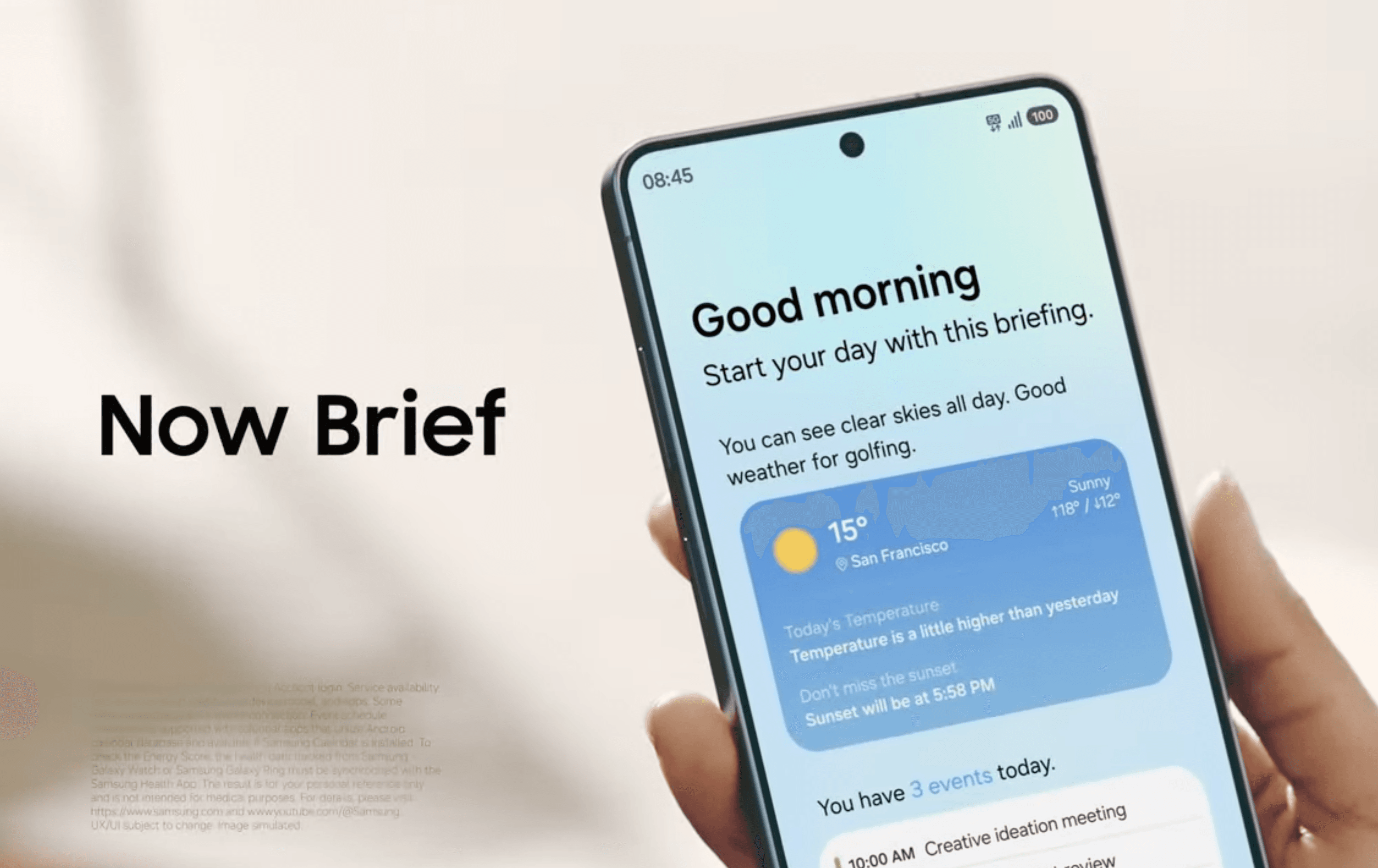
The update includes fixes for lock screen clock alignment, improved visibility of Phone app favorites, enhanced Now Briefing functionality, better Live Effect performance in the Gallery app, and reduced battery drain. Beta 4 is expected in late January 2026, with the stable release coming alongside the Galaxy S26 series in late February or early March.
Bixby Powered by Perplexity AI
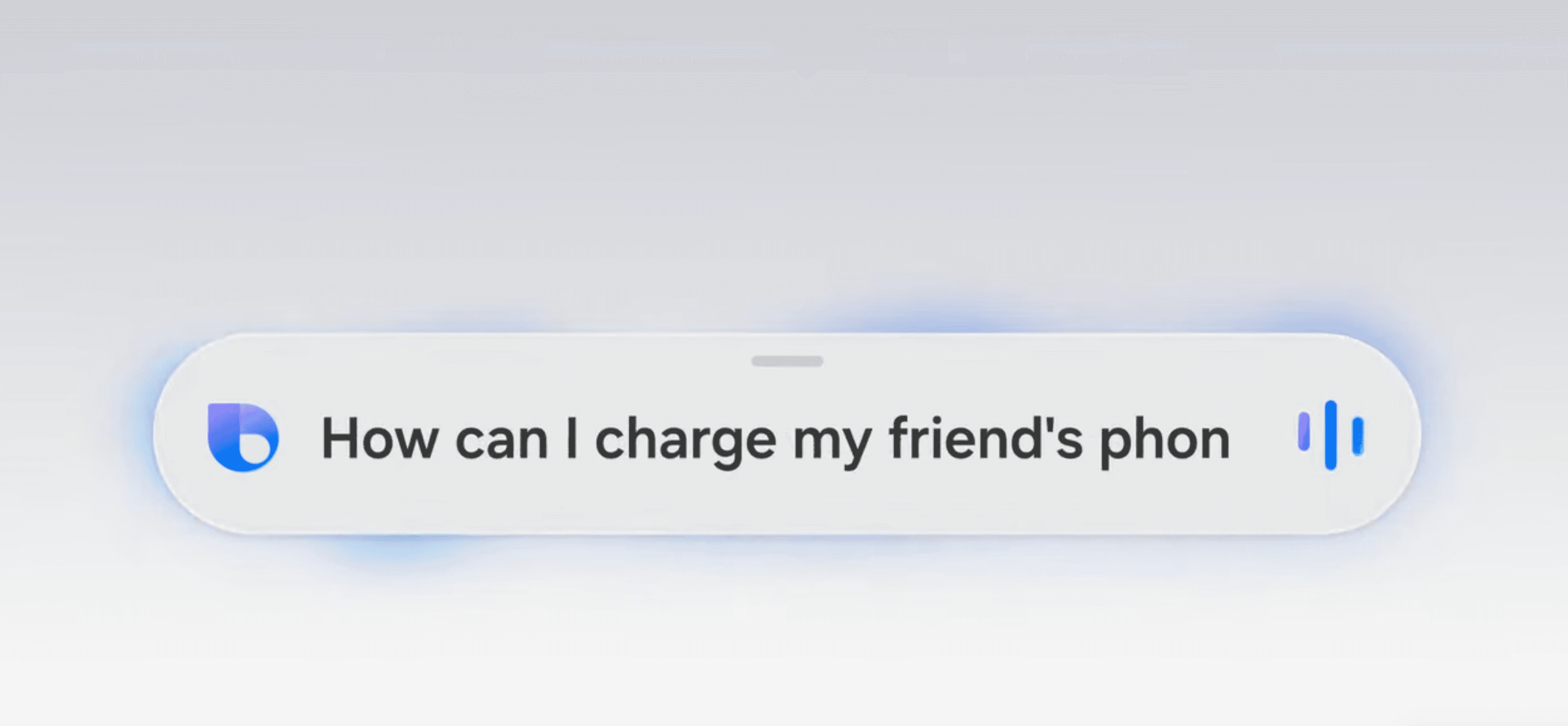
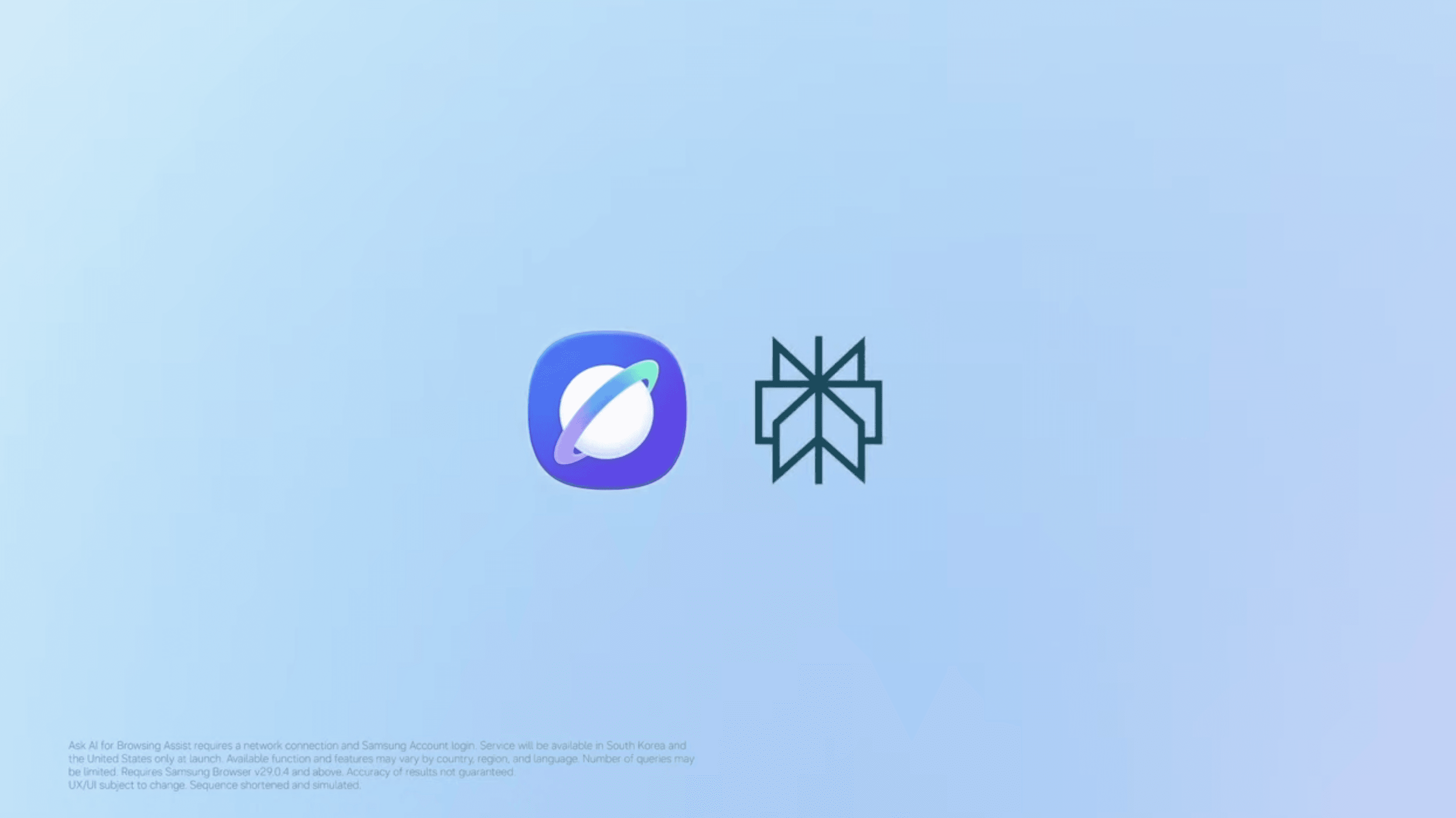
Samsung is revamping its Bixby assistant with Perplexity AI integration, spotted in the One UI 8.5 beta. This partnership allows Bixby to handle basic device commands while Perplexity tackles more complex, research-intensive queries with cited sources and real-time web information. The interface shows Bixby delivering responses with a Perplexity button at the end, providing links back to sources.
This mirrors Apple's approach of integrating ChatGPT into Siri. Samsung already offers Perplexity on its smart TVs and provides US Galaxy users free 12-month Perplexity Pro subscriptions. The full integration is expected to debut with the Galaxy S26 series.
S26 Ultra RAM & Storage Options
Don't expect any revolutionary changes in the memory department. The S26 Ultra will stick with 12GB of RAM as standard across most global markets, with a possible 16GB RAM variant paired with 1TB storage available in "demanding markets" like China.
Storage options remain 256GB, 512GB, and 1TB, all using faster UFS 4.1 technology that promises up to 15% faster sequential write speeds and 10% better random read and write performance compared to previous generations.
Pricing and Availability Reality Check
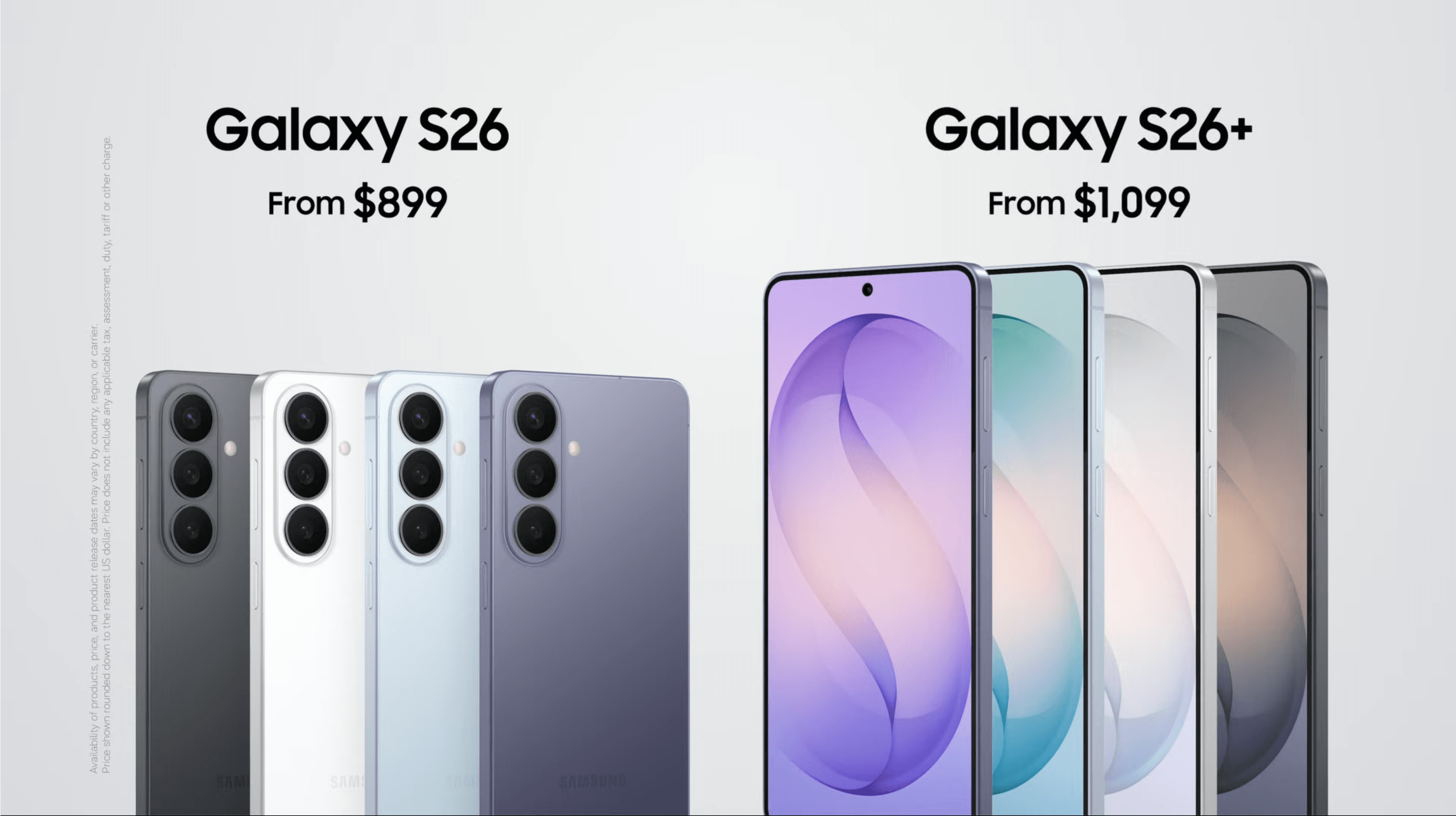
Samsung has officially confirmed it will freeze pricing for the fourth consecutive year, according to South Korean outlet Maeil Business Newspaper. The Galaxy S26 will start at $799, the S26 Plus at $999, and the S26 Ultra at $1,299 in the US. Samsung reportedly decided to absorb a 10-15% hit to profit margins rather than risk losing market share to Apple and Chinese competitors.
However, some markets like South Korea may see modest increases of KRW 44,000-88,000 ($30-$60) due to currency fluctuations. The price freeze also applies to the upcoming Galaxy Z Fold 8 and Z Flip 8.
What We're Still Waiting to Learn
Despite the flood of leaks, several key details remain unconfirmed. We don't know the final color lineup - whether that eye-catching orange will actually make it to retail or remain just a dummy unit tease. While Samsung has confirmed One UI 8.5 will debut with the S26 series, the complete list of Galaxy AI 2.0 features exclusive to the S26 Ultra hasn't been fully revealed.
Battery capacity remains contested. While earlier leaks suggested 5,000mAh, recent reports from Chinese tipsters indicate a bump to 5,200mAh : a modest 4% increase that would mark the first capacity upgrade for Samsung's Ultra line since 2020.
Some sources even suggest Samsung is testing Silicon-Carbon (Si-C) battery technology that could push capacity between 5,200mAh and 5,750mAh in the same physical footprint.
However, a reliable leak from Galaxy Club contradicts this, stating the S26 Ultra sticks with 5,000mAh and Samsung is not adopting silicon-carbon technology for this generation. Combined with the 60W charging upgrade and more efficient M14 OLED display, even the base capacity should deliver improved real-world battery life.
Read also- The Galaxy S26 Ultra is pronounced DOA by thousands already Reports should we expect a flop?
Should You Wait for the S26 Ultra or Buy the S25 Ultra Now?
If you're rocking a Galaxy S24 Ultra or newer, waiting for the S26 Ultra makes sense : you'll get meaningful upgrades in charging speed (60W wired, 25W wireless), camera optics (f/1.4 aperture, new 3x telephoto), full Qi2 magnetic charging, and enhanced AI capabilities. The thermal improvements alone could make a noticeable difference in sustained performance during demanding tasks.
But if your current phone is struggling or you're coming from an older model like the S22 Ultra or earlier, the Galaxy S25 Ultra remains an excellent choice that will likely see significant discounts once its successor arrives in March. You'll miss out on faster charging and magnetic accessories, but you'll get a proven flagship at a better price point.
The bottom line? Samsung's taking its time with the S26 Ultra to get things right, and early indications suggest the wait could be worth it.
Between global Snapdragon consistency for Ultra buyers, the promising Exynos 2600 for standard models in select markets, meaningful camera improvements, and finally catching up on charging technology and magnetic accessories, this might be the most compelling Ultra upgrade in years.