
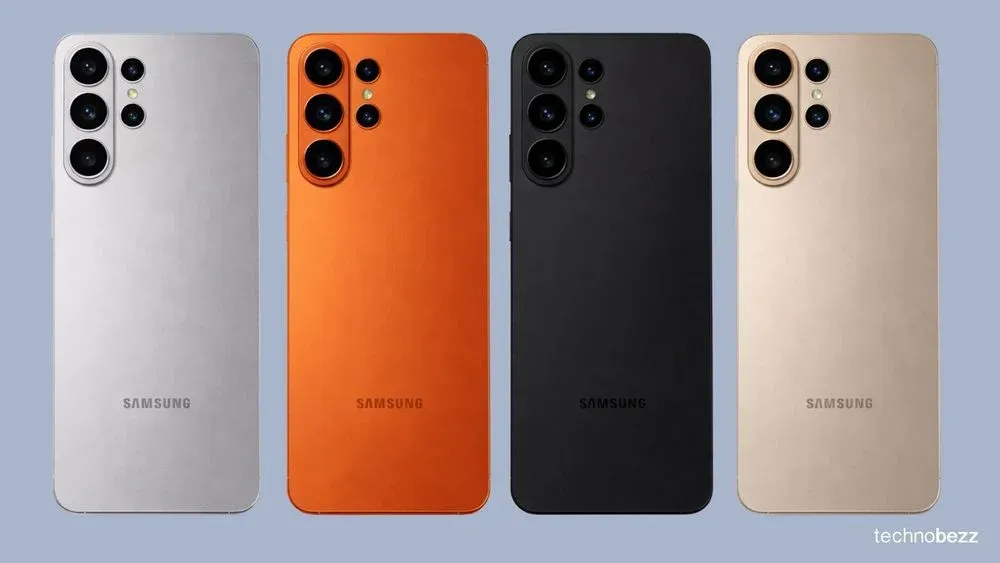
Samsung's Galaxy S26 series will reportedly support full satellite voice and video calls through the new Exynos Modem 5410, moving beyond emergency-only messaging to comprehensive off-grid communication.
The modem, unveiled this week, integrates terrestrial 5G and satellite networks into a single chip compliant with 3GPP Release 17 standards. According to Samsung's specifications, it supports three satellite network types: LTE DTC for voice calls, NB-IoT NTN for text messaging and location sharing, and NR-NTN for higher-quality video communication.
This represents a significant upgrade from the Galaxy S25's limited emergency texting capabilities. While Apple's iPhone 14 and later models offer Emergency SOS via satellite for text messaging, Samsung's approach extends to routine voice and video connectivity in areas without cellular coverage.
The Galaxy S26 lineup, expected in February 2026, will include standard, Plus, and Ultra models. Select markets like South Korea and Europe will receive Exynos 2600-powered variants paired with the new modem, while other regions may use Galaxy-branded Snapdragon chips.
Samsung claims the Exynos Modem 5410 addresses power efficiency challenges that previously limited satellite phone adoption. The company says it minimizes consumption while maintaining stable satellite links, potentially improving battery life during extended off-grid use.
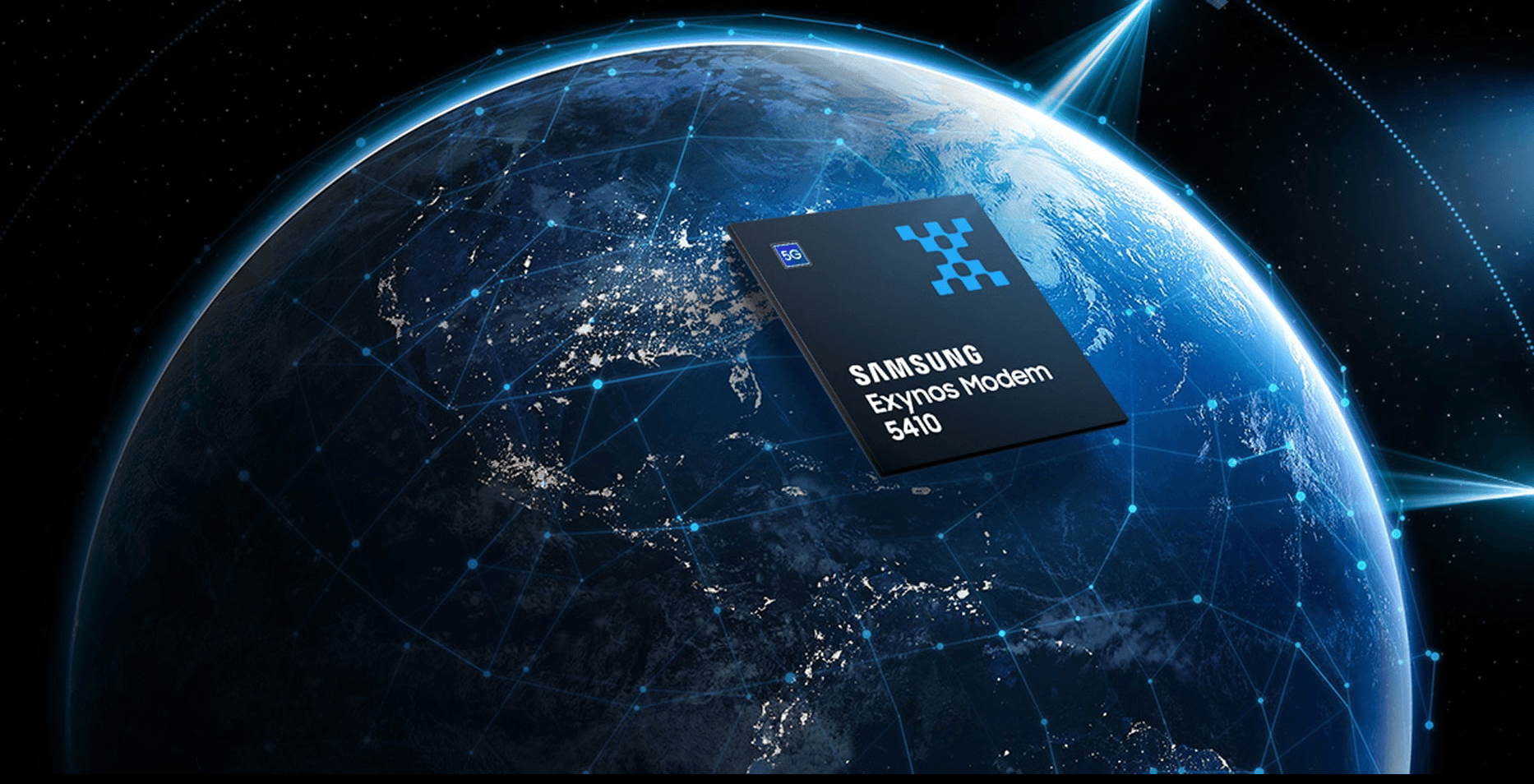
The modem's architecture creates a layered fallback system. NB-IoT NTN handles basic text and location data, LTE DTC enables voice calls, and NR-NTN supports video communication. This three-tier approach adapts to available bandwidth and user needs automatically.
Industry analysts note Samsung's timing positions the Galaxy S26 against emerging satellite-to-phone services from SpaceX's Starlink through T-Mobile and AST SpaceMobile's constellation for AT&T and Verizon customers. Apple reportedly plans to invest over $1 billion in Globalstar satellite infrastructure.
Samsung's satellite ambitions build on existing Galaxy S25 emergency capabilities through Skylo's network, which covers approximately 50 million square kilometers. The company has been developing satellite-enabled technology for several years, with the S26 potentially representing its first consumer-ready implementation.
Technical specifications show the modem uses a 4nm EUV process for reduced standby power consumption. Security features include Root of Trust-based Hybrid PQC protection for sensitive data like IMEI information during satellite transmissions.
If implemented as reported, the Galaxy S26's satellite capabilities could transform smartphone connectivity expectations. The feature would enable communication in remote locations, disaster zones, and areas affected by network outages without specialized emergency equipment.
Market implications suggest satellite connectivity may become standard for flagship smartphones rather than premium add-ons. Samsung's in-house modem development also reduces reliance on Qualcomm's Snapdragon chips, particularly amid ongoing U.S.-China trade tensions.
The Galaxy S26 series is scheduled for unveiling in early 2026, with satellite voice calling reportedly available from launch rather than as a post-release update. Regional availability will depend on partnerships with satellite providers and regulatory approvals from agencies like the FCC.