
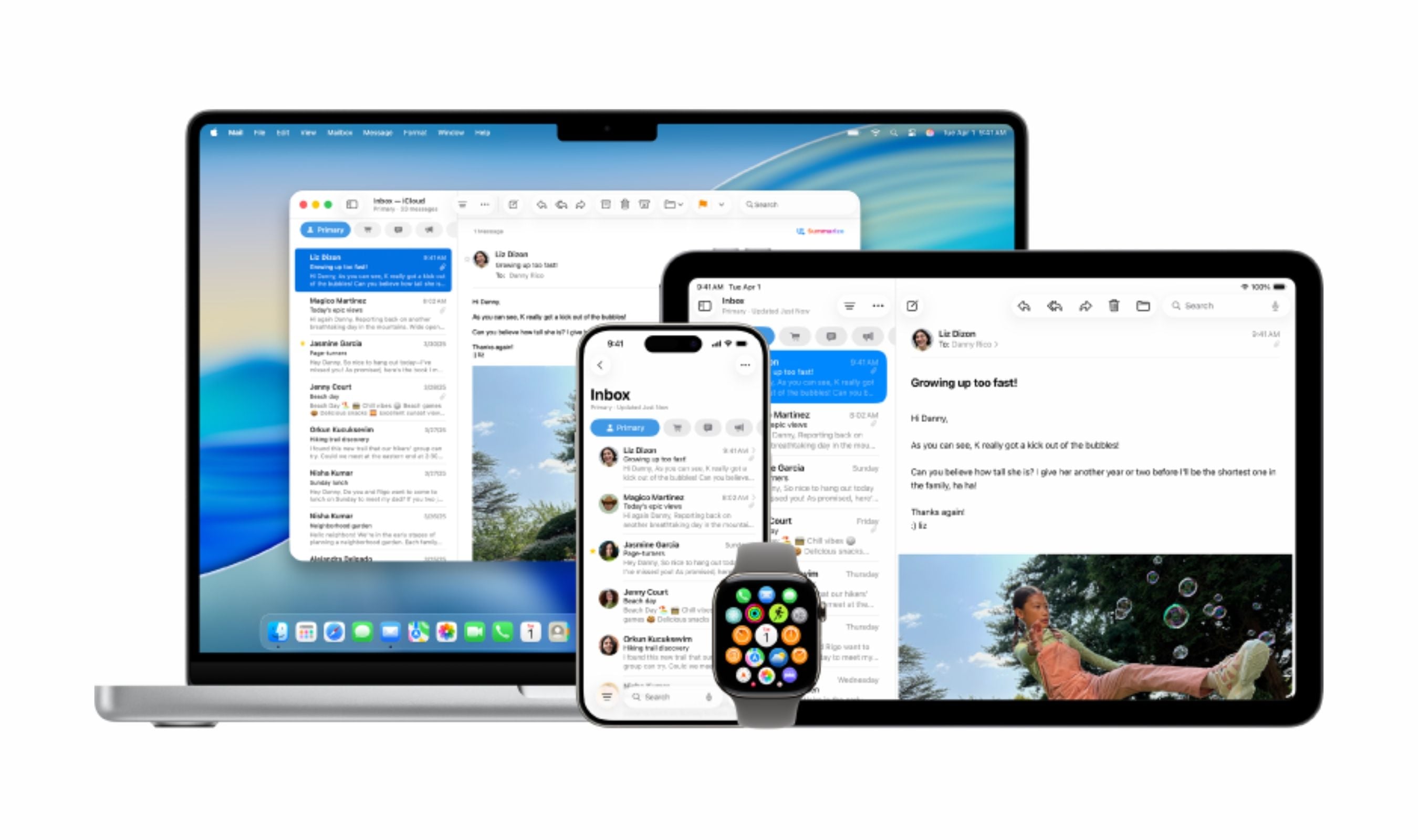
Apple's cheapest laptop just lost its price advantage. The MacBook Neo, unveiled months ago at $599 to take on Windows and Chromebook rivals, now starts at $699. The $100 increase, a 17% jump, is the clearest sign yet that the AI datacenter boom has broken the consumer electronics supply chain.
The price hikes hit nearly every product in Apple's lineup on Thursday, with increases ranging from 17% to 25%. The iPad Air took the biggest percentage hit, climbing 25% from $599 to $749. The 11-inch iPad Pro jumped to $1,199 from $999, while the 14-inch MacBook Pro now starts at $1,999, up from $1,699.
Apple's online store briefly went down Thursday morning and returned with the updated prices.
iPhone, Apple Watch, and AirPods pricing remained unchanged. But IDC senior research director Nabila Popal warned that reprieve won't last."The iPhone isn't spared, its hike is coming," Popal told Reuters.
Shares of Apple fell nearly 5% on the news, their worst single-day drop since February. Rival Dell fared worse, sinking more than 8%.
The culprit is an AI-fueled memory shortage unlike anything the industry has seen. Dynamic random access memory (DRAM) prices rose 98% in the first quarter of 2026 and are expected to jump another 58% to 63% in the current quarter, according to industry tracker TrendForce.
Chipmakers like Micron have prioritized orders from AI companies building data centers, leaving consumer electronics manufacturers scrambling for supply. Micron said Wednesday it has locked in $22 billion in long-term commitments from customers looking to secure memory supplies.
"We have never seen a component price increase this much, this quickly," Apple said in a statement to Reuters. The company acknowledged it had "reached a point where we need to begin raising prices on a number of products, including today's increases for iPad and Mac."
CEO Tim Cook had telegraphed the move last week in an interview with The Wall Street Journal, calling the situation a "hundred-year flood" and saying price increases had become "unavoidable." During Apple's earnings call in May, Cook told analysts that "beyond the June quarter, we believe memory costs will drive an increasing impact on our business." The MacBook Neo's price hike is particularly damaging to Apple's market share ambitions.
At $699, the Neo has lost a $100 advantage over Dell's newly unveiled XPS 13, which also starts at $699. The Neo now also faces steeper competition from Chromebooks from Lenovo and Asus. The full price list shows the breadth of the increases.
The MacBook Air now starts at $1,299 (up from $1,099), the 15-inch Air at $1,499 (up from $1,299), and the MacBook Pro lineup rises through $2,499 and $4,099 for higher-tier M5 configurations. The Mac Studio M3 Ultra saw the steepest absolute jump, rising to $5,299 from $3,999. Even the iPad mini went up to $599 from $499.
Apple TV, HomePod, HomePod mini, and Vision Pro all received price increases as well.
Research firm IDC estimates the smartphone market will see its biggest-ever annual decline of nearly 14% this year, with the PC market falling 11.3%, as higher prices suppress demand.
"This is a hundred-year flood," Cook told the Journal. "I've never seen anything like it in any area in over 40 years."