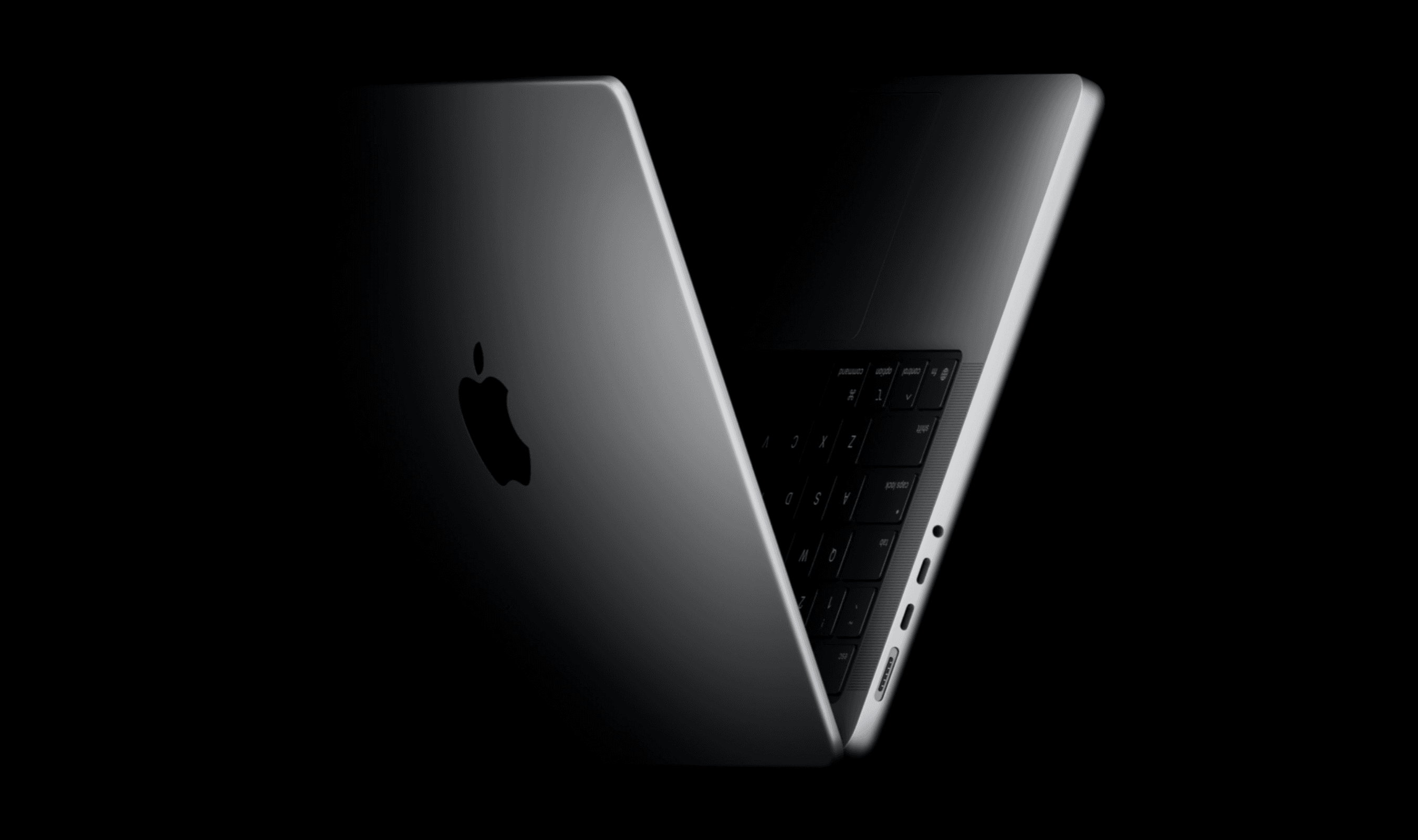
Apple's high-end M5 MacBook Pro models remain delayed into February, with macOS 26.3 development cited as the primary bottleneck. The base M5 MacBook Pro launched in October 2025, but professional variants with M5 Pro and M5 Max processors continue to face postponement.
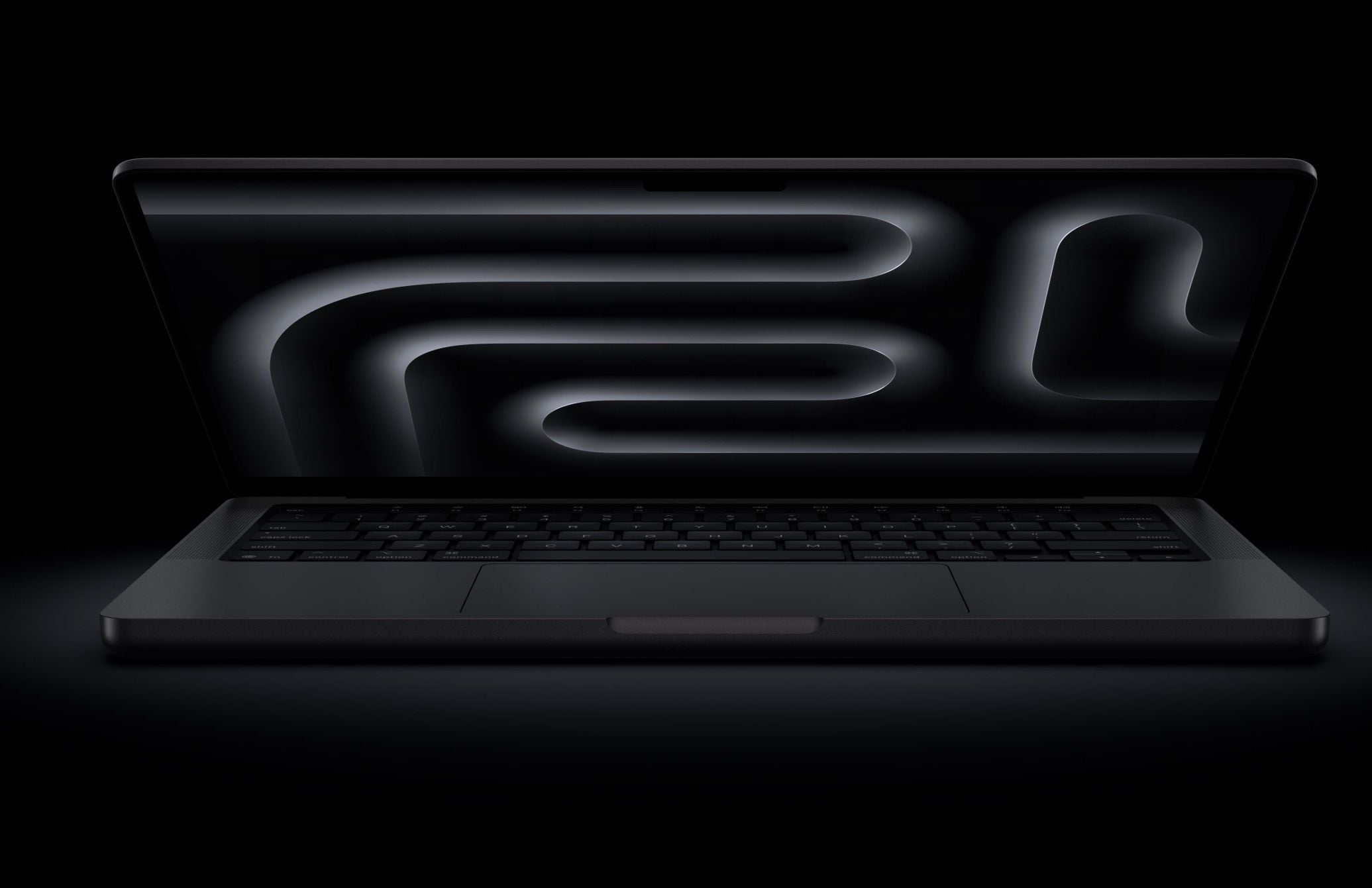
Mac revenue dropped 7% last quarter as customers bypass M4 models while awaiting the enhanced M5 variants. Creative professionals and demanding workflows stand to benefit most from the expected CPU and GPU performance improvements in the Pro and Max configurations.
The M5 Pro/M5 Max MacBook Pro will reportedly launch with macOS Tahoe 26.3, according to information leaked to AppleInsider. Current macOS version 26.2 remains in beta testing, with version 26.3 still weeks from release. Even if a Release Candidate reaches developers in early February, macOS Tahoe 26.3 cannot debut before the second week of February.
Apple held a content creator event earlier this week that sparked speculation about a surprise MacBook Pro launch. The company's AirTag 2 announcement on Monday further fueled anticipation for multiple product releases. Neither materialized as expected.
Memory supply constraints compound the launch challenges. Samsung and SK Hynix plan to raise memory prices for Apple starting this January, according to analyst reports. The Cupertino company's long-term RAM supply agreements are expiring amid a global memory shortage that began in late 2025.
Apple CEO Tim Cook acknowledged during the company's earnings call that skyrocketing memory prices had "minimal impact" on fourth quarter 2025 results. However, Cook expects "a bit more of an impact" for the first quarter of 2026 due to rising RAM and SSD costs.
Counterpoint Research previously identified Apple as one of the few companies positioned to overcome RAM crisis price hikes. This advantage appears temporary as memory manufacturers reportedly raise contract prices by 100%. Micron expects the RAM shortage to persist until 2028.
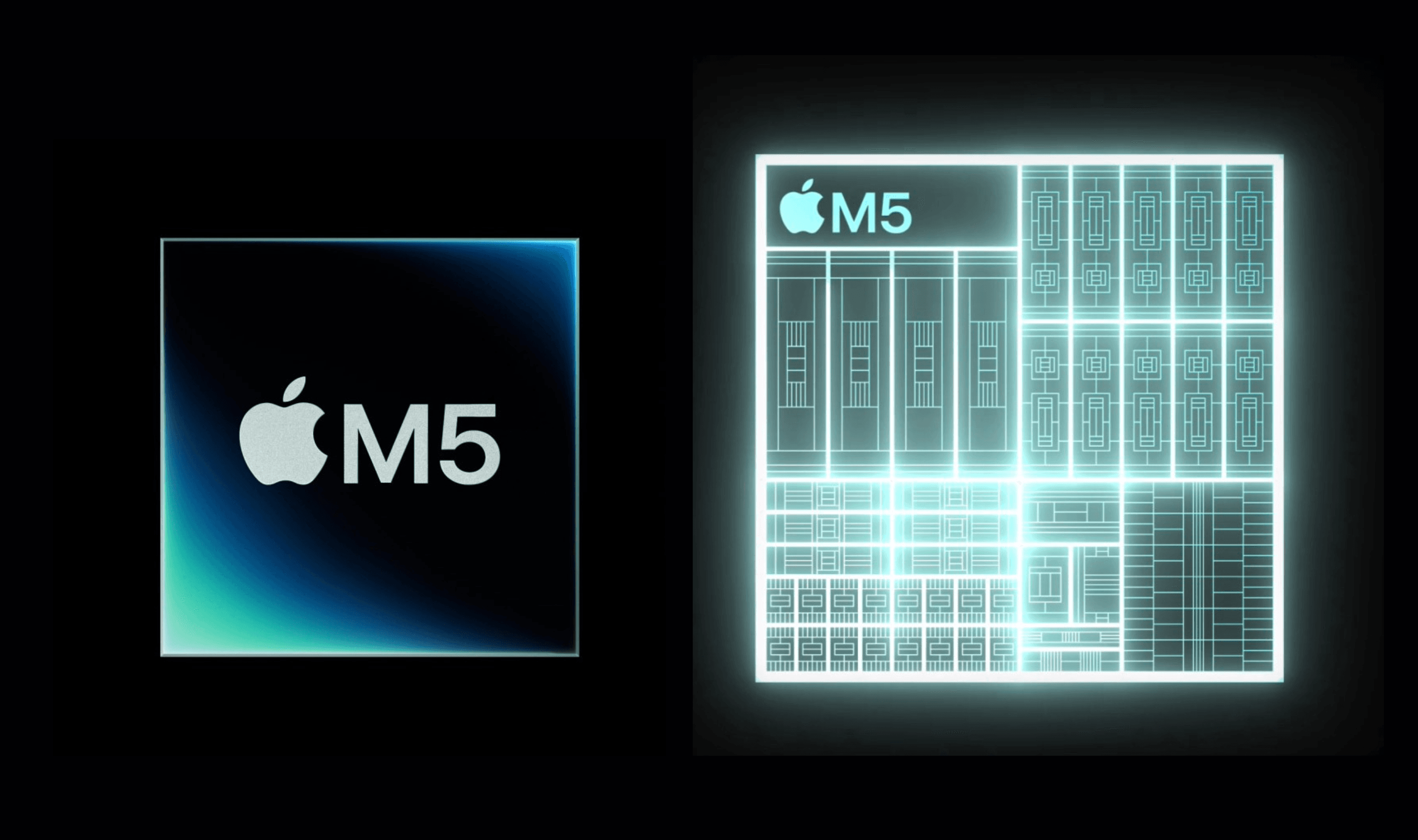
Performance benchmarks show why the wait matters. The M5 processor in current MacBook Pro models scores around 48,000 in graphics testing, while Apple's newest M5 processor offers performance "a generation ahead" of Windows competitors, according to testing data. The Qualcomm Snapdragon X Elite processor offers comparable multi-threaded performance to M4 chips but falls short on single-core tasks.
A MacBook Air refresh from M4 to base M5 reportedly arrives first, launching with macOS Tahoe 26.2. Apple markets the MacBook Air as the "world's most popular laptop," suggesting its update takes priority for broader consumer impact.
Rumors indicate Apple will maintain current laptop designs for both MacBook Air and Pro models in this refresh cycle. Major redesigns are expected with a new MacBook Pro generation arriving in late 2026 or early 2027.
MacBook Pro shipping times have extended to two months for some configurations, potentially reflecting memory and SSD shortages or preparation for M5 Pro/Max inventory. The combination of software development timelines and component supply constraints creates a perfect storm delaying Apple's professional laptop refresh.
Apple reportedly considers "a range of options" to address memory cost pressures, according to Cook's earnings call comments. Whether these measures include absorbing price increases or passing costs to consumers remains unclear as the company navigates dual challenges of software readiness and hardware component availability.