

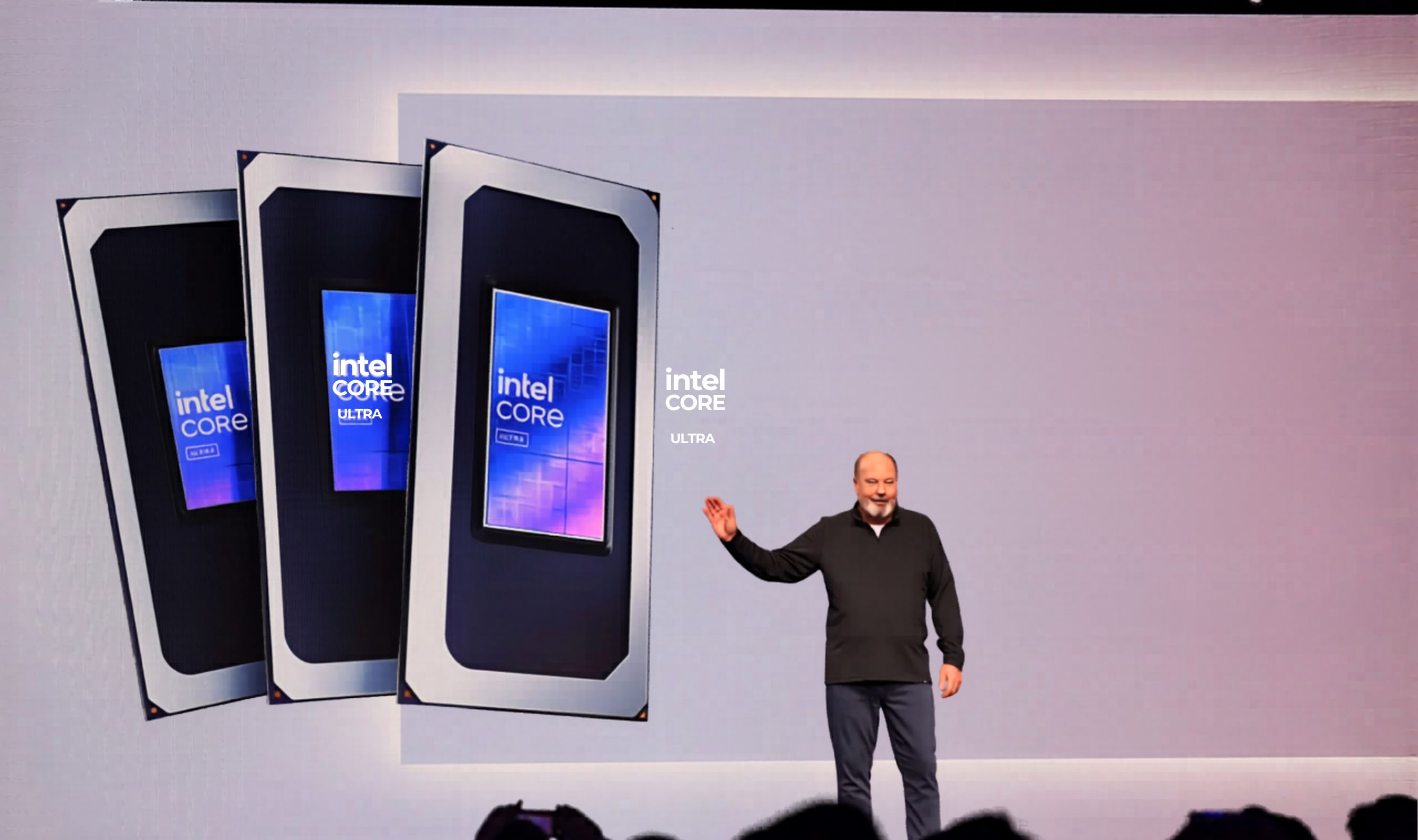
Intel fired back at Apple's budget laptop success with Core Series 3 processors codenamed Wildcat Lake, announced April 16 as a direct response to the $599 MacBook Neo that has been selling out since its March launch. The new chips target the same value laptop segment Apple redefined last month, arriving with promises of AI capability and Windows ecosystem support through more than 70 upcoming designs from partners including Acer, Asus, Dell, HP, Lenovo and MSI.
Apple's MacBook Neo sold out within weeks of its March release, pushing delivery estimates into May as demand continues to outstrip supply. The company reportedly doubled initial production orders from five million to ten million units to meet overwhelming interest in its first-time Mac customer offering.
Built on Intel's 18A process node and positioned as the value counterpart to Panther Lake chips, Wildcat Lake processors feature up to two Xe3 graphics cores and Intel's NPU5 neural processing unit. They offer up to 40 TOPS of combined AI performance (NPU + GPU + CPU), though the NPU alone reaches 17 TOPS, below Microsoft's 40 TOPS requirement for Copilot+ PC certification.
Intel claims Core Series 3 delivers up to 47% better single-threaded performance and 41% better multi-threaded performance compared with five-year-old PCs. The company also cites up to 64% lower processor power consumption and a 2.7x improvement in GPU-accelerated AI workloads.
Early benchmark comparisons suggest different strengths for each platform. The MacBook Neo's single-core performance appears roughly 44% higher than Wildcat Lake according to testing data, with multi-core scores leading by nearly 29%.
MSI has already announced its Modern 14S and Modern 16S laptops as explicit competitors to Apple's budget machine. Other early shipping designs include Acer Aspire Go models in 14-inch, 15-inch and 16-inch configurations alongside HP's Omnibook series.
The MacBook Neo maintains its $599 base price ($499 for education customers) while using an A18 Pro chip borrowed from iPhone hardware with one less GPU core than the mobile version. This binned approach follows Apple's previous strategy with early M1 MacBooks and recent iPad mini models.
Intel describes Core Series 3 as "purpose-engineered for value" using what it calls "the most advanced logic node developed and manufactured in the United States."
The lineup includes six consumer SKUs plus an edge-only variant all fabricated on Intel's domestic production lines.
Whether AI capabilities can sway buyers who prioritize raw performance remains uncertain for students and small-business users shopping sub-$700 laptops. Intel's ability to meet Microsoft's Copilot+ threshold in chips designed for this price range represents a technical achievement even without benchmark supremacy over Apple silicon.