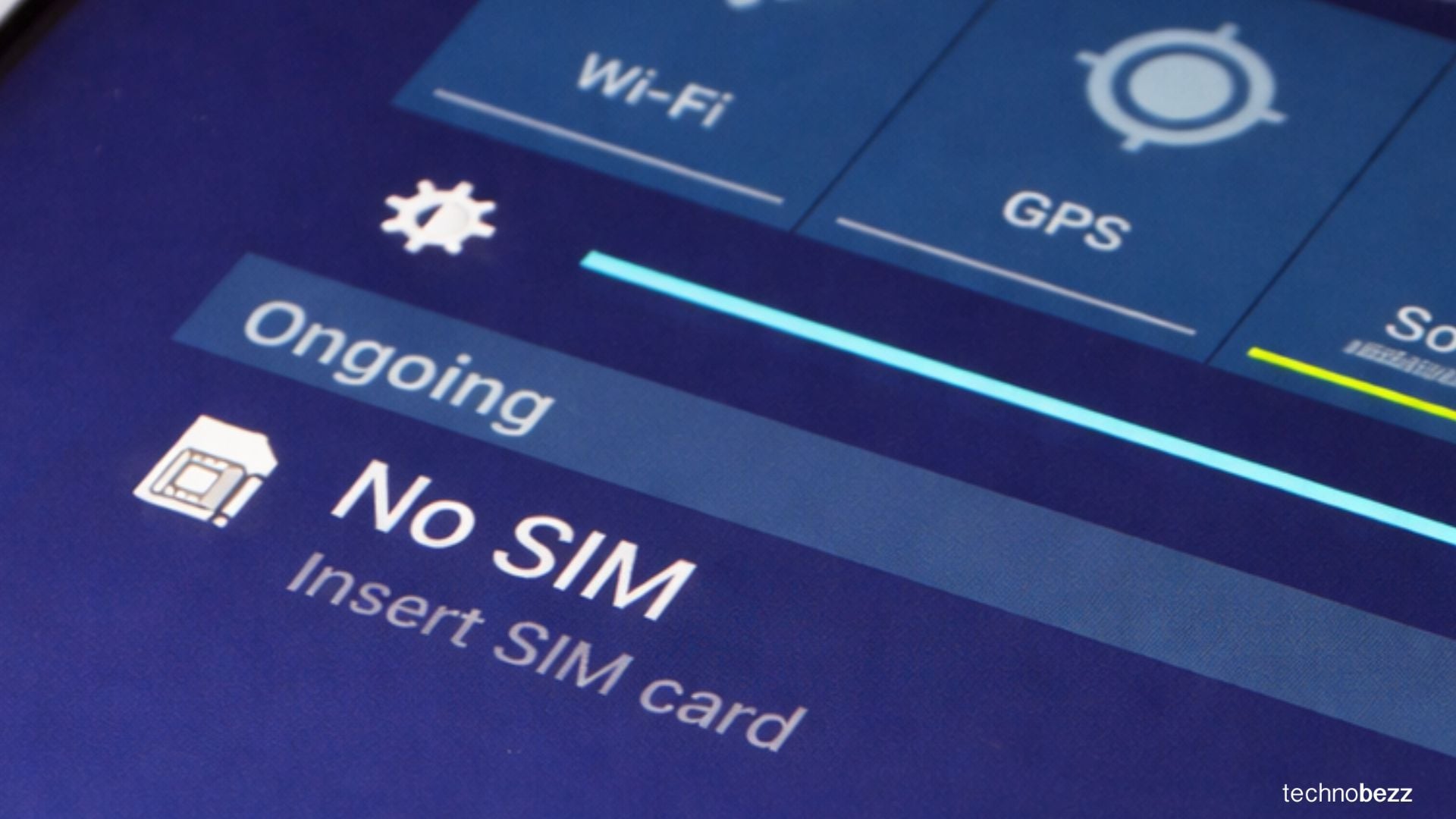

Seeing a "SIM Not Provisioned" message on your Samsung Galaxy S23 can stop you in your tracks. It means your phone can't connect to your carrier's network, so you can't make calls, send texts, or use mobile data. The good news is this is usually a simple account or connection hiccup you can fix yourself.
I'd start with the quickest fix first. Pull down the notification shade twice to see your quick settings tiles. Tap the Airplane Mode icon to turn it on, wait about 15 seconds, and then tap it again to turn it off. This forces your phone to drop its current network connection and search for a fresh one, which often clears up the error immediately.
Check Your SIM Card and Account Status
Before diving into phone settings, it's worth checking the basics with your carrier. If you just got a new SIM card, it might not be activated yet. Give your provider a quick call or check their app to confirm your account is active and in good standing, especially if you're on a prepaid plan.
An improperly seated SIM can also cause this. Power your Galaxy S23 off completely. Use the SIM ejector tool that came in the box to pop out the tray. Take a look at the SIM card for any obvious scratches or dirt, wipe it gently with a soft cloth, and reinsert it firmly. Power the phone back on and see if it connects.
Refresh Network Settings on Your Galaxy S23
If the basic steps don't work, the next move is to refresh how your phone connects to the network. Start by manually selecting your carrier. Go to Settings > Connections > Mobile networks > Network operators. Tap Search networks, wait for the list to populate, and then manually select your carrier's name instead of leaving it on "Automatic."
A network settings reset is a stronger step that clears all your saved Wi-Fi passwords, Bluetooth pairings, and cellular settings. On your S23, navigate to Settings > General management > Reset > Reset network settings. Tap to confirm. Your phone will reboot, and you'll need to reconnect to Wi-Fi networks afterward, but it can resolve stubborn provisioning errors.
Update Your Phone's Software
Samsung frequently releases updates that fix connectivity bugs. It's a good idea to check if your phone is running the latest software, as a patch might address the exact issue you're facing. Go to Settings > Software update > Download and install. If an update is available, make sure your phone is charged above 50% and connected to Wi-Fi before proceeding.
You should also check the Google Play Store for updates to system apps that manage connectivity. Open the Play Store, tap your profile icon, go to Manage apps and device, and look under "Updates available." See if there's an update for Carrier Services or Google Play services and install it.
Test the SIM Card in Another Device
This step helps you figure out if the problem is with the SIM card itself or with your Galaxy S23. If you have access to another unlocked phone, power it off, insert your S23's SIM card, and turn it on. If the other phone also shows "SIM Not Provisioned," then the issue is definitely with the SIM or your carrier account.
If the SIM works perfectly in another phone, then the issue is isolated to your S23. In that case, after you've tried all the software resets and updates, you might consider booting into Safe Mode. This starts the phone with all third-party apps disabled. If the error disappears in Safe Mode, a recently installed app could be interfering with your network connection.
Contact Your Mobile Carrier
If you've worked through all these steps and the message persists, your carrier's support team needs to take a look. They can check for network outages in your area, reprovision your SIM card on their system, or verify there are no blocks on your account. They can also send you a replacement SIM card if yours is found to be faulty, which is a common final resolution.