
OpenAI is building robots again, and this time it is not just funding other companies to do the work.
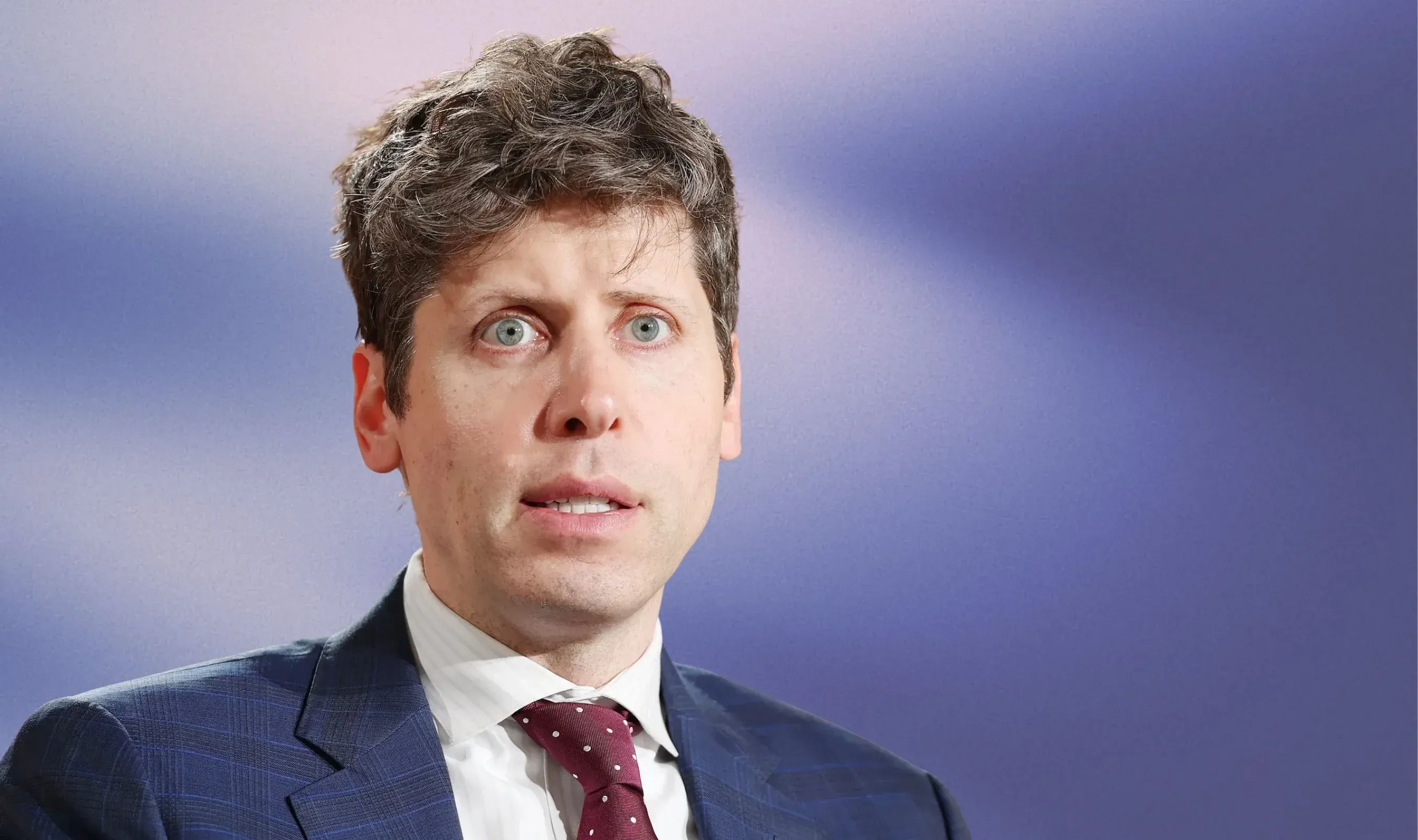
Sam Altman announced on May 31 that OpenAI Robotics is hiring full-stack hardware, ops, systems, and ML engineers to manufacture robots "useful for society." Co-founder Greg Brockman confirmed the division is "making rapid progress towards building AI that can help people in the physical world." The near-term target is specific: robots for skilled workers building data centers, power grids, and factories. Not household helpers or warehouse sorters.
Construction and physical infrastructure, the backbone of the AI boom itself. Altman's long-term ambition is far bigger. "In the long term, we imagine everyone having a personal robot doing anything they need," he posted on X.
This is not OpenAI's first robotics rodeo. The company ran a robotic hand project called Dactyl from 2017, famously solving a Rubik's Cube one-handed in 2019, before disbanding the entire robotics team in 2021 to pivot into large language models.
Since then, OpenAI maintained a foothold through investments. The OpenAI Startup Fund led a $23.5 million round for 1X Technologies in 2023, which has since opened America's first vertically integrated humanoid factory in Hayward, California. The fund also joined a $675 million round for Figure AI alongside Microsoft, Nvidia, and Jeff Bezos, though Figure ended its OpenAI collaboration in February 2025 to build its own AI models.
This hiring push marks the most explicit public commitment to proprietary robotics hardware since the 2021 shutdown. The robotics division emerged from OpenAI's world simulation research program led by Aditya Ramesh, the researcher behind DALL-E and Sora. Ramesh said OpenAI has created a "really unique environment" to execute on the program's ambitions. At the time of writing. The company had 11 open robotics roles on its website. The move puts OpenAI in direct competition with Tesla's Optimus humanoid robot, which Elon Musk has touted as a future industrial and personal assistant. Musk and Altman, already rivals over OpenAI's governance and direction, are now competing in physical hardware.
OpenAI's robotics hardware lead Caitlin Kalinowski, who joined from Meta in November 2024, resigned on March 7, 2026, citing concerns about the company's Pentagon deal and lack of guardrails around domestic surveillance and lethal autonomy. Her departure highlights the stakes: robotics is where OpenAI's most contested questions about safety, power, and autonomy move from chat interfaces into the physical world.