
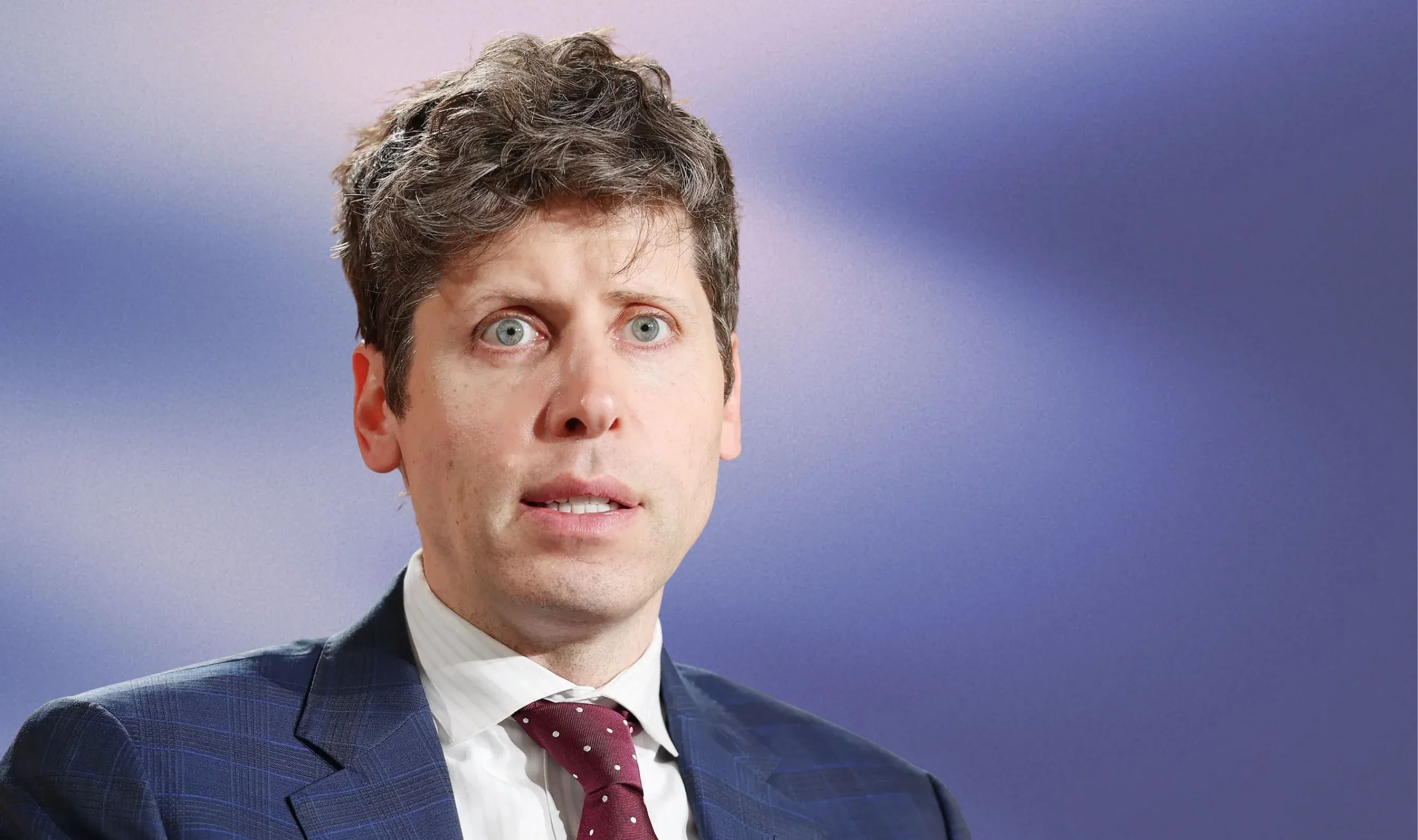
OpenAI CEO Sam Altman took the witness stand Tuesday and told a federal jury that Elon Musk wanted total control of the company he co-founded, including plans to hand it to his children after his death.
Testifying in Oakland, California, on the third week of Musk's civil trial against OpenAI, Altman described a conversation where co-founders asked Musk what would happen if he had control and died. Musk replied that control should pass to his children, Altman said.
"I didn't feel comfortable with that," Altman testified. The exchange cuts to the heart of Musk's lawsuit. The world's richest man accuses Altman and OpenAI President Greg Brockman of betraying the company's nonprofit mission by converting it into a for-profit corporation valued at $852 billion.
He's seeking Altman's ouster from leadership and more than $130 billion directed back to OpenAI's charitable arm.
Altman flipped the script. He said Musk wanted "total control" of any for-profit OpenAI entity from the start, promising to reduce that control over time.
Altman said he didn't believe Musk would follow through, based on his experience with startup founders rarely giving up power over a successful company.
"My belief is he wanted to have long-term control and that he would have had that had we agreed to the structure he wanted," Altman said. The trial has revealed that OpenAI's founding wasn't driven by altruism alone. Altman testified that one reason the group started the company was a shared belief that artificial general intelligence should not be controlled by any single person.
Musk's push for a controlling stake, according to OpenAI co-founder Ilya Sutskever, "just felt aggressive."
Musk's departure from OpenAI in 2018 was a "morale boost" for some researchers, Altman said. He testified that Musk's management style "demotivated" key staff by ranking their accomplishments and that Musk "didn't understand how to run a good research lab."
Under cross-examination from Musk attorney Steven Molo, Altman was pressed on his trustworthiness. Molo cited accusations from former OpenAI board members that Altman was dishonest, including a 2023 memo from Sutskever that characterized Altman's behavior as a "consistent pattern of lying."
Altman told the jury he considers himself "an honest and trustworthy businessperson." He described his brief ousting as CEO in 2023 as an "incredible betrayal" that was "very public and very painful."
"If I knew how difficult and painful this was going to be, I never would have tried," Altman said of his decade at OpenAI.
Musk, who donated roughly $38 million to OpenAI in its early days, testified last month that Altman and Brockman tried to "steal a charity." OpenAI has dismissed the lawsuit as a baseless attempt by a competitor to derail a rival.
Altman's testimony is expected to continue Wednesday, with closing arguments set for Thursday before jury deliberations begin.