
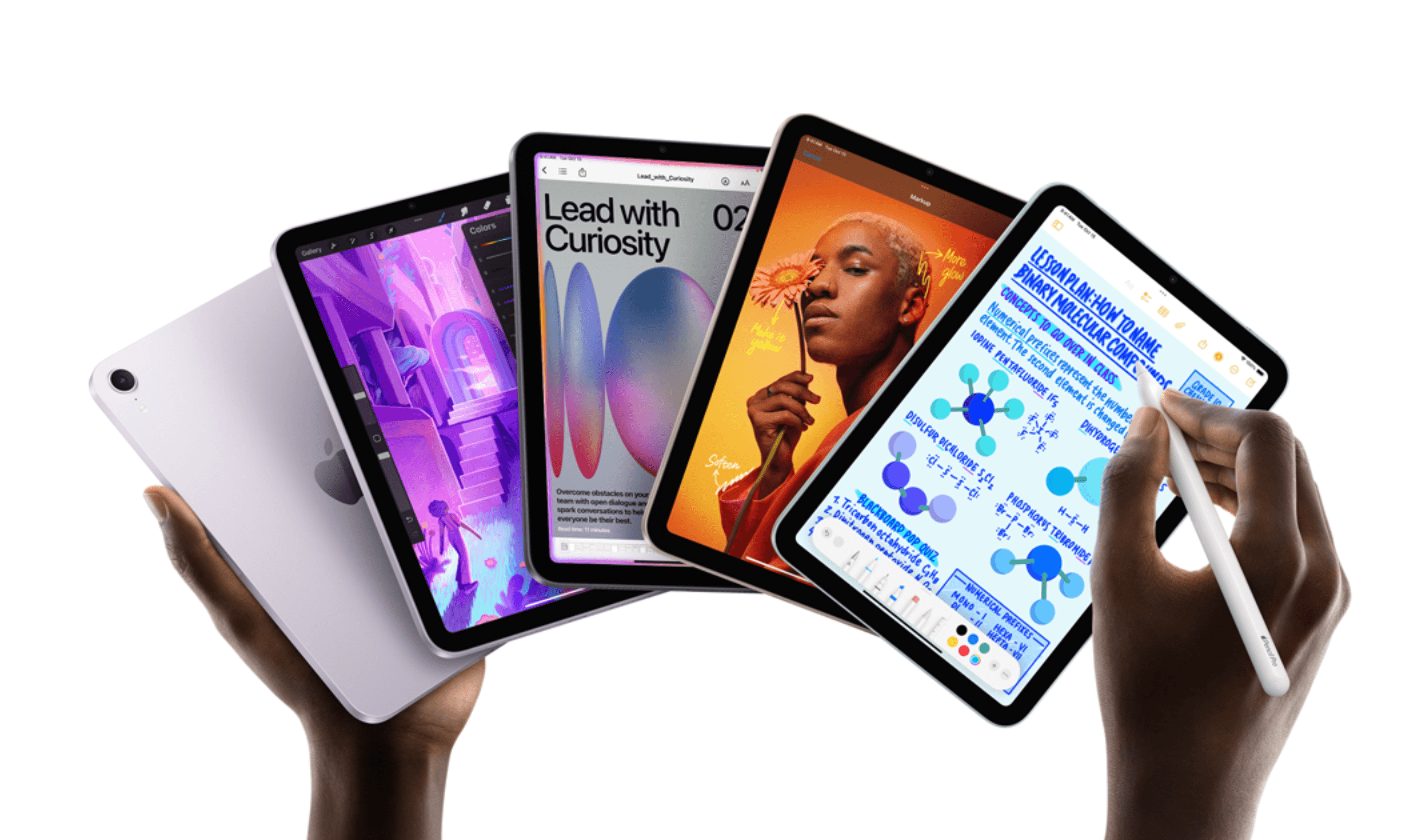
Apple's iPad shipments surged 16.5% in the final quarter of 2025, reaching 19.6 million units according to Omdia research. The company expanded its global tablet market share to 44.9%, gaining 2.6 percentage points from the previous year.
The holiday quarter delivered record iPad volumes, surpassing even pandemic-era peaks from 2022. Strong demand for the 11th-generation iPad and M5-powered iPad Pro models drove Apple's performance above broader market growth.
Global tablet shipments reached 162 million units in 2025, marking 9.8% annual growth. Fourth-quarter shipments hit 44 million units worldwide, matching the full-year growth rate at 9.8% year-over-year.
Apple's 16.5% quarterly growth significantly outpaced the overall market's 10% expansion. Samsung, the second-place vendor, saw shipments decline 9.2% to 6.4 million units during the same period.
Central and Eastern Europe emerged as the fastest-growing tablet market in 2025, followed by Asia Pacific. All regions except North America recorded double-digit annual growth, though holiday promotions helped moderate declines in the North American market.
"Seasonal holiday demand, combined with vendor pre-build activity ahead of anticipated memory constraints, provided a meaningful uplift to shipments in the final quarter," Mukka stated.
Himani Mukka, Omdia's research manager, noted that 2025 delivered the highest annual tablet shipment volume since 2020's pandemic-driven boom.
Lenovo posted the strongest growth among major vendors at 36.2%, shipping 3.9 million units in Q4 2025. However, Omdia attributed this expansion to "proactive shipment pull-in ahead of expected price increases" rather than sustainable market demand.
Huawei captured fourth position with 3 million units shipped and 14.8% growth, while Xiaomi completed the top five with 2.8 million units representing a 10.1% quarterly increase. Other manufacturers accounted for the remaining 18.3% of global shipments.
The tablet market's recovery follows three consecutive years of decline after the initial pandemic surge. Industry analysts now expect vendors to position tablets as ecosystem-centric devices with enhanced cross-platform functionality.
Memory supply constraints present significant challenges for 2026, according to Omdia's analysis. Vendors will need to balance competitive pricing against profitability as component availability tightens and prices increase.
Apple's collaboration with Google to integrate Gemini technology into Apple Intelligence features represents a strategic move toward enhanced AI capabilities across its device portfolio. This development aligns with broader industry trends toward more sophisticated tablet experiences.
Growth opportunities in 2026 are expected to concentrate around premium model replacement cycles in developed markets and education sector demand in emerging economies. The tablet market's post-pandemic stabilization suggests more selective expansion ahead.