
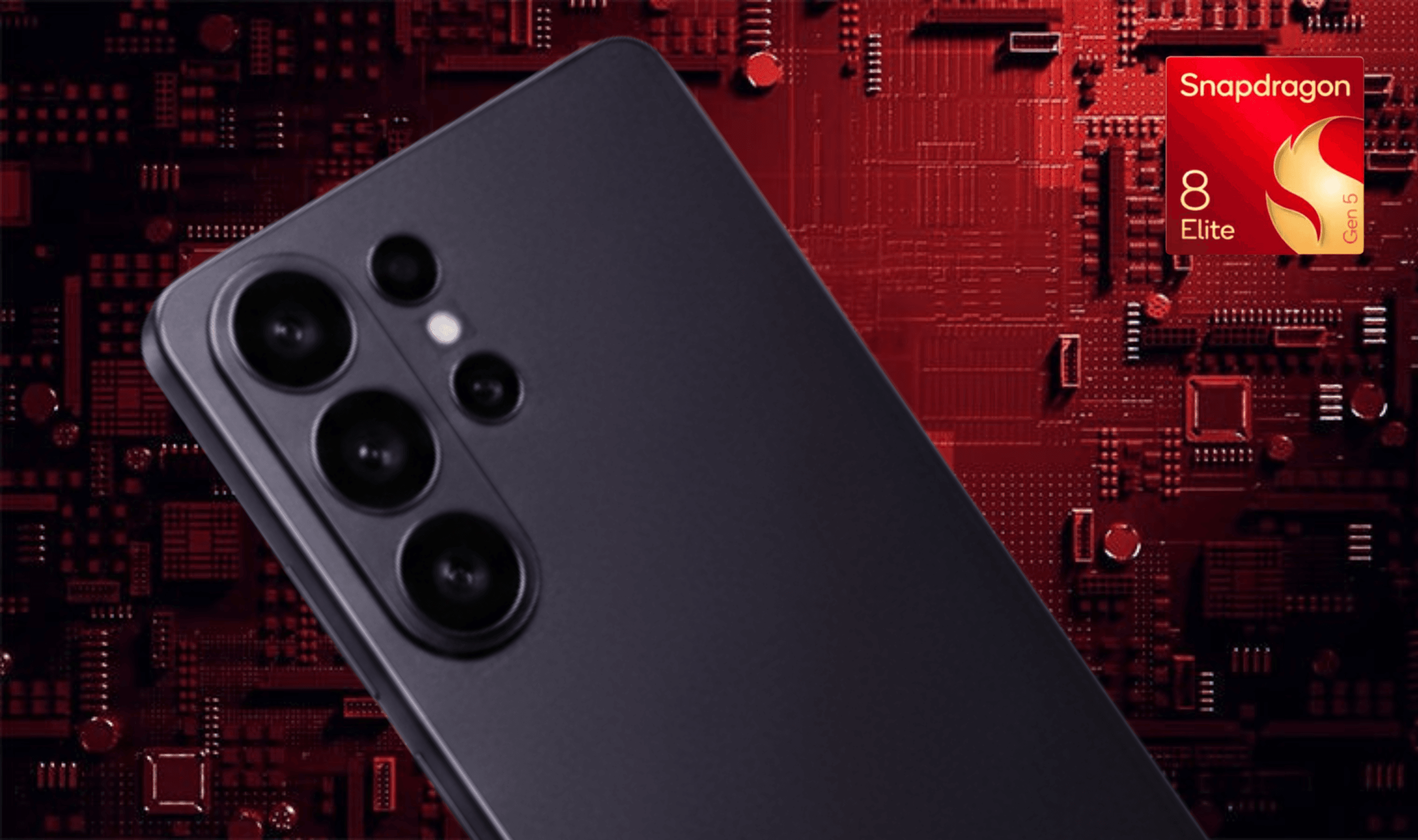
Samsung's Galaxy S26 Ultra has surfaced on Geekbench with a Snapdragon 8 Elite Gen 5 processor running at 4.74GHz, confirming the global variant will use Qualcomm's latest chipset. The benchmark listing, shared by leaker Tarun Vats, reveals the SM-S948B model scored 3,601 in single-core and 10,686 in multi-core tests.
The 4.74GHz clock speed represents a 3% increase over the standard 4.60GHz maximum frequency for the Snapdragon 8 Elite Gen 5. This overclocked configuration appears specifically designed for Samsung's flagship Ultra model, marking a continuation of the company's strategy to use custom-tuned Qualcomm processors in its top-tier devices.
According to the Geekbench data, the device tested was running Android 16, which will serve as the foundation for Samsung's upcoming One UI 8. The listing also confirms 12GB of RAM as standard configuration, maintaining Samsung's conservative approach to memory allocation for another year despite the increased processing power.
The global variant's Snapdragon confirmation comes as Samsung faces strategic decisions about its chipset roadmap. While some markets will reportedly receive Exynos 2600-powered models, the Ultra flagship appears committed to Qualcomm silicon worldwide.
This approach ensures consistent performance across regions but limits Samsung's ability to develop its own chip technology through flagship deployment.
Benchmark comparisons show the overclocked Snapdragon chip outperforms previously leaked Exynos 2600 results by approximately 8% in single-core tests. However, it falls behind in multi-core performance by about 6%, suggesting different optimization priorities between the two chipset architectures.
Samsung's Galaxy Unpacked event, expected on February 25, will officially reveal the S26 series lineup. The company typically announces its flagship smartphones in February, with the S26 Ultra positioned as the performance leader featuring the highest clock speeds and most advanced camera system in the lineup.
The Geekbench appearance follows recent leaks showing the S26 Ultra's design, which maintains the S25 Ultra's camera layout while adding thickness to accommodate larger sensors. Samsung continues to refine its flagship formula rather than implementing drastic redesigns, focusing on incremental improvements to the user experience.
Industry analysts note that Samsung's reliance on Qualcomm for its Ultra models creates a performance gap between regions. While global customers receive the overclocked Snapdragon variant, markets with Exynos models may experience different thermal characteristics and battery efficiency profiles.
The 4.74GHz clock speed represents one of the highest frequencies seen in mobile processors to date, pushing the boundaries of smartphone performance. This achievement comes as smartphone manufacturers increasingly compete on raw processing power, particularly for gaming and AI applications that benefit from higher clock speeds.
Samsung's decision to use an overclocked Snapdragon chip follows similar patterns from previous generations, where the company collaborated with Qualcomm on custom "for Galaxy" variants. These partnerships allow Samsung to differentiate its flagship devices while leveraging Qualcomm's established chip design expertise.
The Geekbench results provide the clearest indication yet of the S26 Ultra's performance capabilities ahead of its official unveiling. With the February 25 event approaching, Samsung appears poised to deliver another performance-focused flagship that maintains its position in the competitive premium smartphone market.