
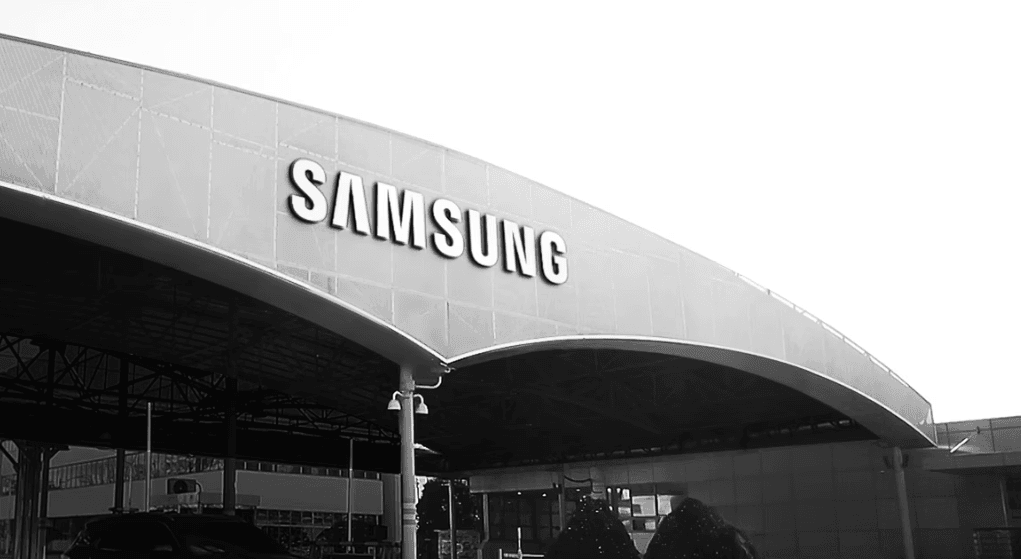
Samsung Electronics will double Galaxy AI deployment to 800 million devices this year as memory chip shortages threaten smartphone price increases. The company's co-CEO Roh Tae-moon confirmed the aggressive expansion ahead of the Galaxy S26 launch next month.
General-purpose DRAM prices have surged nearly sevenfold over the past year, with 8Gb DDR4 chips rising from $1.35 to $9.30 according to DRAMeXchange data. Samsung shares ended up 7.5% on Monday ahead of an expected fourth-quarter profit jump later this week, fueled by the same memory chip shortage that pressures smartphone margins.
"We're facing one of the harshest pricing situations in memory," Roh told global media at CES 2026 in Las Vegas. He warned that "smartphone price adjustments may be necessary" for the upcoming Galaxy S26, which debuts Samsung's 2-nanometer Exynos 2600 chip and enhanced AI features.
Samsung aims to ship 400 million new AI-powered devices across smartphones, TVs, and home appliances in 2026, bringing cumulative Galaxy AI deployment to 800 million units. The company had already rolled out AI features to approximately 400 million mobile devices by the end of 2025, primarily powered by Google's Gemini model.
Galaxy AI awareness among users jumped from 30 percent to 80 percent in just one year according to Samsung's internal surveys. The hybrid system combines Google's Gemini for generative tasks like image editing and summarization with Samsung's Bixby assistant for other functions.
"As this situation is unprecedented, no company is immune to its impact," Roh said about the memory chip shortage. He noted the crisis affects not only smartphones but also televisions and home appliances across the consumer electronics industry.
Market researchers including IDC and Counterpoint predict the global smartphone market will shrink next year as higher component costs drive up retail prices. Samsung lost its position as the world's top smartphone vendor to Apple in 2025 for the first time in 14 years, according to Counterpoint Research data.
The memory chip shortage creates a dual impact for Samsung. While boosting profits in its semiconductor division, the company's second-largest revenue source, it squeezes margins in the smartphone business that faces intense competition from Apple's iPhone 17 and Chinese manufacturers.
Samsung controls nearly two-thirds of the global foldable smartphone market but faces slower-than-expected growth in the segment it pioneered in 2019. Roh attributed the pace to engineering complexities and lack of applications designed for foldable formats, though he expects mainstream adoption within two to three years.
Apple is expected to launch its first foldable device this year, intensifying competition in the premium segment. Chinese manufacturers including Huawei continue to gain ground across global markets.
Samsung's AI acceleration comes amid heightened competition in foundational AI models. Google unveiled Gemini 3 in November with strong benchmark performance, prompting OpenAI CEO Sam Altman to reportedly issue an internal "code red" and accelerate GPT-5.2 development.
The company is working with suppliers on longer-term strategies to mitigate pricing impacts across its consumer electronics portfolio. Roh did not rule out product price increases but emphasized Samsung's focus on minimizing consumer impact while maintaining competitive positioning.
Galaxy AI represents Samsung's strategic bet that software intelligence, not just hardware design, will define the next phase of consumer electronics competition. The expansion strengthens Google's distribution advantage through Android's largest hardware partner while raising the bar for Apple's own AI rollout.