

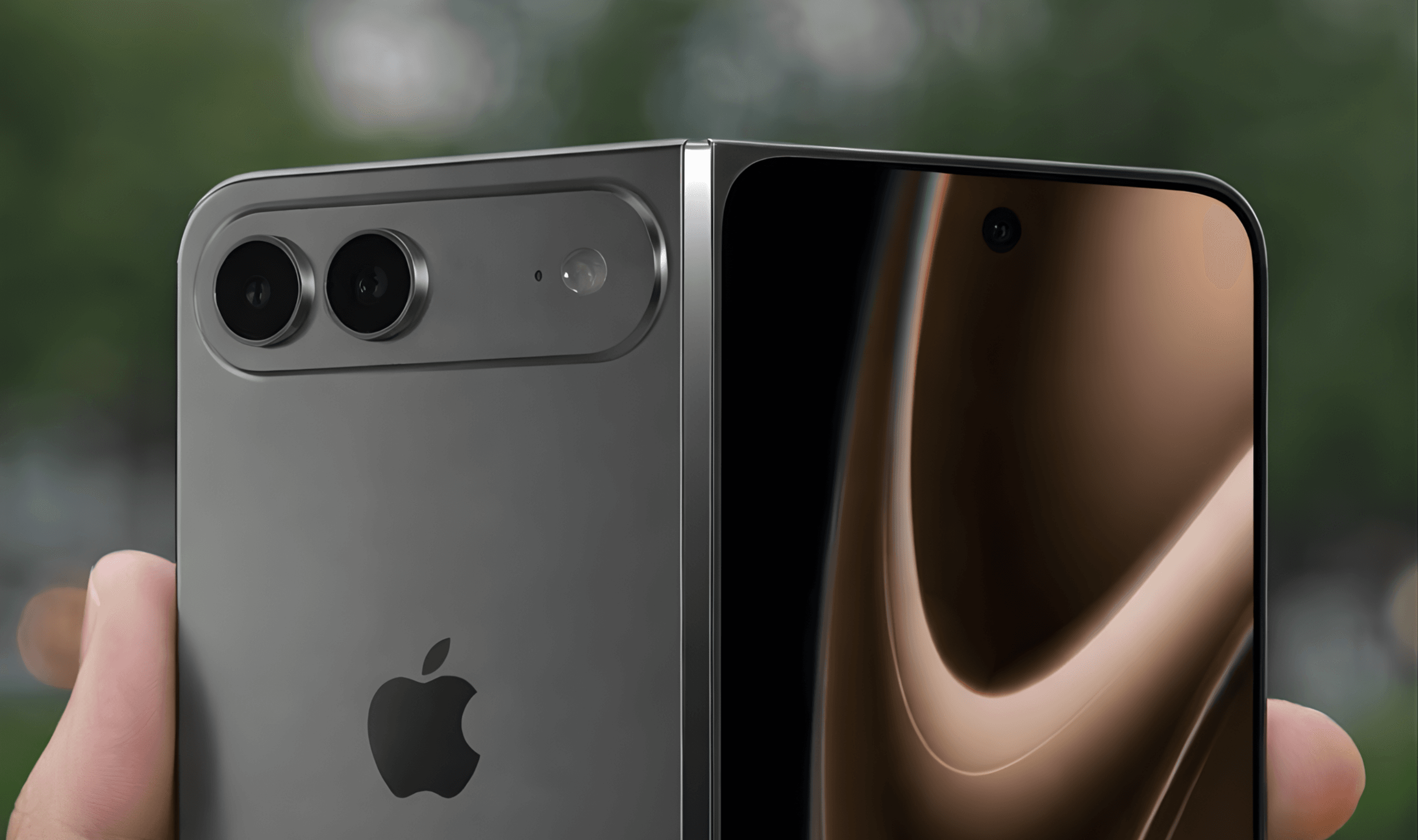
Apple's first foldable iPhone will reportedly feature a 5,500 mAh battery, the largest ever in an iPhone. The device, expected later this year, would surpass current iPhone battery capacity by nearly 10 percent.
According to GSM Arena and MacRumors, the iPhone Fold's 5,500 mAh cell exceeds the 5,088 mAh battery in the iPhone 17 Pro Max. Earlier rumors suggested a range between 5,400 and 5,800 mAh, with the latest leaks narrowing to 5,500 mAh.
The battery size addresses a key weakness in foldable smartphones. Current competitors like the Samsung Galaxy Z Fold 7 pack 4,400 mAh, while Google's Pixel 10 Pro Fold carries 5,015 mAh, according to Vietnamnet reports.
Apple's approach combines hardware expansion with software optimization. The company has historically prioritized efficiency through chip design rather than large battery cells, making this capacity jump notable.
Display specifications include a 7.8-inch inner screen and 5.5-inch cover display, positioning the device between smartphone and compact tablet. Camera hardware reportedly features dual 48-megapixel rear sensors and dual 18-megapixel front cameras.
Power comes from Apple's A20 Pro chipset with 12GB of RAM, placing the iPhone Fold among Apple's most powerful mobile devices. The combination of iOS efficiency and increased capacity could deliver superior battery life compared to Android foldables.
Design changes accompany the battery expansion. Leaks from Firstpost and ABP Live indicate volume buttons moving to the top edge, similar to iPad mini placement. The left side reportedly features no buttons, creating a cleaner aesthetic.
Internal layout prioritizes battery and display space. A stacked design allows maximum utilization for the foldable screen and power cell, according to design leaks circulating on Chinese microblogging platform Weibo.
Pricing remains premium, with estimates between $2,000 and $2,500. This would establish a new high for iPhone pricing, reflecting the device's advanced technology and manufacturing complexity.
Apple has not officially acknowledged the iPhone Fold project. However, consistent leaks from multiple sources suggest active development, with the company waiting for the foldable category to mature before entry.
The device represents Apple's response to growing foldable competition. By addressing battery life concerns that have plagued early adopters, Apple positions its entry as a refined alternative to current market offerings.
Release timing aligns with Apple's typical product cycles. The iPhone Fold could debut alongside iPhone 18 Pro models later this year, according to multiple industry reports.
Battery technology reportedly utilizes silicon-carbon cells for higher energy density. This allows increased capacity without significant thickness increases, maintaining Apple's design standards for slim devices.
Camera placement follows iPhone Air styling with a black camera plateau. The design reportedly features horizontally arranged lenses regardless of body color, offering only white and one additional color at launch.
The foldable market continues expanding despite adoption challenges. Apple's entry could accelerate mainstream acceptance, particularly if battery performance meets expectations set by traditional iPhones.
Component leaks indicate testing of multiple hinge prototypes. Apple aims to reduce visible creasing while maintaining balance when partially unfolded, addressing common complaints about current foldables.
Software optimization remains crucial for battery efficiency. iOS 26 enhancements, combined with Apple's chip architecture, could maximize the 5,500 mAh capacity for extended usage between charges.
Competitive pressure mounts as Android manufacturers refine foldable designs. Samsung's Galaxy Z Fold series and Google's Pixel Fold establish the category, but battery limitations persist across current models.
Industry analysts note Apple's conservative approach to new form factors. The company typically enters markets after technology matures, as seen with Apple Watch and AirPods product launches.
Supply chain reports confirm component orders for foldable displays. Manufacturing partners in Asia have begun production preparations, according to industry publications tracking Apple's supply network.
The iPhone Fold would represent one of Apple's most significant hardware departures in years, according to industry analysts. By combining large battery capacity with foldable technology, the company addresses both form factor innovation and practical usability concerns.
Market reception will depend on real-world battery performance. Early adopters have consistently cited limited endurance as a primary drawback in current foldable smartphones across all manufacturers.
Apple's entry could redefine foldable expectations. The company's reputation for product refinement and ecosystem integration may attract users hesitant about Android-based alternatives.
Technical specifications continue evolving through development cycles. Final production models may differ from current leaks, though core battery capacity appears consistent across multiple independent sources.
The foldable iPhone project reflects Apple's response to changing smartphone usage patterns. As consumers increasingly use devices for productivity and media consumption, larger screens and extended battery life become premium differentiators.
Manufacturing challenges include hinge durability and display protection. Apple's solutions will likely incorporate lessons from iPad and MacBook engineering, adapted for smartphone-scale components.
Pricing strategy considers both component costs and market positioning. At $2,000-plus, the iPhone Fold targets premium users willing to pay for cutting-edge technology and Apple ecosystem integration.
Battery capacity represents just one aspect of foldable optimization. Thermal management, power distribution, and charging efficiency all require engineering solutions for the dual-screen configuration.
Apple's timing coincides with foldable market expansion. The category represents the fastest-growing segment in premium smartphones, despite representing a small percentage of overall sales.
The iPhone Fold could establish new benchmarks for foldable performance. By addressing battery limitations that have constrained adoption, Apple positions its device as a practical daily driver rather than experimental technology.
Component suppliers report increased orders for foldable-specific parts. This includes specialized batteries, flexible displays, and reinforced hinge mechanisms designed for thousands of folding cycles.
Software adaptation remains critical for the dual-screen experience. iOS will need to optimize app behavior for both folded and unfolded states, ensuring seamless transitions between form factors.
Camera performance must match traditional iPhone standards. The dual 48-megapixel configuration suggests Apple aims for photography parity with its flagship non-foldable models.
Processor efficiency gains from the A20 Pro chipset could offset increased power demands. Apple's silicon design historically delivers performance improvements while managing thermal output and battery consumption.
Market positioning considers both iPhone upgrades and Android conversions. The device could attract users seeking larger screens without switching to tablets, while also appealing to Android foldable users wanting iOS integration.
Development timelines suggest Apple has worked on foldable technology for several years. Patent filings and component leaks indicate ongoing refinement before commercial release.
The 5,500 mAh battery represents Apple's largest hardware commitment to date. Combined with software optimization and efficient silicon, it could deliver the foldable endurance users have demanded since the category's inception.