


That "No SIM" or "Invalid SIM" message on your iPhone 14 can stop you in your tracks. It's usually a quick fix, often just a software hiccup or a bit of pocket lint causing trouble.
I'd start with the simplest solution first. Turn on Airplane Mode for about ten seconds and then turn it back off. You can do this from the Control Center by swiping down from the top right corner and tapping the airplane icon, or go into Settings and toggle it there.
This forces your phone to re-establish its connection to the cellular network and can clear up a temporary glitch. If that doesn't do it, a force restart is the next best step.
Force Restart Your iPhone 14
This is different from a normal restart and can fix deeper software issues that might be affecting the SIM card reader. On the iPhone 14, you press and quickly release the Volume Up button, then press and quickly release the Volume Down button.
Finally, press and hold the Side button. Keep holding it even when you see the power off slider. Let go only when you see the Apple logo appear on the screen.
It takes about 15 seconds from when you start holding the Side button. This process doesn't delete any of your data or settings.
Check and Clean the SIM Tray
If a restart didn't help, the issue might be physical. First, power your iPhone 14 off completely. Find the SIM ejector tool that came in the box, or use a small, unwound paperclip.
Insert it into the tiny hole on the left side of the phone to pop out the SIM tray. Carefully remove the SIM card and take a good look at it.
Check the gold contacts for any scratches, discoloration, or dirt. Give them a gentle wipe with a clean, dry, soft cloth. While the card is out, peek into the SIM tray slot inside the phone.
Use a can of compressed air to blow out any dust, or very carefully use a dry wooden toothpick to dislodge any packed lint. Don't use anything metal, as it could damage the delicate pins inside.
Once everything looks clean, reinsert the SIM card, making sure it's seated correctly in the tray, and push the tray back in until it clicks. Turn your phone back on.
Update Your iOS Software
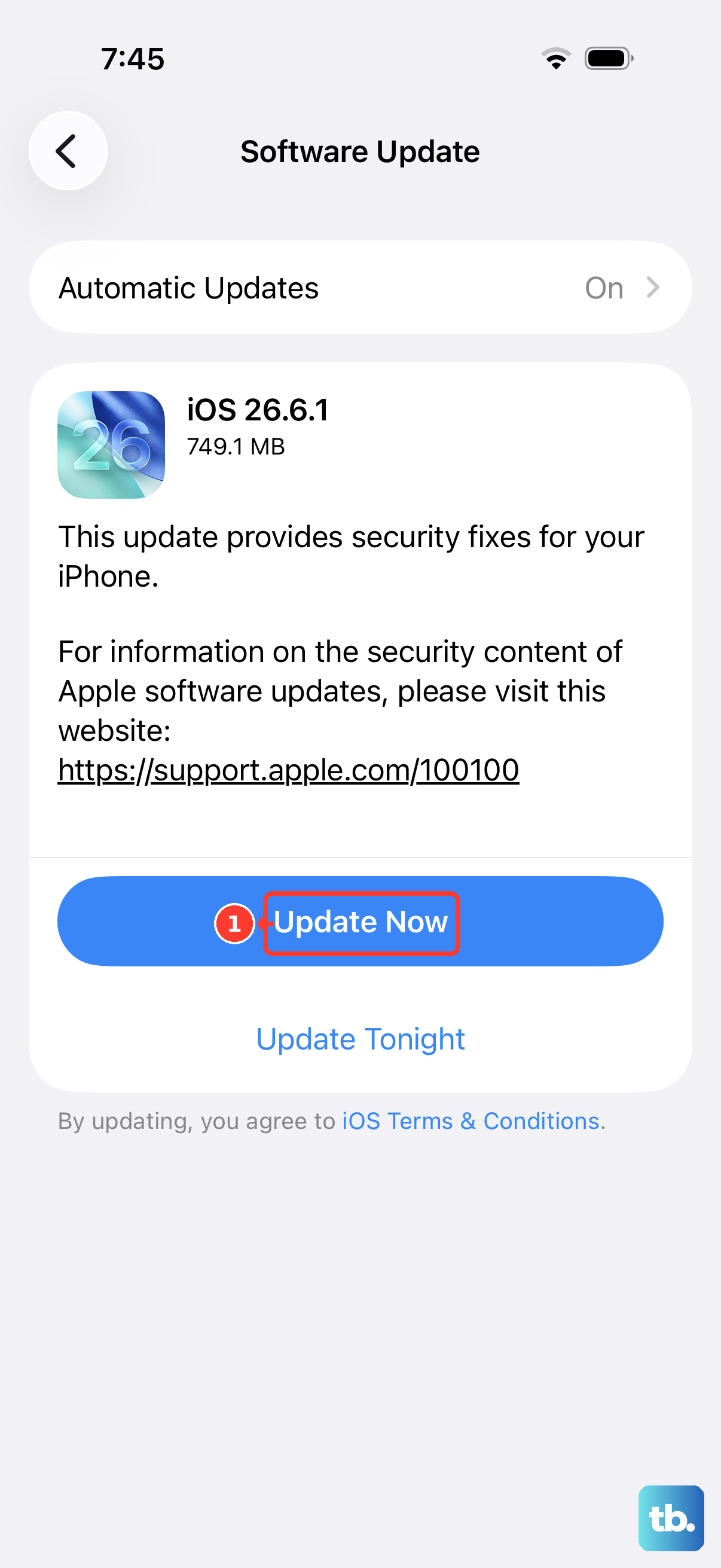
Software bugs can sometimes cause the SIM to not be recognized. Apple frequently releases updates that fix these kinds of issues. Go to Settings > General > Software Update.
If an update is available, tap "Download and Install." Make sure your iPhone is connected to Wi-Fi and has plenty of battery life, or plug it into a charger. I've seen updates resolve persistent "No SIM" errors, especially after a major iOS release.
Reset Your Network Settings
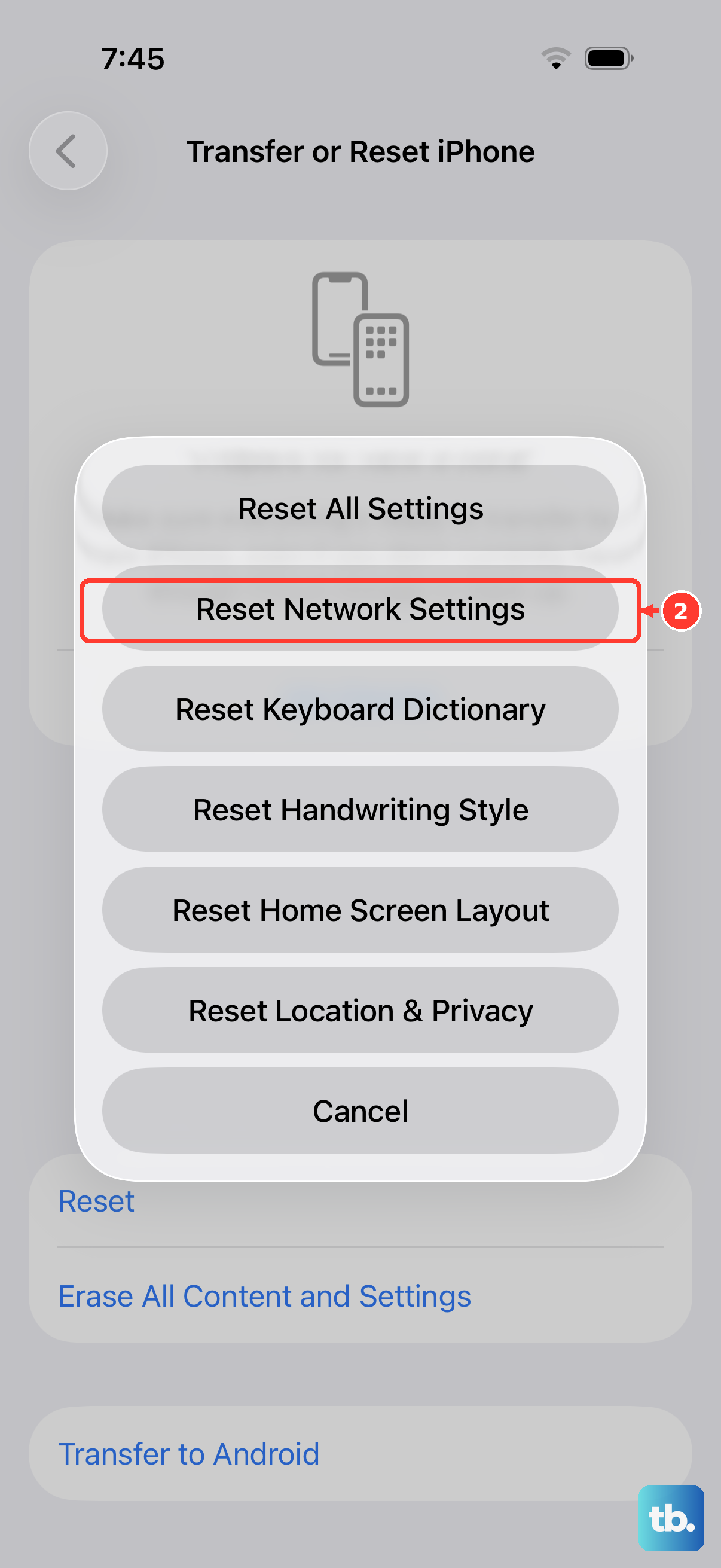
This is a stronger step that clears out all your saved network information. It will erase your Wi-Fi passwords, Bluetooth pairings, and cellular network settings, but it won't touch your personal data like photos or messages.
To do this, open Settings, go to General, and scroll down to Transfer or Reset iPhone. Tap on Reset, and then choose Reset Network Settings.
You'll need to enter your passcode to confirm. After the phone restarts, you'll have to reconnect to Wi-Fi networks and re-pair Bluetooth devices, but it often fixes stubborn cellular connection problems.
Try Your SIM Card in Another Phone
This is the best way to figure out if the problem is with your SIM card or with your iPhone 14 itself. If you have access to another unlocked phone, power it off and insert your SIM.
If the other phone also shows "No SIM" or can't get a signal, then the SIM card itself is likely faulty or deactivated. You'll need to contact your carrier, like Verizon, AT&T, or T-Mobile, to get a replacement SIM.
They can usually activate a new one for you quickly. If the SIM works perfectly in the other phone, then the issue is with your iPhone.
Check for a Carrier Settings Update
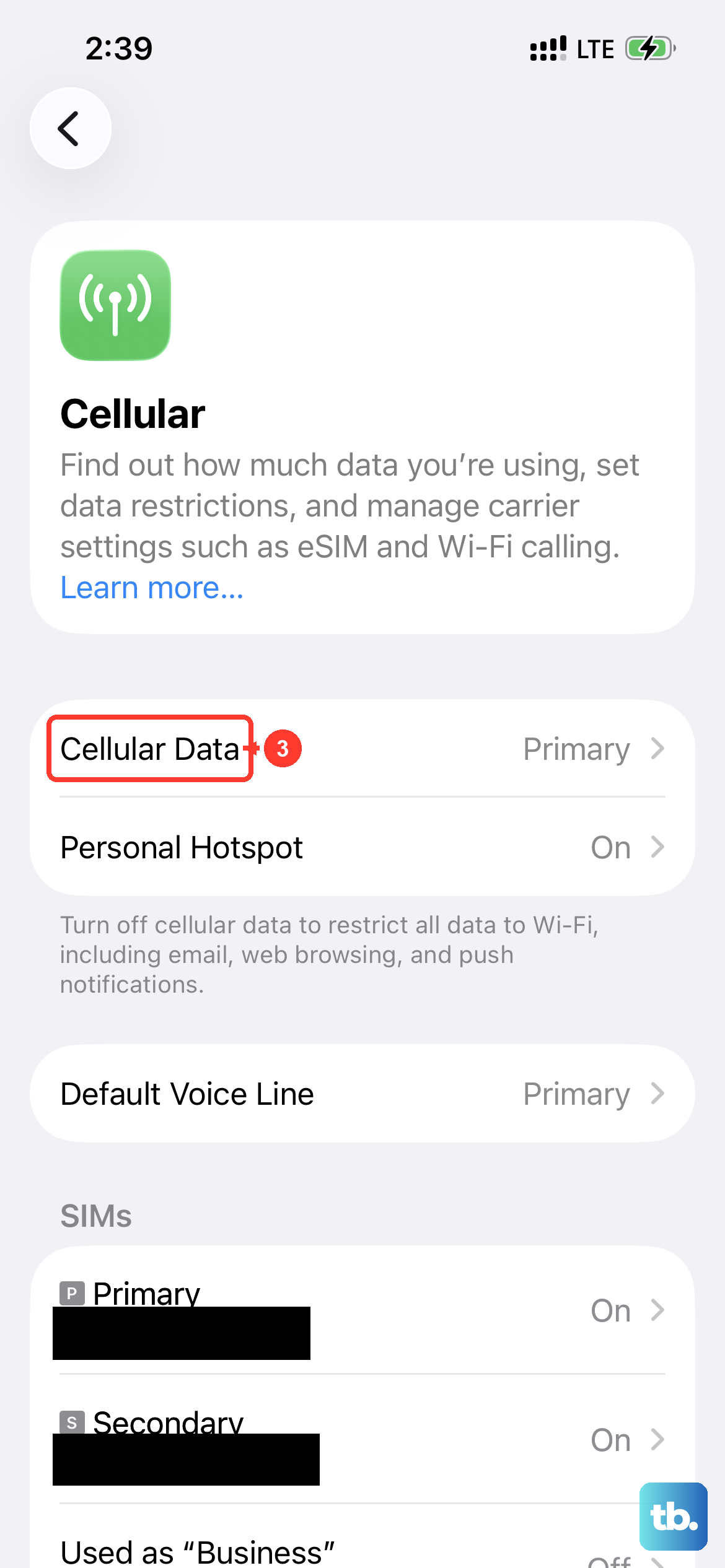
Your carrier occasionally pushes small updates that help your iPhone connect to their network properly. These updates happen automatically, but sometimes they need a prompt.
Make sure your iPhone is connected to Wi-Fi or has a cellular data connection. Then, go to Settings > General > About.
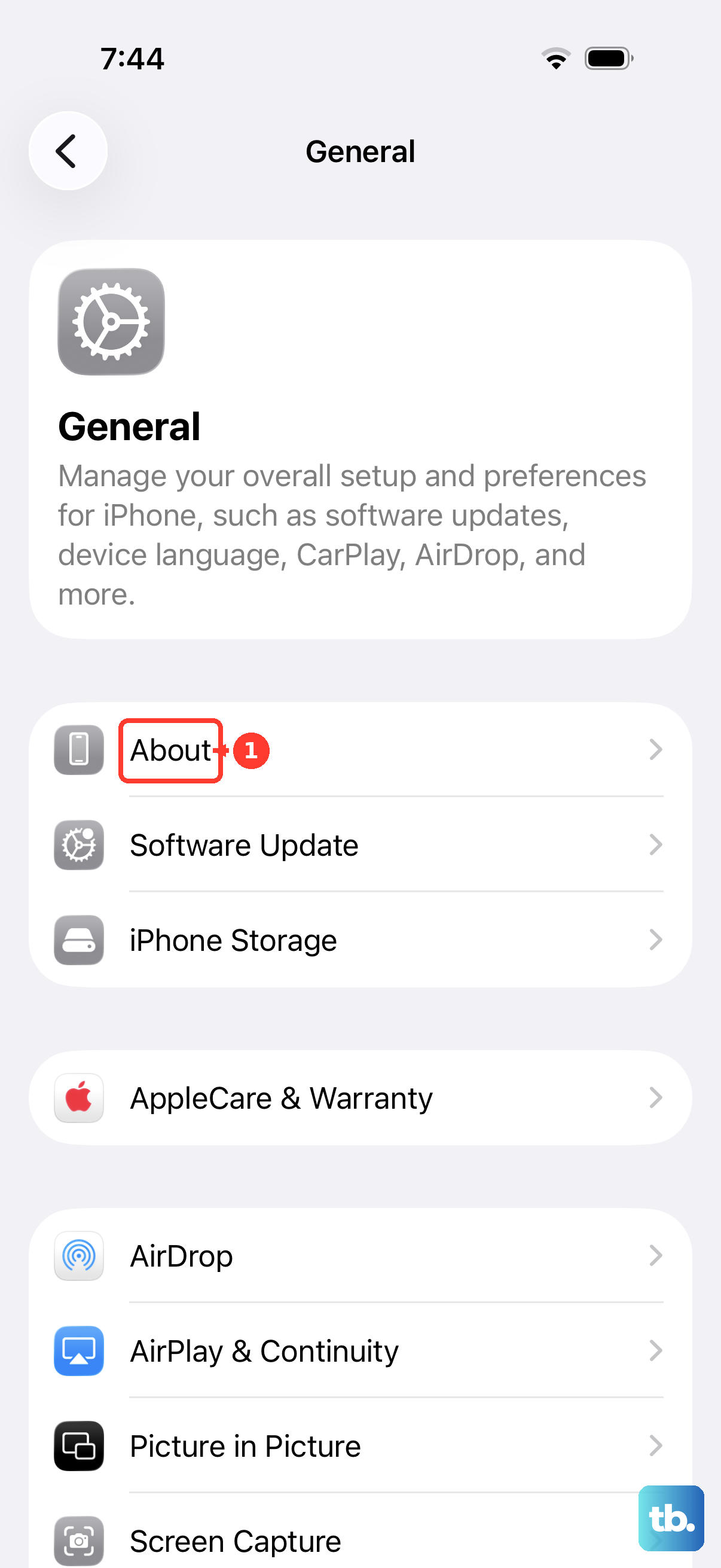
If a carrier settings update is available, a pop-up message will appear asking you to update. Tap "Update." This only takes a moment and doesn't require a restart.
Consider Switching to eSIM
The iPhone 14 supports eSIM, which is a digital SIM card built into the phone. If your physical SIM tray is damaged or you keep having issues, moving to an eSIM can be a permanent solution.
You'll need to contact your carrier to transfer your phone number to an eSIM. They will guide you through the process, which usually involves scanning a QR code in your Settings > Cellular menu.
Once activated, you won't need a physical SIM card at all. This also frees up your SIM tray if you travel and want to use a local physical SIM card.
Remove and Re-Add Your Cellular Plan
For both physical SIM and eSIM, you can try removing the cellular plan from your phone's settings and adding it back. Go to Settings > Cellular.
Tap on your cellular plan, then tap Remove Cellular Plan. Confirm that you want to remove it. After it's gone, you'll need to reinsert the physical SIM or contact your carrier to reactivate your eSIM profile.
This essentially gives the connection a completely fresh start from your phone's perspective.
Contact Apple Support
If you've tried everything here and your SIM card works in another phone, the problem could be with the internal SIM card reader in your iPhone 14. This is a hardware issue that requires repair.
Since the iPhone 14 uses a Lightning port, it's also worth noting that corrosion from moisture in the port can sometimes interfere with related components, though this is less common. You can start by visiting Apple's Support website to run diagnostics or schedule an appointment at an Apple Store or with an Authorized Service Provider.