
Seeing "No Service" or "Searching..." in the corner of your iPhone 14 is a real headache. It means your phone can't find a cellular signal, so calls, texts, and mobile data are out. The good news is this is almost always something you can fix yourself in a few minutes.
I'd start with the simplest solution, which often works right away.
Toggle Airplane Mode and Restart
First, swipe down from the top-right corner to open Control Center and tap the airplane icon to turn on Airplane Mode. Wait about 15 seconds, then tap it again to turn it off. This forces your iPhone 14 to disconnect from and then reconnect to the cellular network.
If that doesn't do it, give your phone a quick restart. Sometimes a temporary software glitch is the culprit, and a reboot clears it right up.
Check for a Carrier Settings Update
Your carrier occasionally pushes small updates that fine-tune network connectivity. To check, make sure you're connected to Wi-Fi, then go to Settings > General > About.
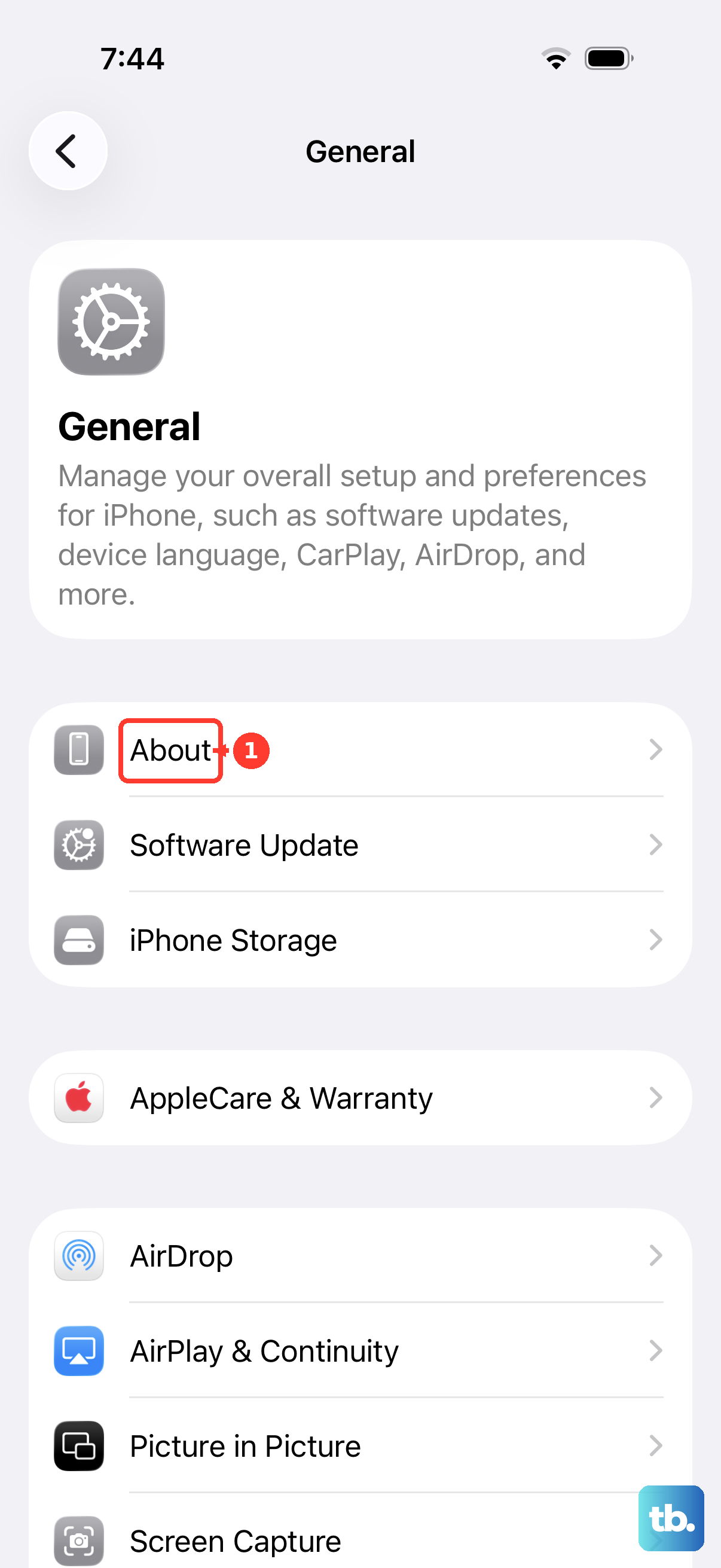
If an update is available, a prompt will appear on this screen. Just tap "Update" and follow the instructions. It only takes a moment and doesn't affect your personal data.
Re-insert Your SIM Card
The SIM card tray on the iPhone 14 is on the left side. Grab the SIM ejector tool that came in the box (or a small paperclip) and gently push it into the tiny hole. The tray will pop out.
Remove the SIM card, give both the card and the tray's contacts a quick visual check for dust or damage, then carefully reinsert everything. Push the tray back in until it clicks. This can reseat a connection that's become slightly loose over time.
Update Your iOS Software
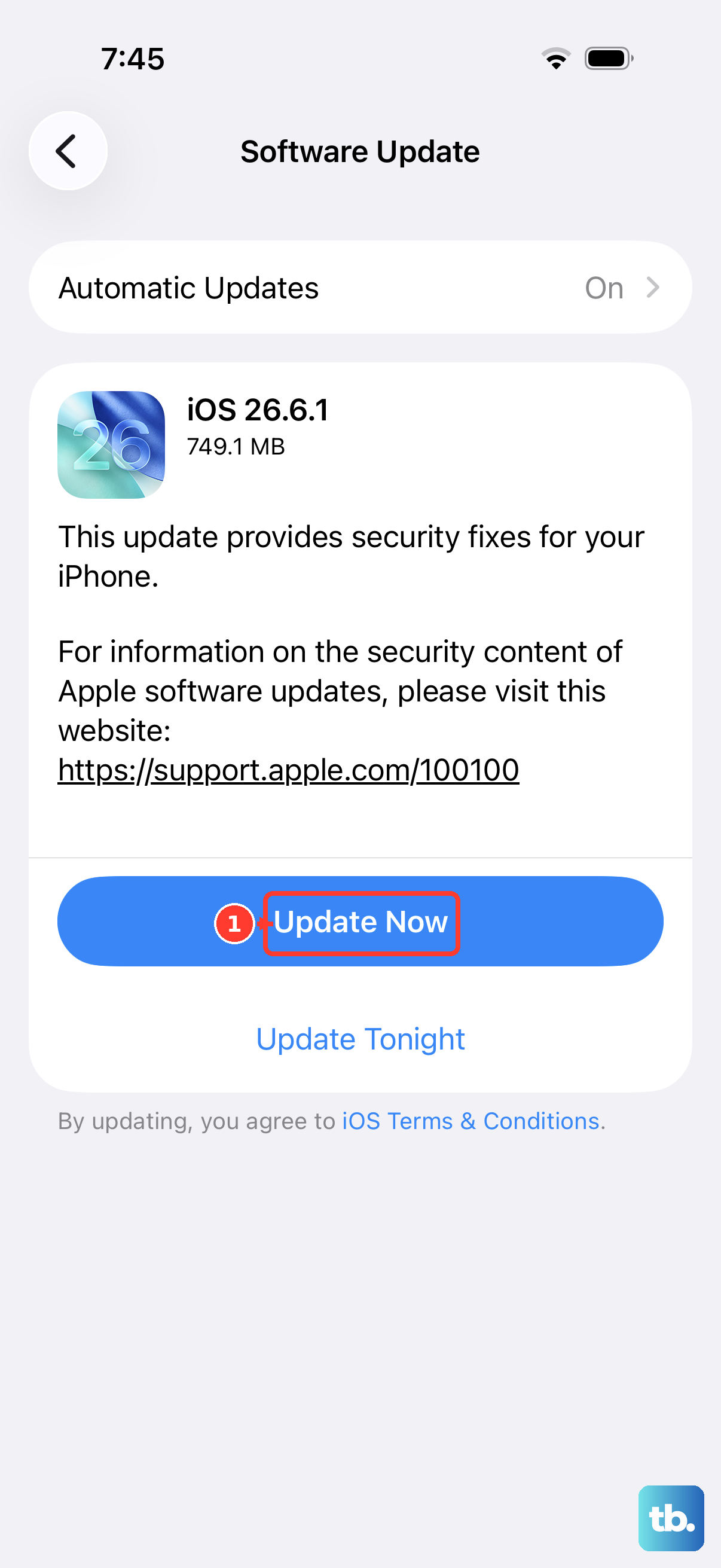
Apple regularly releases iOS updates that include bug fixes for connectivity issues. Go to Settings > General > Software Update.
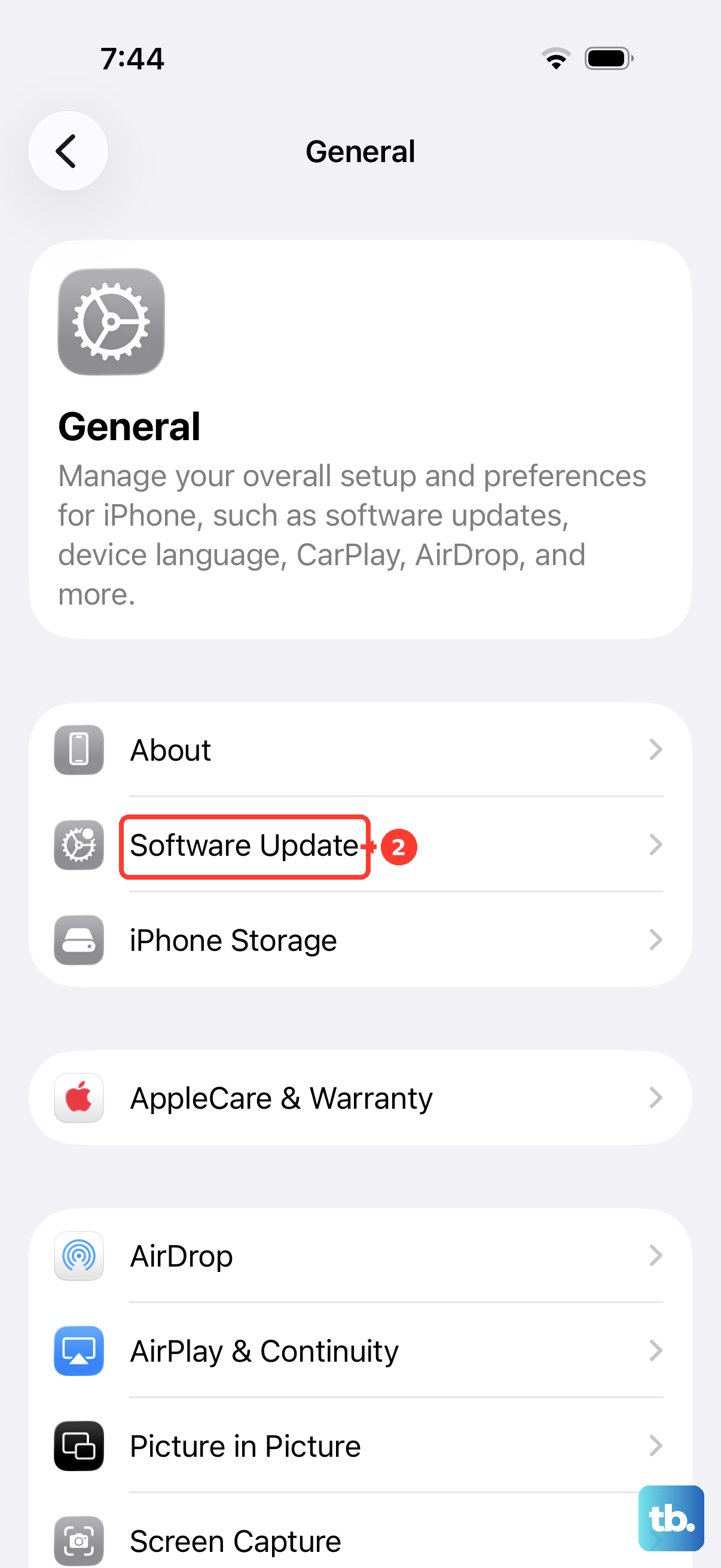
If an update is listed, tap "Download and Install." It's best to do this over Wi-Fi and while your phone is charging. I've seen this resolve persistent "No Service" problems that popped up after a previous update.
Reset Your Network Settings
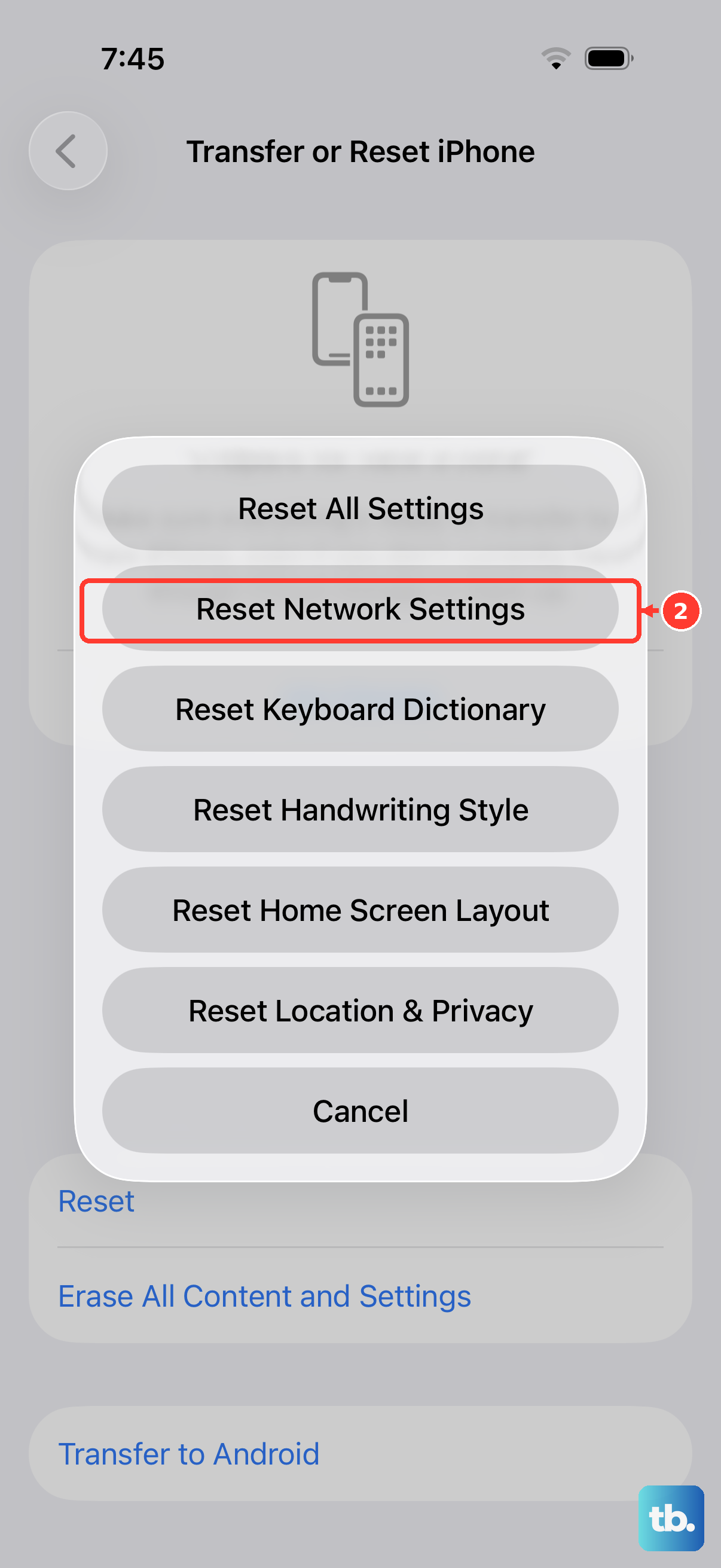
This is a more thorough step that clears out all your saved network configurations. It will forget Wi-Fi passwords and Bluetooth pairings, but it won't touch your photos, apps, or messages.
To do it, open Settings > General > Transfer or Reset iPhone. Tap "Reset" at the bottom, then choose "Reset Network Settings." You'll need to enter your passcode to confirm. After your phone restarts, you'll need to reconnect to Wi-Fi networks and re-pair Bluetooth devices.
Manually Select Your Carrier
Your iPhone usually picks the best network automatically, but sometimes it gets stuck. You can force it to look again. Go to Settings > Cellular.
Tap "Network Selection" and turn off "Automatic." Your phone will search for a minute, then display a list of available carriers. Select your own carrier from the list. After it connects, you can go back and turn "Automatic" selection on again.
Check for a Service Outage
Before digging deeper into your phone, it's worth checking if the problem is on your carrier's end. Service outages do happen. A quick way to check is to visit your carrier's website on a computer or another phone, or check their official account on a social media site like X (formerly Twitter).
You can also try calling a friend who uses the same carrier to see if they're having issues too.
Try Your SIM Card in Another Phone
This test helps figure out if the problem is with your SIM card or your iPhone itself. If you have access to another unlocked phone, power it off, insert your iPhone 14's SIM card, and turn it back on.
If the other phone also shows no service, the issue is likely with the SIM card or your carrier account. If the other phone gets a signal just fine, the problem is probably with your iPhone 14.
Contact Your Carrier for Support
If you've gotten this far, your carrier's support team can help with the next steps. They can check your account status from their side to make sure everything is active and in good standing.
They can also run a diagnostic on your line and, if needed, provision a new SIM card for you. SIM cards can wear out or fail, and getting a free replacement from your carrier is a common fix.
Perform a Force Restart
A force restart is different from a normal shutdown and can clear more stubborn glitches. On the iPhone 14, you press and quickly release the Volume Up button, then press and quickly release the Volume Down button.
Finally, press and hold the Side button (on the right) until you see the Apple logo appear, then let go. This doesn't erase any data, it just gives the system a fresh start.