Some warmth is normal when your Android phone is gaming, recording video, navigating, or fast charging, because the processor and battery are working hard. It becomes a real problem when the phone gets uncomfortable to hold, slows down, dims itself, stops charging, or shows a heat warning and shuts down to protect itself.
This guide works on Samsung Galaxy, Google Pixel, and most other Android phones. The fixes below are ordered from the fastest cooldown to the deeper repairs, so start at the top and work your way down until your phone settles back to a normal temperature.
Read more - Fix Android Won't Turn On Or Stuck on Samsung Logo Screen
Overheating Causes and Quick Fixes at a Glance
Use this table to match the symptom to the likely cause and the fastest thing to try. Each fix is covered in detail further down.
| Cause | Quick fix | Time |
|---|---|---|
| Heavy gaming or video | Close the app, let the phone rest | 2 to 5 min |
| Hot while charging | Unplug, remove case, use the original charger | 1 min |
| Background apps | Clear recents, limit background usage | 2 min |
| High brightness | Lower brightness, turn on adaptive brightness | 1 min |
| Direct sun or hot car | Move to a cool, shaded, ventilated spot | 5 to 15 min |
| Buggy app or update | Update the app and Android, or boot safe mode | 5 to 20 min |
| Swollen or failing battery | Stop using it, get the battery replaced | Service visit |
Stop What You Are Doing and Let It Cool
The single fastest fix is to stop the activity that is generating the heat. Close the game, camera, or streaming app, and if the phone is plugged in, unplug it right away.
Move the phone to a cooler, shaded, well ventilated place and set it on a hard surface like a table rather than a bed, sofa, or pillow. Soft surfaces trap heat against the back of the phone and stop it from cooling.
Give it a few minutes untouched. Both Google and Samsung advise that when a phone gets too hot you should disconnect it from power, move it somewhere cooler, and not use it until it has cooled down.
Close Background Apps and Limit Their Activity
Apps left running in the background keep using the processor, GPS, and data, which all add heat. Swipe up from the bottom of the screen to open recent apps, then swipe each card away to fully close them.
On Samsung Galaxy phones you can stop unused apps from waking up. Go to Settings > Battery and device care > Battery > Background usage limits and turn on Put unused apps to sleep. You can also add specific apps under Deep sleeping apps.
On Pixel and other Android phones, open an app's page under Settings > Apps, select the app, and look for the Battery or background usage option to restrict it.
Lower Brightness and Turn On Adaptive Brightness
A bright screen is one of the biggest heat sources on a phone. Pull down the quick settings panel and drag the brightness slider down, especially when you are outdoors or gaming.
On a Pixel, go to Settings > Display & touch > Brightness level to adjust it. On a Galaxy, open Settings > Display and lower the slider there.
Turning on Adaptive brightness lets the phone match the screen to your surroundings instead of running full brightness all the time, which keeps heat down and saves battery.
Turn Off Radios You Are Not Using
Wi-Fi, Bluetooth, GPS, and mobile data constantly scan for connections, and that scanning generates heat. Disable any of them you do not need from the quick settings panel.
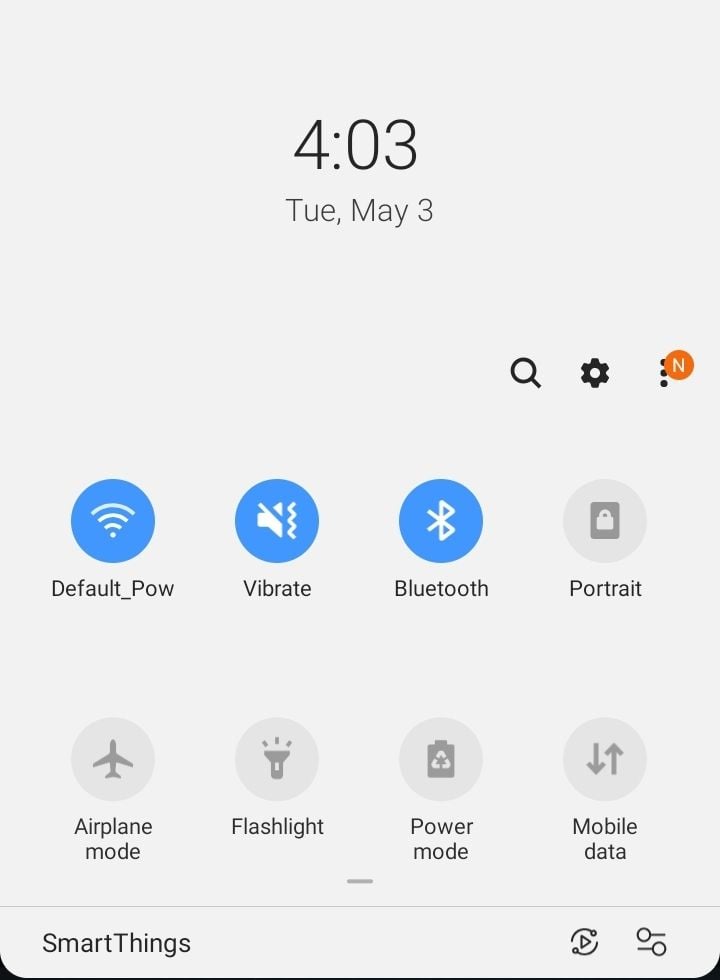
Where you have a choice, prefer Wi-Fi over mobile data, since Google notes that Wi-Fi tends to run cooler than a cellular connection. In areas with weak signal your phone works harder to stay connected, so switching on Airplane mode for a while can give it a real break.
Remove the Case While It Cools or Charges
A case traps heat and blocks airflow, which slows cooling. If the phone feels unusually warm, take the case off so heat can escape from the back and sides.
This matters most during charging. Thick rugged, leather, wallet, and battery cases hold the most heat, so remove them while the phone tops up and put them back once it is cool.
Stick to manufacturer approved cases for everyday use, since poorly designed cases can trap heat even during normal tasks.
Charge the Right Way
Charging always produces some heat, and Samsung points out it can feel warmer with Super Fast Chargers and wireless chargers. A few habits keep that heat in check.
- Use the original charger and cable, or a certified one from a trusted brand. Cheap adapters can deliver unstable power and run hotter.
- Take the case off and charge on a hard, flat surface, not on a bed or under a pillow.
- Do not game, stream, or navigate while charging, since that doubles the load and the heat.
- For wireless charging, keep metal objects, magnets, and cards off the pad.
Stop Fast Charging When the Phone Runs Hot
Fast charging pushes more power and creates more heat than standard charging. If your phone gets hot every time it charges, switching to a slower charge can keep temperatures down.
On a Galaxy, go to Settings > Battery and device care > Battery > More battery settings and turn off the fast charging options. The phone will charge more slowly but stay cooler.
On phones without that toggle, simply using a standard charger instead of a fast charger has the same cooling effect.
Lower the Refresh Rate and Resolution During Heavy Use
A high refresh rate keeps the display redrawing many more times per second, which uses more power and adds heat during long gaming sessions. Dropping to the standard rate helps.
On a Galaxy, the setting is called Motion smoothness. Go to Settings > Display > Motion smoothness and choose Standard for a 60 Hz screen, which Samsung lists as the best option for battery life. Switch back to High when you are done.
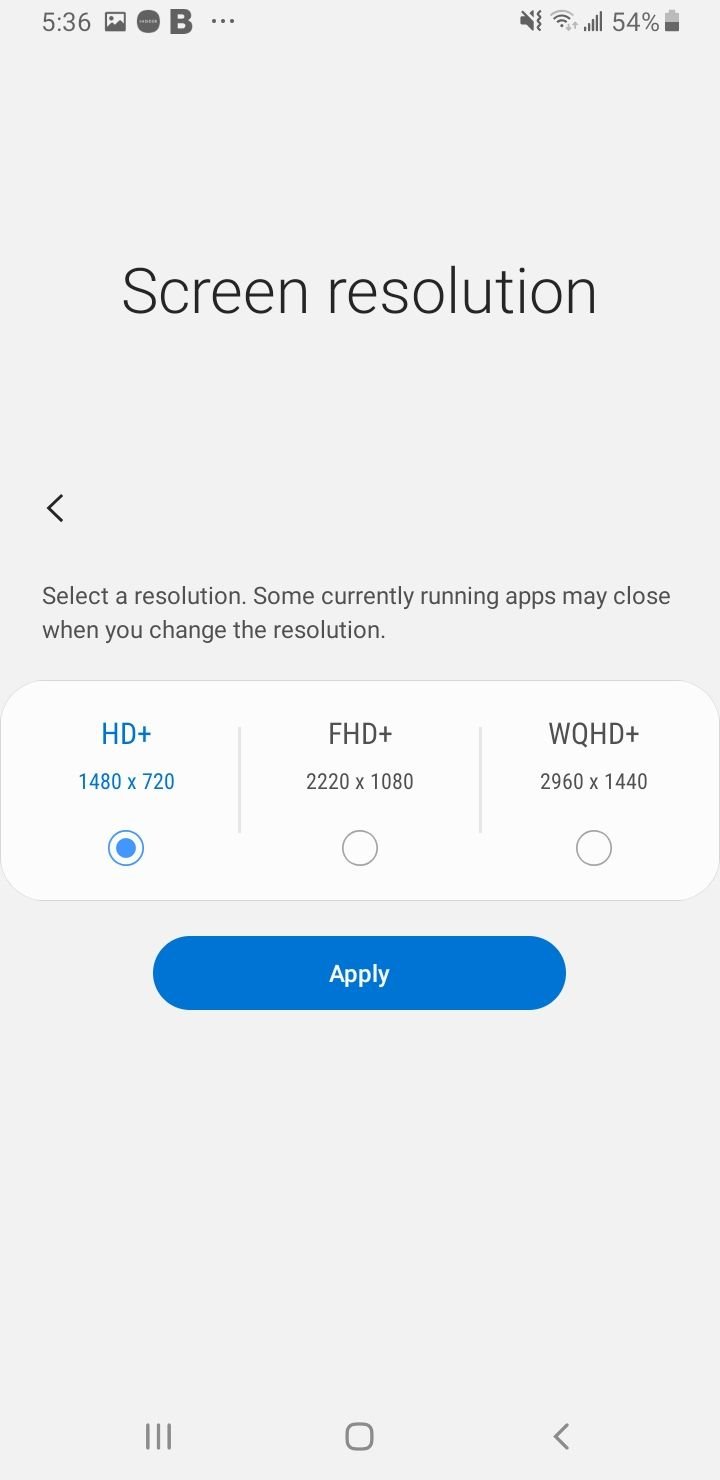
Many higher end phones also let you lower the screen resolution under Settings > Display > Screen resolution. Picking FHD+ instead of the highest setting eases the load on the graphics processor.
Use Power Saving and Reduce Screen Timeout
Power saving mode cuts background activity and dials back performance, which lowers heat output when your phone is struggling. On most Androids you can switch it on from quick settings, or under Settings > Battery.
A shorter screen timeout keeps the display from staying lit when you are not looking at it. Set it to 15 or 30 seconds under Settings > Display > Screen timeout.
Turning on Dark mode under Settings > Display also helps a little on phones with OLED screens, since darker pixels draw less power.
Find the App That Is Draining the Battery
One misbehaving app can keep the processor busy and heat the phone even when the screen is off. Your battery settings show which apps are using the most power.
- 1.Open Settings > Battery.
- 2.Tap into the usage or Battery usage screen to see the list.
- 3.Note any app using far more than the rest, then update it or uninstall it.
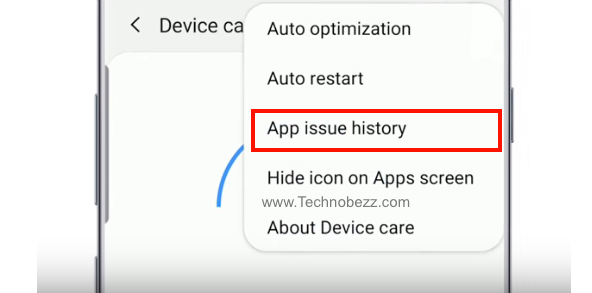
If you keep an app you suspect, restrict its background use from its page under Settings > Apps so it cannot run wild while you are not in it.
Update Your Apps and Android Software
Outdated apps and an old Android build often cause heat because of bugs that updates fix. Keeping everything current is one of the most reliable long term fixes.
Open the Play Store, tap your profile icon, choose Manage apps & device, and update everything with a pending update. Then check Settings > System > System update on most phones, or Settings > Software update on a Galaxy, and install anything available.
Note that the phone often runs warm during an update or first time setup, which is normal. Let it finish, then it should settle down.
Clear Cached Data and Free Up Storage
A phone that is low on storage works harder and can run hotter. Clearing cached files frees space and clears out temporary data that may be causing trouble.
To clear a single app's cache, go to Settings > Apps, pick the app, tap Storage and cache, then tap Clear cache. This is safe and does not delete your account or content.
Restarting the phone afterward clears temporary processes from memory and gives it a fresh start, which often cools down a phone that has been running warm for a while.
Boot Into Safe Mode to Test for a Bad App
Safe mode starts your phone with only the built in apps running, so if the heat stops there, a downloaded app is the cause. It is the cleanest way to confirm a software culprit.
On most Androids, press and hold the power button, then touch and hold the Power off option until the safe mode prompt appears and confirm. On a Galaxy you long press the Power off icon and tap Safe Mode.
If the phone stays cool in safe mode, restart normally and uninstall recently added apps one at a time until the overheating is gone.
Factory Reset as a Last Resort
If nothing else works and the phone still overheats during ordinary use, a factory reset wipes the software back to a clean state and clears out deep software issues. Back up your photos, contacts, and files first, because this erases everything.
Go to Settings > System > Reset options > Erase all data (factory reset), then confirm and enter your PIN or pattern when asked. On a Galaxy the path is Settings > General management > Reset > Factory data reset.
Set the phone up as new at first rather than restoring every app immediately, so you can confirm the heat is gone before adding software back.
Check for a Swollen or Failing Battery
If the back of the phone bulges, the screen lifts at the edges, or the phone gets dangerously hot even when idle, the battery may be swelling. This is a safety issue, not a software bug.
Stop using the phone and do not charge it. Do not press the back flat, puncture the battery, or put the phone in a freezer or refrigerator, since rapid cooling causes condensation and a swollen cell can leak or catch fire.
Set the phone on a hard, non flammable surface away from heat and people, and take it to a certified technician or service center for battery replacement. On a Pixel 6a or newer you can also run a quick check under Settings > Battery > Battery diagnostics.
Galaxy and Pixel Specific Tips
On Samsung Galaxy phones, run the built in tune up by going to Settings > Battery and device care and tapping Optimize now. It closes background apps, frees memory, and can calm a phone that is running warm.
Samsung also notes that Galaxy phones are designed to run best between 32 and 95 degrees Fahrenheit, and that some features may temporarily pause on their own to protect the device when it gets too hot. If that happens, let it cool rather than forcing it.
On Pixel phones, Settings > Battery > Battery diagnostics gives you a temperature read and tips when the phone is very warm, which is the quickest way to confirm whether the heat is normal or not.
Frequently Asked Questions
Is it normal for my Android phone to get warm while charging?
Yes, some warmth is normal, especially with fast charging or wireless charging, because pushing power into the battery creates heat. It is only a concern if the phone gets uncomfortably hot, stops charging, or shows a heat warning. Removing the case and not using the phone while it charges keeps the temperature in a safe range.
Why does my phone overheat while gaming?
Demanding games keep the processor and graphics chip running near full power for long stretches, which generates heat. Playing with high brightness, a high refresh rate, and mobile data on, or while charging, makes it worse. Lowering brightness, dropping to the standard refresh rate, and not charging while you play all help a lot.
Can overheating damage my phone's battery?
Repeated high heat does wear out a lithium battery over time, so the phone may lose charge faster or shut down early. Sustained heat can also stress the processor and other internal parts. Keeping the phone cool during charging and heavy use is the best way to protect long term battery health.
What temperature is too hot for an Android phone?
Samsung lists 32 to 95 degrees Fahrenheit as the ideal operating range for Galaxy phones. Most phones start slowing themselves down once internal temperatures climb past about 104 degrees Fahrenheit, and the surface feeling too hot to hold comfortably is a clear sign to stop and let it cool.
Why does my phone get hot even when I am not using it?
A background app, a stuck process, or a recent update is usually behind idle heat. Check which app is using the most battery under Settings > Battery, restrict or uninstall it, update your software, and restart the phone. If it stays hot in safe mode, it could be a hardware or battery problem.
Should I put my hot phone in the fridge or freezer to cool it?
No. Rapid cooling creates condensation inside the phone that can damage the electronics, and it is especially dangerous if the battery is swollen. Instead, turn the phone off, move it to a shaded, ventilated spot, and let it cool down naturally on a hard surface.
First published October 16, 2025. Last updated June 4, 2026.