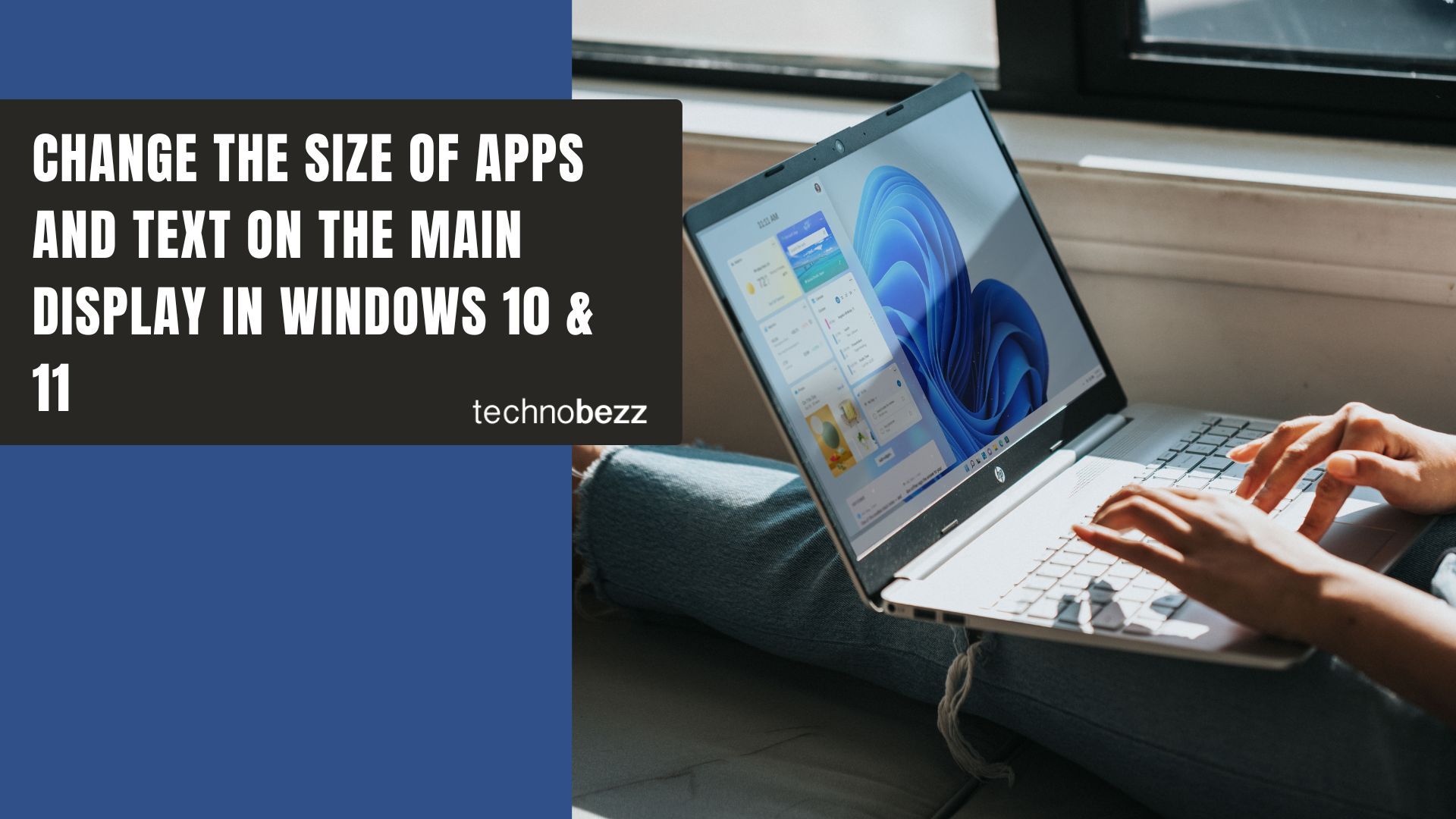
If text and icons look too small on a sharp 4K or high-DPI laptop screen, you do not have to squint or lower your resolution. Windows 10 and 11 let you resize everything on your display, or just the text, in a few clicks.
Windows offers two separate controls for this. Display scaling resizes text, icons, buttons, taskbar elements, and app layouts together, while the text size setting enlarges only the text and leaves most interface elements close to their original size.
This guide covers both, plus custom scaling, per-app fixes for blurry programs, and the differences between Windows 10 and Windows 11.
Change the Scale in Windows 11
Scaling is the fastest way to make everything bigger at once. The quickest route to the setting is the keyboard shortcut Windows logo key + I, which opens Settings directly.
Settings > System > Display > Scale & layout > Scale
Under the Scale & layout section, expand the Scale menu and pick a percentage. Windows marks one option as (Recommended) based on your screen size and resolution, and on many high-resolution laptops that default is 150%.
The change applies immediately to most of the desktop. You may need to sign out and back in for some apps to pick up the new size.
Change the Scale in Windows 10
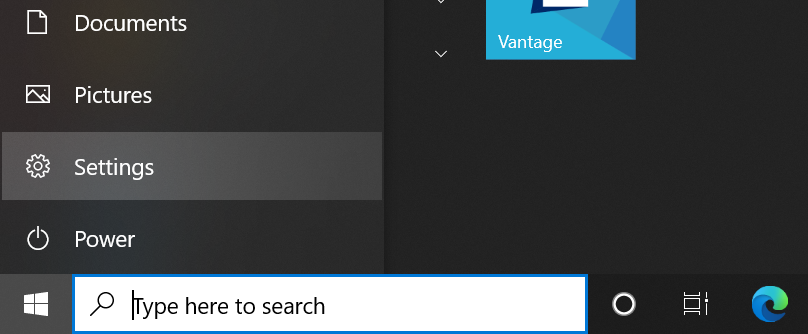
Windows 10 uses the same Display page, with slightly different wording. Open it from the Start menu or with Windows logo key + I.
Settings > System > Display > Scale and layout
Under Change the size of text, apps, and other items, open the dropdown and choose your preferred percentage. Stick with the (Recommended) value if you are unsure, since it is tuned to your specific display.
As in Windows 11, most elements resize right away, while a few apps update only after you sign out and back in.
Resize Only the Text
If you like the size of your icons and apps but want larger, more readable text, use the dedicated text size control instead of scaling. This enlarges text in places like menus, title bars, and labels without changing the layout of everything else.
In Windows 11, press Windows logo key + U or go to Settings, then follow this path.
Settings > Accessibility > Text size
Drag the Text size slider to the right until the sample preview is comfortable to read, then select Apply. Windows briefly applies the change before the larger text appears.
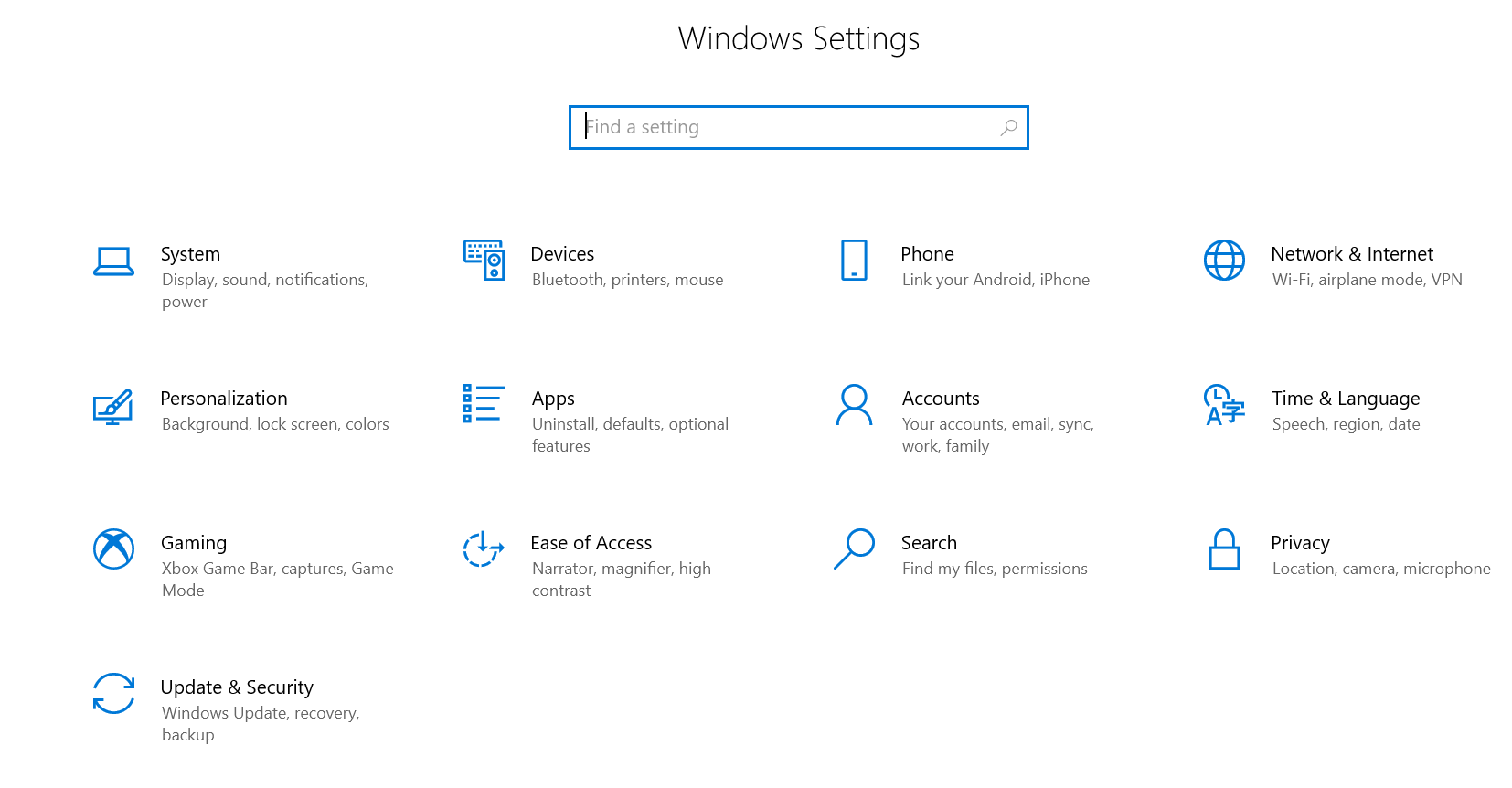
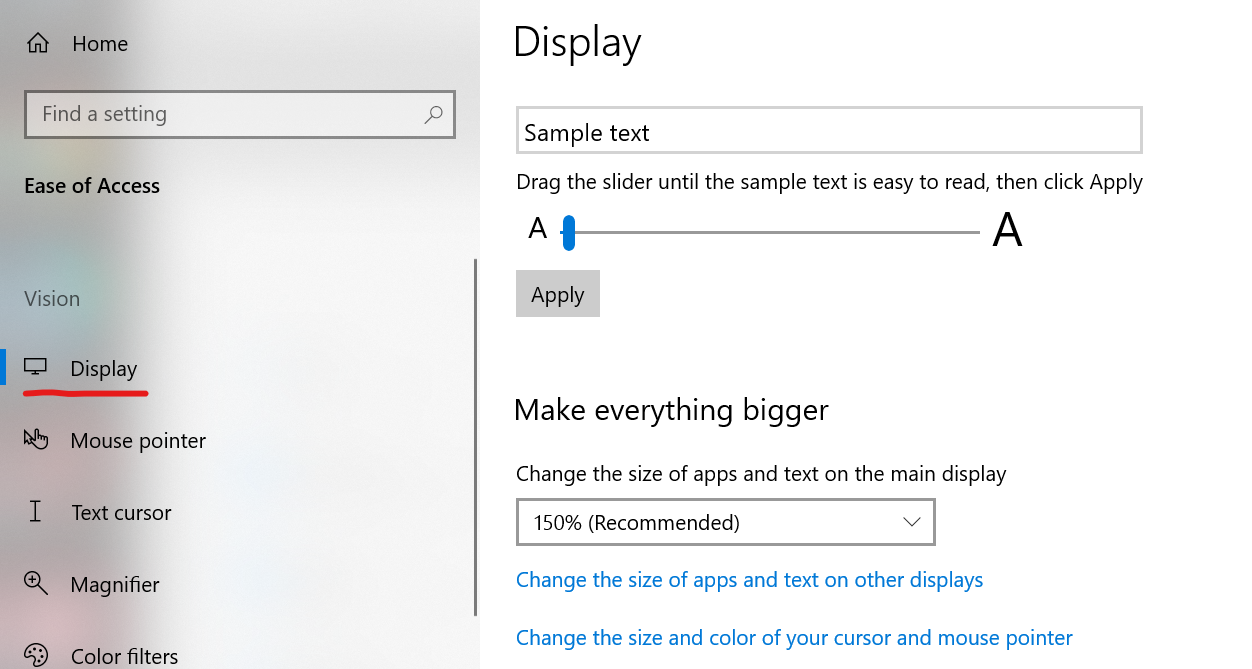
In Windows 10, the same option lives under Ease of Access. Open Settings > Ease of Access > Display, find Make text bigger, drag the slider to the right, and select Apply.
Set a Custom Scaling Size
If none of the preset percentages feel right, you can enter your own value. Custom scaling accepts any number from 100% to 500%.
In Windows 11, open the Scale & layout section and select the Scale row to reach the custom scaling page. Type your value, confirm it, and sign out when prompted so the change can take effect across the desktop, taskbar, and apps.
Use custom scaling carefully. Non-standard values can leave some apps looking soft or blurry because not every program supports them, so a standard preset is the safer choice when it works for you.
Fix Blurry or Badly Sized Apps
Higher scaling can make older or poorly optimized apps look fuzzy. Windows includes a setting that tries to sharpen them automatically, found on the Display page under Scale & layout.
Settings > System > Display > Advanced scaling settings
Turn on Let Windows try to fix apps so they are not blurry if the toggle is available, since its exact name and location can vary by Windows version. A full restart, rather than just signing out, often clears up remaining blur in legacy programs.
For a single stubborn app, you can override how it scales. Right-click the program's shortcut or its .exe, choose Properties, open the Compatibility tab, and select Change high DPI settings. Check Override high DPI scaling behavior, then choose Application, System, or System (Enhanced) and select OK. The Application and System (Enhanced) options usually give the sharpest result for older desktop software.
Adjust Resolution and the Magnifier
Scaling changes the size of items without changing how many pixels your screen uses, so keep your resolution at its native setting for the sharpest image. You can confirm it on the same Display page.
Settings > System > Display > Display resolution
Lowering the resolution to enlarge things is not recommended, since Windows warns that text will not look as sharp and the display might be small, centered, stretched, or edged with black.
For a quick, temporary zoom of any part of the screen, use the built-in Magnifier. Press Windows logo key + Plus to turn it on and zoom in, Windows logo key + Minus to zoom out, and Windows logo key + Esc to close it.
Frequently Asked Questions
What is the difference between scaling and text size in Windows
Display scaling enlarges text, icons, buttons, window controls, taskbar elements, and app layouts together. The text size setting under Accessibility, or Ease of Access in Windows 10, makes only the text larger while leaving most interface elements close to their original size.
Why does my screen look blurry after I change the scale
Some apps do not fully support non-standard scaling, especially older ones. Turn on Let Windows try to fix apps so they are not blurry under Advanced scaling settings, restart your PC, and if one app is still soft, override its high DPI behavior from the Compatibility tab in its Properties.
What scaling percentage should I use
Start with the option Windows labels as (Recommended), which is matched to your screen size and resolution. Many high-resolution laptops default to 150%. Adjust up or down from there based on what is comfortable to read.
Why do I have to sign out for the change to take effect
Most of the desktop updates instantly, but custom scaling and a few apps only refresh after you sign out and back in. Custom scaling specifically prompts you to sign out so the new size applies everywhere.
How do I reset the size back to default
Return to Settings > System > Display, open the Scale menu, and select the (Recommended) value to undo a scaling change. To reverse a text size change, drag the Text size slider back and select Apply. If custom scaling is on, choose the option to turn it off and sign out.
Will changing the scale affect my monitor's resolution
No. Scaling resizes how large items appear without changing how many pixels the display uses. Keep your monitor at its native, recommended resolution for the sharpest image and use scaling to control item size.
First published October 13, 2025. Last updated June 4, 2026.