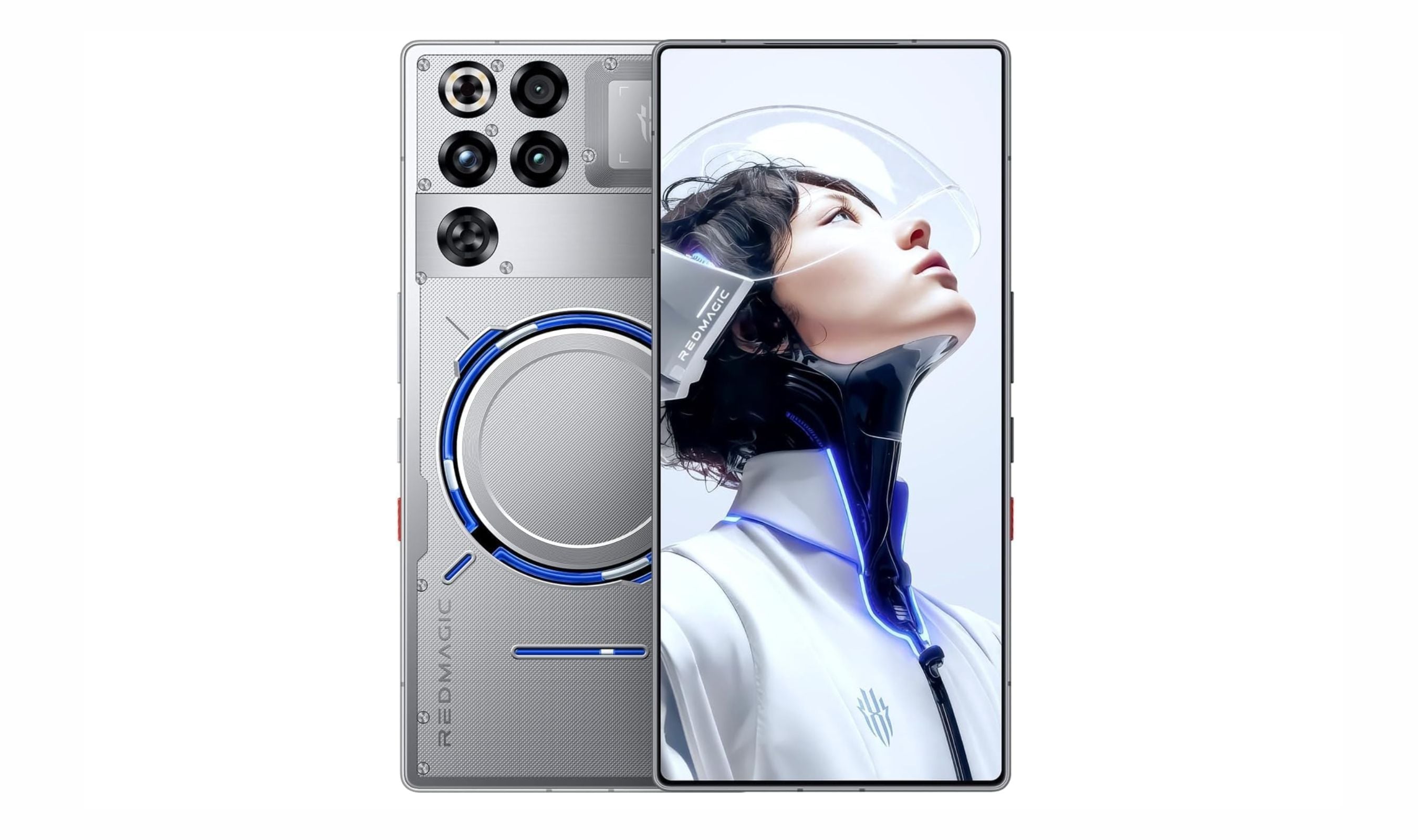
The RedMagic 11 Pro leads the pack with its built-in liquid cooling and Snapdragon 8 Elite Gen 5 chip, but the best phone for you depends on whether you want a dedicated gaming device or a versatile flagship that also handles demanding titles. This list covers both dedicated gaming phones and all-rounders that excel at gaming, so you can find the right fit for your budget and play style.
Technobezz is supported by its audience. We may get a commission from retail offers.
Best Smartphones for Gaming in 2026
The RedMagic 11 Pro tops our list for 2026, but we tested the best gaming phones from Samsung, Apple, and OnePlus to find your perfect match.
T
Technobezz
Editorial Team
Updated October 1, 2026Oct 1, 2026
•9 min read

Get Deals Like These in Your Inbox
The best prices, reviewed weekly.
At a Glance
| Category | Product | Why We Picked It |
|---|---|---|
| Best overall | RedMagic 11 Pro | AquaCore liquid cooling, internal fan and shoulder triggers |
| Best all-rounder | Samsung Galaxy S25 Ultra | Flagship power without the gamer aesthetic |
| Best for iOS users | iPhone 17 Pro Max | A19 Pro chip and vapor-chamber cooling for iOS games |
| Best value | OnePlus 13R | Strong gaming performance at a fraction of flagship prices |
| Best foldable | Samsung Galaxy Z Fold 7 | Massive 8-inch display for immersive play |
| Also recommended | ASUS ROG Phone 9 Pro | Still great AirTriggers, but hardware is aging |
| Also recommended | Poco F8 Pro | Killer value for the performance, camera is meh |
| Also recommended | OnePlus 15 | Beastly battery and display, premium price |
How we chose
We evaluated gaming phones based on four criteria that matter most for mobile gaming: raw processor performance, thermal management under sustained load, display quality and refresh rate, and battery life during extended play sessions. We prioritized phones that can maintain high frame rates without throttling after 20 or 30 minutes, since that is where most flagships fall short. We also considered gaming-specific features like shoulder triggers, cooling systems, and software optimizations, as well as how well each phone works as a daily driver outside of gaming.
The best gaming phones right now
RedMagic 11 Pro - Best overall
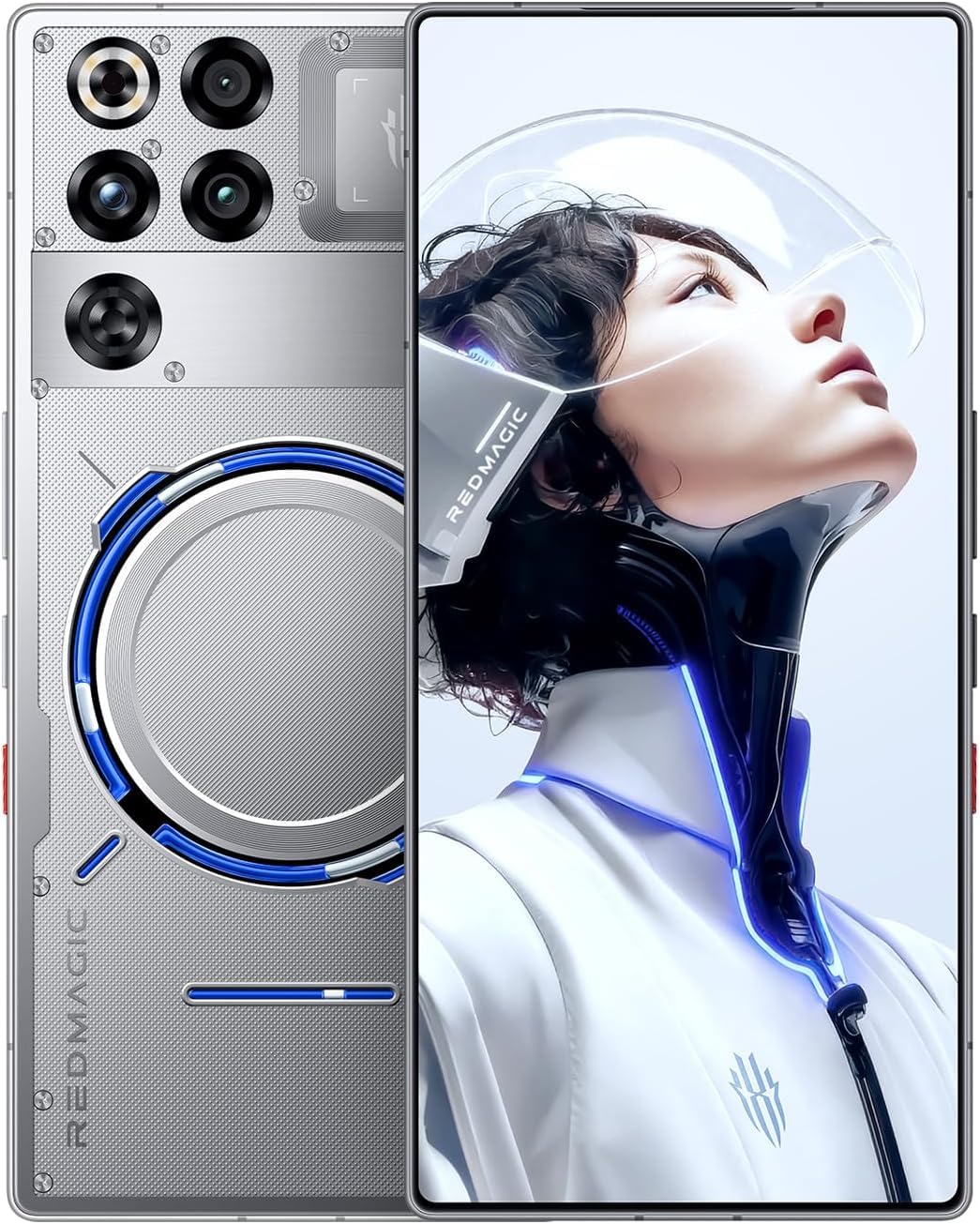
The RedMagic 11 Pro combines a Snapdragon 8 Elite Gen 5 chip with AquaCore liquid cooling and a 24,000 RPM internal fan. Its 520Hz shoulder triggers add dedicated controls for games.
Key highlights
- Snapdragon 8 Elite Gen 5 chipset with up to 24GB of RAM
- 6.85-inch 144Hz AMOLED display with under-display selfie camera (no notch)
- 7,500mAh battery
- 520Hz shoulder triggers for controller-like controls
- AquaCore liquid cooling plus internal fan
Pros
- Active cooling designed for sustained gaming loads
- Massive battery lasts through marathon sessions
- Shoulder triggers give a real edge in shooters
- Lower price than most flagship phones with comparable chips
Cons
- Cameras are mediocre even by gaming phone standards
- Software has rough edges and awkward translations
- Only two major Android version upgrades
- Bulky design and no dust resistance rating
Who it is for: Serious mobile gamers who want the most powerful hardware available and prioritize frame rates over everything else.
Skip if
You need a phone with great cameras, long software support, or a more refined daily driver experience.
Samsung Galaxy S25 Ultra - Best all-rounder
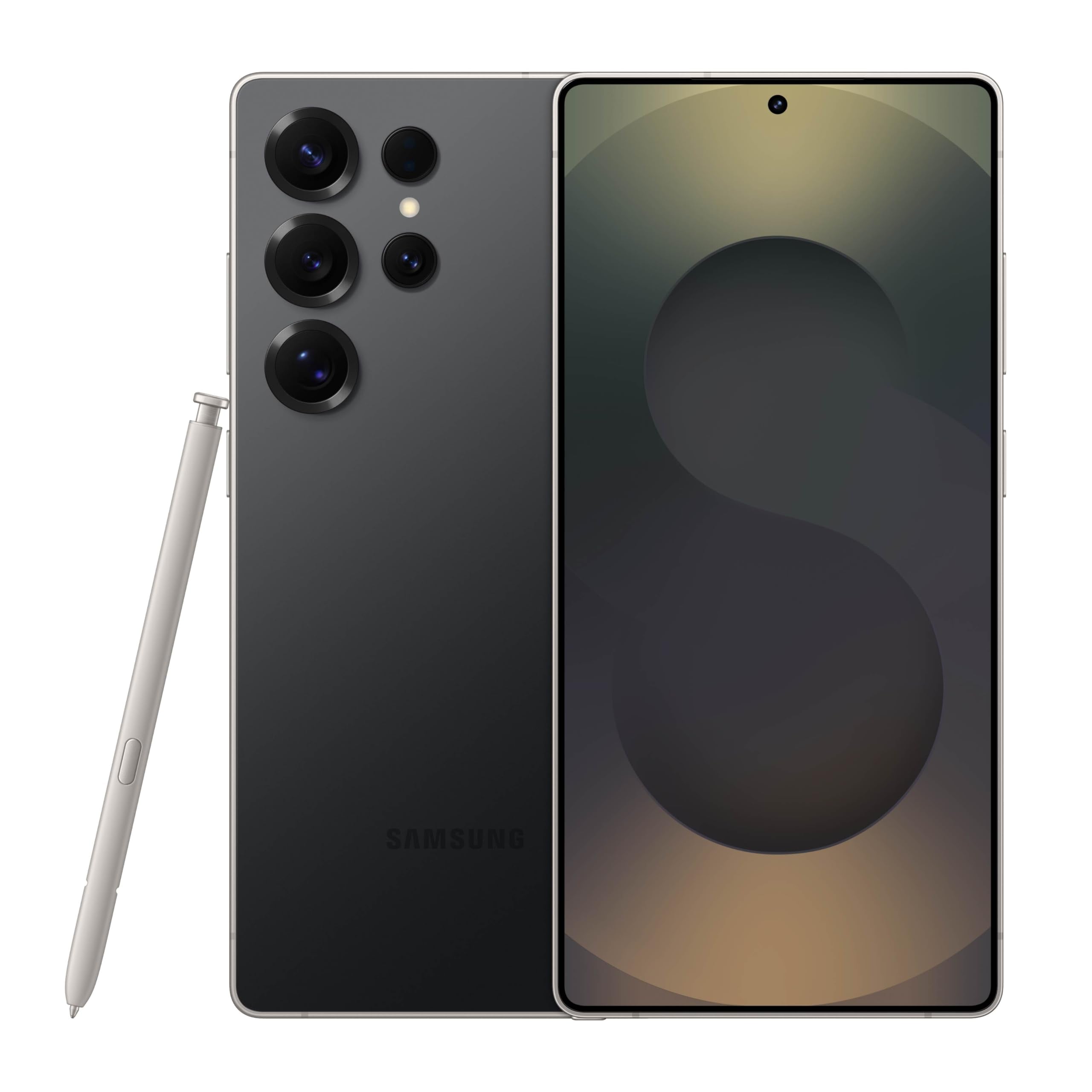
The Galaxy S25 Ultra proves you do not need a flashy gaming phone to get top-tier gaming performance. It packs the overclocked Snapdragon 8 Elite for Galaxy chip, a gorgeous 6.9-inch 120Hz AMOLED display, and a 40 percent larger vapor chamber than its predecessor for better heat management.
Key highlights
- Snapdragon 8 Elite for Galaxy (overclocked) with 12GB RAM
- 6.9-inch Dynamic AMOLED 2X, 120Hz adaptive refresh rate, 2,600 nits peak brightness
- 5,000mAh battery with 45W wired and wireless charging (Qi2)
- 200MP main camera with dual telephoto lenses (3x and 5x)
- Seven years of OS and security updates
Pros
- Excellent gaming performance without the gamer aesthetic
- One of the best camera systems on any phone
- Bright, vibrant display works well outdoors
- Seven years of software support
Cons
- Expensive at around $1,300
- No gaming-specific hardware like shoulder triggers
- Thermal throttling still noticeable under sustained heavy loads
- Large size can be uncomfortable for smaller hands
Who it is for: Anyone who wants a premium flagship that handles demanding games effortlessly while also excelling at photography, productivity, and everyday use.
Skip if
You want dedicated gaming features like shoulder buttons or active cooling, or you are on a tighter budget.
iPhone 17 Pro Max - Best for iOS users
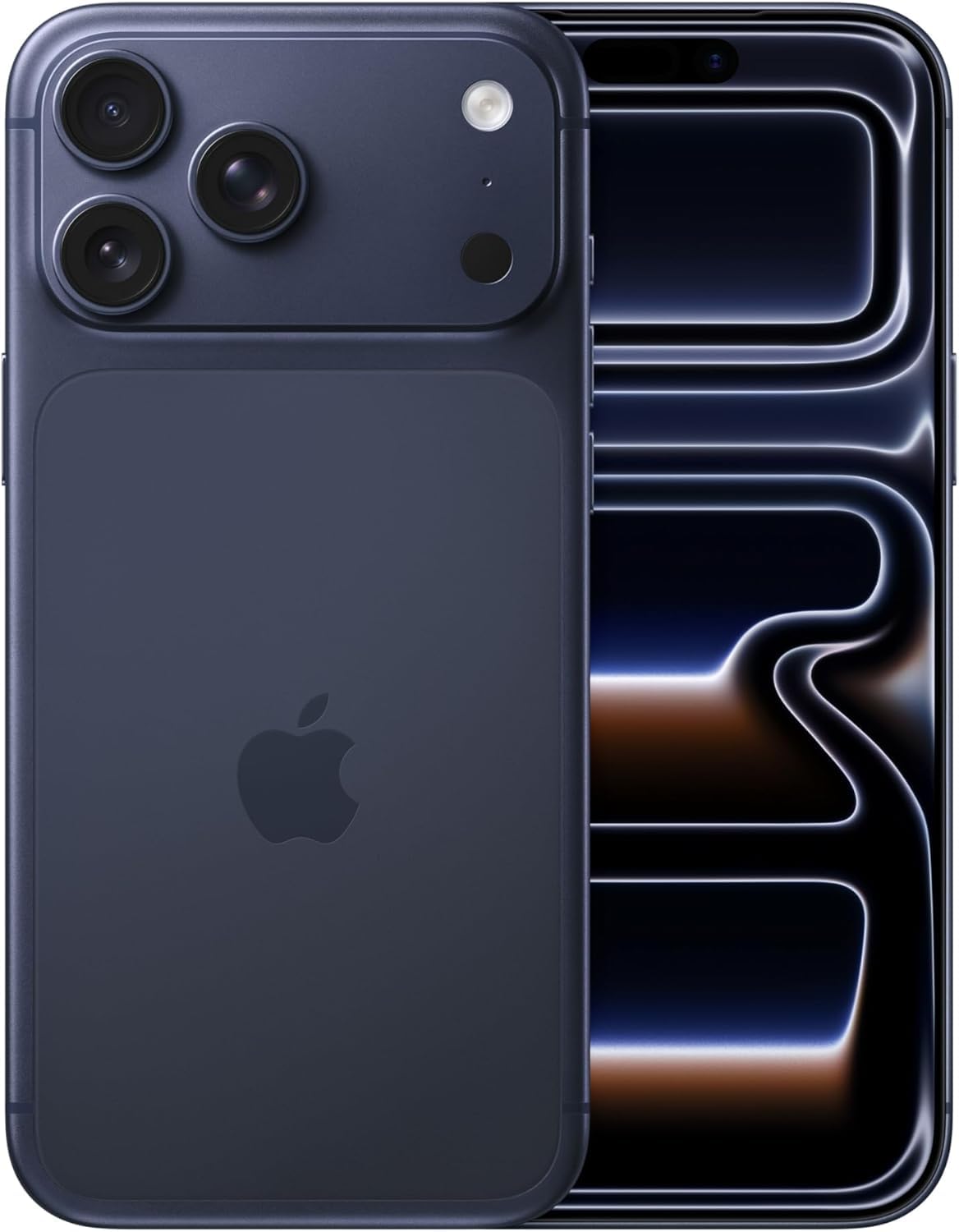
The iPhone 17 Pro Max pairs the A19 Pro chip with vapor-chamber cooling, which Apple says delivers up to 40 percent better sustained performance. It is still our pick for iOS gaming, although Apple has since released the iPhone 18 Pro Max with the A20 Pro chip.
Key highlights
- A19 Pro chip
- 6.9-inch 120Hz ProMotion display
- 12GB RAM
- Vapor chamber cooling
- 48MP triple-camera system
Pros
- Excellent efficiency means great battery life during gaming
- Strong library of premium console ports and Apple Arcade titles
- Outstanding build quality and long-term software support
- Vapor chamber helps with sustained performance
Cons
- Very expensive, starting above $1,100
- Still lags behind top Android phones in raw benchmark scores
- No shoulder triggers or gaming-specific hardware
- iOS limits emulation and sideloading options
Who it is for: iPhone users who want the best gaming experience in the Apple ecosystem without switching platforms.
Skip if
You prefer Android's wider game library, emulation support, or gaming-specific hardware features.
OnePlus 13R - Best value
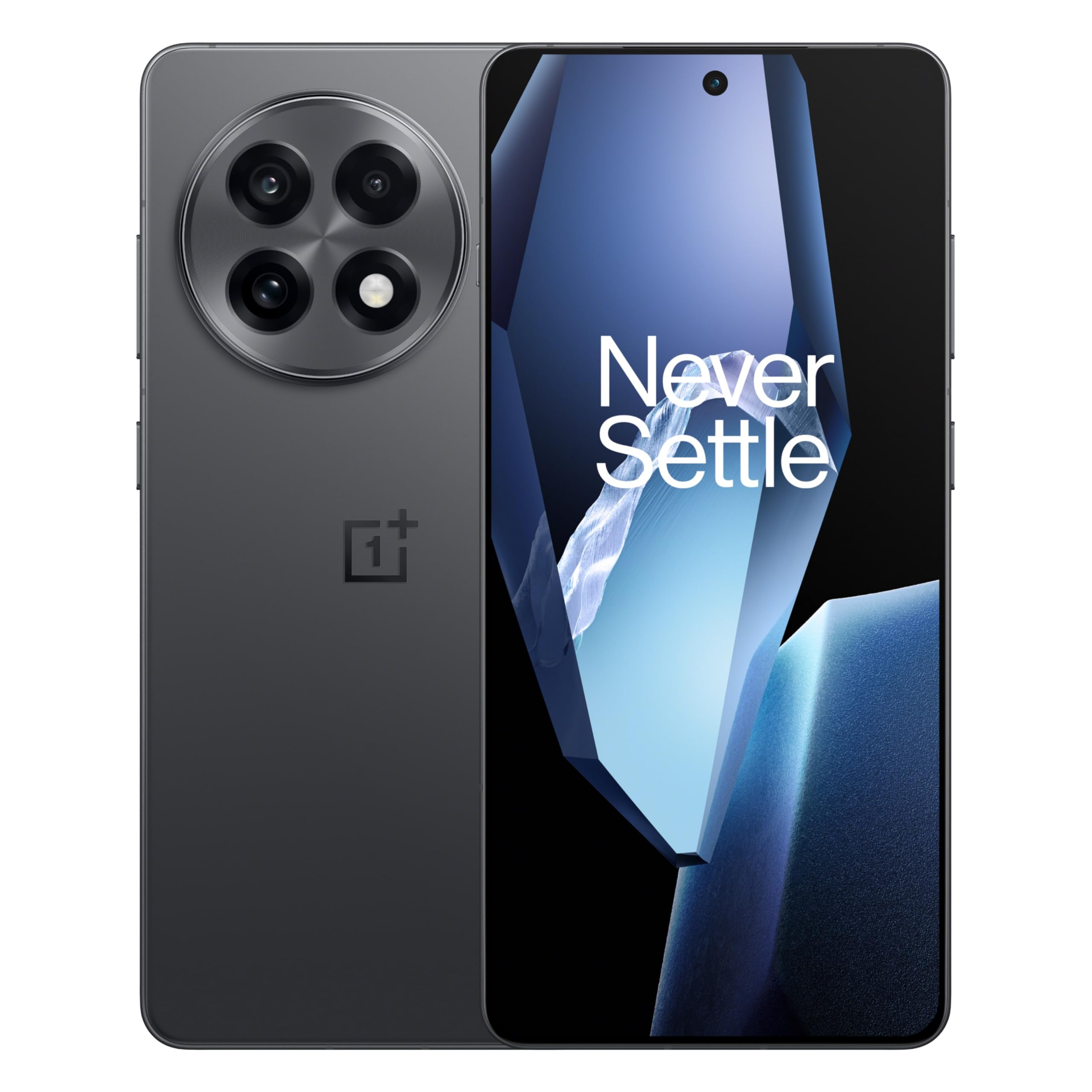
The OnePlus 13R delivers surprisingly capable gaming performance at roughly half the price of flagship competitors. Its Snapdragon 8 Gen 3 chip handles demanding titles like Genshin Impact and Wuthering Waves at high settings, and the 6,000mAh battery keeps you playing for hours.
Key highlights
- Snapdragon 8 Gen 3 chipset with 12GB RAM
- 6.78-inch 120Hz AMOLED display, 1,264 x 2,780 resolution
- 6,000mAh battery
- Advanced Hasselblad Camera System
- Clean OxygenOS software with minimal bloat
Pros
- Excellent gaming performance for the price point
- Large battery with very fast charging
- Solid main camera for a budget-friendly phone
- Flat display reduces accidental touches during gaming
Cons
- No wireless charging
- Ultrawide camera is noticeably weaker than the main sensor
- Previous-gen chipset (Snapdragon 8 Gen 3) rather than the latest Elite series
- No gaming-specific features like shoulder triggers
Who it is for: Budget-conscious gamers who want strong performance for demanding mobile titles without spending over $1,000.
Skip if
You need the absolute latest chipset, wireless charging, or dedicated gaming hardware features.
Samsung Galaxy Z Fold 7 - Best foldable
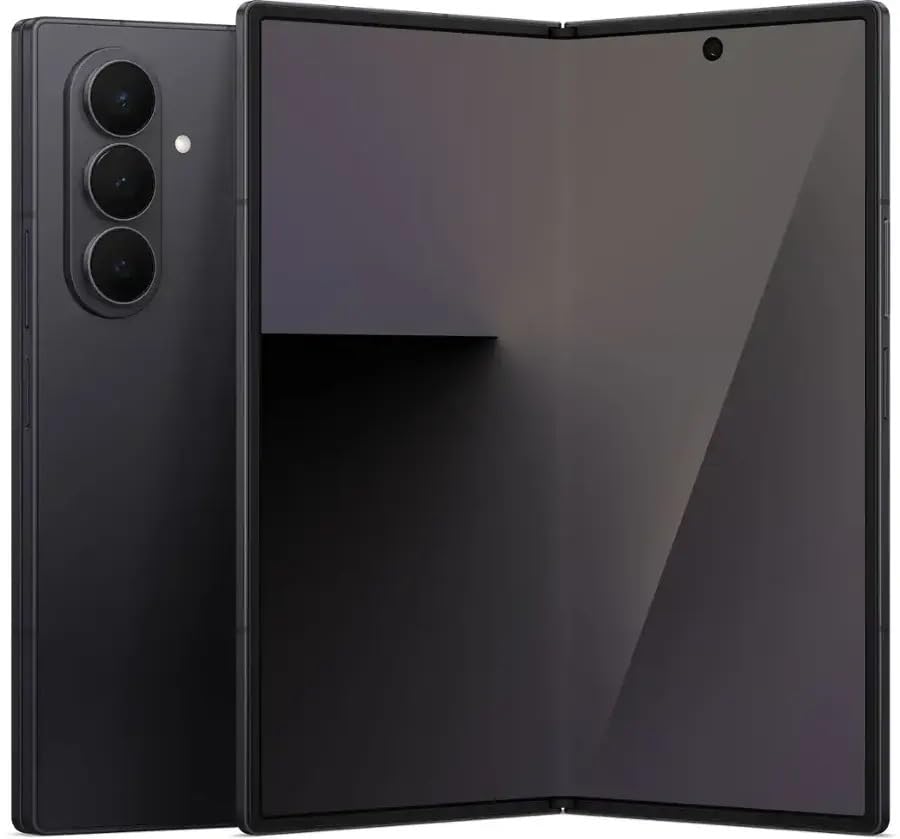
The Galaxy Z Fold 7 turns an 8-inch inner display into a gaming screen that rivals small tablets. The Snapdragon 8 Elite for Galaxy chip provides plenty of power, and the slimmer, lighter design makes it more comfortable to hold than previous foldables.
Key highlights
- 8-inch inner AMOLED display with 120Hz refresh rate
- 6.5-inch cover display
- Snapdragon 8 Elite for Galaxy chipset
- 200MP main camera
- Seven years of software support
Pros
- Massive screen makes games incredibly immersive
- Slimmer and lighter than previous Z Fold models
- Excellent cameras for a foldable device
- Works great for emulating DS and 3DS games
Cons
- Very expensive at around $2,000
- Sustained performance drops under heavy loads due to thin design
- No S Pen support this generation
- Battery life is average for the price
Who it is for: Gamers who want a tablet-sized screen in a pocketable device and are willing to pay a premium for the foldable form factor.
Skip if
You need S Pen support or do not want to pay a premium for a folding screen.
Also Good
- ASUS ROG Phone 9 Pro - still great AirTriggers, but hardware is aging.
- Poco F8 Pro - killer value for the performance, camera is meh.
- OnePlus 15 - beastly battery and display, premium price.
How to Choose
- Processor and sustained performance. The chipset matters, but how well a phone manages heat matters more. A phone with active cooling (like the RedMagic 11 Pro) will maintain high frame rates longer than one that relies on passive cooling alone, even if both use the same processor.
- Display refresh rate and touch sampling. A 120Hz display is the sweet spot for smooth visuals. Higher refresh rates like 144Hz or 165Hz are nice but most games cap at 120fps. Touch sampling rate matters more for competitive gaming since it determines how fast the screen registers your taps.
- Battery capacity and charging. Gaming drains battery fast. Look for at least 5,000mAh, and consider phones with bypass charging, which powers the chipset directly from the wall instead of charging the battery, reducing heat buildup during long sessions.
- Gaming-specific features. Shoulder triggers give you a real advantage in shooters by doubling your input options without blocking the screen. Active cooling systems help maintain performance. If you do not want these features, a standard flagship like the Galaxy S25 Ultra may suit you better.
- Software support and ecosystem. Dedicated gaming phones typically offer only two years of OS updates, while flagships from Samsung and Apple offer five to seven years. If you plan to keep your phone for several years, that matters.
FAQ
Do I need a dedicated gaming phone, or will a regular flagship do?
A regular flagship like the Galaxy S25 Ultra or iPhone 17 Pro Max handles most games exceptionally well. Dedicated gaming phones are worth it if you play competitively for long sessions and need sustained performance without throttling, or if you want hardware triggers and active cooling.
What is the most powerful gaming phone right now?
The RedMagic 11 Pro is our overall pick, pairing a Snapdragon 8 Elite Gen 5 chip with AquaCore liquid cooling and a 24,000 RPM internal fan to hold performance through long sessions. REDMAGIC has since released the 11S Pro, which uses a higher-clocked Leading Version of the same chip.
Does screen refresh rate really matter for mobile gaming?
Yes, but only up to a point. Moving from 60Hz to 120Hz makes a noticeable difference in smoothness. Going beyond 120Hz to 144Hz or 165Hz is less impactful since most mobile games cap at 120fps. Touch sampling rate often matters more for competitive play.
How much storage do I need for mobile games?
Aim for at least 256GB. Games like Genshin Impact can take up 30GB or more, and with multiple titles installed, storage fills up fast. Some gaming phones offer up to 1TB or 2TB, which is useful if you keep a large library installed.
Are gaming phones good for everyday use?
It depends on the model. Dedicated gaming phones like the RedMagic 11 Pro compromise on camera quality and software polish. Flagship all-rounders like the Galaxy S25 Ultra and iPhone 17 Pro Max deliver excellent gaming performance without sacrificing camera quality, software updates, or daily usability.
Published May 5, 2026 Last updated October 1, 2026
Share this article
More in News
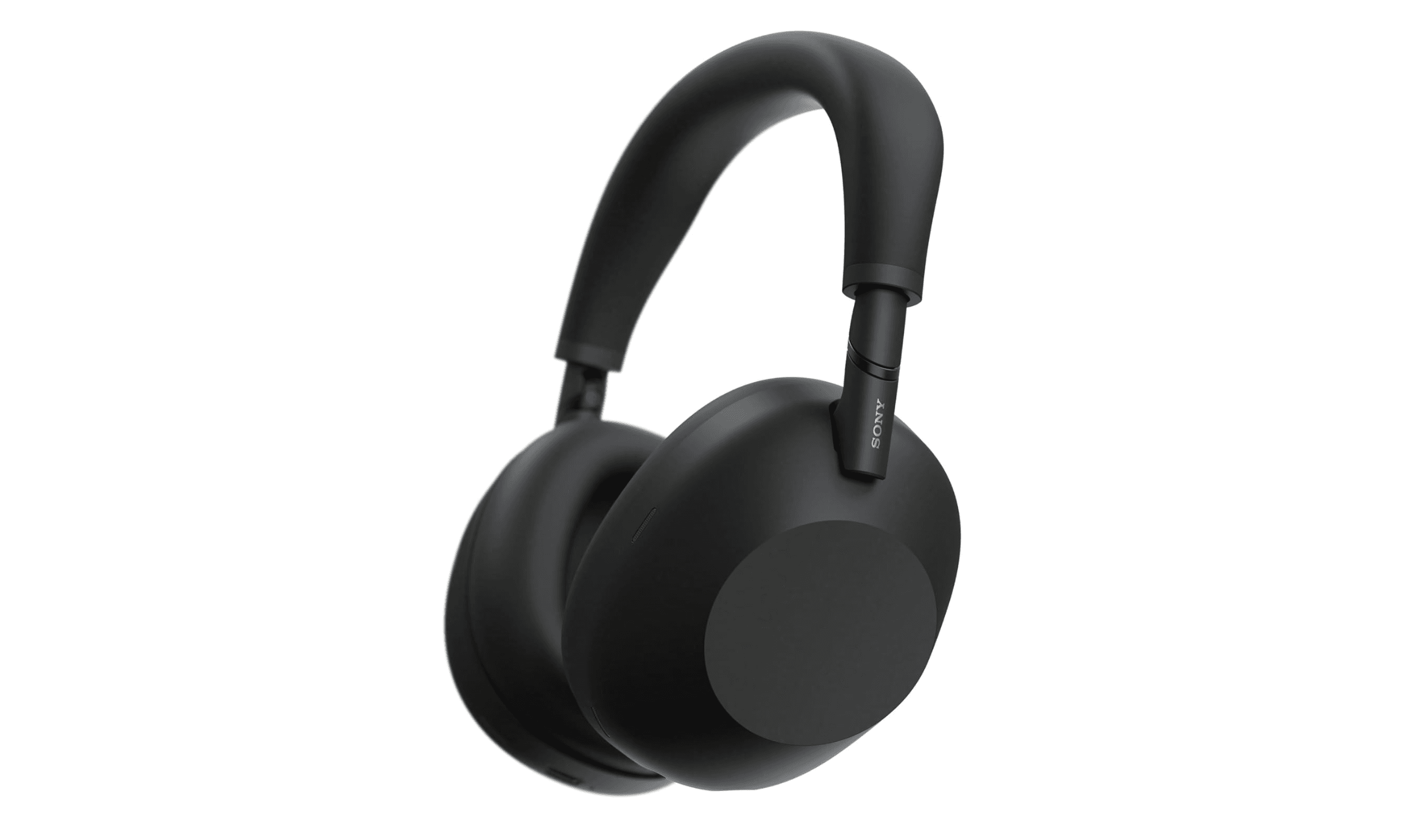
7 Best Noise Cancelling Headphones to Buy in 2026
Sony WH-1000XM6 leads our 2026 list of best noise cancelling headphones, from premium Bose to budget Soundcore picks.
4 min read
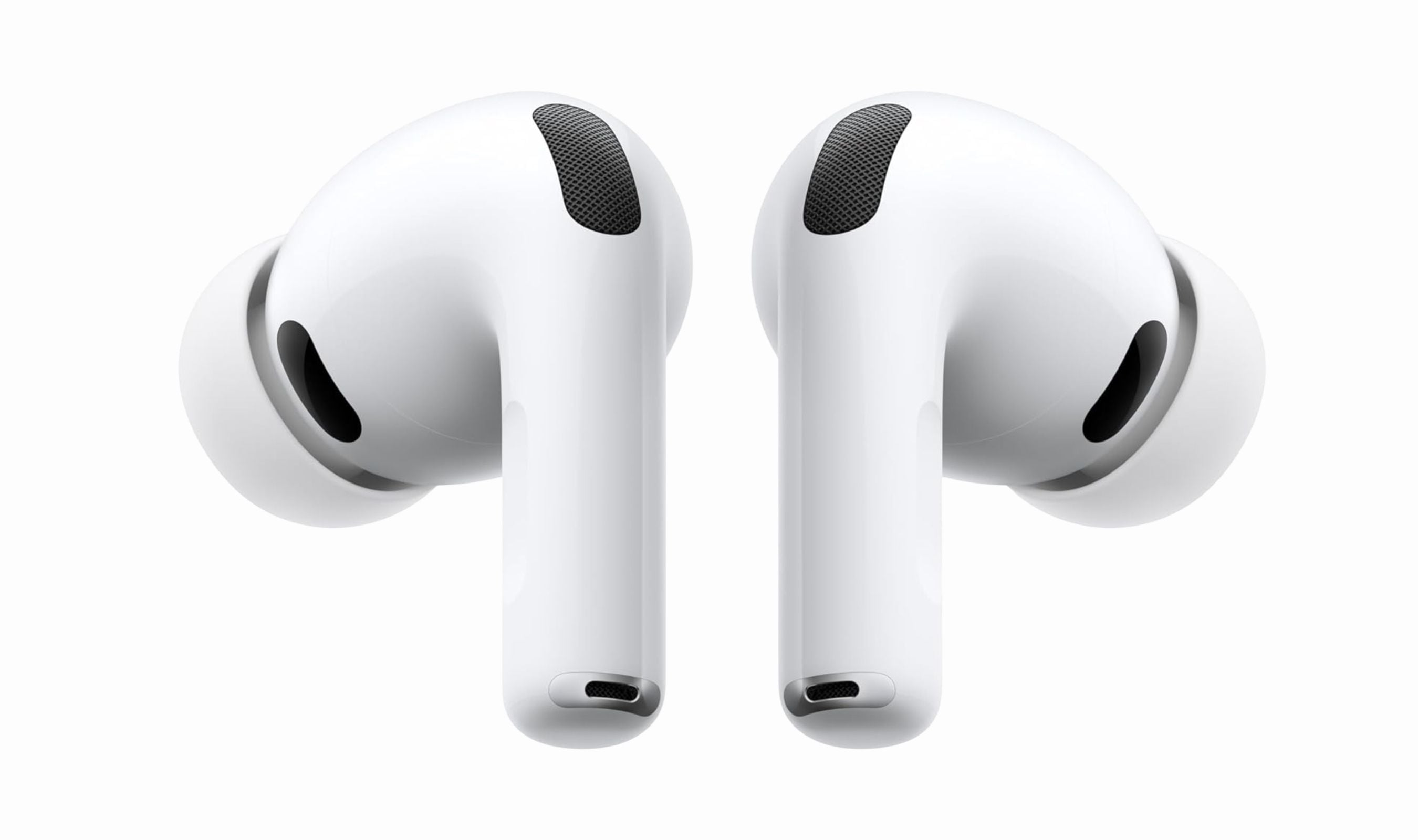
9 Best Earbuds for iPhone in 2026
The best earbuds for iPhone in 2026, from the AirPods Pro 3 (around $179) to budget Nothing and CMF picks. Tested for sound, ANC, fit, and iPhone integration.
4 min read
Best Smartphones Under $150 for Everyday Use
Discover the NUU N10 and other top-rated smartphones under $150 for 2026.
3 min read
Best Lavalier Microphones for iPhones in 2026
The DJI Mic 3 tops our list of the best lavalier microphones for iPhone in 2026, with pro-grade 32-bit float recording and noise cancellation, plus budget and smartphone-friendly alternatives.
4 min read
7 Best Smartphones Under $700 in 2026
3 min read
6 Best Camera Phones for 2026
3 min read
7 Best Laptops for Stock Trading in 2026
5 min read
Best Wireless Earbuds Under $100 for 2026
5 min read
6 Best Laptops for Teachers in 2026
4 min read
8 Best Wireless Chargers for 2026
4 min read
6 Best Smart Toasters for 2026
4 min read

7 Best Digital Photo Frames for 2026
3 min read