
Choosing the right camera phone in 2026 means finding a balance between consistency, versatility, and value. The Apple iPhone 18 Pro Max is our pick for video, with 4K Dolby Vision recording at up to 120 fps and Apple Log 2. The Samsung Galaxy S26 Ultra reaches 5x optical zoom and 10x optical quality zoom, while the Google Pixel 11 Pro XL pairs a 5x telephoto camera with Camera Coach. The Google Pixel 10a remains our value pick.
Technobezz is supported by its audience. We may get a commission from retail offers.
6 Best Camera Phones for 2026
Compare six top camera phones for 2026, from the iPhone 18 Pro Max for video and the Galaxy S26 Ultra for zoom to Pixel picks for photography and value.
T
Technobezz
Editorial Team
Updated October 22, 2026Oct 22, 2026
•8 min read

Get Deals Like These in Your Inbox
The best prices, straight to your inbox.
At a Glance
| Category | Product | Why We Picked It |
|---|---|---|
| Best for video | Apple iPhone 18 Pro Max | 4K Dolby Vision video at up to 120 fps, with ProRes RAW and Apple Log 2 |
| Best for zoom | Samsung Galaxy S26 Ultra | 3x and 5x optical zoom, plus 10x optical quality zoom |
| Best for photography | Google Pixel 11 Pro XL | 5x telephoto, Camera Coach and up to 120x Pro Zoom |
| Best value | Google Pixel 10a | 48MP main camera, 13MP ultrawide and Camera Coach |
| Best foldable | Samsung Galaxy Z Fold8 Ultra | 200MP main and 50MP ultrawide cameras with an 8-inch editing display |
| Also recommended | OnePlus 15 | Triple 50MP cameras and a 7,300mAh battery |
How we chose
We chose these camera phones from current models sold new, using each maker's published specifications and features, plus price, to match every pick to a specific kind of buyer. Camera hardware, zoom range, video recording options and software support carried the most weight.
The best camera phones right now
Apple iPhone 18 Pro Max - Best for video
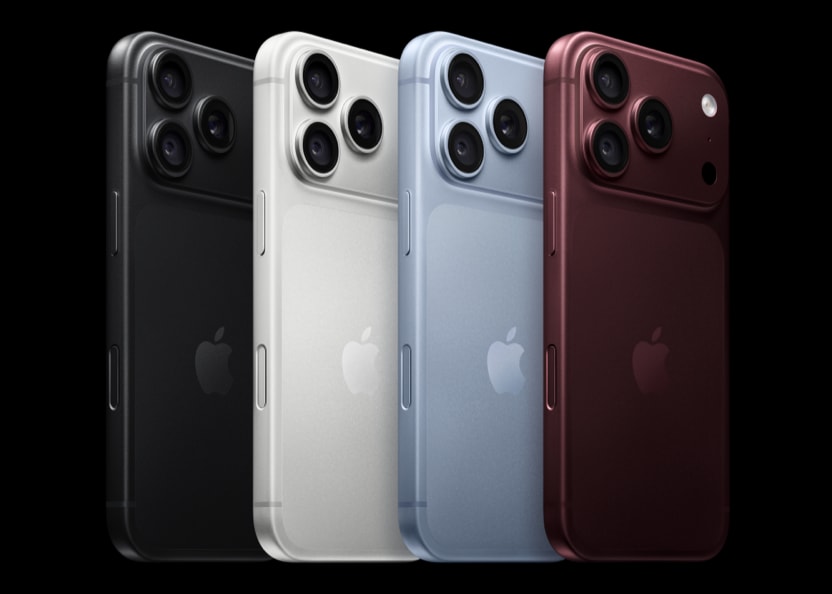
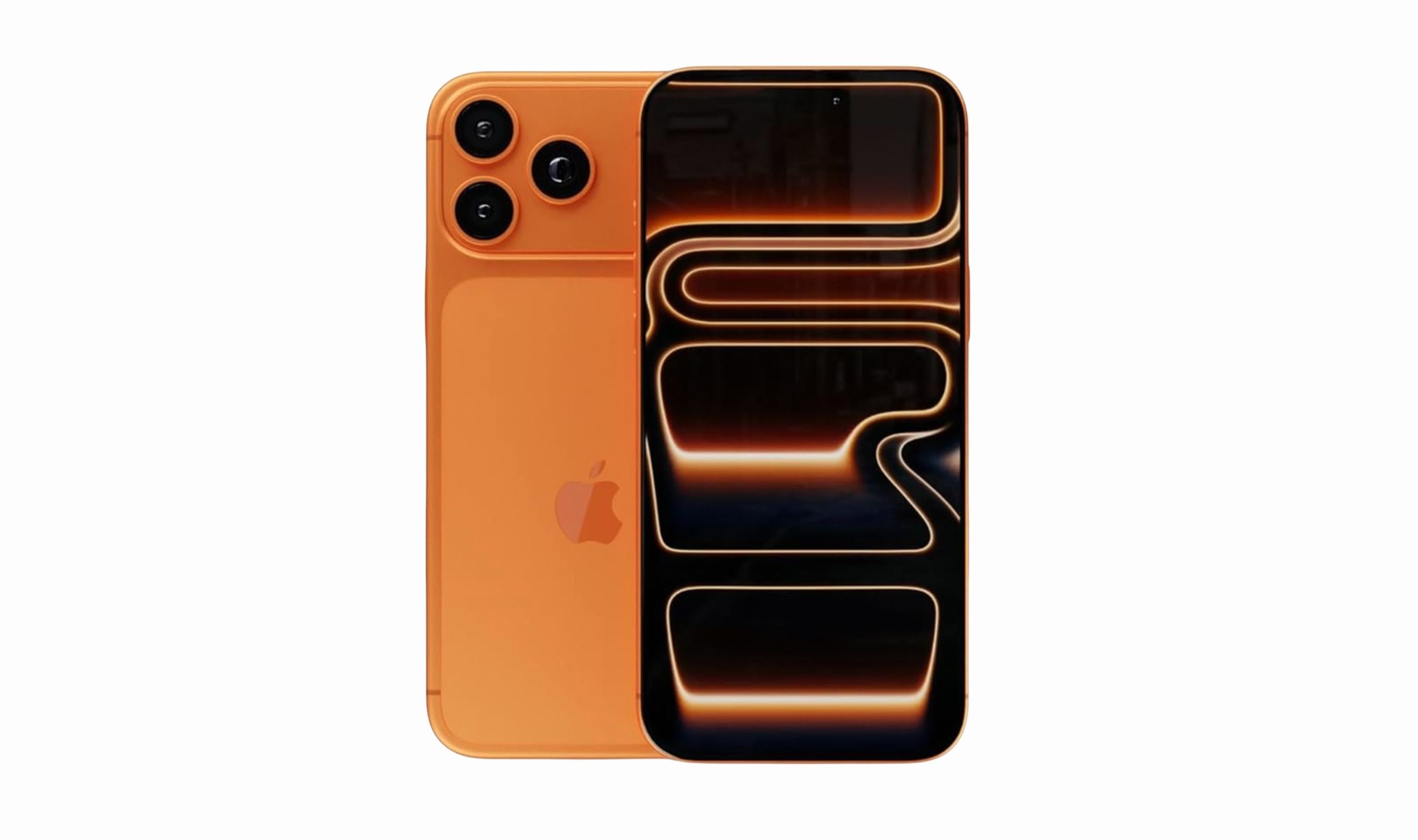
Apple's iPhone 18 Pro Max records 4K Dolby Vision video at up to 120 fps and supports ProRes, ProRes RAW and Apple Log 2 for footage you plan to edit. Its three 48MP Fusion cameras cover a 13 mm ultra wide, a 24 mm main camera with a variable aperture and a 100 mm 4x telephoto. Apple sells it unlocked, and carriers offer it too.
Key highlights
- 4K Dolby Vision video at up to 120 fps
- ProRes, ProRes RAW and Apple Log 2 recording
- 48MP Fusion Main camera with a variable aperture
- 48MP 4x telephoto and 8x optical-quality zoom
- 6.9-inch display with ProMotion up to 120Hz
Pros
- Pro video formats for editing, including ProRes RAW and Apple Log 2
- Three 48MP cameras, from ultra wide to 4x telephoto
- Apple rates video playback at up to 45 hours
Cons
- Sold by Apple and carriers rather than Amazon
- US models are eSIM only, with no physical SIM tray
Who it is for: iPhone users who shoot a lot of video and want pro recording formats in a phone.
Skip if
You want Android, or a smaller phone; the iPhone 18 Pro has the same cameras with a 6.3-inch display.
Samsung Galaxy S26 Ultra - Best for zoom
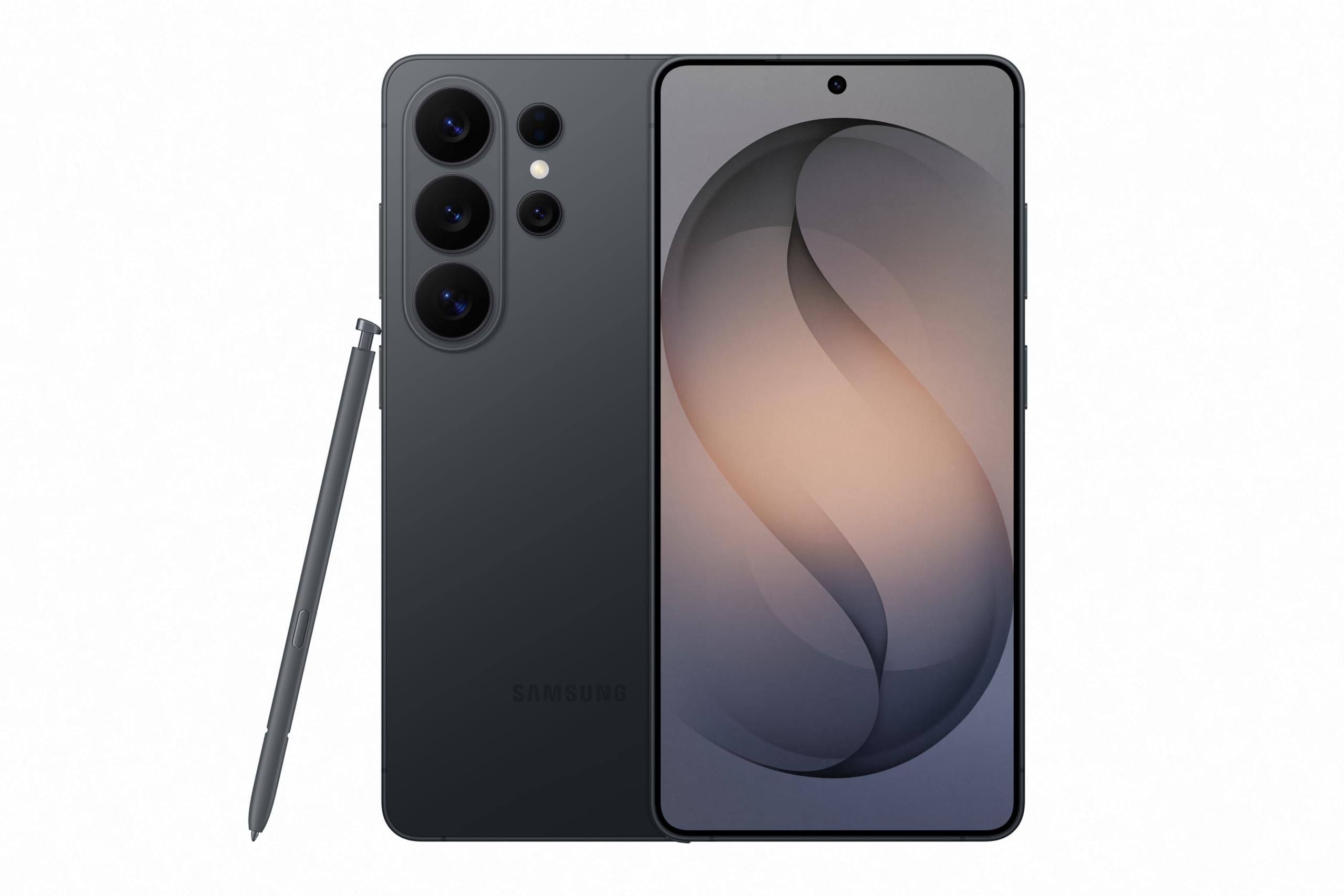
The Galaxy S26 Ultra combines a 200MP main camera with separate 3x and 5x telephoto cameras, giving photographers several focal lengths for framing distant subjects.
Key highlights
- 200MP main sensor with improved low-light performance through wider apertures
- 50MP 5x and 10MP 3x telephoto cameras, plus up to 100x Space Zoom
- Super Steady with Horizontal Lock helps keep the horizon level during video recording
- AI-powered editing tools including object removal and generative fill features
- S Pen integration for precise photo editing and creative sketching
Pros
- Optical or optical quality zoom at 2x, 3x, 5x and 10x
- Wider main-camera aperture for 47% improved brightness compared with the Galaxy S25 Ultra, according to Samsung
- Versatile camera array handles everything from macro to ultra-wide photography
- Powerful AI editing suite for creative post-processing
- Privacy Display feature protects your content from prying eyes
Cons
- Zoom beyond 10x can lose image detail
- The 6.9-inch display makes this a large phone
- Weighs 214g
Who it is for: Photography enthusiasts who need versatile focal lengths, travelers capturing distant landmarks, and content creators who value having multiple creative tools in one device.
Skip if
You rarely photograph distant subjects or want a more compact phone for everyday use.
Google Pixel 11 Pro XL - Best for photography
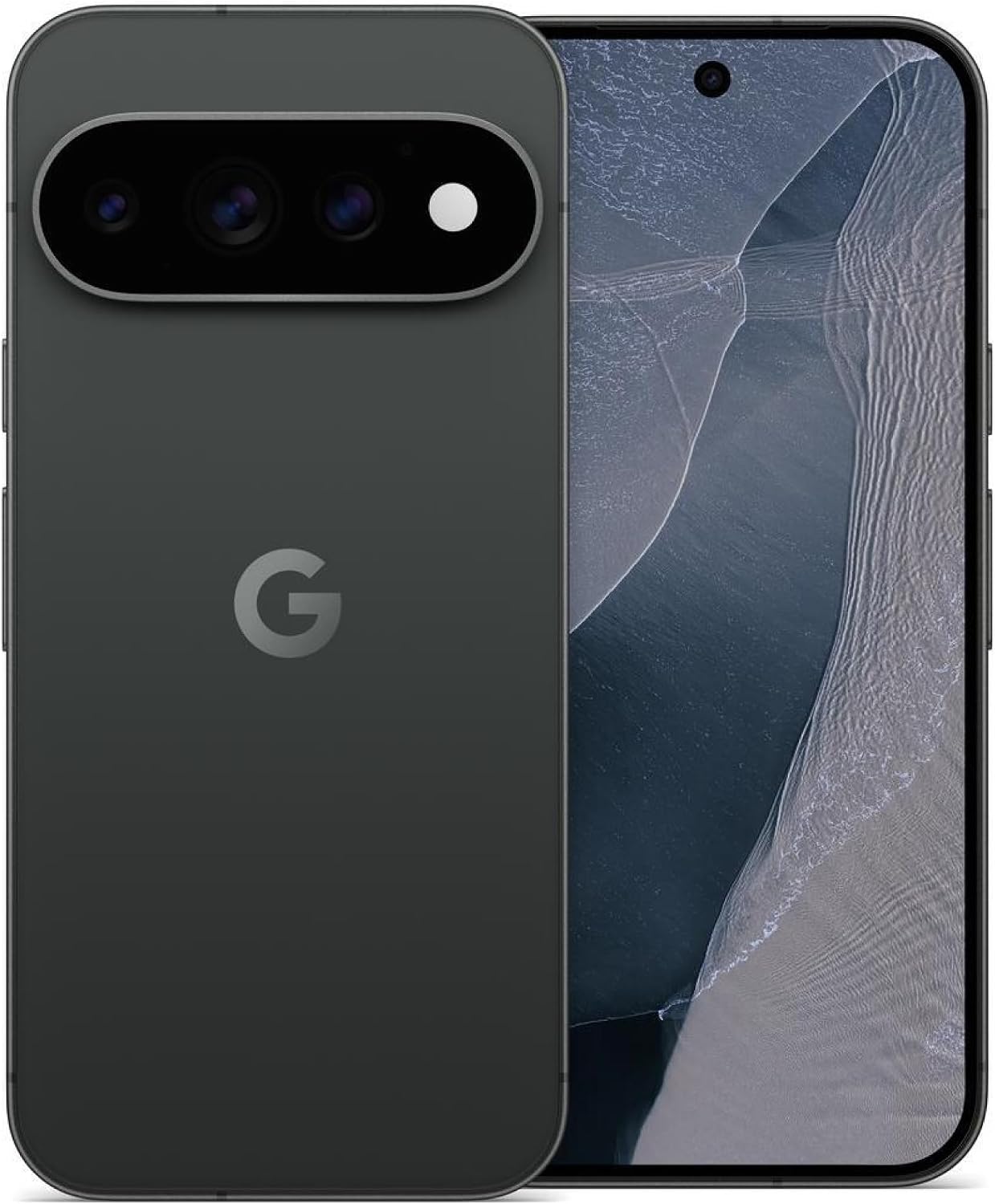
Google's Pixel 11 Pro XL combines a triple rear camera with Tensor G6, Camera Coach and Pro Zoom up to 120x.
Key highlights
- 50MP wide, 48MP ultrawide and 48MP telephoto cameras
- 5x optical telephoto zoom and up to 120x Pro Zoom
- Camera Coach, Instant Night Sight and Macro Focus
- 6.8-inch Super Actua display with a 1-120Hz refresh rate
- Seven years of OS, security and Pixel Drop updates from first Google Store availability
Pros
- Wide, ultrawide and telephoto coverage
- Magic Capture combines photos and video into an automatically edited collection
- Pro controls and AI editing tools
Cons
- 8K recording requires Video Boost
- Large 6.4-inch-tall body at 8 oz
- Power adapter sold separately
Who it is for: Photographers who want multiple focal lengths, shooting guidance and built-in editing tools.
Skip if
You want a compact phone or do not need a telephoto camera.
Google Pixel 10a - Best value
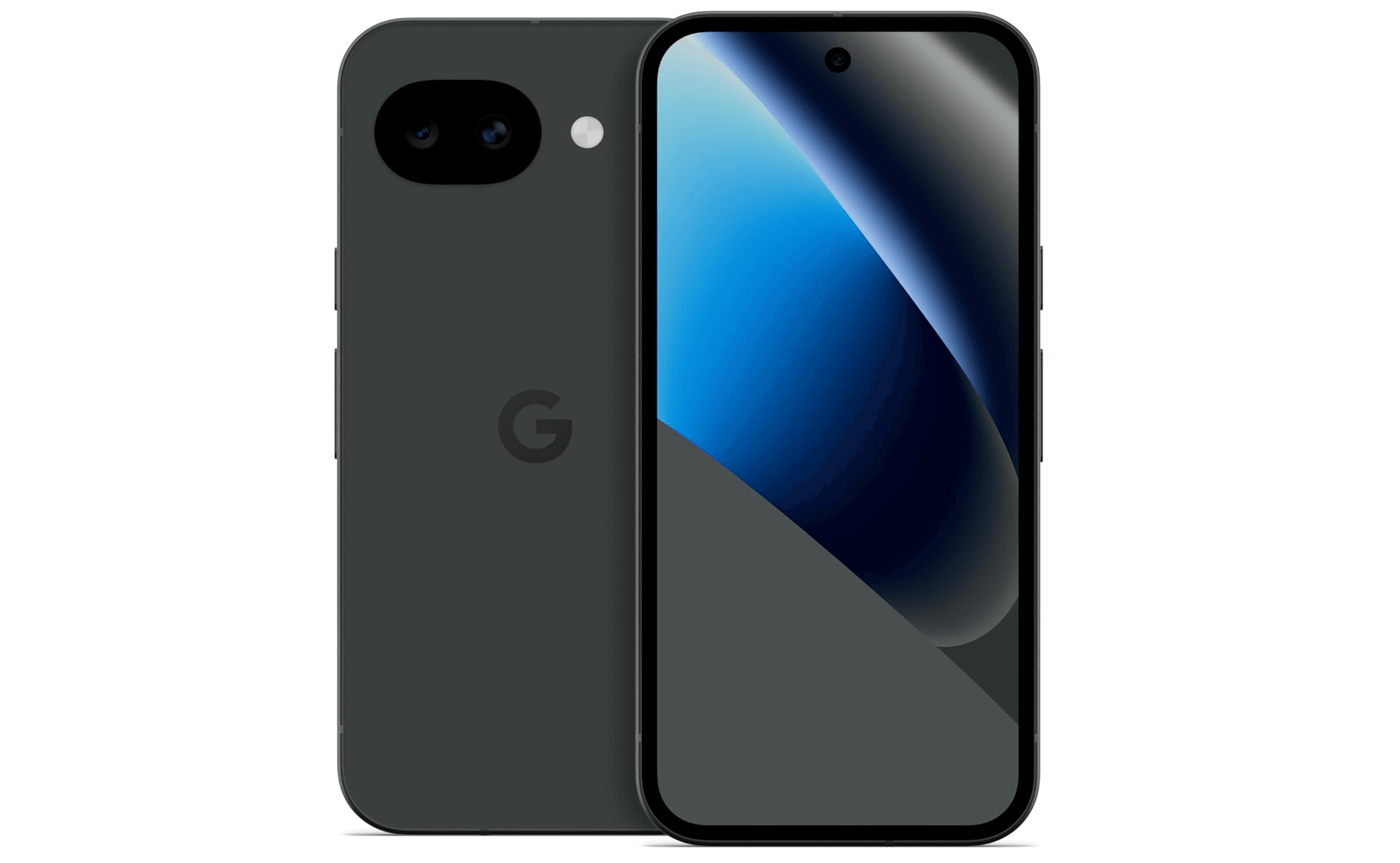
The Pixel 10a pairs a 48MP main camera with a 13MP ultrawide and includes Camera Coach and Night Sight for everyday photography.
Key highlights
- Super Zoom up to 8x, with optical quality at 0.5x and 1x
- 48MP main and 13MP ultrawide rear cameras
- Camera Coach AI assistance for better composition and settings
- Sleek and durable design with a super smooth finish
- IP68 water and dust resistance for durability
Pros
- Night Sight, Astrophotography and Macro Focus shooting modes
- Optical and electronic image stabilization on the main camera
- 30+ hour battery life, according to Google
- Seven years of OS, security and Pixel Drop updates
Cons
- Limited to two rear cameras without telephoto option
- Processor performance trails flagship models
- Display refresh rate ranges from 60Hz to 120Hz
Who it is for: Budget-conscious shoppers who prioritize camera quality above all else, students, and anyone wanting premium photography features without the premium price tag.
Skip if
You need telephoto zoom capabilities or want the absolute best performance for gaming and multitasking. The two-camera system also limits versatility compared to triple-camera flagships.
Samsung Galaxy Z Fold8 Ultra - Best foldable
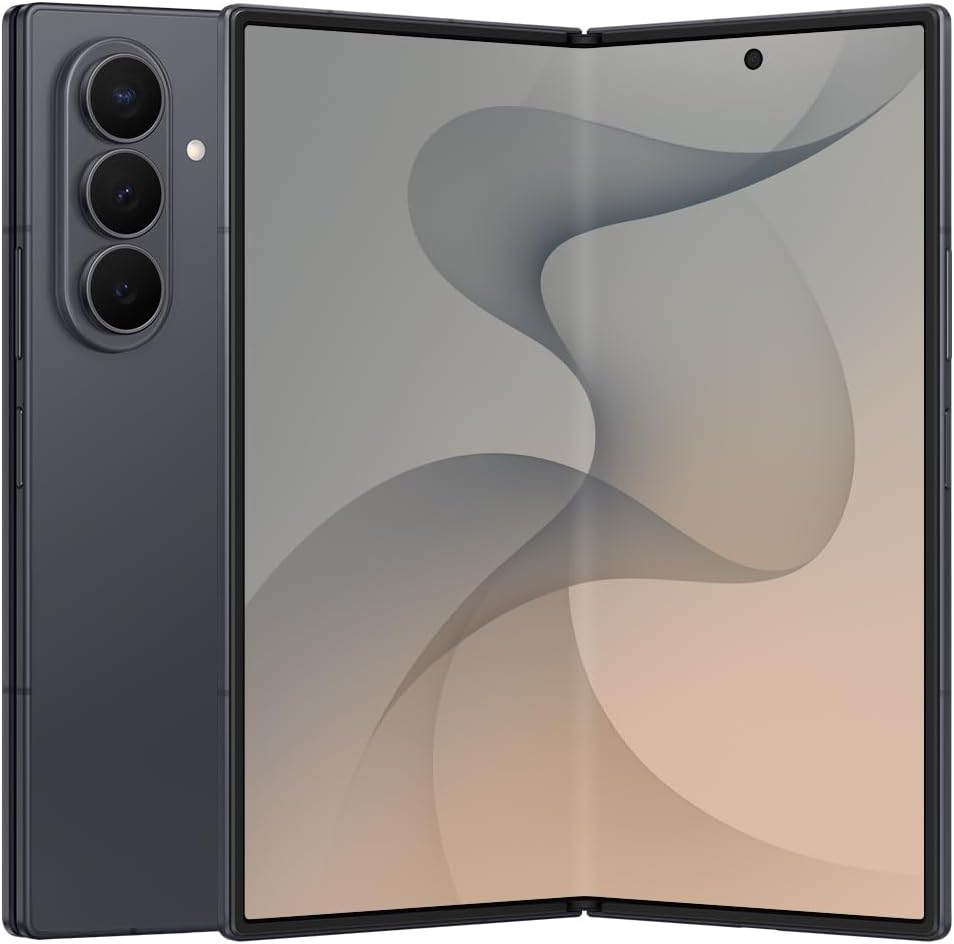
The Galaxy Z Fold8 Ultra pairs a 200MP main camera with an upgraded 50MP ultrawide and an 8-inch inner display for composing and editing photos. The Amazon link below goes to the Fold8 Ultra. The Samsung offer still goes to the previous Fold7.
Key highlights
- 200MP wide, 50MP ultrawide and 10MP telephoto cameras
- 3x optical telephoto zoom
- 8-inch inner display and 6.5-inch cover display
- 8K video from the wide and ultrawide cameras
- 5,000mAh battery and Snapdragon 8 Elite Gen 5 for Galaxy
Pros
- Higher-resolution ultrawide camera than Fold7
- Large screen supports up to three apps at once
- Photo Assist supports edits described in text prompts
Cons
- Telephoto optical zoom stops at 3x
- Weighs 215g
- 45W charger sold separately
Who it is for: Photographers who want a folding screen for composition, editing and multitasking.
Skip if
You want longer optical zoom or a smaller phone.
Also Good
- OnePlus 15 - triple 50MP cameras and a 7,300mAh battery.
How to Choose
Selecting the right camera phone depends on your specific needs and shooting habits. Consider these factors before making your decision:
Zoom requirements: If you frequently photograph distant subjects, prioritize phones with periscope telephoto lenses like the Samsung Galaxy S26 Ultra. For most users, 3-5x optical zoom suffices for portraits and everyday shooting.
Video priorities: Compare recording formats and frame rates. The Galaxy S26 Ultra records 8K at 30 fps and 4K at 120 fps, while the Pixel 11 Pro XL needs Video Boost for 8K. The iPhone 18 Pro models support Apple Log 2 and ProRes RAW, with ProRes up to 4K at 120 fps using external recording.
Budget considerations: Compare older flagships on camera features, condition, warranty and remaining software support. Certified pre-owned devices can offer exceptional value without compromising image quality.
Software preferences: Consider how long you plan to keep your phone. Google promises seven years of OS, security and Pixel Drop updates for the Pixel 11 Pro XL and Pixel 10a.
Specialized needs: Content creators might prefer foldables for their large editing displays, while travel photographers may prioritize zoom capabilities and battery life for extended shooting sessions.
FAQ
What makes a good camera phone in 2026?
Consistency matters more than ever. A good camera phone delivers reliable results across different lighting conditions, maintains color accuracy between lenses, and offers fast, accurate autofocus. Software processing now plays as important a role as hardware specifications.
Do megapixels really matter for smartphone photography?
Not as much as sensor size and pixel quality. Larger sensors gather more light, while pixel-binning technology combines multiple small pixels into larger virtual pixels for better low-light performance. A 12MP image from a quality sensor often looks better than a 64MP shot from a mediocre one.
How important is optical zoom versus digital zoom?
Optical zoom uses the lens to provide a closer view; many phones switch between cameras with fixed focal lengths. Digital zoom crops and enlarges the image, which can reduce detail. For portraits and everyday use, 2-3x optical zoom works well. For distant subjects, look for phones with 5x or higher periscope telephoto lenses.
Should I buy last year's flagship to save money?
Often, yes. Camera technology improvements have become incremental rather than revolutionary. Last year's flagships typically offer excellent image quality at significant discounts, making them smart choices for budget-conscious photographers.
What's more important: camera hardware or software processing?
Both are crucial. Hardware sets the baseline for image quality, but software determines how that potential translates to final results. The best camera phones balance quality sensors with intelligent processing that enhances images without making them look artificial.
Published April 20, 2026 Last updated October 22, 2026
Share this article
More on cameras
Deal
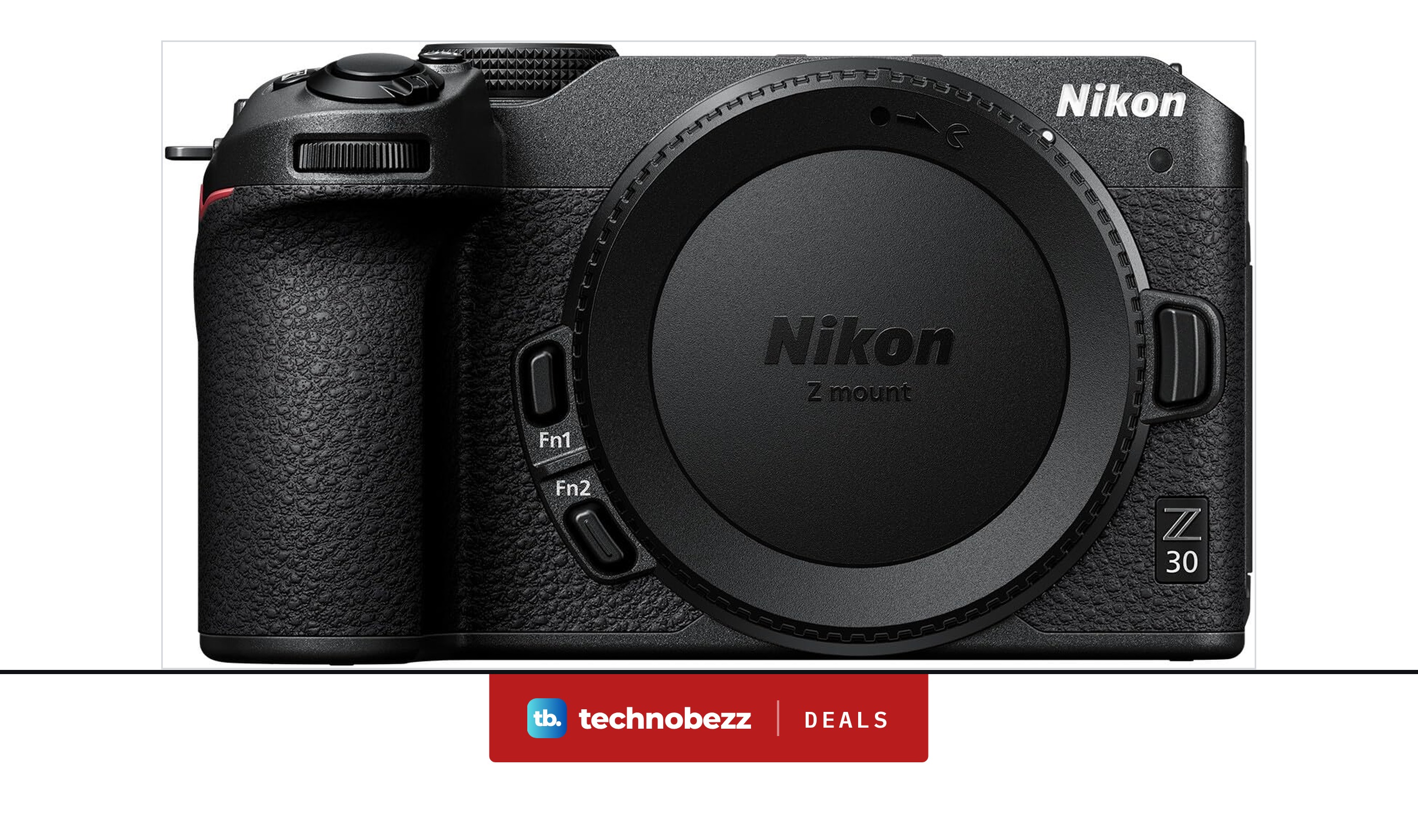
Nikon Z 30 Our Most Compact Camera on sale for $556.95
Deal
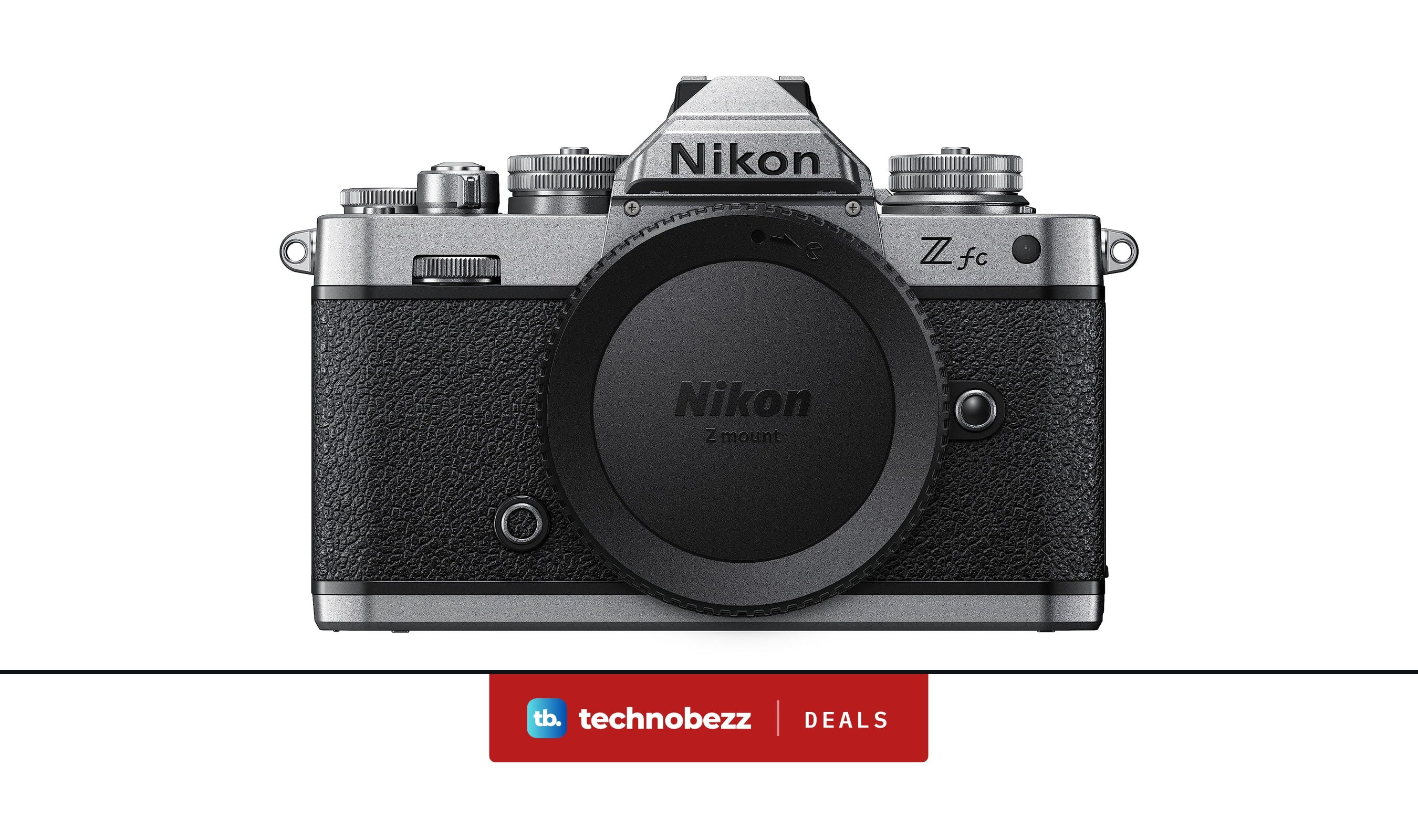
Nikon Z fc Retro-Inspired Compact mirrorless Stills/Video Camera now $756.95, down from $1059.95
Deal
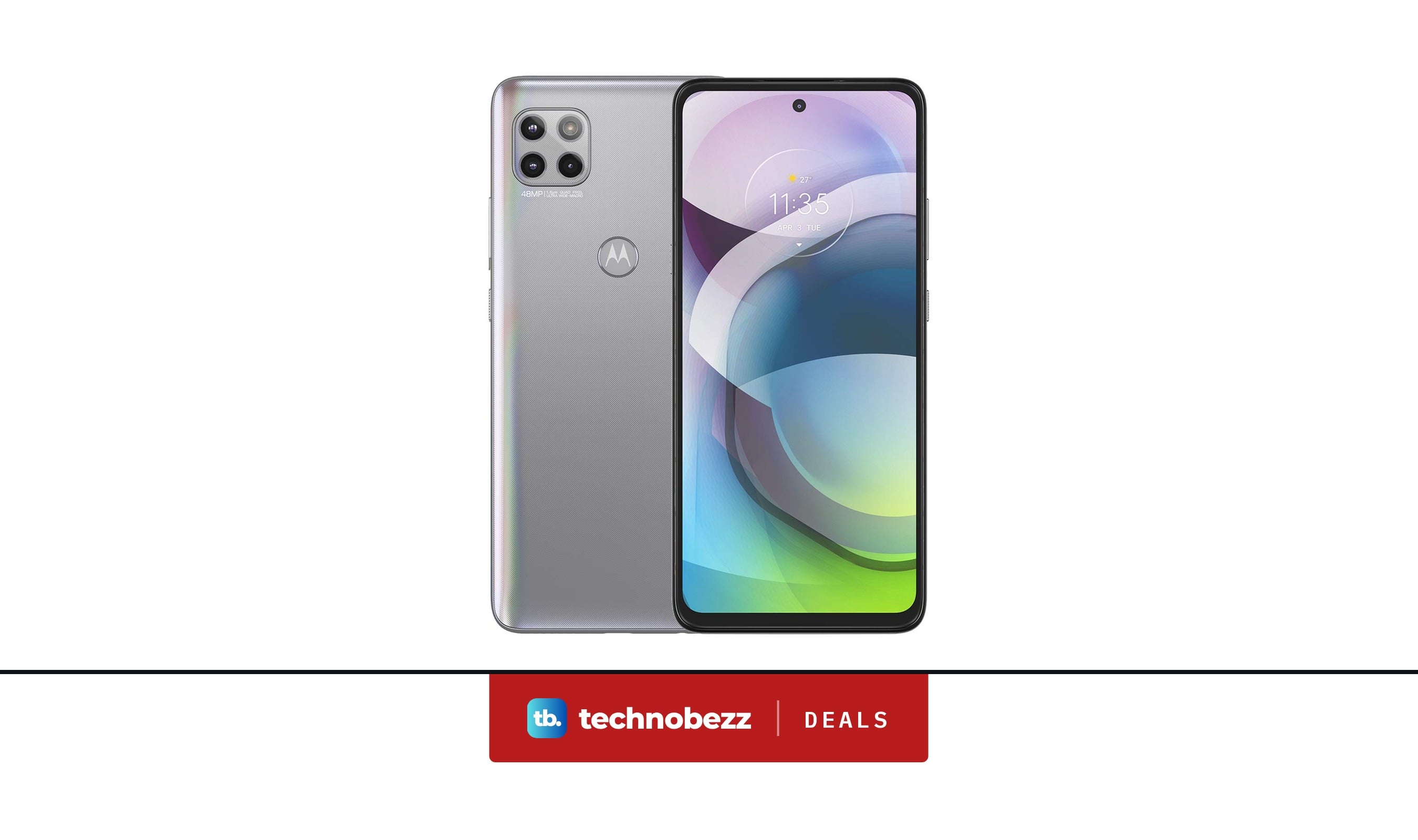
Motorola Moto G 5G Unlocked 6/ MP Camera discounted to $247.99
Buying guide
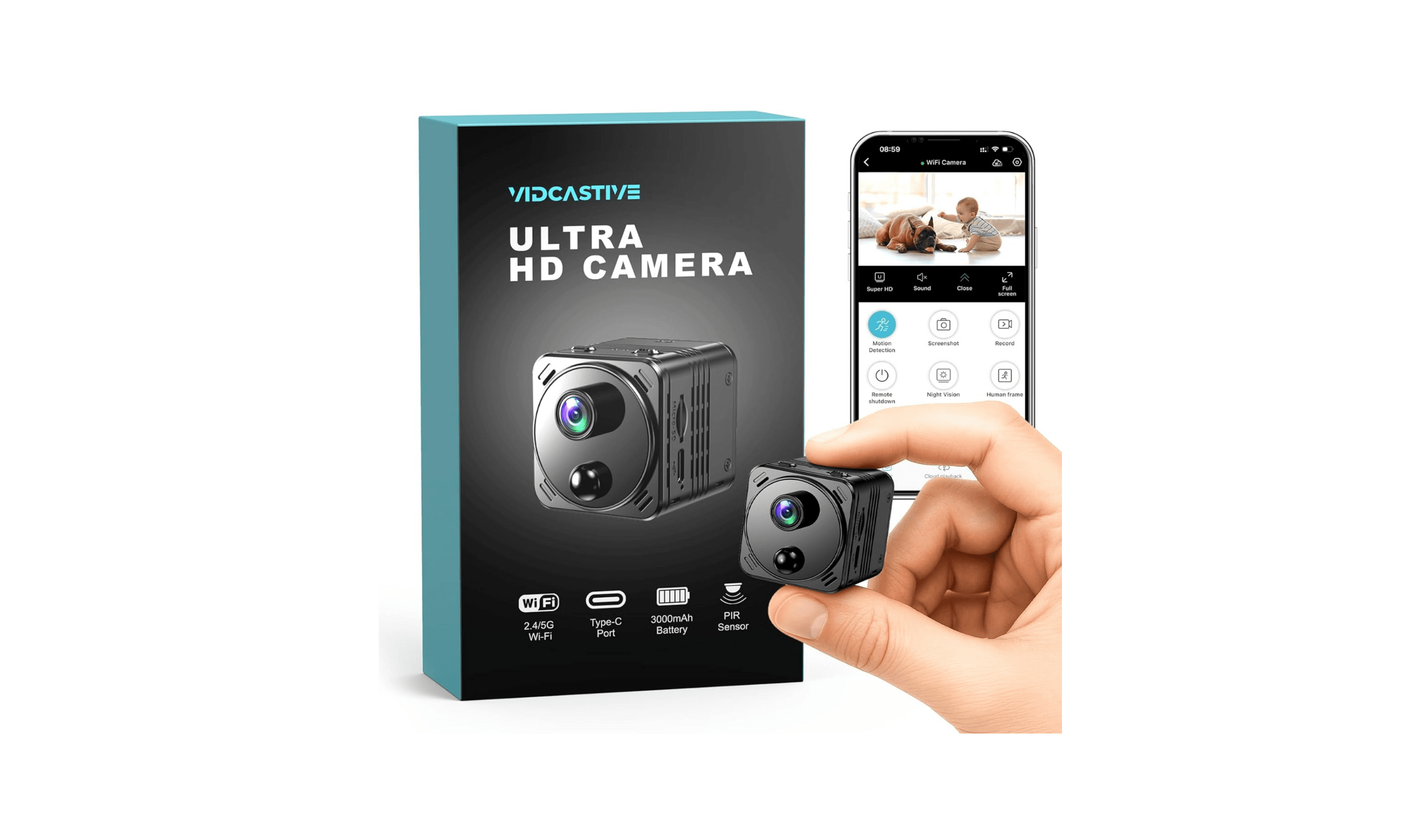
5 Spy Cameras for Home and Portable Monitoring (2026)
More buying guides
Buying guideBest Translation Earbuds for 2026Buying guideBest Laptops for Graphic Design in 2026Buying guide6 Best Travel Laptops From Budget Picks to Premium ModelsBuying guide9 Best Desktops Under $1500 for 2026Buying guide7 Best Laptops for High School Students in 2026Buying guide7 Best Noise Cancelling Headphones to Buy in 2026Buying guide9 Best Keyboards From Top Brands in 2026Buying guide8 Best 60 Percent Keyboards of 2026