When your Android phone refuses to download apps, it usually means something is blocking the Play Store, not that your phone is broken. The cause is almost always one of a handful of things: a weak connection, full storage, a wrong clock, or corrupted Play Store data.
This guide starts with a 30-second checklist that fixes most cases, then walks through every deeper fix and the exact error codes you might see. Work top to bottom and stop as soon as your download starts.
30 Second Quick Fix Checklist
Most failed downloads clear up after one of these. Try them in order before anything more involved.
- 1.Check your connection. Swipe down and confirm Wi-Fi or mobile data is on and showing signal. Open a website to confirm it actually works.
- 2.Check your storage. Google needs roughly 1 GB free to install an app. If you are close to full, that is your problem.
- 3.Confirm your date and time are correct. A wrong clock blocks Play Store downloads instantly.
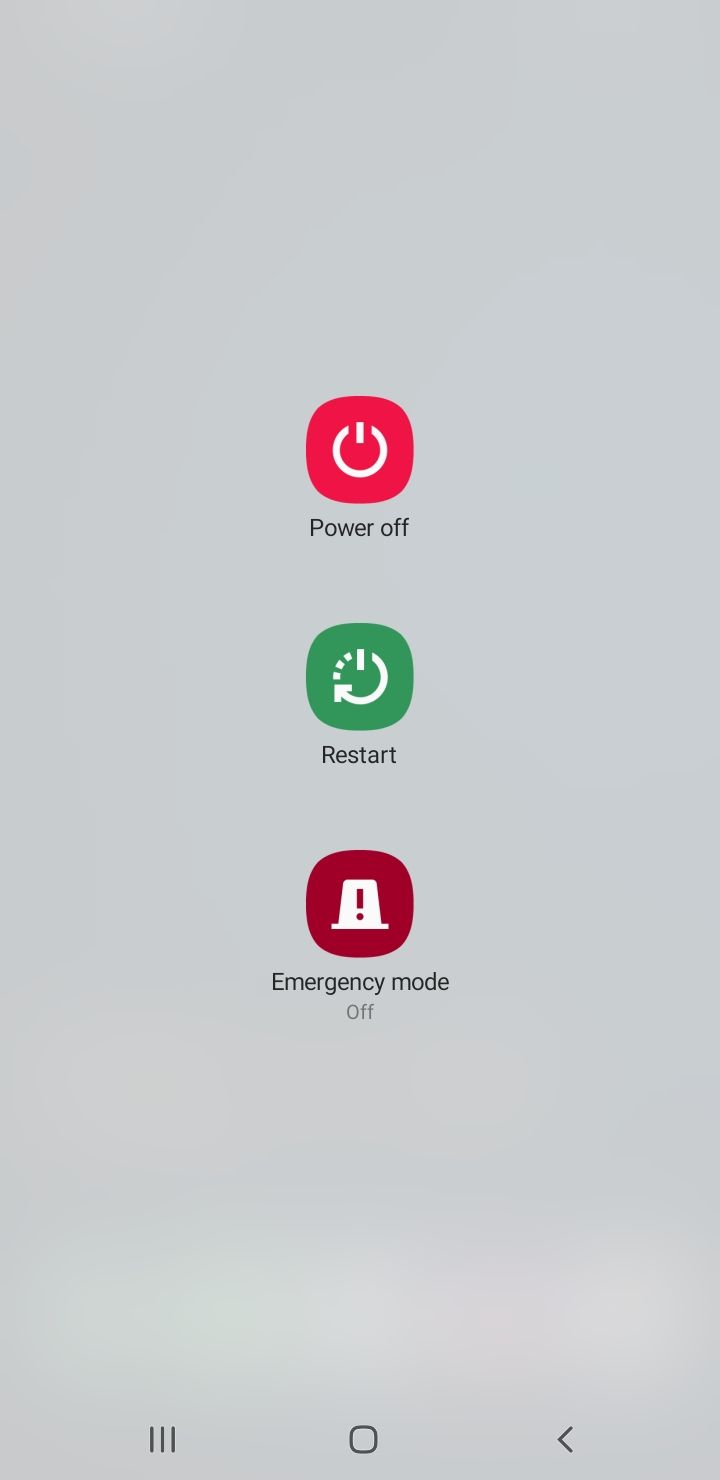
- 4.Restart your phone. Hold the power button, then tap Restart. This clears most temporary glitches.
- 5.Force close and reopen the Play Store. Swipe it away from recent apps, then open it again.
If apps still will not download, find your exact symptom in the table below and jump to the matching fix.
Match Your Symptom to the Fix
Use this to skip straight to the section you need.
| What you see | Most likely cause | Where to go |
|---|---|---|
| Download stuck on "Download pending" | Queued downloads or weak connection | Clear the download queue |
| "Insufficient storage" or "Not enough space" | Storage is full | Free up storage space |
| "Error retrieving information from server [RH-01]" | Account or Play Store data fault | Clear Play Store data and refresh your account |
| Error DF-DLA-15 or DF-BPA-09 | Corrupted Play Store or framework data | Clear Google Play services and framework data |
| Error 911 | Wi-Fi sign-in page or network block | Switch between Wi-Fi and mobile data |
| Downloads only fail on one Wi-Fi network | Network restriction | Switch between Wi-Fi and mobile data |
| Nothing downloads at all, no error | Corrupted Play Store cache or updates | Clear cache, then uninstall Play Store updates |
Check Your Connection First
A download cannot finish on an unstable connection, even if the bars look full. Pull down the notification shade and confirm your Wi-Fi or mobile data icon is active.
Open a browser and load any website to confirm the connection actually works. If the page will not load, the problem is your network, not the Play Store.
By default the Play Store may be set to download only on Wi-Fi. To allow downloads on cellular, open the Play Store, tap your profile picture, then go to Settings > Network preferences > App download preference and choose Over any network.
Free Up Storage Space
Running low on storage is one of the most common reasons downloads fail, and it is easy to miss. Google recommends keeping at least about 1 GB of free space before installing an app.
To check your space on most phones, go to Settings > Storage. On Samsung Galaxy phones, go to Settings > Battery and device care > Storage.
If you are close to full, clear room before retrying:
- 1.Uninstall apps and games you no longer use.
- 2.Delete or back up large videos and photos to cloud storage.
- 3.Clear the cache for storage-heavy apps you keep.
- 4.Empty downloaded files you do not need.
Remember that an app needs extra temporary space to unpack and install, so a download can fail even when the app itself looks small.
Fix Incorrect Date and Time Settings
Google servers check your phone's clock when you download apps. If the date, time, or time zone is wrong, the connection to the server fails and downloads stop.
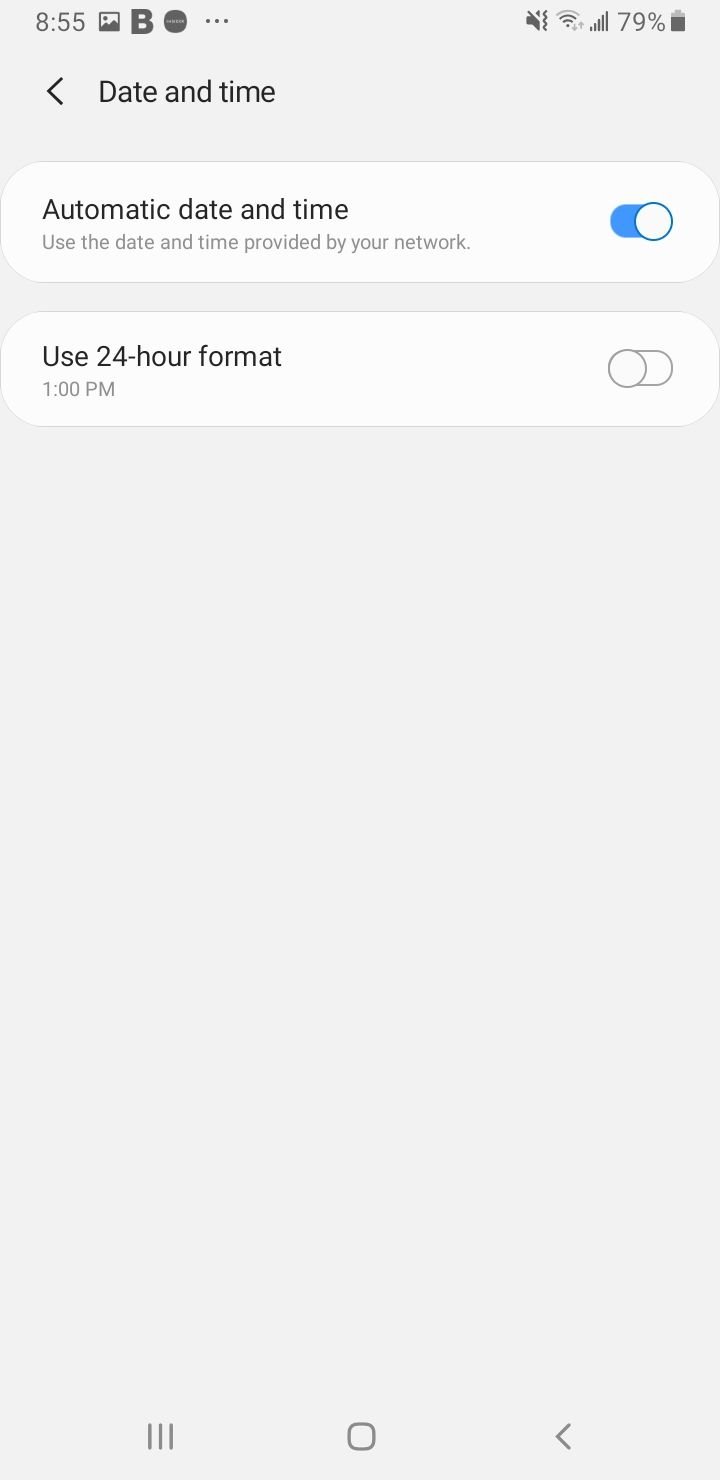
To fix the clock on most phones, go to Settings > System > Date and time. On Samsung Galaxy phones, go to Settings > General management > Date and time.
- 1.Turn on Set time automatically.
- 2.Turn on Set time zone automatically.
- 3.If automatic is already on but downloads still fail, turn it off and set the correct date, time, and time zone by hand.
Switch Between Wi-Fi and Mobile Data
Some networks, especially public, work, or school Wi-Fi, restrict the connections the Play Store needs. If downloads fail on Wi-Fi, switching to mobile data is a fast way to confirm it.
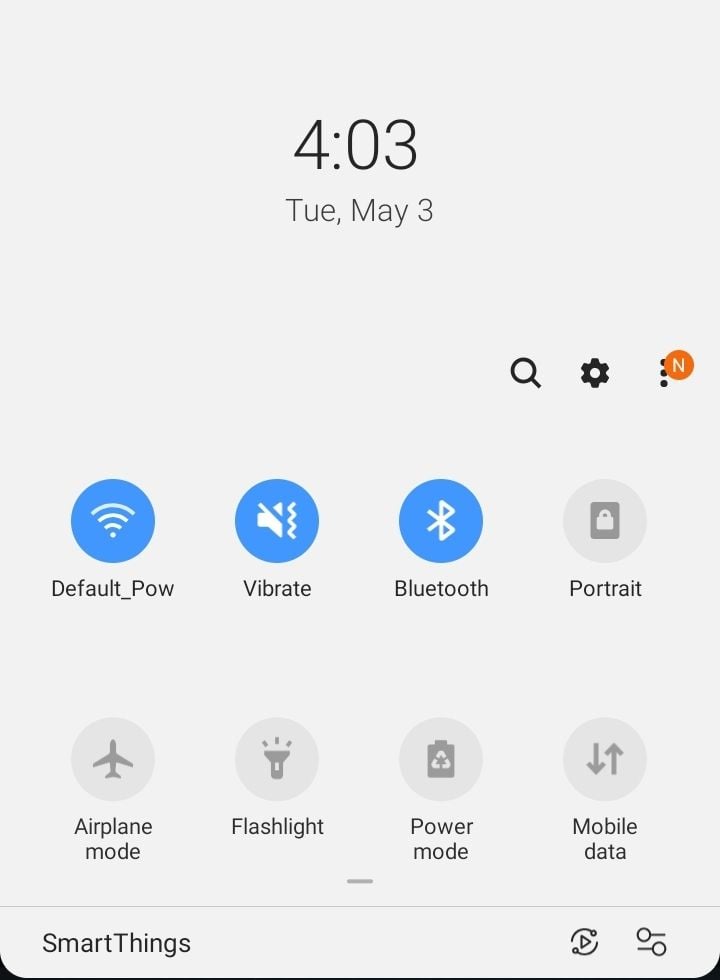
To switch networks, pull down the notification shade, tap the Wi-Fi icon to turn it off, then tap the mobile data icon to turn it on. Try the download again.
If it works on mobile data but not Wi-Fi, the issue is that network. Try a different Wi-Fi network, or if you are on a hotel or cafe network, open a browser first and complete any sign-in page before downloading.
Clear the Download Queue and Pending Downloads
A "Download pending" message usually means too many downloads are queued at once, or one is stuck. Clearing the queue lets the app you want move ahead.
Open the Play Store, tap your profile picture, then tap Manage apps and device. Look under the Manage tab for anything updating or downloading and cancel the ones you do not need right now.
If a single app is stuck, tap it and cancel the download, then start it again on its own. With nothing else competing for bandwidth, it often completes immediately.
Force Close and Reopen the Play Store
A frozen Play Store session can leave downloads hanging. Closing it fully and reopening forces a fresh start.
Open your recent apps view, swipe the Play Store away to close it, then tap its icon to reopen. Try the download again before moving on to clearing data.
Clear Google Play Store Cache and Data
Corrupted cache files are a frequent cause of failed downloads. Clearing them is safe and is the single most effective Play Store fix.
Touch and hold the Google Play Store icon, then tap App info. Tap Storage and cache, then tap Clear cache and try your download again.
If that does not help, return to the same screen and tap Clear storage, then Delete. This resets the Play Store and you may need to sign in again, but it does not delete your installed apps.
Clear Google Play Services Cache and Data
Google Play services handles communication between your apps and Google's servers, so problems here can stop downloads cold. This is the fix for several server and framework errors.
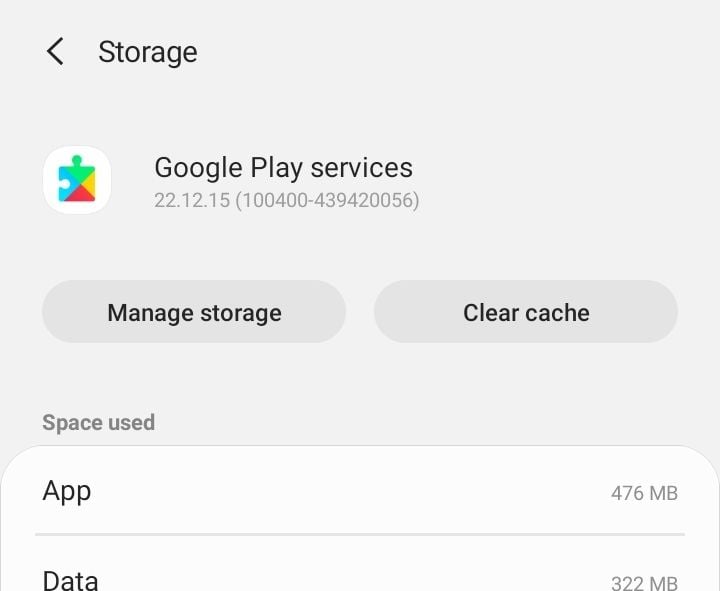
Go to Settings > Apps > Google Play services, then tap Storage and cache. Tap Clear cache first and test.
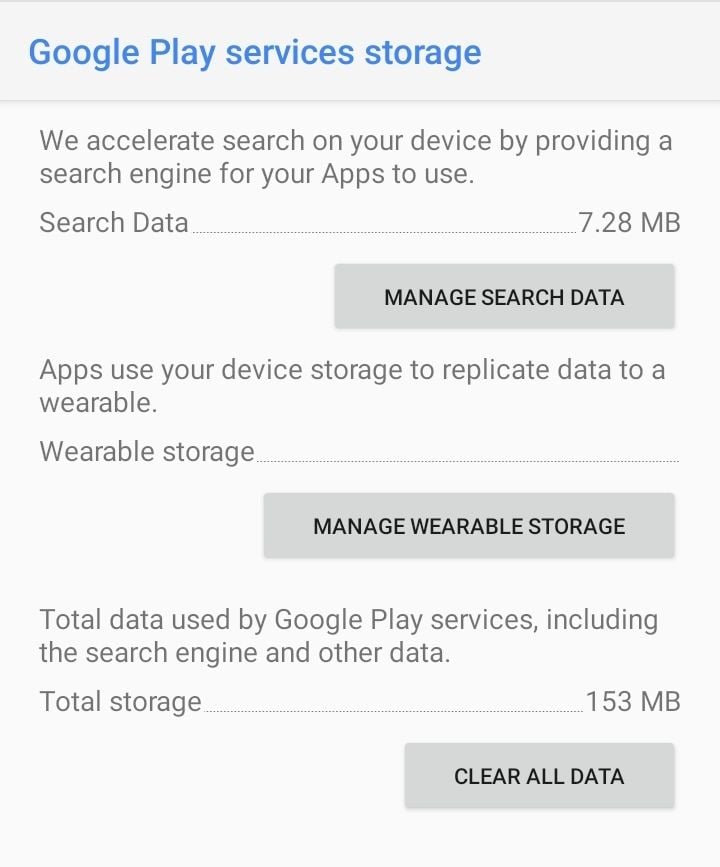
If downloads still fail, tap Manage storage (or Clear storage), then Clear all data and Delete, and restart your phone. Note that clearing this data can reset some app sign-ins and location settings, so expect to confirm a few permissions afterward.
Enable and Clear the Download Manager
The Download Manager is a system service that handles downloads in the background. If it is disabled or its data is corrupted, app installs can stall.
Go to Settings > Apps, tap the three dot menu, and choose Show system apps. Find Download Manager and tap Enable if it is turned off.
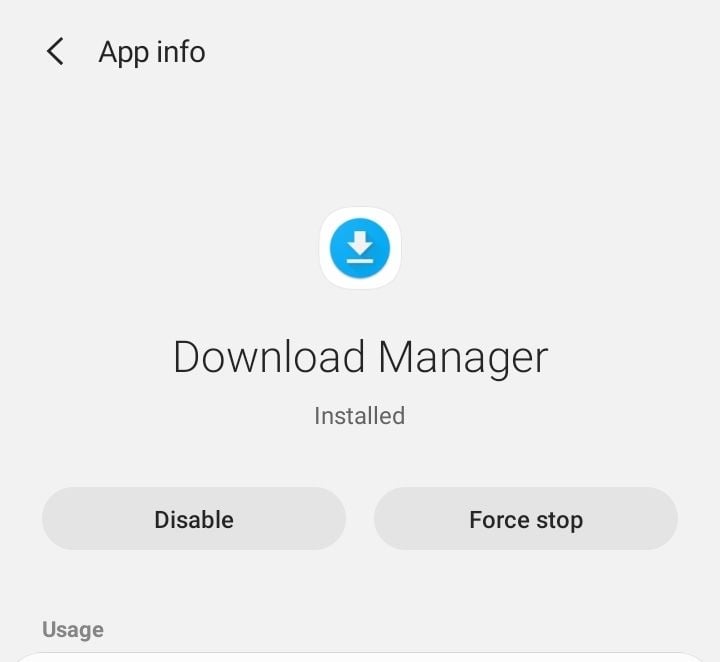
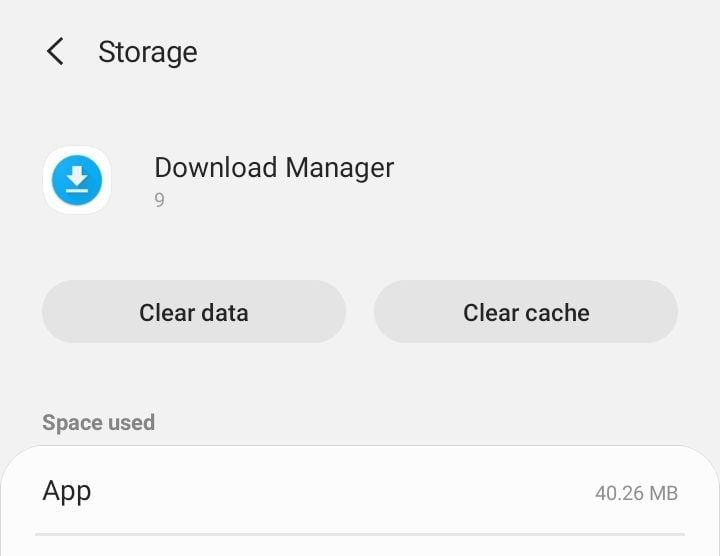
To clear its data, open Download Manager from the same list, tap Storage and cache (or Storage), then tap Clear cache and Clear storage.
Refresh Your Google Account Sync
A stalled account sync can block the Play Store from confirming your downloads. Forcing a fresh sync often clears it.
Go to Settings > Accounts (or Passwords and accounts) and select your Google account. Open Account sync to see what is syncing.

Tap the three dot menu and choose Sync now, or turn sync off, wait about 30 seconds, and turn it back on. Then return to the Play Store and try the download.

Check Google Play Services Permissions
Google Play services needs the right permissions to download and install apps. Missing permissions can quietly break downloads.
Go to Settings > Apps > Google Play services, then tap Permissions. Make sure Files and media (or Storage) access is allowed.
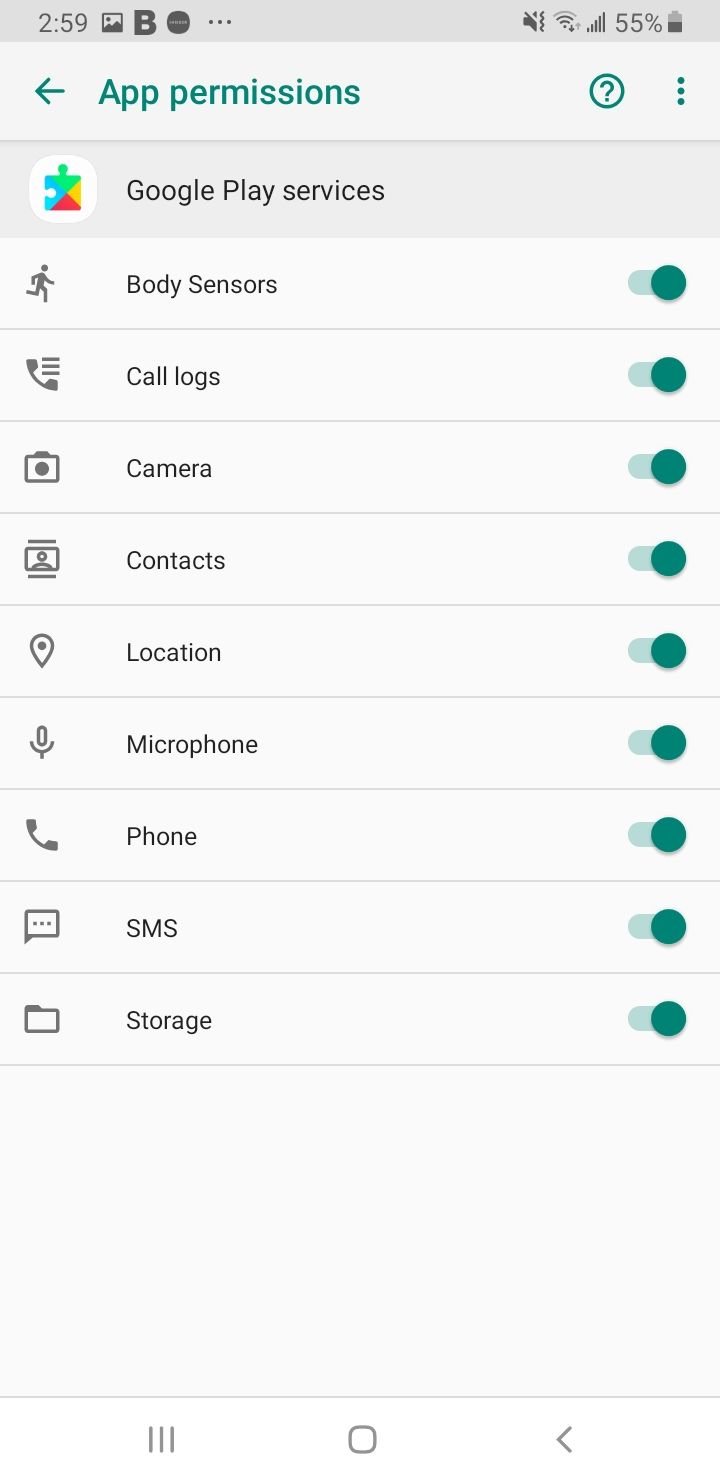
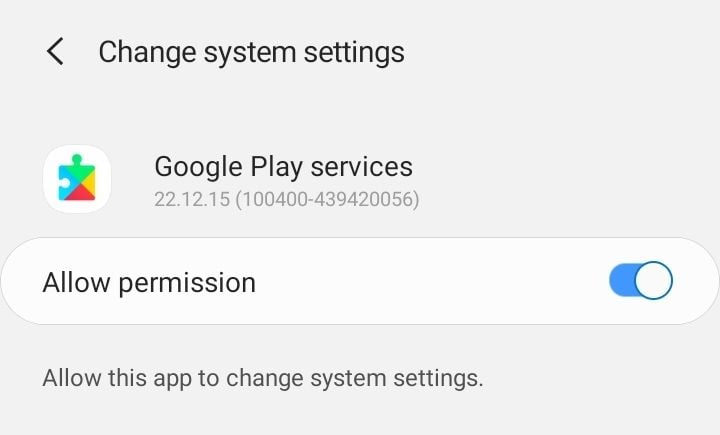
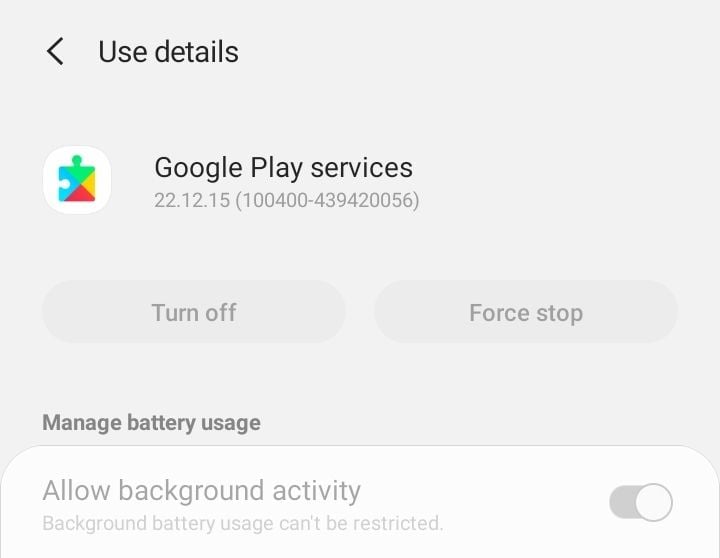
While you are here, confirm the app is not restricted from running in the background, since that can interrupt long downloads.
Force Stop Google Play Services
If Google Play services is stuck in a bad state, force stopping it gives it a clean restart without clearing your data.
Go to Settings > Apps > Google Play services and tap Force stop, then confirm. Reopen the Play Store and try the download again.
Update Your Android Software
An outdated system can fall out of step with the Play Store and current apps. Installing pending updates often restores downloads.
Go to Settings > System > System update, then tap Check for update. On Samsung phones, go to Settings > Software update and tap Download and install.
Install anything available and let your phone restart, then test a download.
Uninstall Google Play Store and Play Services Updates
If a recent update introduced a bug, rolling it back can fix downloads while you wait for a corrected version.
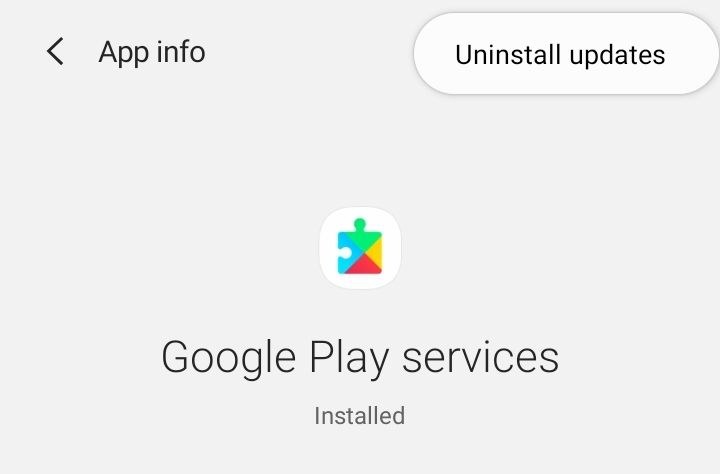
For the Play Store, touch and hold its icon, tap App info, tap the three dot menu, and choose Uninstall updates. Restart your phone, then reopen the Play Store so it can update itself again.
You can do the same for Google Play services under Settings > Apps > Google Play services > three dot menu > Uninstall updates. Restart afterward so the latest version reinstalls.
Remove and Re-Add Your Google Account
A persistent account fault, including the RH-01 server error, often clears after you remove and re-add your Google account.
Go to Settings > Accounts (or Passwords and accounts), select your Google account, and tap Remove account. Back up anything important first, since this signs you out of Google services on the phone.
Then go back to Accounts, tap Add account, choose Google, and sign in again. Reopen the Play Store and retry the download.
Fix Specific Play Store Error Codes
Some downloads fail with a specific code. Here is what each common one means and how to clear it.
Error retrieving information from server RH-01. This points to a Play Store or account fault. Clear Google Play Store data, then if needed remove and re-add your Google account.
DF-DLA-15. This is corrupted Play Store or framework data. Clear Google Play services data, and on Xiaomi, Redmi, or Poco phones also clear Google Services Framework data under Settings > Apps (Show system apps).
DF-BPA-09 error processing purchase. This relates to Google Services Framework. Go to Settings > Apps, show system apps, open Google Services Framework, tap Storage, then Clear data and OK, and try again.
Error 911. This usually means a Wi-Fi sign-in page or network block. Complete any captive portal login in your browser, clear Google Play services cache, or switch to mobile data.
Insufficient space. This is a storage problem. Free up space using the storage steps above and retry.
Factory Reset as a Last Resort
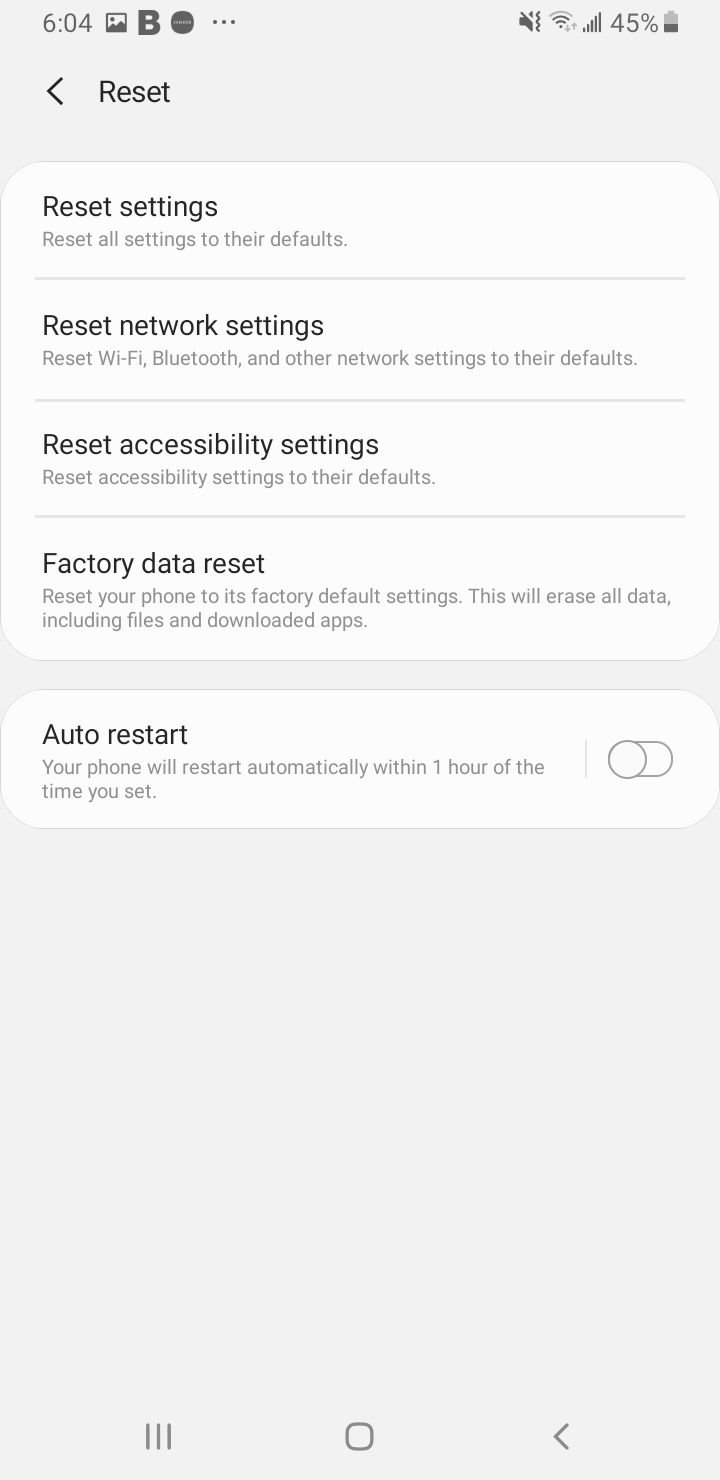
If every other fix fails, a factory reset rebuilds the phone's software from scratch and almost always restores downloads. This erases everything on the device, so treat it as a final option.
Back up your photos, files, and accounts first, using your Google account or a computer. On most phones, go to Settings > System > Reset options > Erase all data. On Samsung phones, go to Settings > General management > Reset > Factory data reset.
After the reset and setup, open the Play Store and download one essential app to confirm it works, then rebuild your app collection from there.
Frequently Asked Questions
Why does my phone say download pending
It usually means too many downloads are queued at once or your connection dropped. Open the Play Store, tap your profile picture, go to Manage apps and device, and cancel other pending downloads so the one you want can run on its own.
Why won't apps download on Wi-Fi but work on mobile data
Some Wi-Fi networks, especially public or workplace ones, block the connections the Play Store needs. Switch to mobile data to confirm, try a different Wi-Fi network, or complete any sign-in page in your browser before downloading.
How do I clear the Google Play Store cache
Touch and hold the Google Play Store icon, tap App info, then tap Storage and cache and choose Clear cache. If downloads still fail, tap Clear storage on the same screen, which resets the Play Store without deleting your installed apps.
Why is my Google Play Store not working at all
The most common causes are a wrong date and time, full storage, or corrupted Play Store data. Fix the clock, free up at least 1 GB of space, then clear the Play Store cache and data, and restart your phone.
Does clearing Google Play services data delete my apps
No. It clears temporary data and may sign you out of some Google features and reset a few permissions, but your installed apps and personal files stay in place. You will simply confirm a few settings the next time you open affected apps.
How much free storage do I need to download an app
Aim for at least about 1 GB of free space. An app needs extra room to unpack and install beyond its listed size, so a download can fail even when the app looks small and you appear to have room.
First published October 14, 2025. Last updated June 4, 2026.