
Seeing a "SIM Not Provisioned" message on your Samsung Galaxy Z Flip 6 is a real roadblock, especially when you need to make a call or use mobile data. This error means your phone can't connect to your carrier's network because the SIM card isn't properly activated or recognized by their system.
Let's jump straight into the most common fix. I'd start by simply restarting your phone. A quick reboot can clear out temporary software glitches that might be preventing the network connection. Just press and hold the Volume Down and Side button together for about ten seconds until you see the Samsung logo.
Check Your SIM Card Activation and Status
If you just got a new SIM card or switched to a new plan, it might not be activated yet. This is the most frequent cause. You'll need to contact your mobile carrier directly. They can check your account status from their end to see if the SIM is active or if there's an issue with your service provisioning.
For prepaid plans, make sure your account has sufficient balance. A lack of funds can lead to a service suspension, which often triggers this error. You can usually check this through your carrier's official app or by giving them a quick call.
Refresh the Network Connection
Your Z Flip 6 might just need a nudge to reconnect. Swipe down twice from the top of your screen to open the full Quick Settings panel. Tap the Airplane Mode icon to turn it on, wait about 30 seconds, and then tap it again to turn it off.
This forces the phone's modem to search for the network again. If that doesn't work, try manually selecting your network. Go to Settings > Connections > Mobile networks > Network operators. Tap "Search networks," then choose your specific carrier from the list that appears.
Reinsert and Inspect the SIM Card
It's worth taking the SIM tray out for a quick inspection. Power off your Galaxy Z Flip 6 first. Locate the SIM tray on the bottom edge of the phone and use the ejector tool (or a careful paperclip) to pop it out.
Look at the gold contacts on the SIM card itself. If you see any dust, lint, or slight corrosion, gently wipe them clean with a dry, soft cloth. Carefully reinsert the tray, making sure the card is seated firmly and correctly in its slot, then power the phone back on.
Update Your Phone's Software
Sometimes, a software bug can interfere with network services. Make sure your Z Flip 6 is running the latest version of Android and One UI. Go to Settings > Software update > Download and install.
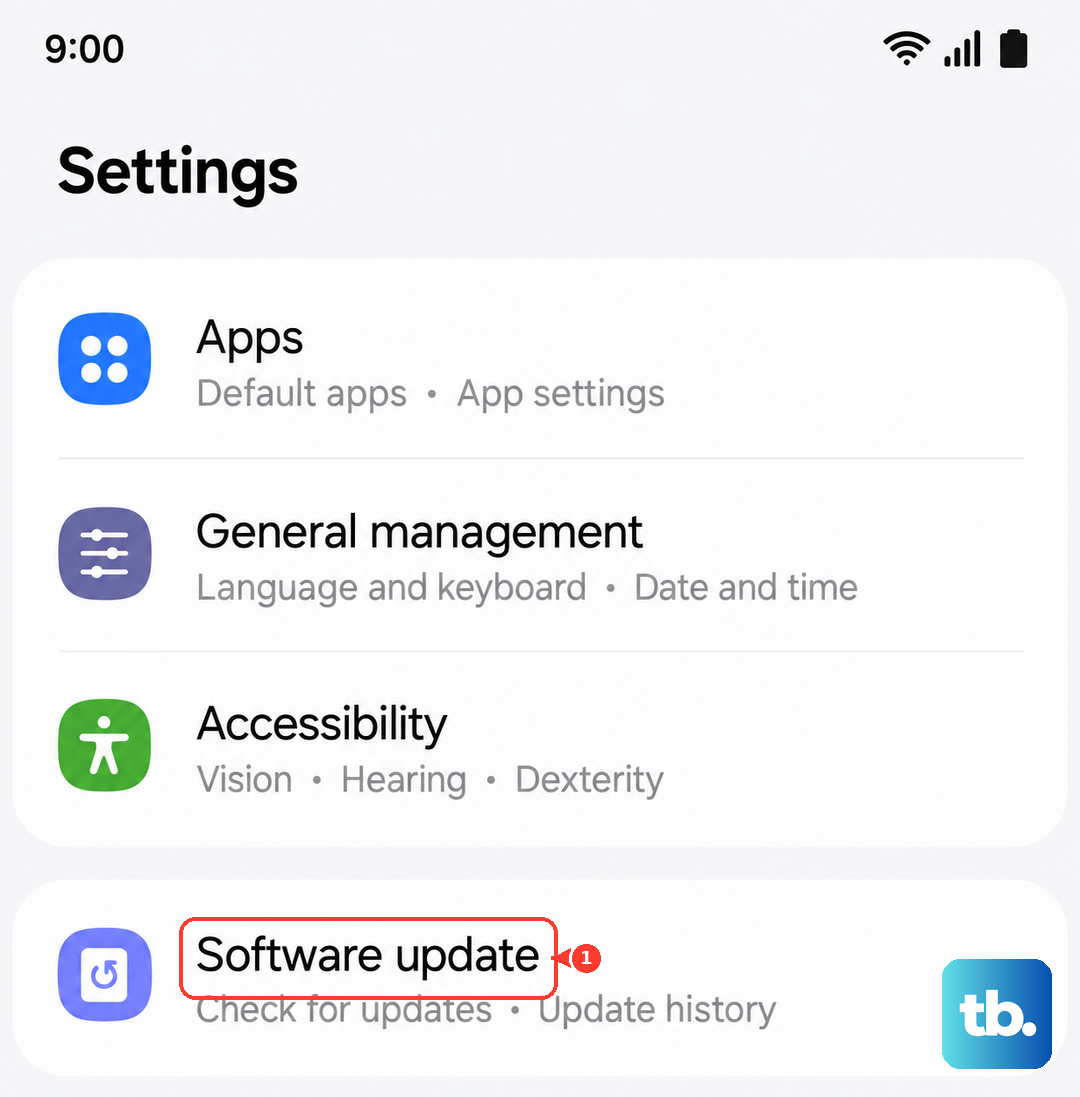
While you're there, it's also a good idea to check for updates to carrier-specific services. Open the Google Play Store, tap your profile icon, go to "Manage apps & device," and see if there are any updates available under the "Updates available" section.
Reset Your Network Settings
If you're still stuck, resetting your network settings can clear any corrupted configuration data. This will erase all saved Wi-Fi networks, Bluetooth pairings, and mobile network preferences, so you'll have to reconnect to Wi-Fi afterward.
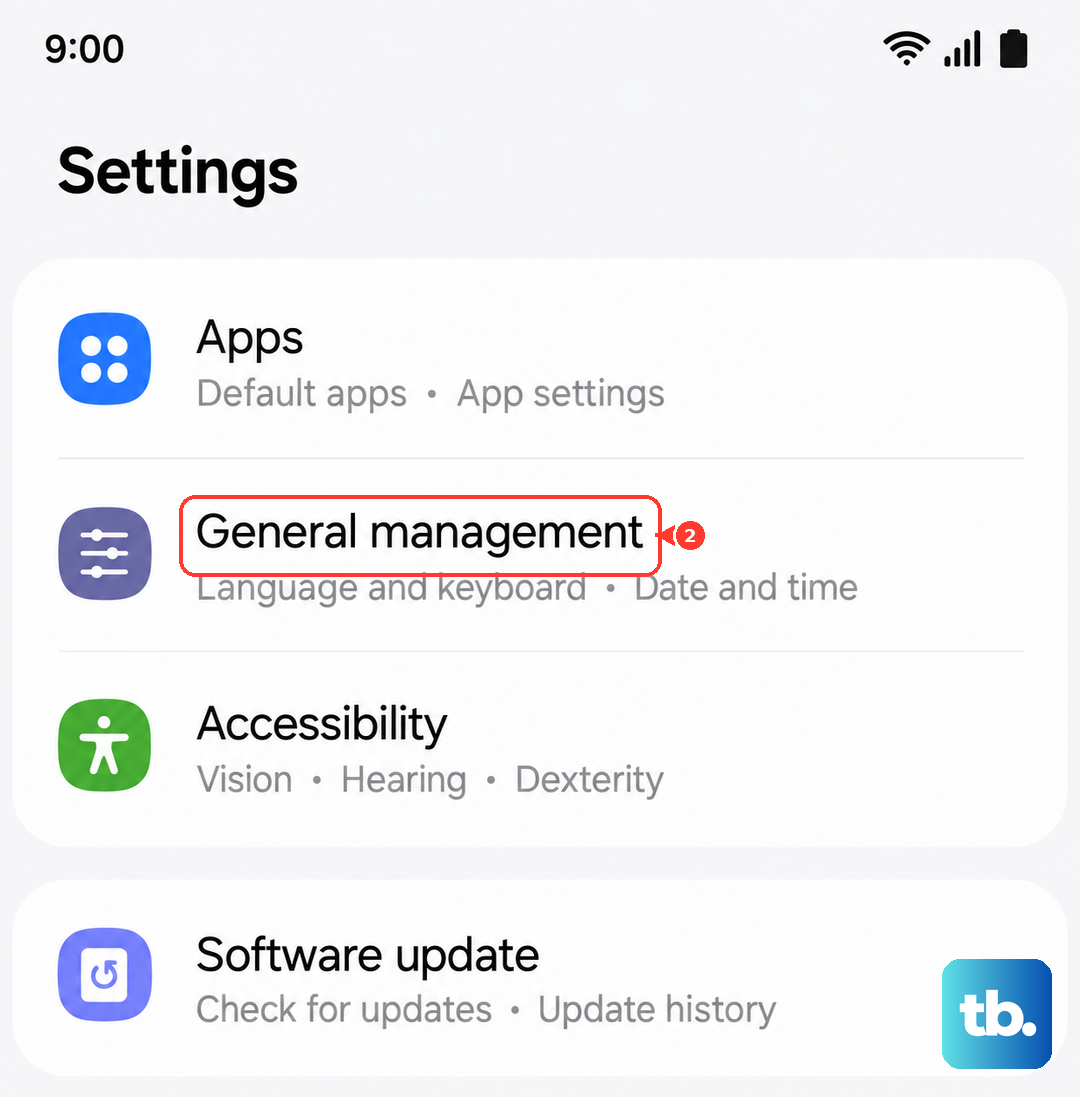
To do this, navigate to Settings > General management > Reset > Reset network settings. Tap "Reset settings" and confirm. Your phone will restart, and you can then try setting up your mobile connection again.
Test the SIM Card in Another Device
This is a great way to figure out where the problem lies. If you have access to another unlocked phone, power it off and insert your Z Flip 6's SIM card. Turn that phone on and see if it gets service.
If the SIM works in the other phone, the issue is likely with your Z Flip 6's hardware or software. If it also shows as "not provisioned" in the second device, then the problem is definitely with the SIM card or your carrier account.
In that case, your next step is to get back in touch with your mobile provider. They can run deeper diagnostics, check for wider network outages in your area, or issue a replacement SIM card if yours is found to be faulty.