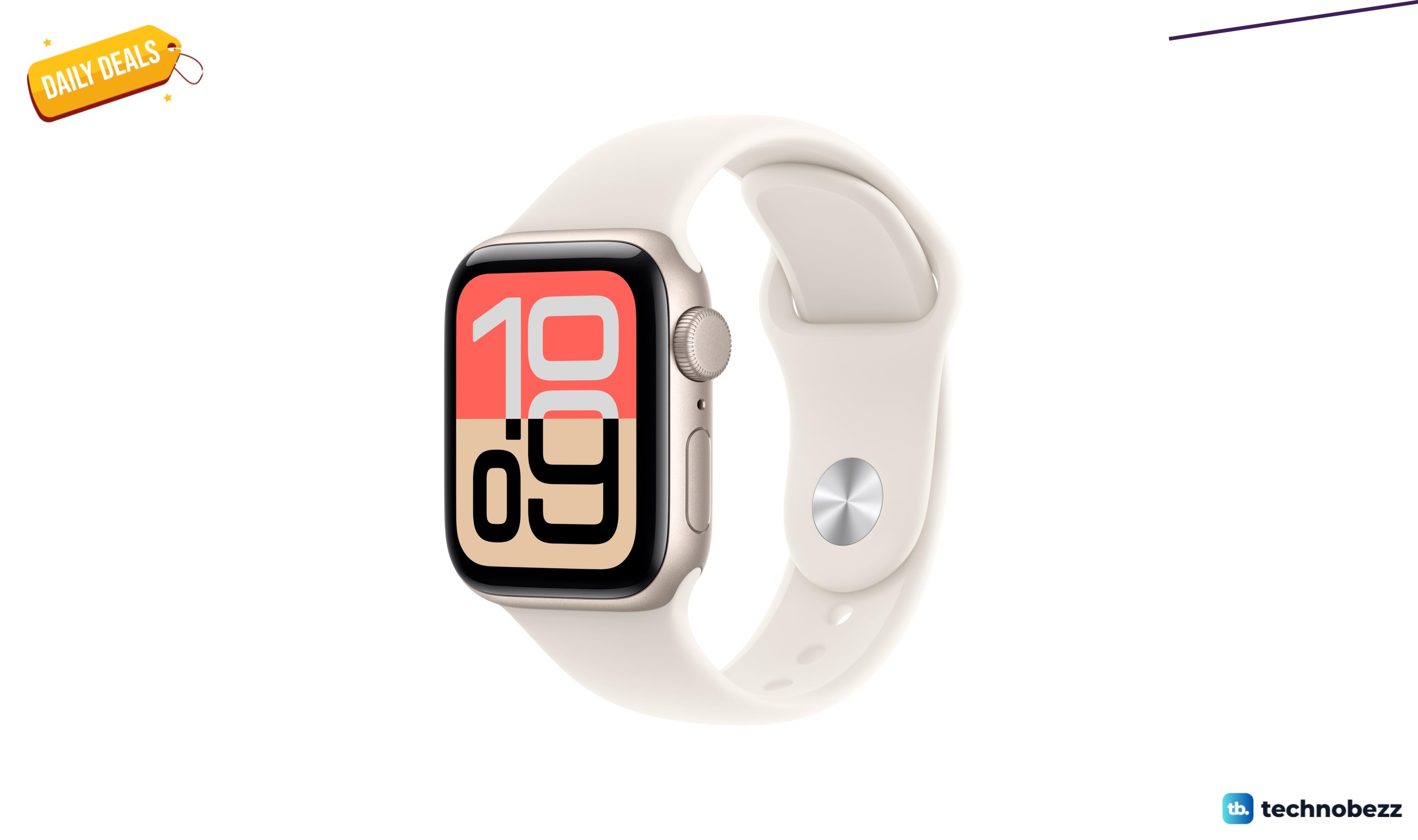

Wear OS 6 displays persistent UI glitches on Pixel and Galaxy Watches, creating overlapping watch face elements that obscure information. The bug specifically targets third-party watch faces during always-on display transitions, leaving users with ghosted screens and diminished functionality.
Google's latest smartwatch operating system, deployed to eligible devices in December 2025, introduced the problem alongside its Material 3 Expressive design overhaul. Samsung has publicly attributed the fault to Google's core Wear OS 6 framework rather than its own hardware or software overlays.
The glitch manifests when watches switch from dimmed always-on display states to full interactive modes. Instead of clean transitions, elements from both display modes linger on screen, creating overlapping UI components that make watch faces difficult to read. This affects Pixel Watch 3 and 4 models alongside Samsung's Galaxy Watch 8 and Ultra series.
Developers examining the issue believe it stems from a race condition in Wear OS 6's animation engine. The operating system's new opacity fade for always-on display transitions fails to complete properly, leaving watches stuck between active and ambient modes. This technical flaw disproportionately impacts third-party watch face applications while leaving pre-installed options unaffected.
Google and Samsung have both acknowledged the problem through their respective issue tracking systems. The bug was first reported in October 2025, and users hoped for resolution in the Wear OS 6.1 update that began rolling out in December. However, the display issue reportedly remains unresolved in current software versions.
The problem exposes broader challenges in Google's wearable ecosystem management. A separate but related Google Weather bug has also affected Wear OS devices, creating endless loading screens for weather data across Pixel and Galaxy Watches. Google implemented a server-side fix for the weather issue, but the incident reveals compatibility gaps during platform transitions between legacy and newer app generations.
For affected users, temporary workarounds include switching to different watch faces, disabling always-on display functionality, or restarting devices. Some developers suggest editing XML codes to set transition times to zero, effectively disabling the problematic fade animation. These solutions provide only partial relief while users await official patches.
The glitch's persistence into early 2026 raises questions about quality assurance processes for Wear OS updates. With the wearable market projected to exceed 200 million annual shipments by 2027, such display issues could impact user adoption and developer confidence in Google's platform.
Industry analysts note that similar transition problems plagued early Android versions on smartphones, eventually resolved through community pressure and subsequent updates. The current Wear OS situation highlights the challenges of maintaining an open platform where third-party applications must integrate with rapidly evolving system frameworks.
Google has yet to announce a formal timeline for resolving the watch face transition bug. Historical patterns suggest fixes could arrive in an upcoming point release, possibly Wear OS 6.2. Google's recent December Pixel update addressed numerous display and battery issues across its smartphone lineup, demonstrating the company's capacity for rapid bug resolution when prioritizing fixes. Samsung may also push its own firmware adjustments to alleviate symptoms on Galaxy devices.
The overlapping UI issue represents a significant usability setback for Wear OS 6's otherwise enhanced feature set, which includes improved always-on display experiences and expanded tile functionality. As smartwatches become increasingly central to daily workflows, reliable display performance remains essential for maintaining user trust in wearable ecosystems.