
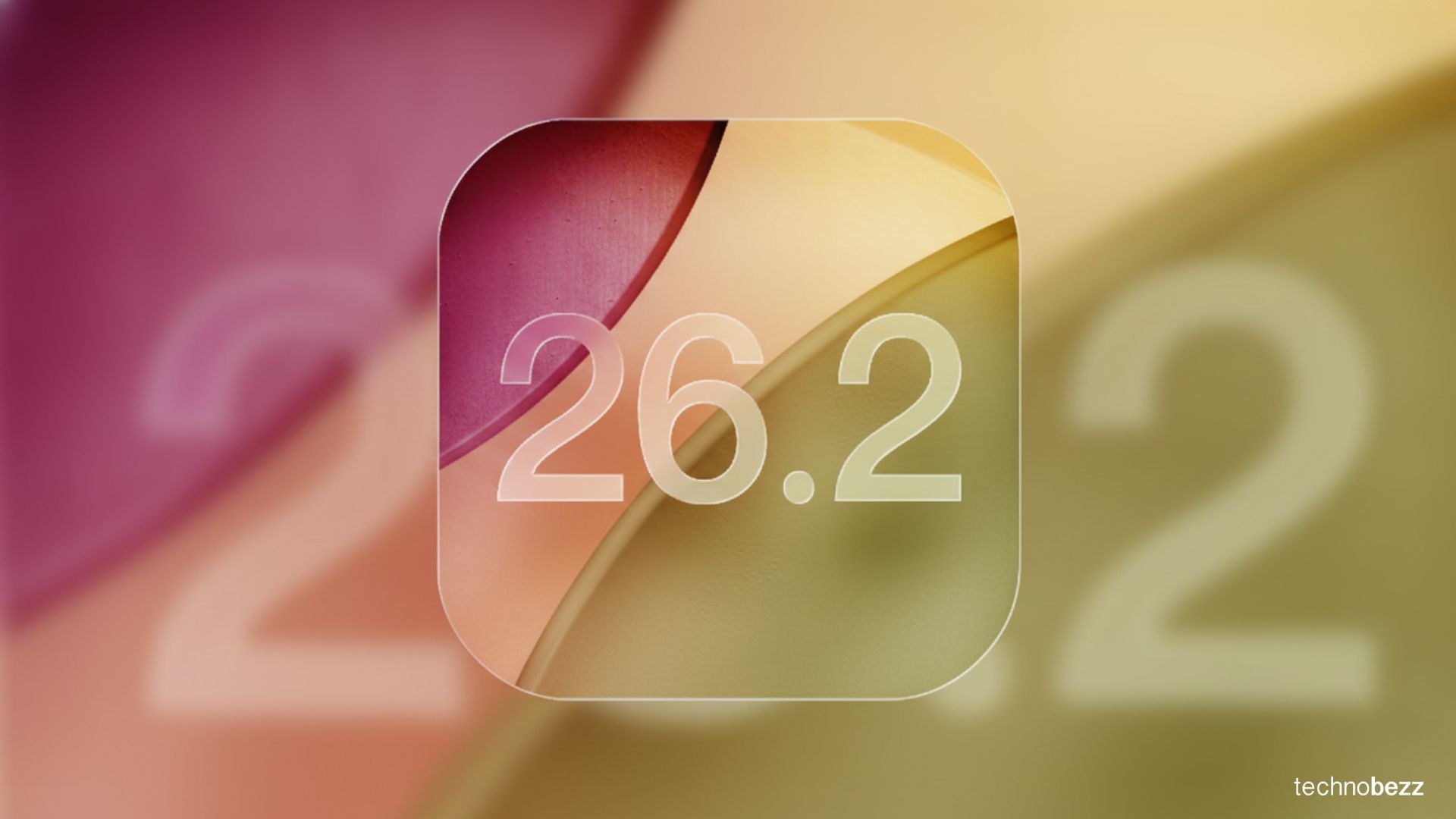
Apple's iOS 26.2 update is triggering keyboard display glitches across iPhones while forcing millions of users to adopt the new operating system. The December 12 release fixes over 20 security vulnerabilities but introduces visual bugs that affect daily interactions.
Users report white corners and blocks appearing on the on-screen keyboard, creating an unfinished appearance. These display issues surface when opening the keyboard, particularly after switching accessibility settings or enabling Low Power Mode. The glitches add to existing frustrations with iOS 26's Liquid Glass interface redesign.
Apple has simultaneously blocked iOS 18.7.3 updates for newer iPhone models, according to Forbes and Six Colors reports. Devices from iPhone 11 through iPhone 16 now only see iOS 26.2 as available in Software Update settings. This marks a departure from Apple's typical practice of supporting previous iOS versions with security patches for several months after major releases.
Only three older models - iPhone XS, iPhone XS Max, and iPhone XR - continue receiving iOS 18.7.3 updates. These devices cannot run iOS 26, requiring Apple to maintain separate security support. All other compatible iPhones must choose between iOS 26.2 or remaining on older versions without security updates.
Tech analyst Jason Snell of Six Colors characterized the move as one that "effectively forces users to take the iOS 26 upgrade if they want the security updates." The decision impacts users hesitant about iOS 26's Liquid Glass design or concerned about early-cycle bugs that typically accompany major OS launches.
The keyboard display problems appear related to transparency rendering issues within iOS 26's new visual framework. Some users report that enabling Reduce Transparency in Accessibility settings temporarily resolves the white corner glitches, though this changes system-wide appearance. The issues persist across multiple iOS 26.2 beta discussions, suggesting widespread rendering problems rather than isolated device failures.
Apple released iOS 26.2 alongside iOS 18.7.3 on December 12, addressing security vulnerabilities including actively exploited zero-day threats. The update includes eight new features: a Liquid Glass slider for Lock Screen clock opacity, offline lyrics in Apple Music, revised sleep score ranges, alarms for reminders, Apple Podcasts enhancements, Apple News revamp, screen flash for notifications, and AirPods Live Translation expansion to the EU.
Analysts estimate approximately 50% of eligible iPhones have yet to move to iOS 26, while 10% operate devices officially ineligible for the update. The forced migration comes amid increased spyware targeting iPhones, with security experts warning that delaying updates leaves devices exposed to attacks.
Users who previously accessed iOS 18.7.3 through beta software channels have lost that option. Apple removed the workaround within 24 hours of initial reports, according to MacRumors and developer accounts. The company has not issued an official statement explaining the change or whether iOS 18.7.3 access will return for newer devices.
For affected users, temporary fixes include restarting iPhones, toggling Reduce Transparency settings, disabling Low Power Mode automations, and switching to default Apple keyboards. Permanent resolution requires an iOS update addressing the underlying rendering bug.
The keyboard display issues represent ongoing visual glitches within iOS 26's three-month public release cycle. Developer Michael Tsai noted that "if iOS 26.0 was half-baked, iOS 26.2 is at most two-thirds-baked," highlighting persistent interface problems alongside forced adoption pressures.
Apple's shift in update strategy could signal broader changes to software support timelines. The company traditionally allowed users to delay major upgrades while receiving critical security patches, but this year's transition period ended unexpectedly early. Whether this results from internal error or deliberate policy change remains unclear without official Apple clarification.
Users with compatible devices now face a binary choice: upgrade to iOS 26.2 with its security fixes and interface changes, or remain on older versions without ongoing protection. The decision carries particular weight for those dissatisfied with Liquid Glass aesthetics or experiencing performance issues since iOS 26's initial release.