
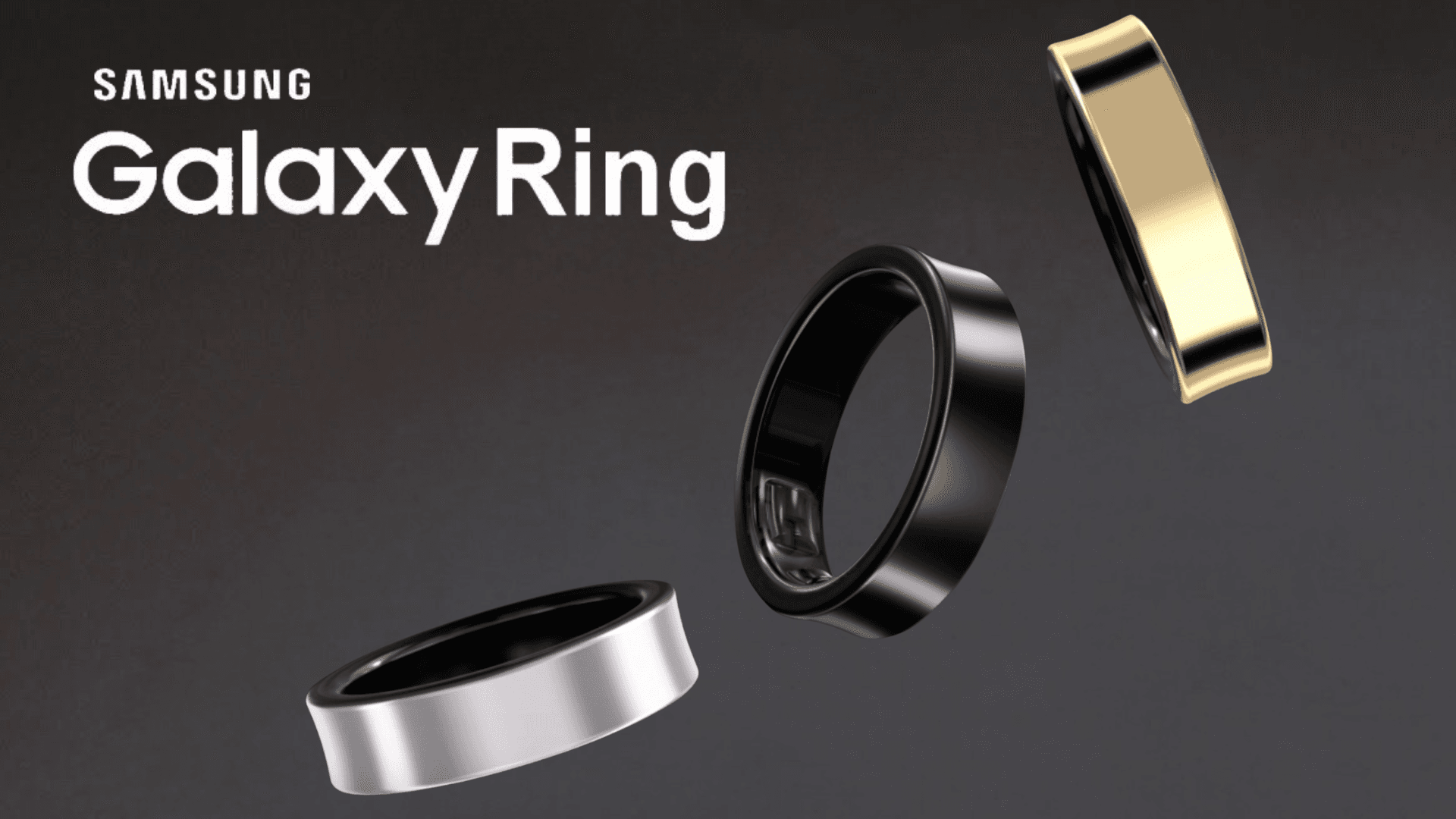
Samsung's Galaxy Ring investigation concluded this week that a cracked internal molding caused a British tech influencer's finger to swell during a flight last September, requiring emergency hospital removal.
Daniel Rotar, a YouTube creator with 1.6 million subscribers, posted on X that his $400 Galaxy Ring battery swelled while he wore the device during air travel. The incident forced him to miss his flight and seek immediate medical attention where doctors had to cut the ring off his finger.
Samsung's three-month investigation, conducted with an independent third-party agency, found the swelling resulted from a crack in the ring's internal housing. Both analyses reached identical conclusions, according to the company's statement shared by Rotar on Wednesday.
The tech giant emphasized "no wider product battery safety risk" exists across the Galaxy Ring lineup. Samsung's official statement noted the device was "designed for everyday wear, with durability at the core" and directed users to customer support guides for individual case reviews.
However, the investigation could not determine what caused the internal molding to crack. Rotar noted this uncertainty remains troubling for Galaxy Ring owners, particularly amid other user reports of battery performance issues.
Some users have experienced only a few hours of usage instead of the advertised multi-day battery life, according to Rotar's X post. Samsung advised affected customers to contact support directly for individual case assessments.
Social media reactions to Samsung's findings have been skeptical. X users described the company's statement as "corporate word salad" and "corpo slop," with several questioning whether the response represented genuine safety assurance or legal damage control.
The September 2025 incident occurred during a long-haul flight where cabin pressure fluctuations reportedly exacerbated normal finger swelling. Samsung's investigation found the combination of pressure changes and a tight-fitting ring created the constriction that required medical intervention.
This marks Samsung's second major wearable safety investigation following 2023 Galaxy Buds Pro nickel allergy concerns. Samsung quietly published support page warnings about possible complications after users reported reactions to the earbuds.
Industry analysts note the timing coincides with increased competition in the smart ring market. Rival Oura leads the segment, while Samsung faces patent disputes that have reportedly delayed its Galaxy Ring 2 launch until late 2026.
Medical experts warn that rings causing constriction can restrict blood flow, potentially leading to nerve damage, tissue injury, or permanent loss of sensation. The pressure from a stuck ring can also cause muscle weakness and movement restrictions if not addressed promptly.
Samsung's handling of the incident follows its 2016 Galaxy Note 7 battery recall, which cost the company billions and damaged its reputation. While the ring incident involves far fewer units, it tests consumer trust in the company's wearable safety protocols.
The Galaxy Ring investigation took three months and involved third-party experts examining materials and design. Samsung noted millions of units have sold without similar reports, classifying Rotar's case as exceptional rather than indicative of systemic issues.
For now, Samsung considers the matter closed with no planned design adjustments or preventative measures. The company recommends users remove rings during flights or activities that might cause swelling, according to its post-investigation guidance.
Smart ring competitors like Evie Ring feature open designs that could prevent similar incidents by allowing removal even with battery swelling. Industry observers suggest such design considerations may become more important as wearable adoption increases.
The incident highlights challenges in balancing minimalist wearable design with safety considerations. Smart rings must maintain rigid construction for durability while accounting for physiological variations and environmental factors like air travel pressure changes.
Samsung continues to advance health monitoring features across its wearable lineup, including recently announced dementia detection capabilities. The company's CES 2026 showcase emphasized AI-driven health insights as central to its wearable strategy.
Consumer trust in wearable safety remains fragile, particularly for devices worn continuously. Samsung's transparent investigation process may help rebuild confidence, but lingering questions about the undetermined crack cause continue to concern some users.
The smart ring market is projected for significant growth in 2026, with Bloomberg forecasting expansion as health monitoring becomes more integrated into daily life. Samsung's handling of this safety incident could influence its competitive position against established players like Oura.
Regulatory attention to wearable safety may increase following incidents like this. In the U.S., smart rings already face import restrictions due to patent disputes, and health agencies could implement additional scrutiny for continuous-wear devices.
For Galaxy Ring owners, Samsung advises monitoring fit and removing devices during potential risk scenarios. The company maintains customer support channels for individual concerns while standing by its investigation's conclusion of no broader safety issues.
The incident serves as a case study in wearable technology's evolution, balancing innovation with fundamental safety considerations. As smart rings gain mainstream adoption, manufacturers must address both advanced features and basic wearability concerns.