
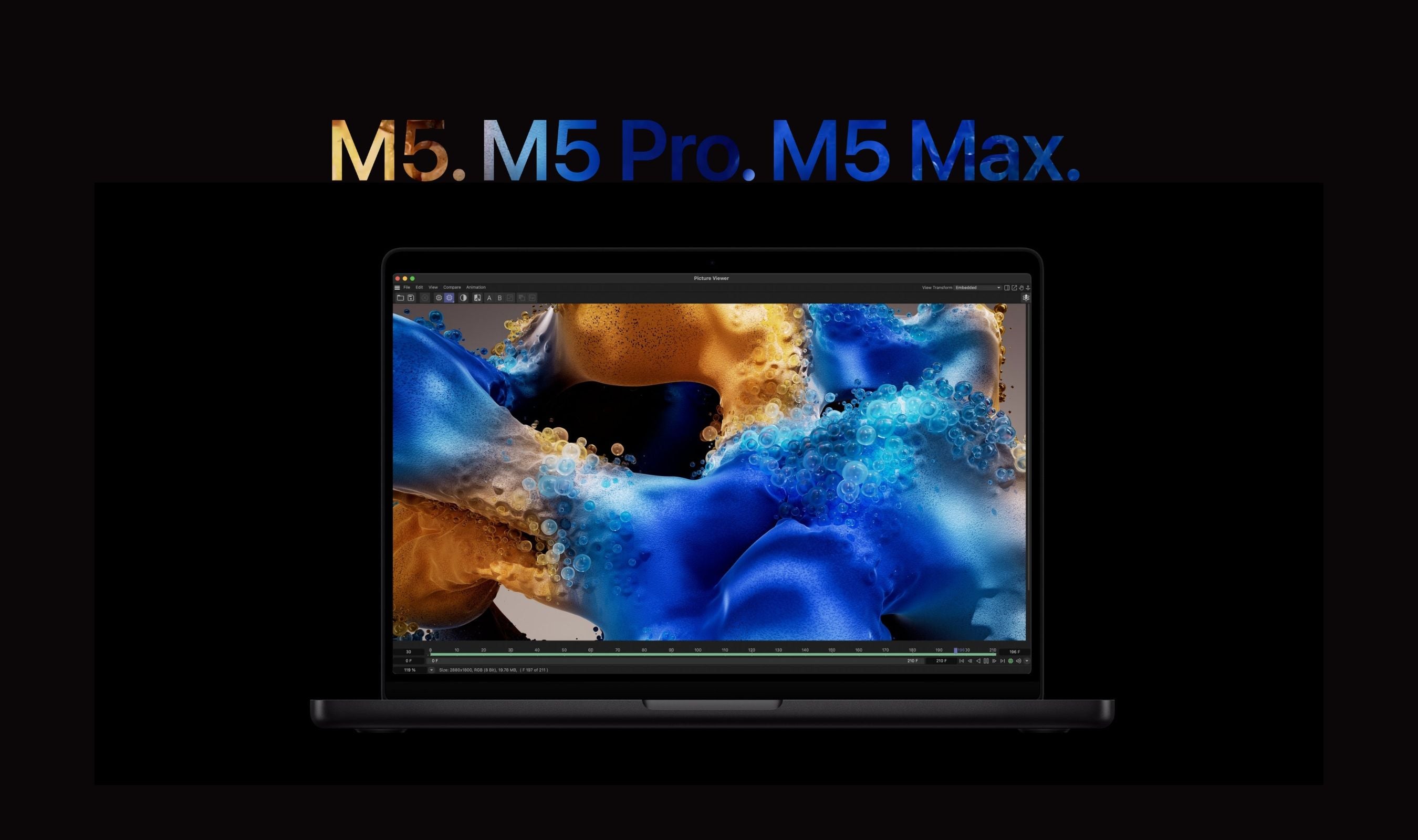
Apple's professional laptop users waited five months for the silicon upgrade that mainstream buyers received in October.
The M5 Pro and M5 Max MacBook Pros arrived today with incremental improvements focused on AI workloads, following Apple's established pattern of staggering chip releases across its product tiers.


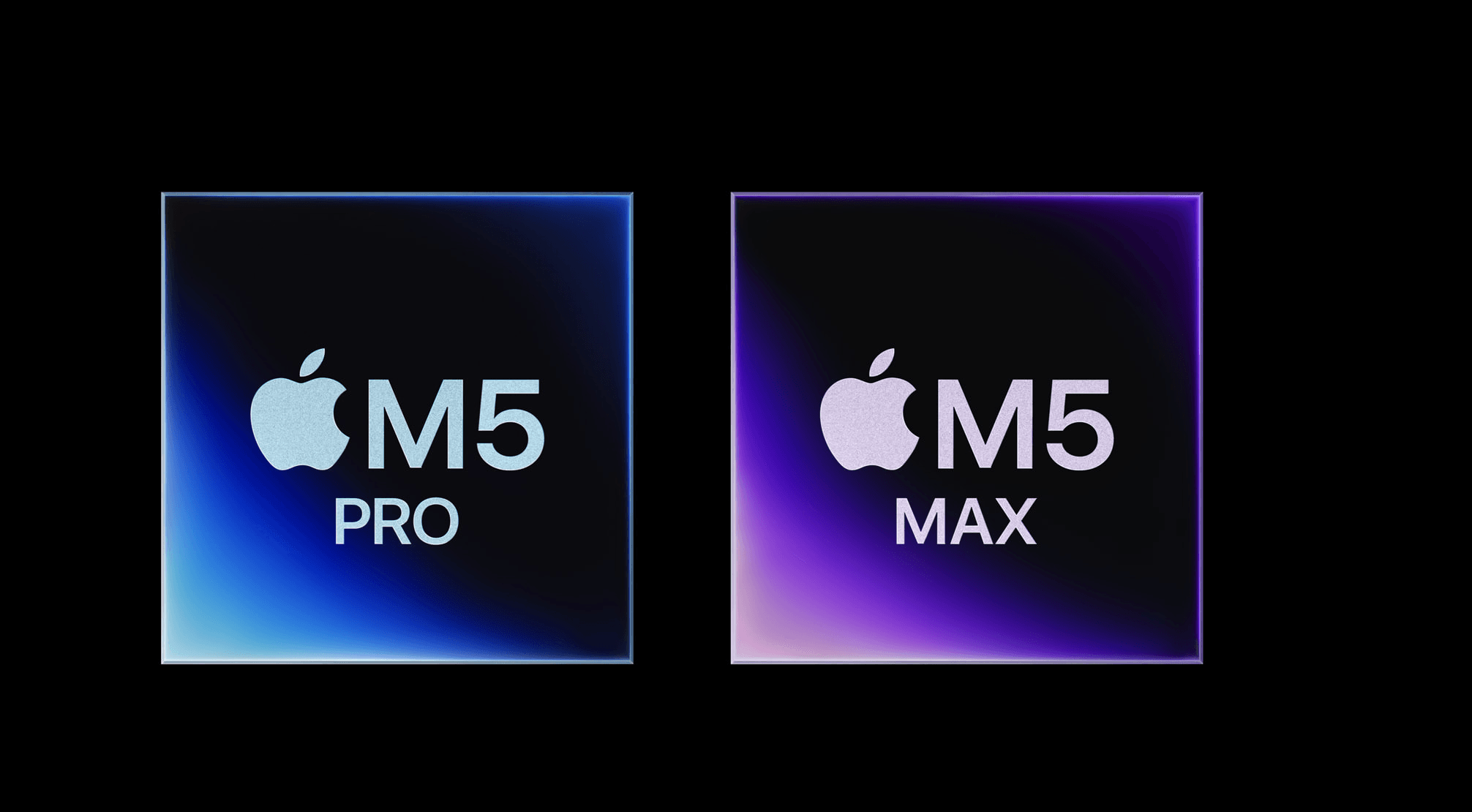
The new models bring Apple's "Fusion Architecture" to professional laptops for the first time, combining two silicon dies into a single system-on-chip. This design delivers up to four times faster AI performance compared to previous M4 chips, according to Apple's claims. The company says the architecture enables up to 30 percent faster CPU performance and 50 percent faster graphics than the outgoing generation.
Pricing reflects both the performance gains and increased base storage configurations. The 14-inch MacBook Pro with M5 Pro starts at $2,199, while the 16-inch version begins at $2,699.
Upgrading to the M5 Max pushes starting prices to $3,599 for the 14-inch model and $3,899 for the 16-inch configuration. M5 Pro models now start with 1TB of storage (doubling the previous 512GB base), while M5 Max models begin at 2TB.
Apple simultaneously announced updated MacBook Air models featuring the standard M5 chip that debuted last fall. The consumer-focused laptops now start with 512GB of storage instead of 256GB, maintaining their position as entry points to Apple's ecosystem. The 13-inch Air starts at $1,099 ($999 for education), while the 15-inch model begins at $1,299 ($1,199 for education).
Pre-orders for all new MacBooks open tomorrow ahead of availability starting March 11. The launch follows Apple's three-day product announcement schedule that began earlier this week.
Professional users who needed maximum performance have been directed to older M4 Pro and M4 Max devices since October when Apple introduced the base M5 chip in entry-level MacBook Pros, iPad Pros, and Vision Pro headsets. This staggered approach marks a return to Apple's traditional release cadence after the company launched M4, M4 Pro, and M4 Max chips simultaneously in 2024.
The new chips feature what Apple now calls "super cores" for high-performance CPU tasks alongside efficiency cores for background operations. Neural accelerators embedded within each GPU core handle machine learning workloads that power features like real-time language translation and image generation tools in macOS Tahoe.
Gaming performance receives attention too, with Apple claiming up to 1.6 times faster ray tracing in titles like Cyberpunk 2077 compared to M4 hardware. The company specifically mentioned gaming improvements during its announcement, signaling continued interest in expanding Mac appeal beyond creative professionals.
Looking ahead, Bloomberg's Mark Gurman reports touchscreen MacBook Pros will arrive this fall featuring OLED displays and Dynamic Island technology borrowed from iPhones. Those models are expected to debut alongside next-generation M6 chips rather than receiving today's incremental update.