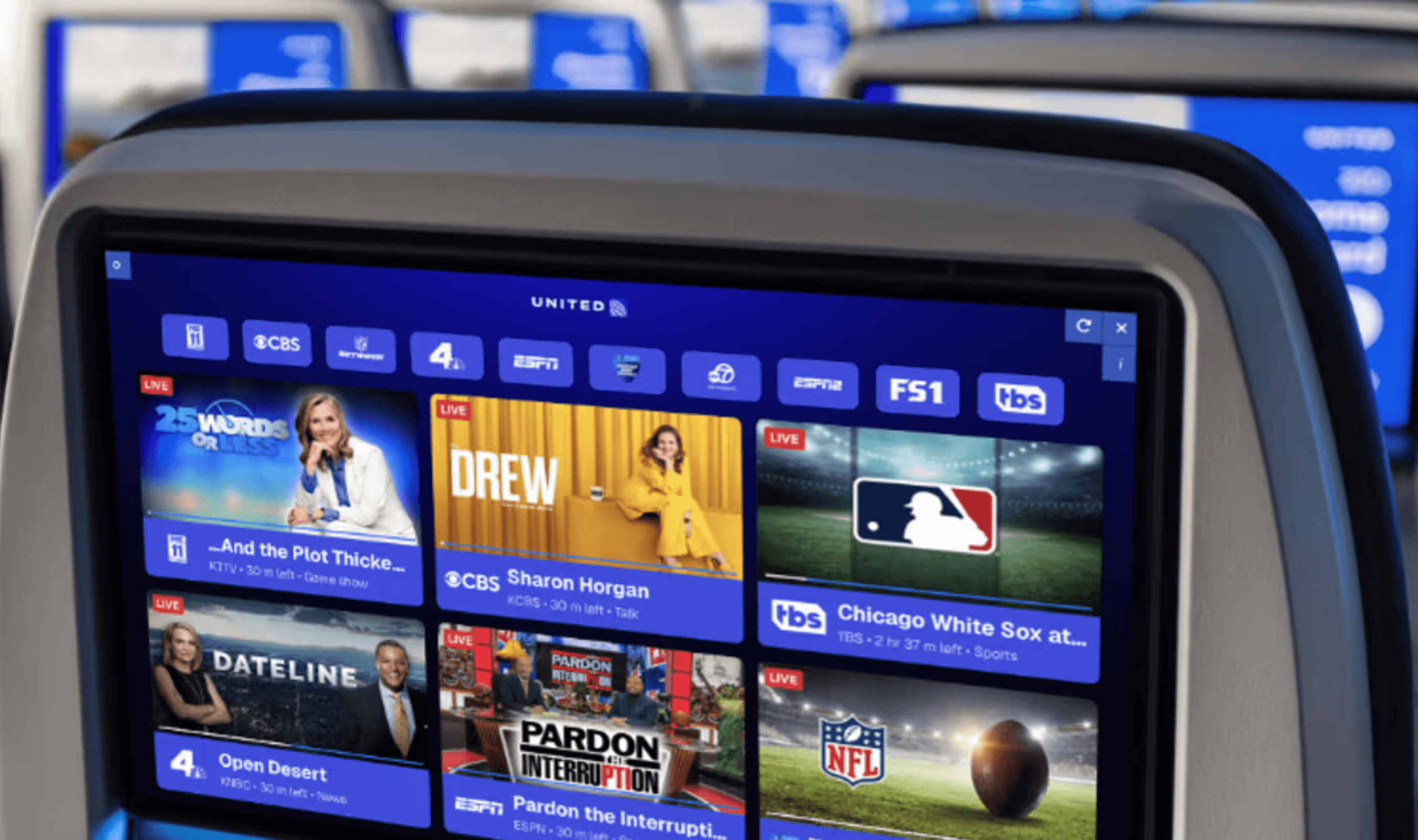


A limited test of Meta's new shopping research feature shows product carousels appearing for U.S. browser users this week, marking the company's entry into AI-powered commerce against established rivals. The tool automatically conducts product searches when users enter shopping-related prompts through Meta AI's web interface, returning personalized results with images, prices, and brand information.
Currently restricted to a small group of American users, the feature operates as a dedicated shopping mode that must be explicitly triggered rather than appearing automatically.
Meta arrives months after OpenAI integrated shopping into ChatGPT last November and Google expanded Gemini's commerce capabilities. Both competitors have woven eCommerce features into their chatbots, creating what Bloomberg describes as a growing industry consensus that conversational product research will reshape how consumers enter the purchase funnel.
What sets Meta apart is its pre-existing commerce infrastructure across Facebook Shops and Instagram Shopping, combined with behavioral data from 3.2 billion daily active users reflecting purchase intent at scale. This foundation gives Meta distribution advantages that purpose-built AI shopping tools cannot replicate quickly.
"Upcoming AI models would carry significant implications for commerce, including agentic shopping tools designed to help people discover products from the company's business catalog."
CEO Mark Zuckerberg recently told investors that, with the new feature representing an early execution of that vision as Meta competes directly with Google and OpenAI in the AI assistant space.
Some technical questions remain unresolved about how recommendations will work behind the scenes. While some Meta AI search queries are reportedly routed through Google's Gemini 3 internally, it's unclear whether the final shopping system will rely solely on Meta's in-house Avocado model expected to launch in early 2026.
A Meta spokesperson declined to say whether the company receives referral commissions for chatbot recommendations or if brands advertising on social media platforms receive priority placement in results.