
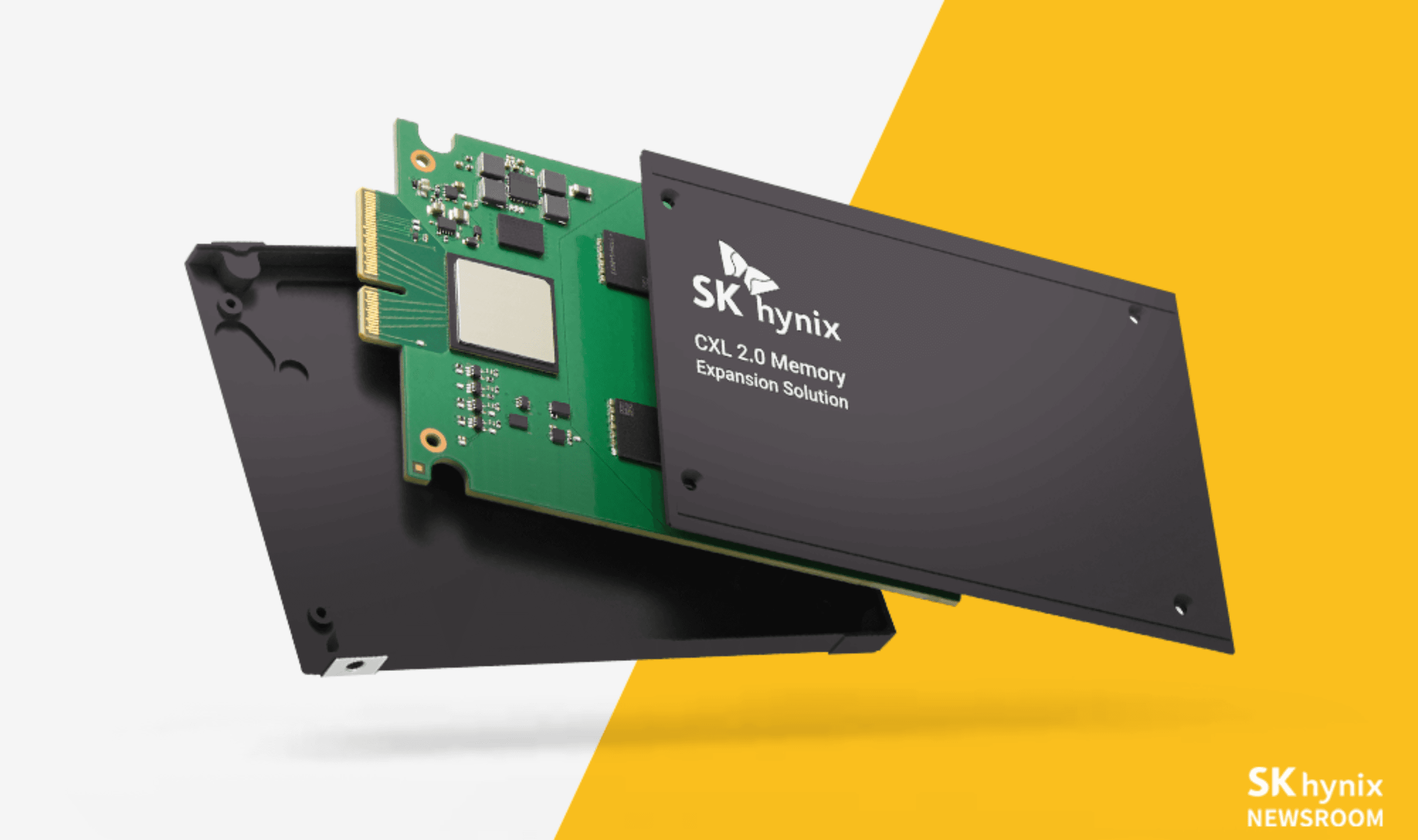
Samsung and SK Hynix will cut NAND flash production this year, according to reports from Chosun Biz and analyst firm Omdia. The two Korean manufacturers control over 60% of global NAND supply.
Samsung plans a 4.5% reduction, dropping from 4.9 million wafers in 2025 to 4.68 million this year. SK Hynix will implement a 10% cut, moving from 1.9 million wafers to 1.7 million. Both companies are shifting capacity toward more profitable DRAM and high-bandwidth memory production for AI data centers.
SSD prices have already surged over the past months. The Samsung 990 Pro 1TB now costs $199 on Amazon, up from $90 in October 2025. WD Black's SN8100 8TB model sells for $2,572.99 on SanDisk's official store, more than double its launch price.
Enterprise storage shows even steeper increases. A 30TB TLC enterprise SSD now costs $10,950, up 260% from $3,062 nine months ago, according to HPC supplier VDURA.
The AI boom drives these production shifts. NVIDIA's Rubin platform and other AI systems require massive NAND storage for KV cache expansion in agentic AI systems. Rack solutions could consume 115.2 million terabytes of NAND storage by 2027.
Memory manufacturers prioritize AI customers over consumer markets. Micron recently announced it will shutter its Crucial consumer RAM brand to focus on AI data center supply. Samsung's 9100 Pro SSD line shows out-of-stock status for multiple capacities and models on the company's website, with 1TB, 2TB, 4TB, and 8TB models currently unavailable.
Consumer PC builders face a challenging market. SSD shortages combine with GPU and RAM price increases, creating what Android Headlines calls "chaotic times" for component shoppers. Memory shortages have affected multiple component categories, with the AI sector locking in NAND supply for multiple quarters ahead, leaving consumers to absorb price hikes.
A dollar invested in HBM production generates more revenue than one spent on NAND, according to Blocks and Files analysis. This economic reality ensures manufacturers will continue prioritizing AI memory over consumer flash storage through at least 2027.