

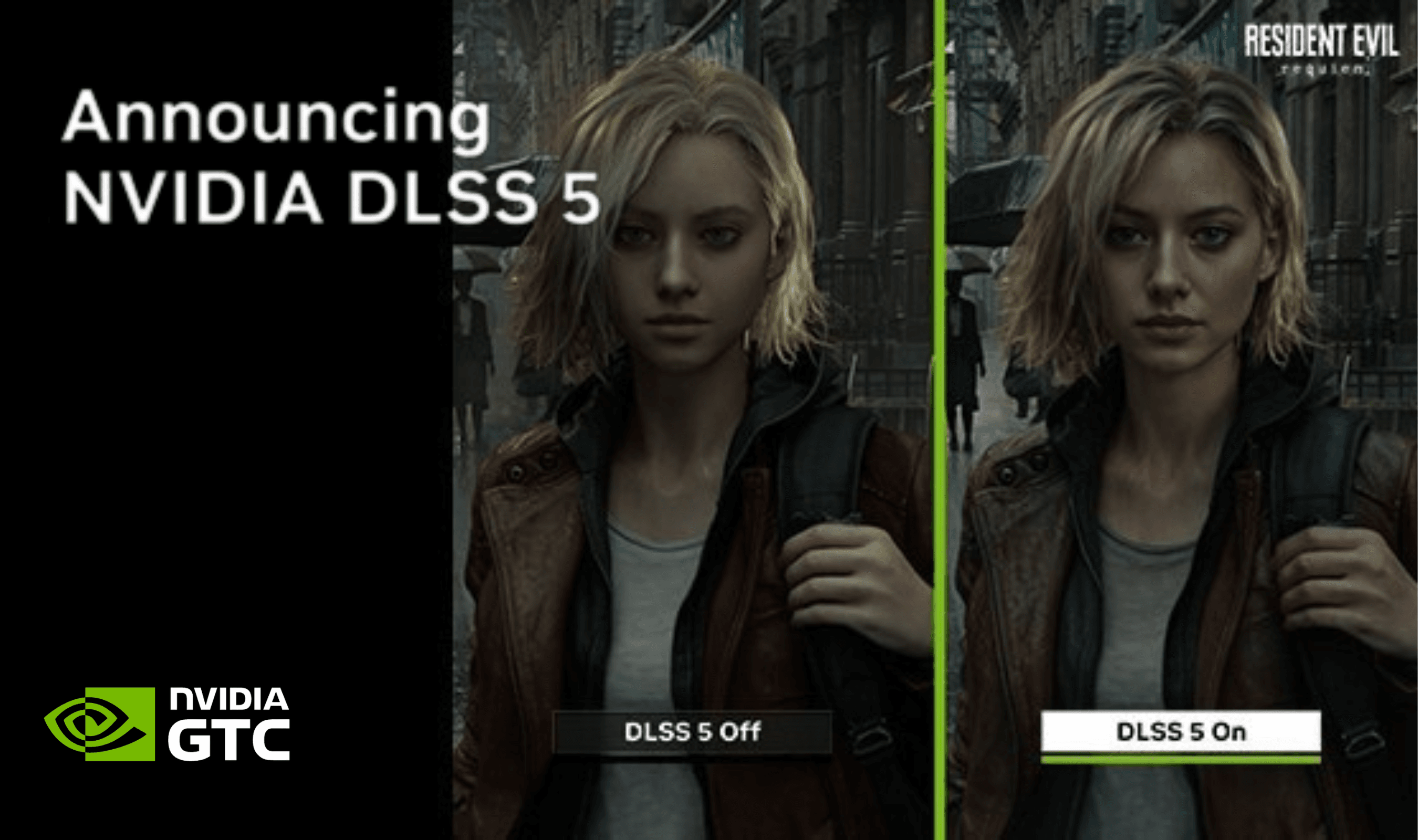
Nvidia CEO Jensen Huang dismissed widespread criticism of the company's upcoming DLSS 5 graphics technology as fundamentally mistaken during a press Q&A at GTC 2026 in San Jose.
Huang told Tom's Hardware editor-in-chief Paul Alcorn when asked about social media backlash against the AI-powered visual enhancement system.
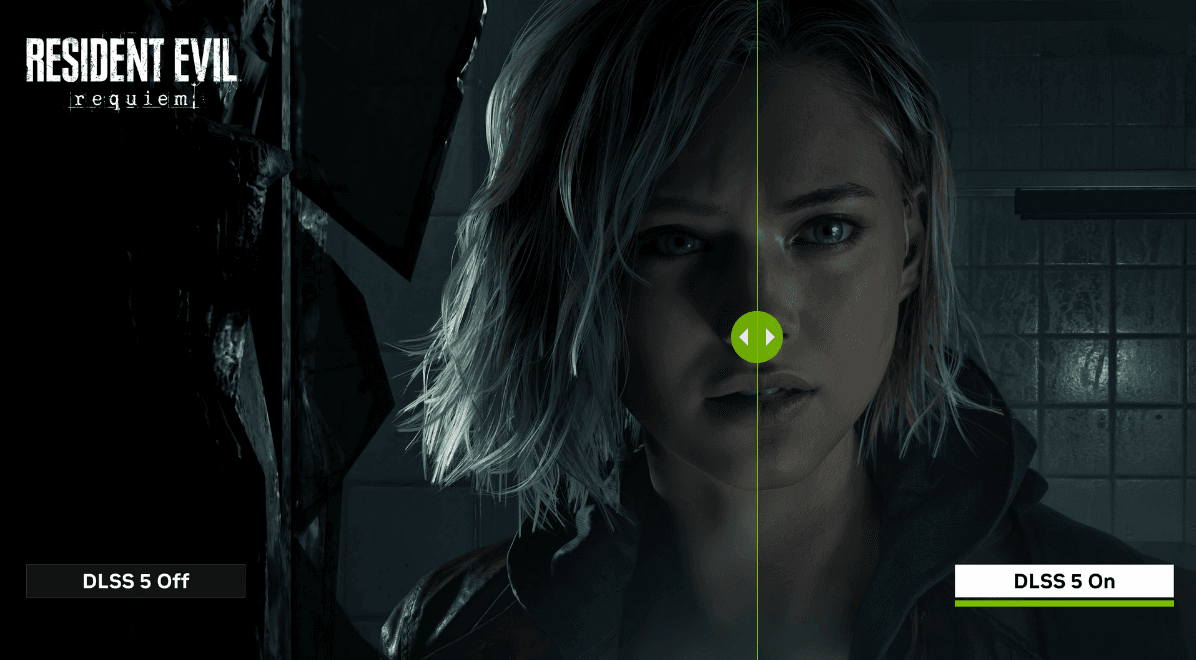
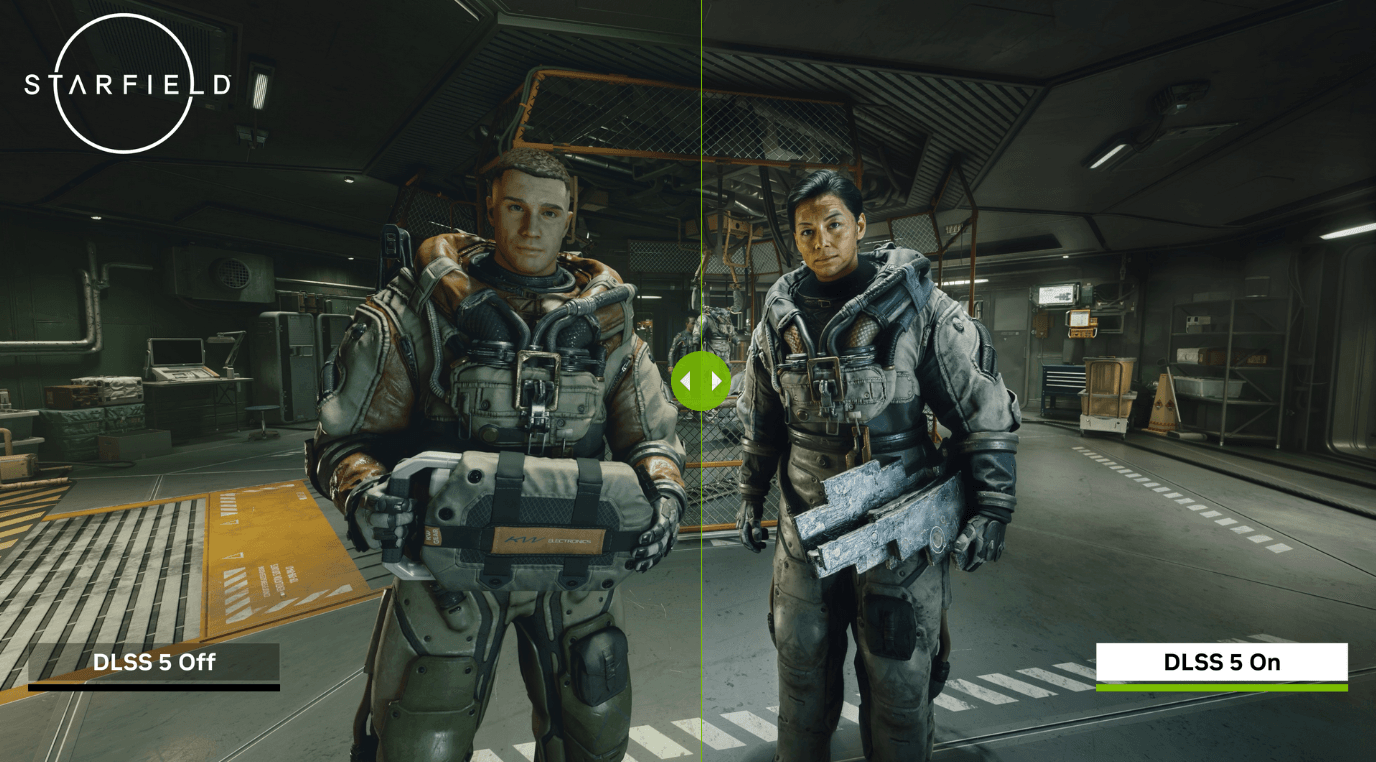
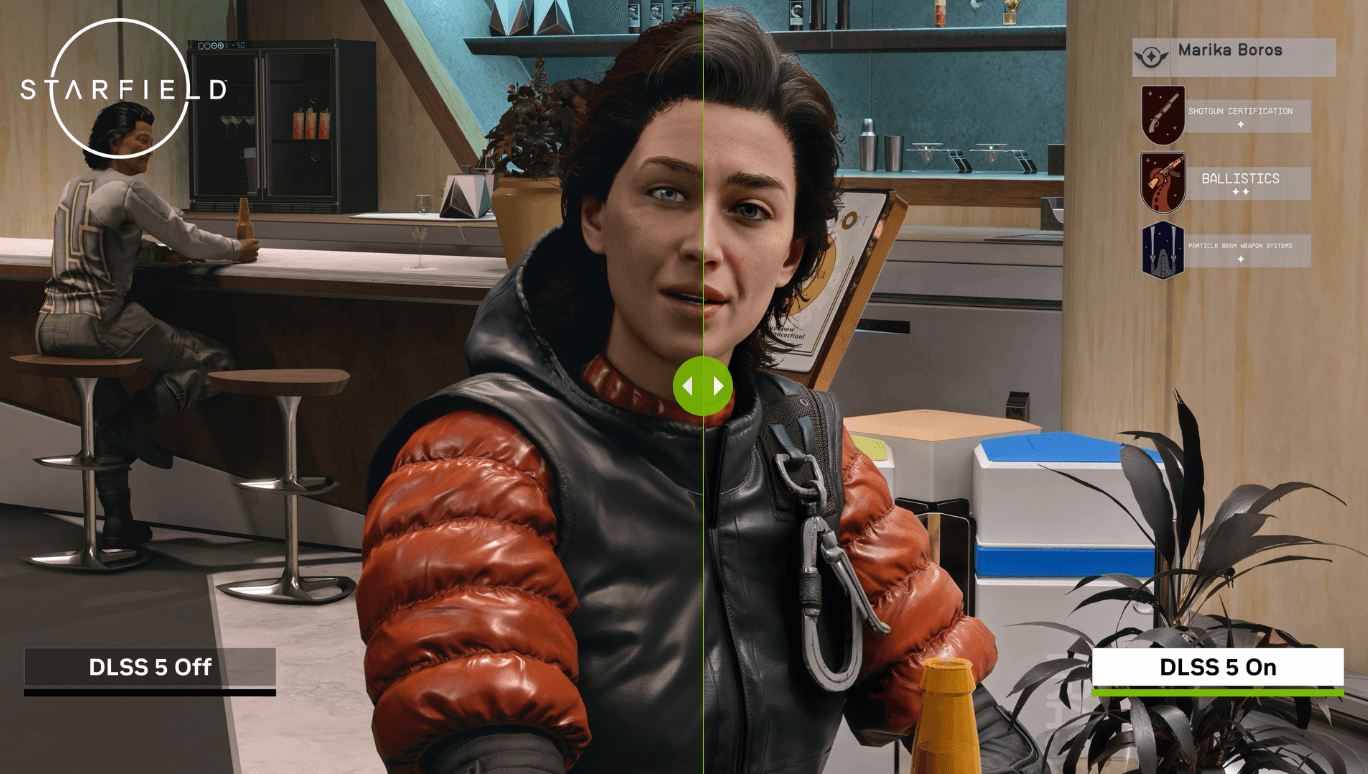
The controversy erupted immediately after Huang introduced DLSS 5 during his keynote address, calling it "a fusion of 3D graphics and artificial intelligence." Critics across gaming forums and social media platforms argued the technology applies an unwanted "AI skin" over game models rather than providing genuine visual improvements. Specific complaints focused on changes to characters in Resident Evil Requiem, where Grace Ashcroft and Leon Kennedy appeared altered in ways some described as looking like "looksmaxxing influencers."
Huang countered that DLSS 5 represents generative control at the geometry level rather than simple post-processing.
"DLSS 5 fuses controllability of geometry and textures and everything about the game with generative AI,"
he explained during the session. The CEO emphasized that artistic control remains entirely with developers, who can fine-tune the AI to match their specific creative vision rather than accepting predetermined visual changes.

This technical debate unfolds against a backdrop of financial uncertainty for Nvidia despite its dominant position in artificial intelligence hardware. The company's stock has declined approximately 2% this year according to CNBC analysis, underperforming even as Wall Street analysts project long-term revenue potential exceeding $1 trillion.
Nvidia's market capitalization reached $4.45 trillion earlier this week according to FactSet data, making it more valuable than Apple or Microsoft but introducing new constraints on growth potential.
TD Cowen analysts noted that adding another $2 trillion in market value becomes exponentially more difficult from such heights, requiring Nvidia to approach a $9 trillion valuation equivalent to Germany and India's combined economic output. Some portfolio managers are reportedly shifting focus to suppliers and infrastructure plays within the AI ecosystem where potential for outsized gains appears greater.
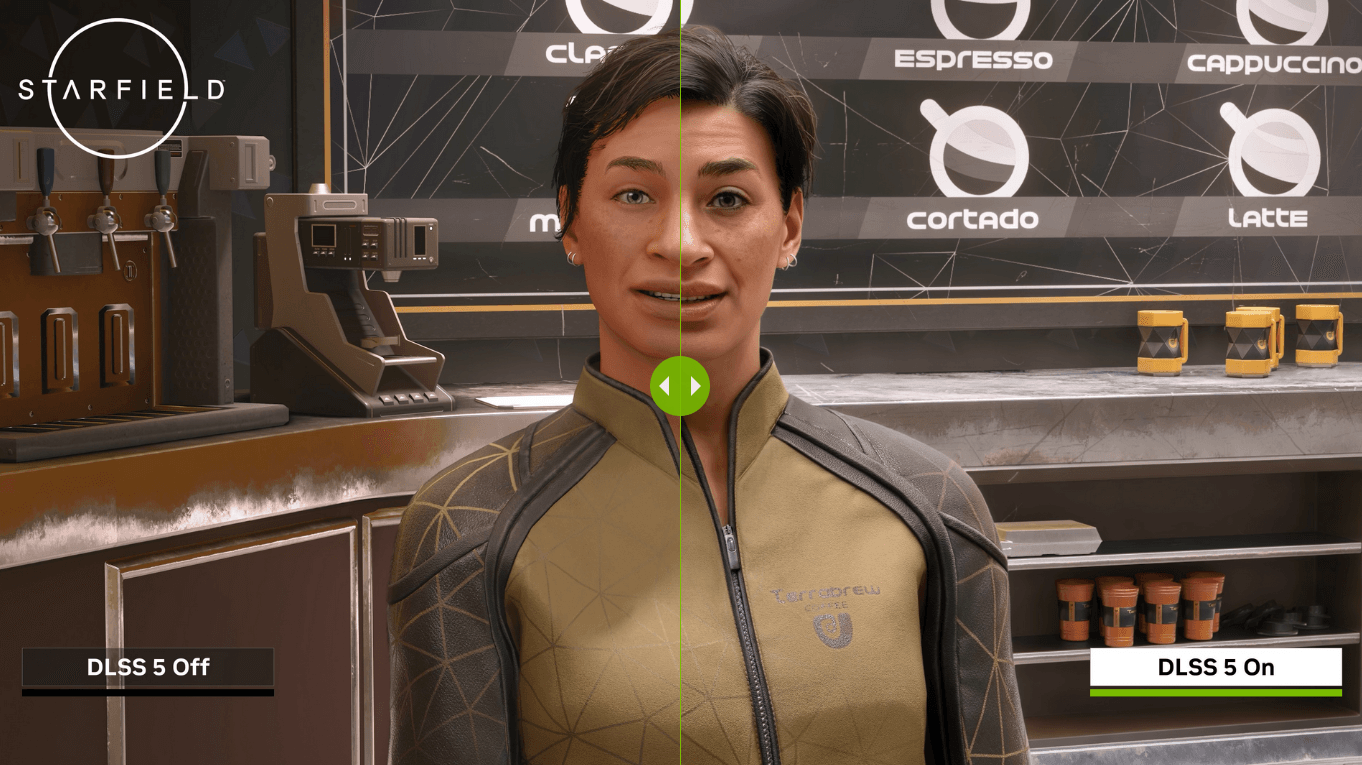
DLSS 5 represents Nvidia's attempt to extend its AI leadership into consumer gaming through what Huang describes as "real-time neural rendering." The technology uses deep learning super sampling combined with generative AI to infer how games would appear under more photorealistic lighting conditions rather than simply upscaling resolution like previous versions.
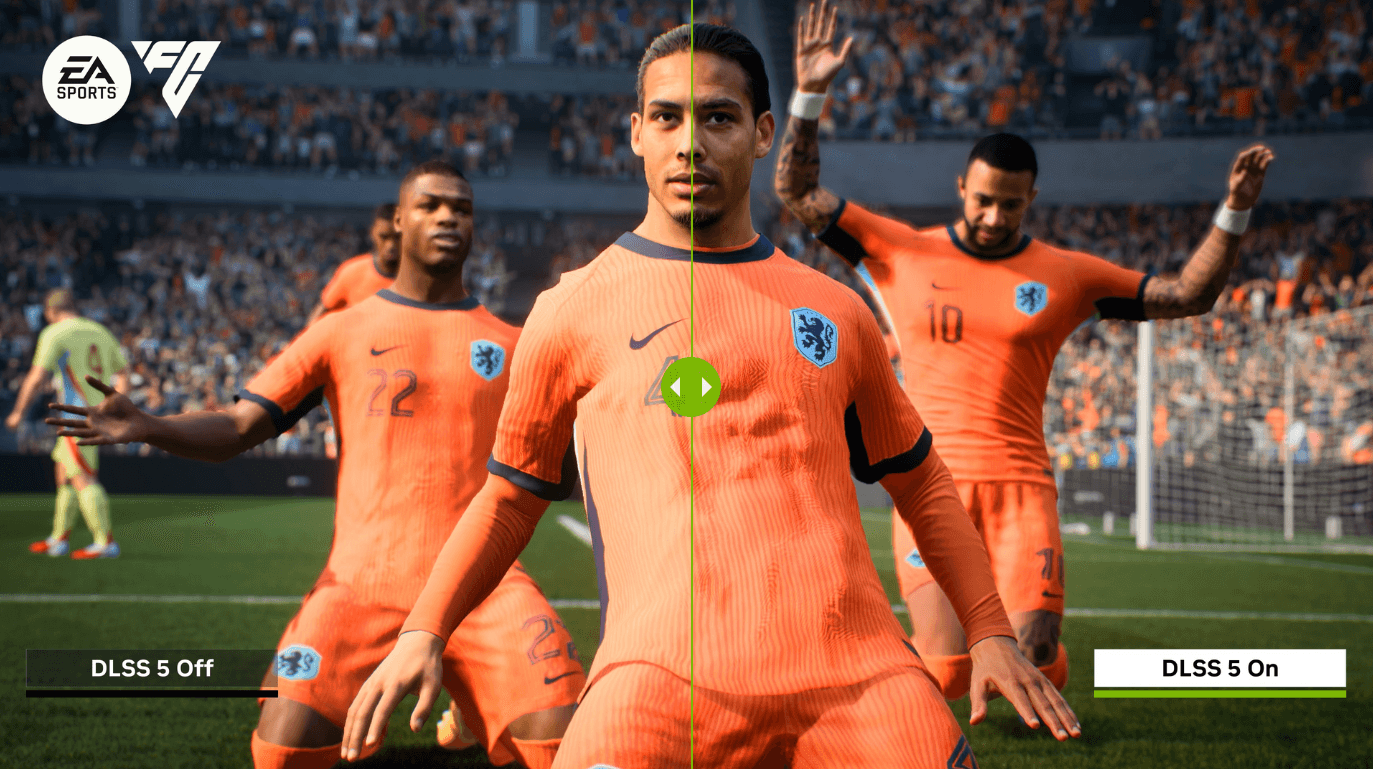
Early demonstrations showed mixed results according to technical reviewers. Tom's Guide noted that maximum settings sometimes produced cartoon-like appearances in games like Hogwarts Legacy while delivering impressive photorealistic improvements in EA's FC26 soccer simulation where enhanced lighting and skin tones benefited from the technology.
The system is scheduled for launch this fall, with Huang promising additional demonstrations before release to better showcase its capabilities and address misconceptions about how it functions within game development pipelines.