
Nvidia's supply chain is "getting fired up" again for Chinese customers after more than a year of export restrictions froze shipments of its AI chips to the world's second-largest economy.
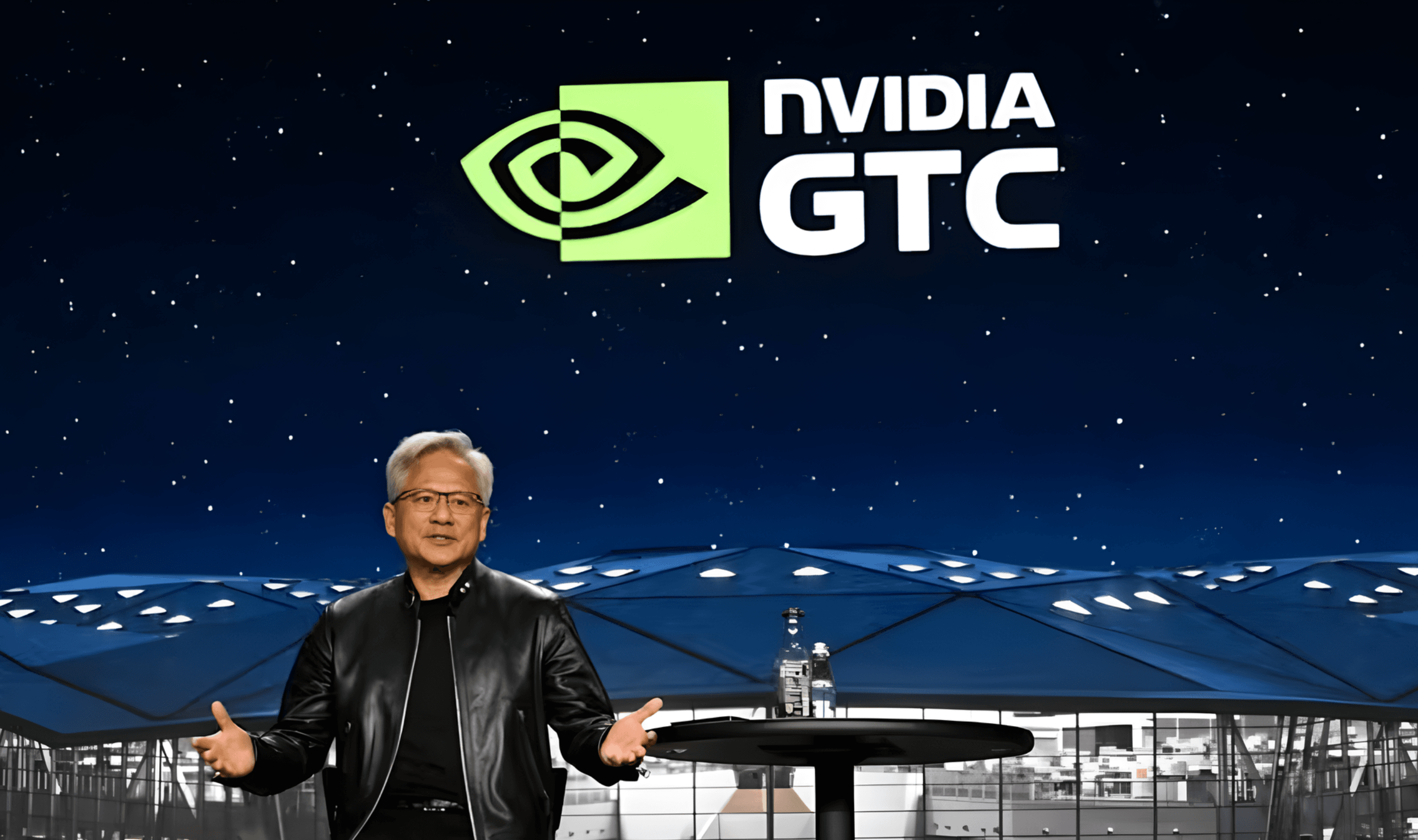
CEO Jensen Huang confirmed at the company's GTC conference in San Jose that Nvidia has received purchase orders from multiple Chinese customers and is restarting manufacturing of its H200 processors.
"That's new news for all of you, and it's different than it was two weeks ago or three weeks ago,"
Huang told reporters. The breakthrough follows a December 2025 announcement by President Donald Trump that allowed Nvidia to ship the more advanced H200 chip to China, provided the U.S. government receives 25% of sales revenue as part of the deal. The Commerce Department formalized the licensing framework in January 2026.
Chinese authorities granted ByteDance, Alibaba, and Tencent permission to purchase H200 chips in January, with the three companies collectively approved to buy more than 400,000 units. Earlier reports indicated Alibaba and ByteDance were each ready to order over 200,000 chips.
Nvidia had largely wound down production of its Hopper-generation chips like the H200 to focus on newer Blackwell architecture products. The company developed a downgraded H20 chip specifically for Chinese markets to comply with earlier export limits, but Chinese hyperscalers have been waiting for access to the more powerful H200 variant.
The H200 features 141GB of HBM3e memory and sits below Blackwell but remains roughly six times more powerful than the restricted H20 model designed for China compliance. It marks the first time Nvidia's China supply chain has been operational since export restrictions halted shipments over a year ago.
U.S. license requirements remain burdensome despite the reopening.
Shipments face a 50% volume cap relative to domestic U.S. sales, mandatory third-party laboratory verification before re-export to China, and that 25% revenue share going directly to the U.S. government.
China once accounted for at least one-fifth of Nvidia's data center revenue before being shut out by April export restrictions that required licenses for chip exports to China and other countries. The company took a $5.5 billion charge due to those restrictions.
Even without China sales during the shutdown period, Nvidia reported revenue growth of 73% in its latest quarter, the 11th straight period with growth exceeding 55%. For the current quarter ending in March, Nvidia forecast growth of about 77% while assuming no data center revenue from China in its guidance.
Huang said President Trump's position is that "the U.S. should lead in access to Nvidia's best technology while still competing for global markets." He quoted Trump as saying he would "like us to compete worldwide and not concede those markets unnecessarily."
The renewed China business comes as Nvidia sets ambitious targets elsewhere. Huang recently forecast more than $1 trillion in revenue by late 2027 from Blackwell and Rubin AI chips alone, a projection that doesn't include potential China sales or other product lines like CPUs and networking chips.