Outdoor TVs have evolved from basic weatherproof boxes to full-featured smart displays that handle sun, rain, and temperature swings. The Samsung Terrace stands out for its balanced approach to brightness, weather protection, and smart features, but your choice depends on how much sun your space gets and what you want to watch. This list helps you find the right outdoor TV whether you're setting up a covered patio theater or a poolside sports zone.
Product
Technobezz is supported by its audience. We may get a commission from retail offers.
Best Outdoor Smart TVs for 2026
Samsung The Terrace leads our picks for outdoor smart TVs in 2026. Compare top models for sun, weather, and smart features to upgrade your patio or poolside.
T
Technobezz
Senior Editor
Updated June 15, 2026Jun 15, 2026
•9 min read

Get Deals Like These in Your Inbox
The best prices, reviewed weekly.
At a Glance
| Category | Product | Why We Picked It |
|---|---|---|
| Best overall | Samsung The Terrace | Excellent anti-glare screen and smart features |
| Best value | Sylvox Deck Pro 2.0 QLED | Solid performance at a lower price |
| Best for full sun | Sylvox Pool Pro 2.0 | High brightness for direct sunlight areas |
| Best for gaming | Sylvox Gaming Series | 120Hz refresh rate and HDMI 2.1 |
| Best for shaded spaces | SunBriteTV Veranda 3 Series | Premium picture in covered areas |
| Also recommended | Furrion Aurora 50-Inch Full-Shade Outdoor TV | For covered patios with HDR10, anti-glare coating, and an impact-resistant screen |
| Also recommended | Samsung The Terrace Partial Sun | Premium option with mini-LED technology and anti-reflective coating for bright areas |
How we chose and tested
We evaluated outdoor TVs based on weather resistance ratings, brightness levels for different lighting conditions, smart platform features, and overall durability. Our assessment prioritizes products that balance picture quality with practical outdoor use, considering factors like temperature tolerance, anti-reflective coatings, and connectivity options. We looked at models that deliver reliable performance in real outdoor environments rather than just indoor settings.
The best outdoor smart TVs right now
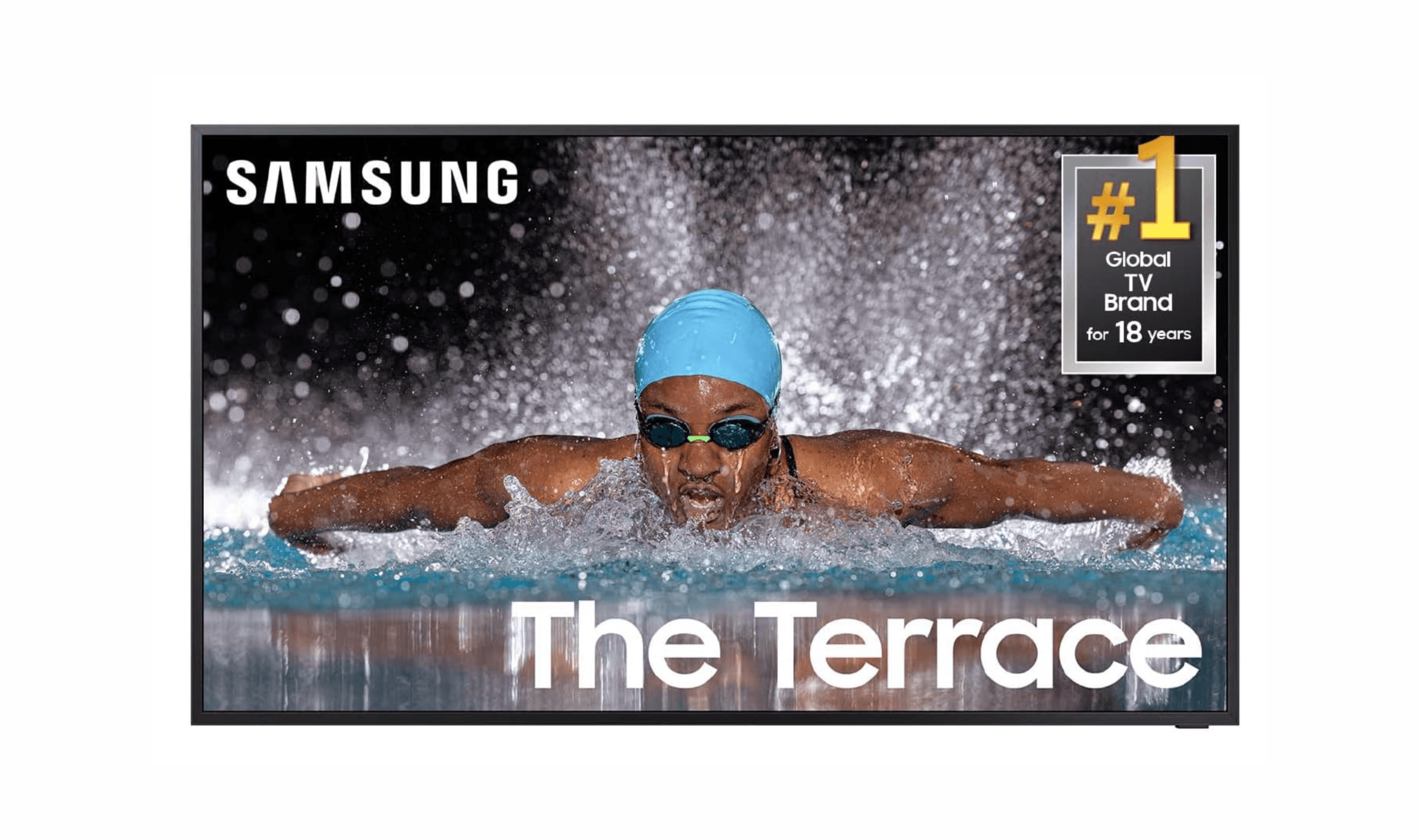
Samsung The Terrace - Best overall
The Terrace delivers the complete outdoor TV package with excellent anti-glare technology, solid weather protection, and Samsung's polished Tizen smart platform. It's the model to choose when you want minimal compromises.
Key highlights
- Anti-reflective screen coating reduces glare in partially sunny areas
- IP56 weatherproof rating protects against moisture, dust, and insects
- Samsung Tizen OS with voice commands and gaming hub support
- 120Hz refresh rate for smooth sports and gaming
- Temperature tolerance from -22°F to 122°F (optimal viewing between 32°F and 122°F)
Pros
- Well-rounded smart features with popular streaming apps preloaded
- Good integration with Samsung SmartThings for smart home control
- Anti-glare display works well in various lighting conditions
- Durable construction feels premium and substantial
Cons
- More expensive than dedicated outdoor TV brands
- Best for partially sunny areas rather than direct full sun
- Limited size options compared to some competitors
Who it is for: Homeowners with covered patios, enclosed porches, or shaded pool areas who want a premium smart TV experience outdoors.
Skip if
You need maximum brightness for all-day direct sunlight or have strict budget constraints.
Sylvox Deck Pro 2.0 QLED - Best value
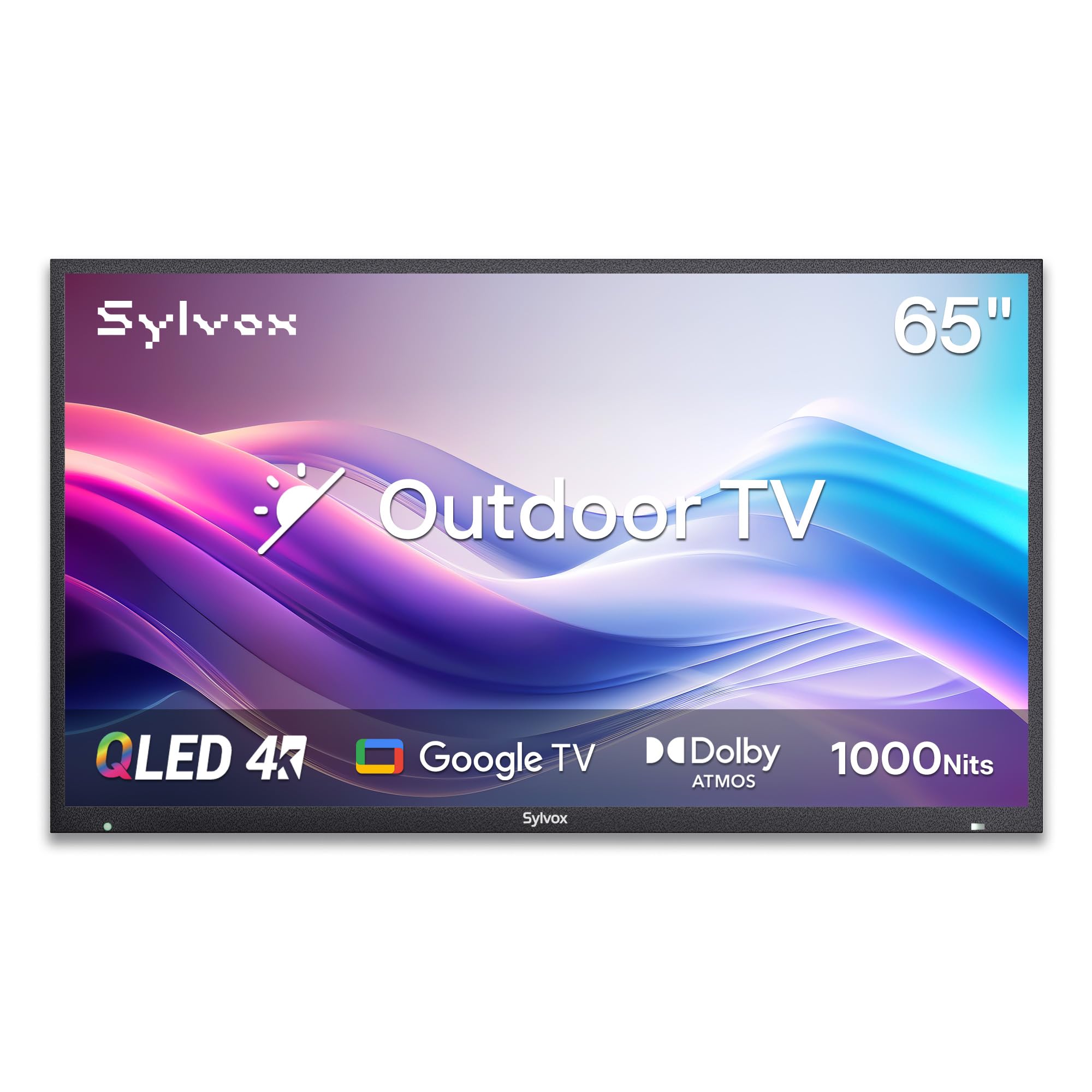
This model offers solid outdoor performance with Google TV at a more accessible price point, making it a practical choice for budget-conscious buyers who still want smart features.
Key highlights
- Google TV platform with voice assistant and app access
- Weatherproof design for reliable outdoor protection
- Temperature range from -22°F to 122°F for year-round use
- Available in sizes from 55 to 75 inches
- 60Hz refresh rate handles most content well
Pros
- More affordable than premium brands like Samsung
- Google TV provides easy access to streaming services
- Good weather protection for the price
- Less bulky design than some outdoor TV models
Cons
- Lower brightness than full-sun models
- Less recognizable brand than Samsung or LG
- Refresh rate may not satisfy serious gamers
Who it is for: Buyers who want a capable outdoor smart TV without premium brand pricing, especially for partially shaded areas.
Skip if
You need maximum brightness for direct sunlight viewing or want the most advanced gaming features.
Sylvox Pool Pro 2.0 - Best for full sun
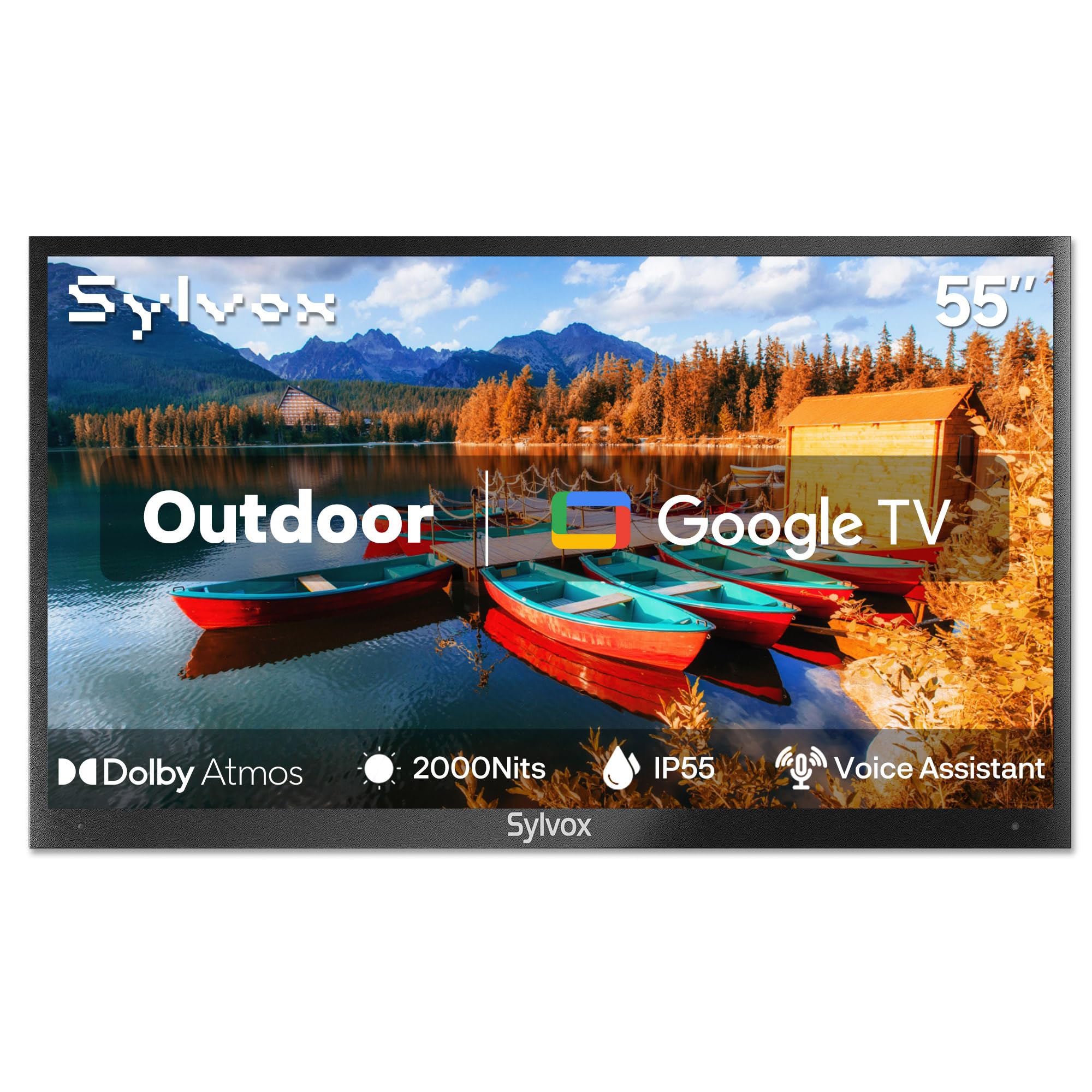
With 2,000 nits of peak brightness, this model handles direct sunlight better than most options, making it ideal for pool areas and uncovered spaces.
Key highlights
- 2,000 nit peak brightness for clear viewing in direct sun
- IP55 weatherproof rating with durable metal housing
- Dolby Atmos audio support built in
- Available from 43 to 75 inches for flexible placement
- Google TV platform with app access
Pros
- Excellent brightness for sunny locations
- Good size range including compact 43-inch option
- Solid construction with metal housing
- Includes decent audio capabilities
Cons
- Lacks 120Hz refresh rate for high-motion content
- Picture quality not as refined as premium indoor TVs
- Can get quite warm in direct sunlight
Who it is for: Anyone installing a TV in direct sunlight areas like pool decks, open patios, or uncovered outdoor kitchens.
Skip if
Your viewing area is mostly shaded or you prioritize refresh rate over brightness.
Sylvox Gaming Series - Best for gaming
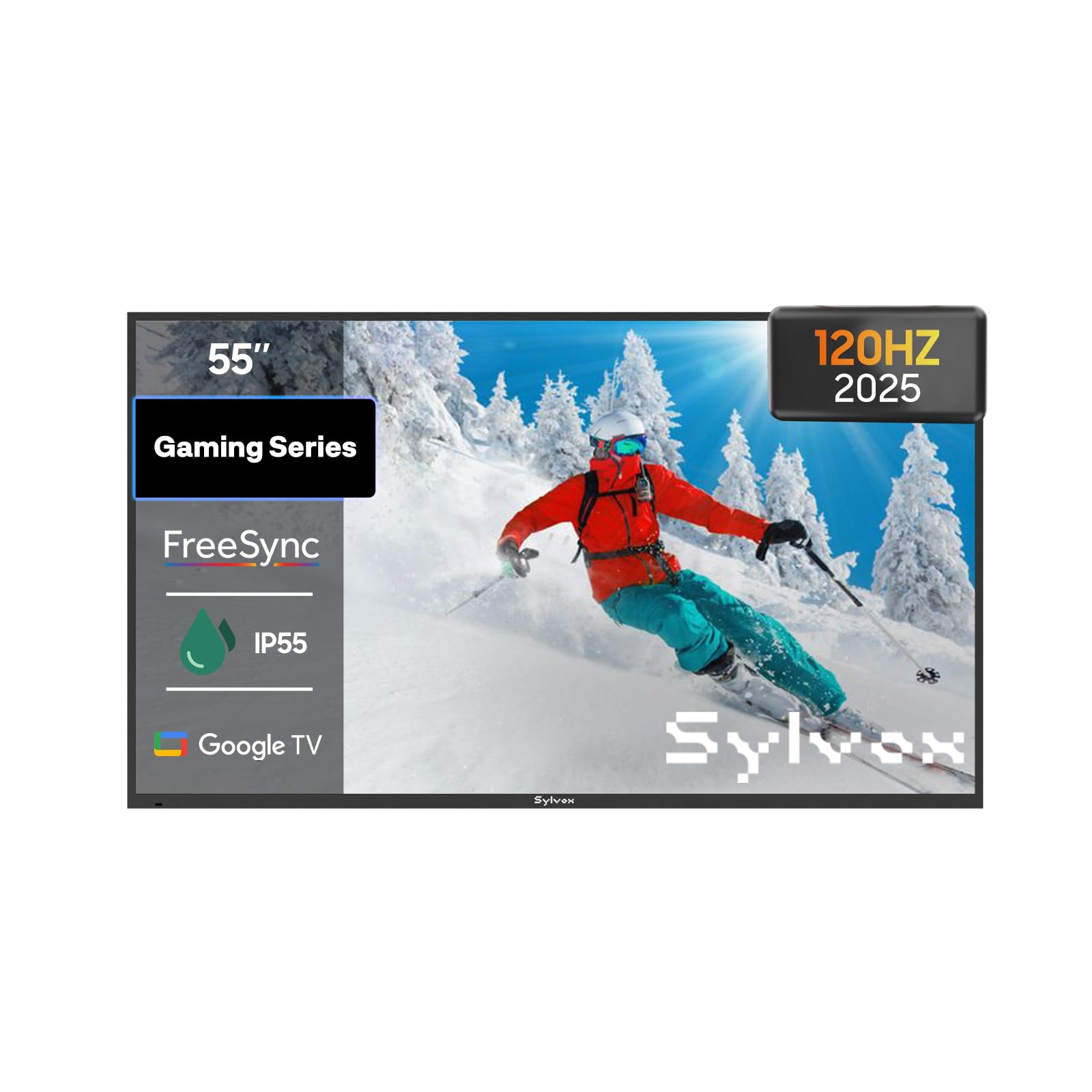
This specialized outdoor TV brings gaming-friendly features like 120Hz refresh rate and HDMI 2.1 to outdoor spaces, though it works best in partial sun conditions.
Key highlights
- 120Hz refresh rate for smooth gaming and sports
- HDMI 2.1 connectivity with variable refresh rate support
- 1,000 nits brightness suitable for partial sun areas
- Dolby Atmos-enabled speakers
Pros
- Gaming-specific features rare in outdoor TVs
- Good value for gamers wanting outdoor setup
- Responsive performance with gaming consoles
- Includes decent audio for the category
Cons
- Not bright enough for full direct sunlight
- Limited to partial sun conditions
- Gaming focus may not benefit all users
Who it is for: Gamers who want to bring their consoles outside for patio gaming sessions in partially covered areas.
Skip if
You need maximum brightness for sunny locations or don't plan to game outdoors.
SunBriteTV Veranda 3 Series - Best for shaded spaces
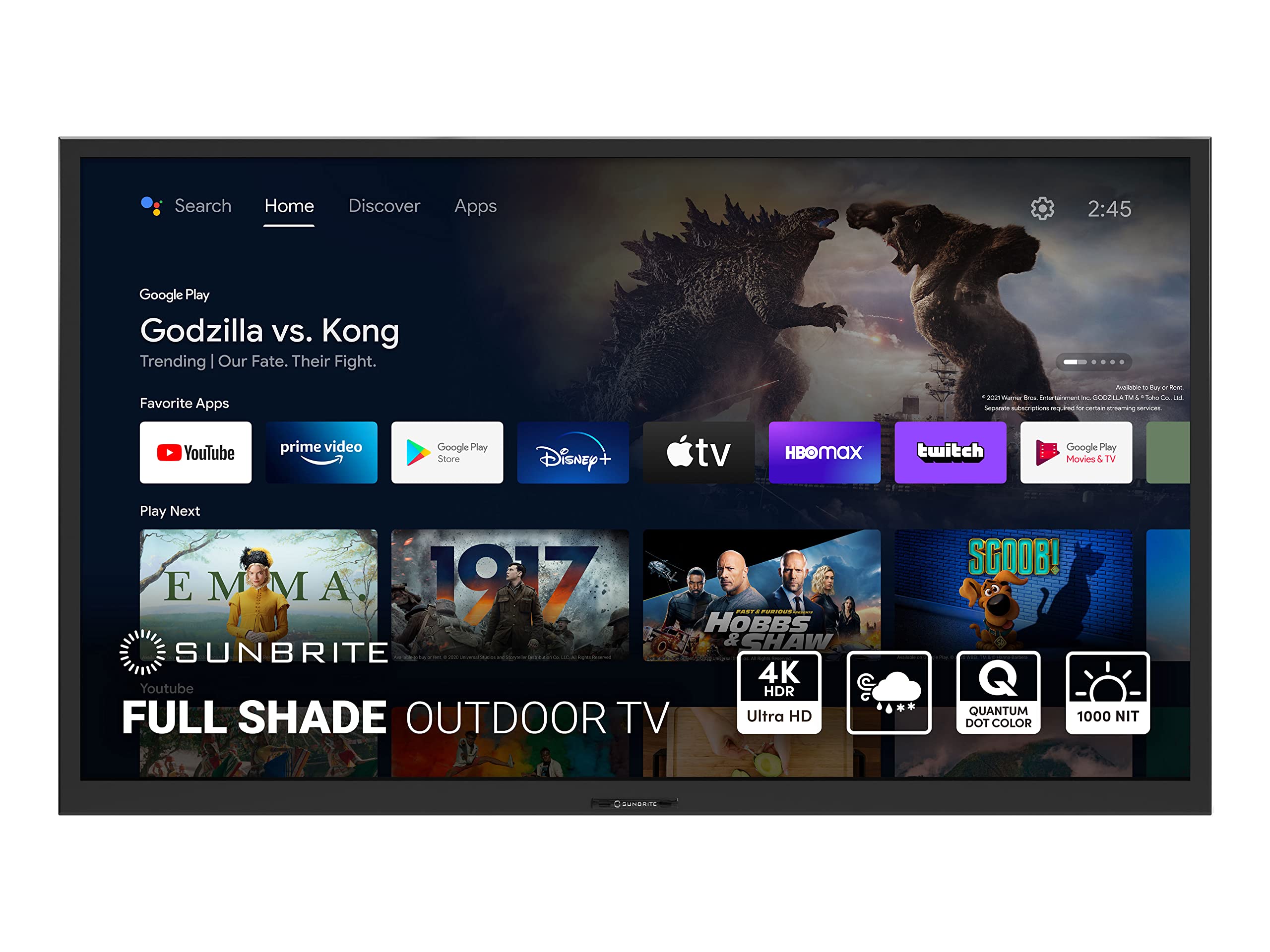
Designed specifically for covered outdoor areas, this model delivers premium picture quality with full-array local dimming and Dolby Vision support.
Key highlights
- QLED panel with full-array local dimming
- 1,000 nit peak brightness optimized for shade
- 120Hz refresh rate for smooth motion
- Dolby Vision HDR support
- Google TV platform with app access
Pros
- Excellent picture quality in proper shade
- High refresh rate benefits sports and movies
- Dolby Vision enhances HDR content
- Generous media bay for additional streaming devices
Cons
- Not suitable for direct sunlight areas
- Premium pricing for shaded-only use
- Requires proper installation in covered spaces
Who it is for: Those with fully covered patios, screened porches, or enclosed outdoor rooms who want the best possible picture quality.
Skip if
Your outdoor area gets any direct sunlight during viewing hours or you need all-weather placement flexibility.
Also Good
- Furrion Aurora 50-Inch Full-Shade Outdoor TV - a full-shade 400-nit pick with HDR10, anti-glare coating, and an impact-resistant screen for covered patios.
- Samsung The Terrace Partial Sun - premium option with mini-LED technology and anti-reflective coating for bright areas.
How to Choose
Consider these factors when selecting an outdoor smart TV:
Sun exposure determines brightness needs: Full sun locations need 1,500+ nits for a clear picture. Partial sun works with 1,000-1,500 nits. Shaded areas like covered patios can use 700-1,000 nits. Match the TV's rated brightness to your actual viewing conditions at the time of day you'll watch most.
Weather protection ratings matter: Look for at least an IP55 rating. The first digit rates dust protection (5 = dust-resistant), while the second rates water protection (5 = protected against water jets, equivalent to heavy rain). Higher ratings like IP56 or IP66 offer more protection for exposed installations.
Temperature range affects year-round use: Most outdoor TVs operate between -22°F and 122°F, but check the specs for your climate. If you experience harsh winters, look for models with internal heaters or wide temperature tolerance. Extreme heat can also affect performance if the TV sits in direct sun all day.
Smart platform and connectivity: Google TV and Samsung Tizen are the most common platforms on outdoor TVs. Both offer streaming app access and voice control. Check that your preferred apps are supported and that the TV has enough HDMI ports for any external devices you plan to connect.
Installation and mounting: Outdoor TVs are heavier than indoor models due to weatherproofing. Use outdoor-rated mounts designed for the weight, and plan cable routing to keep connections protected from moisture. Consider hiring a professional installer if running power or cables through exterior walls.
FAQ
Can I use a regular indoor TV outside?
It's not recommended. Indoor TVs lack weatherproofing, aren't bright enough for outdoor viewing, and their electronics can fail from moisture, temperature swings, and UV exposure. If budget is tight, weatherproof TV enclosures let you house an indoor TV outdoors, but a purpose-built outdoor TV is more reliable long-term.
How many nits do I need for my outdoor TV?
For fully shaded areas like screened porches, 400-700 nits works. Partial sun (morning or evening light) needs 750-1,500 nits. Direct full sun requires 1,500-2,500 nits for a watchable picture. More nits means better visibility in bright conditions, but also higher cost.
Do outdoor TVs need special installation?
Yes. Use outdoor-rated wall mounts designed for the TV's weight and wind loads. All cable connections should be weatherproofed, and power outlets need GFCI protection for safety. Most manufacturers recommend professional installation for warranty compliance.
How long do outdoor TVs last?
With proper installation, quality outdoor TVs typically last 5-10 years. Models with higher IP ratings and better build materials tend to last longer. Regularly cleaning the screen and checking seals helps extend lifespan. Extreme environments with salt air or heavy snow may shorten longevity.
Will an outdoor TV work in winter?
Most outdoor TVs are rated to operate down to -22°F and can survive storage temperatures even lower. However, picture quality may decrease in extreme cold, and some models take longer to warm up before they reach full brightness. If you live in an area with harsh winters, check the specific operating temperature range before buying.
Published March 17, 2026 Last updated June 15, 2026
Share this article
More in News
Best Portable Monitors for 2026
Discover the best portable monitors for 2026. Our top pick is the HP Series 5 Pro 514pn for premium build and image quality. Find the perfect travel or home office screen.
4 min read
7 Best Smart Baby Monitors in 2026
The 7 best smart baby monitors of 2026, from the Nanit Pro for sleep and breathing tracking to budget VTech and FDA-cleared Owlet picks, $112 to $380.
3 min read
Best Monitors Under $300 for 2026
The AOC Q27G3XMN tops our list of the 4 best monitors under $300 for 2026, with Mini-LED HDR and 180Hz performance.
4 min read
8 Best Blood Pressure Monitors for Home Use in 2026
We tested clinically validated blood pressure monitors from Omron, Withings, and more. The Omron Platinum leads our picks, with options from $40 to $140.
3 min read
Best TVs Under $300 for 2026
4 min read
Best Ultrawide Monitors to Buy in 2026
5 min read
The Best FlexiSpot Standing Desks and Chairs for 2026
4 min read
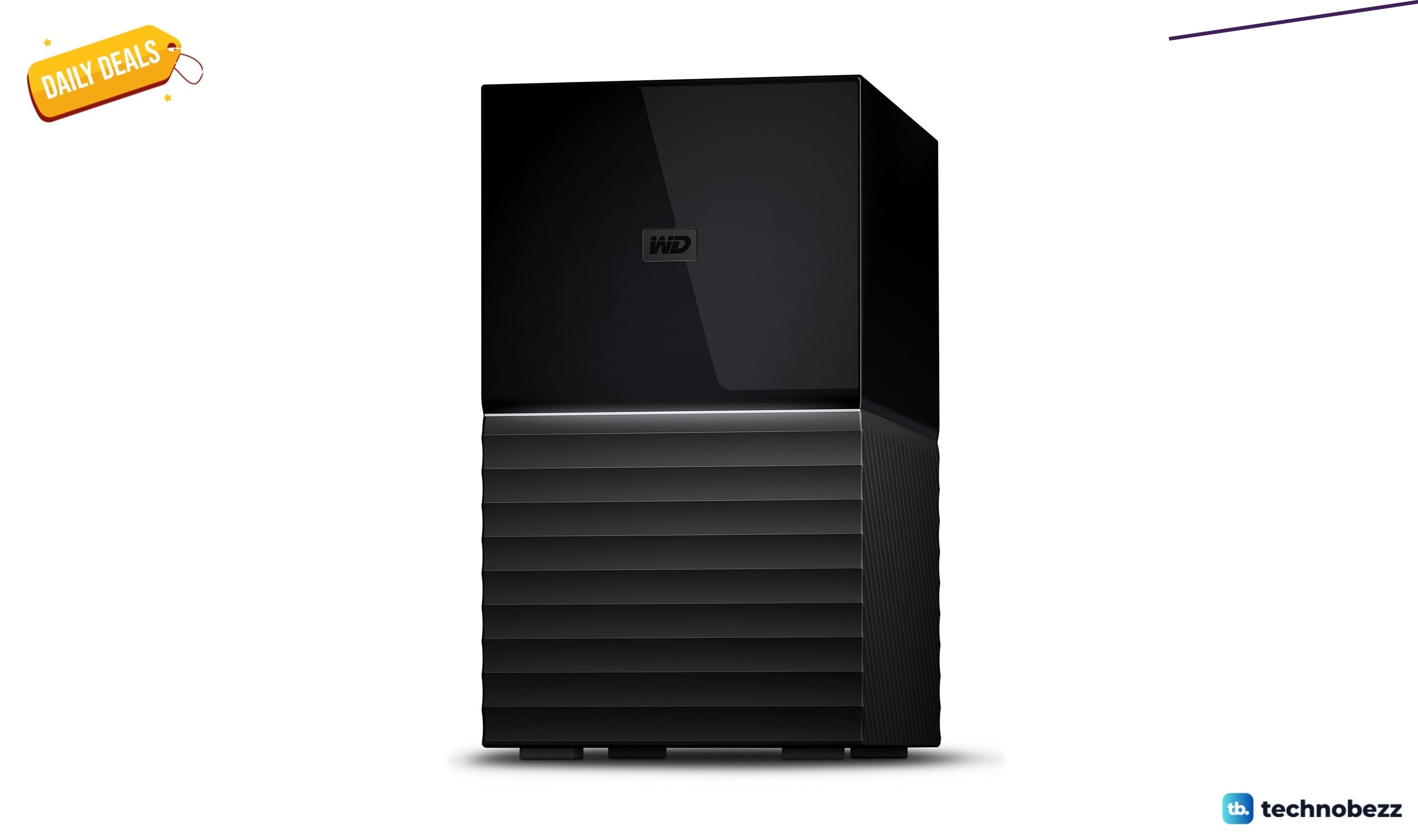
WD My Book Duo Desktop RAID External drops to $1107.20 on Amazon
5 min read
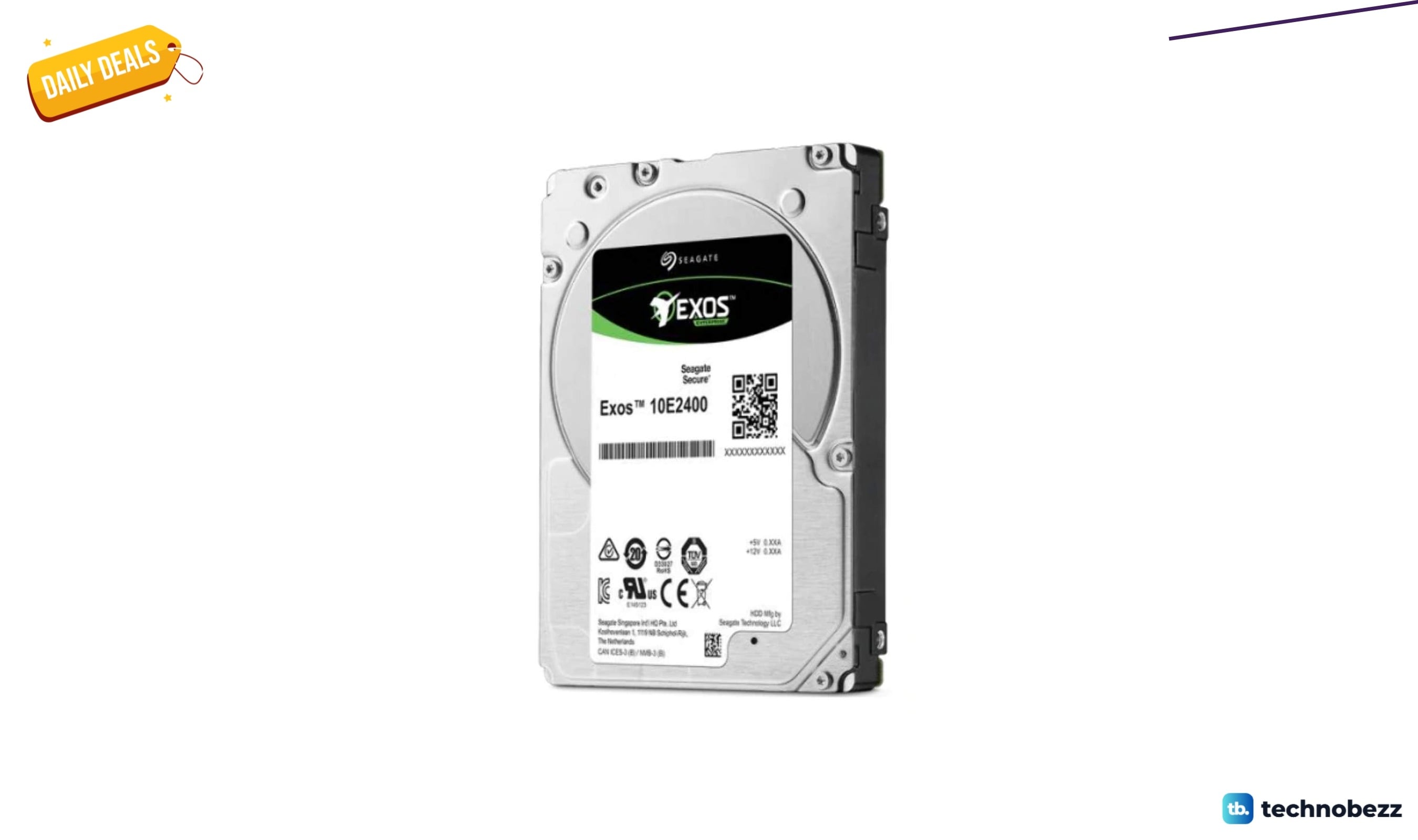
Seagate ST1200MM0129 1.20 TB Hard Drive drops to $120 from $265.94
4 min read
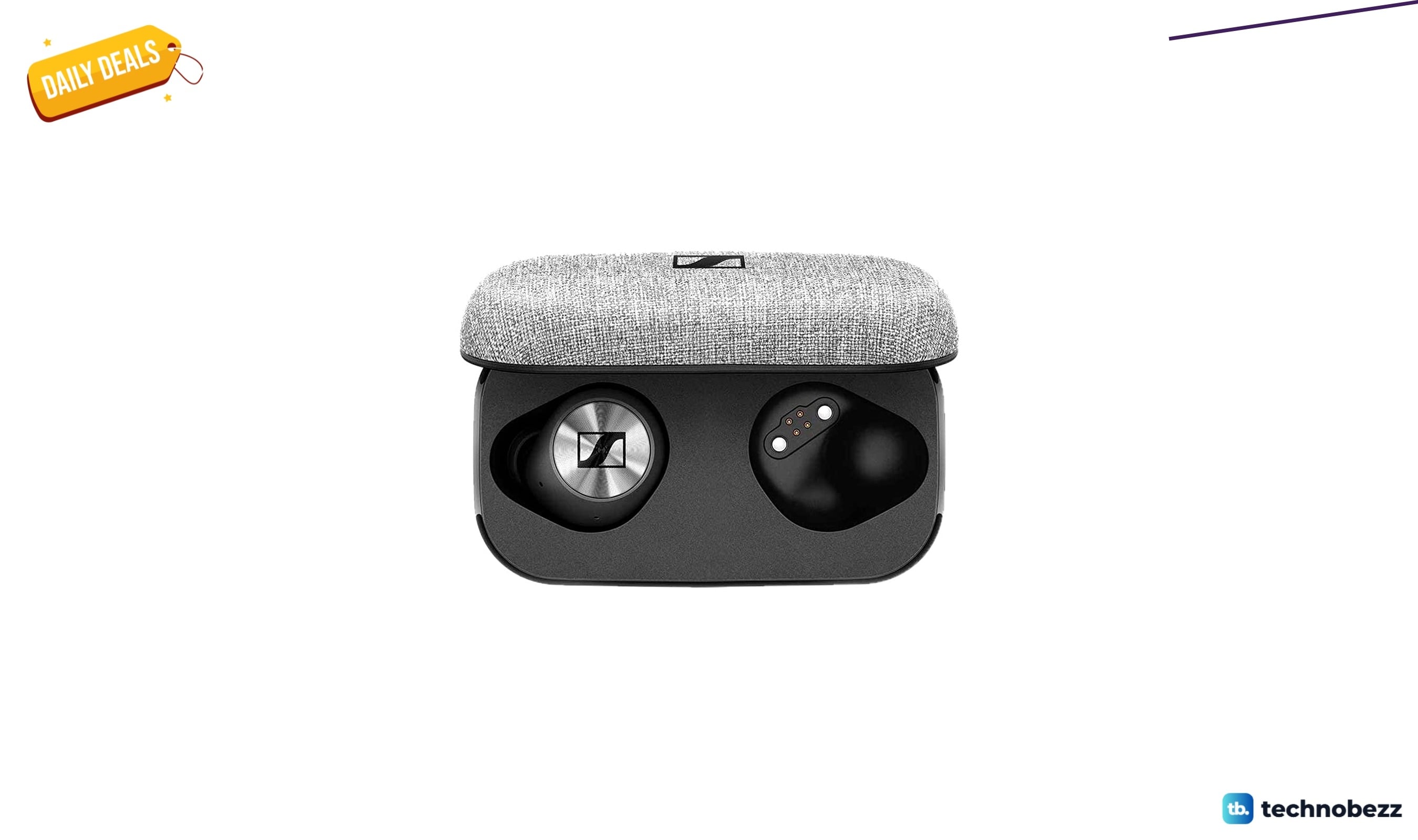
Sennheiser MOMENTUM True Wireless Earbuds down to $199.99 in latest price cut
3 min read
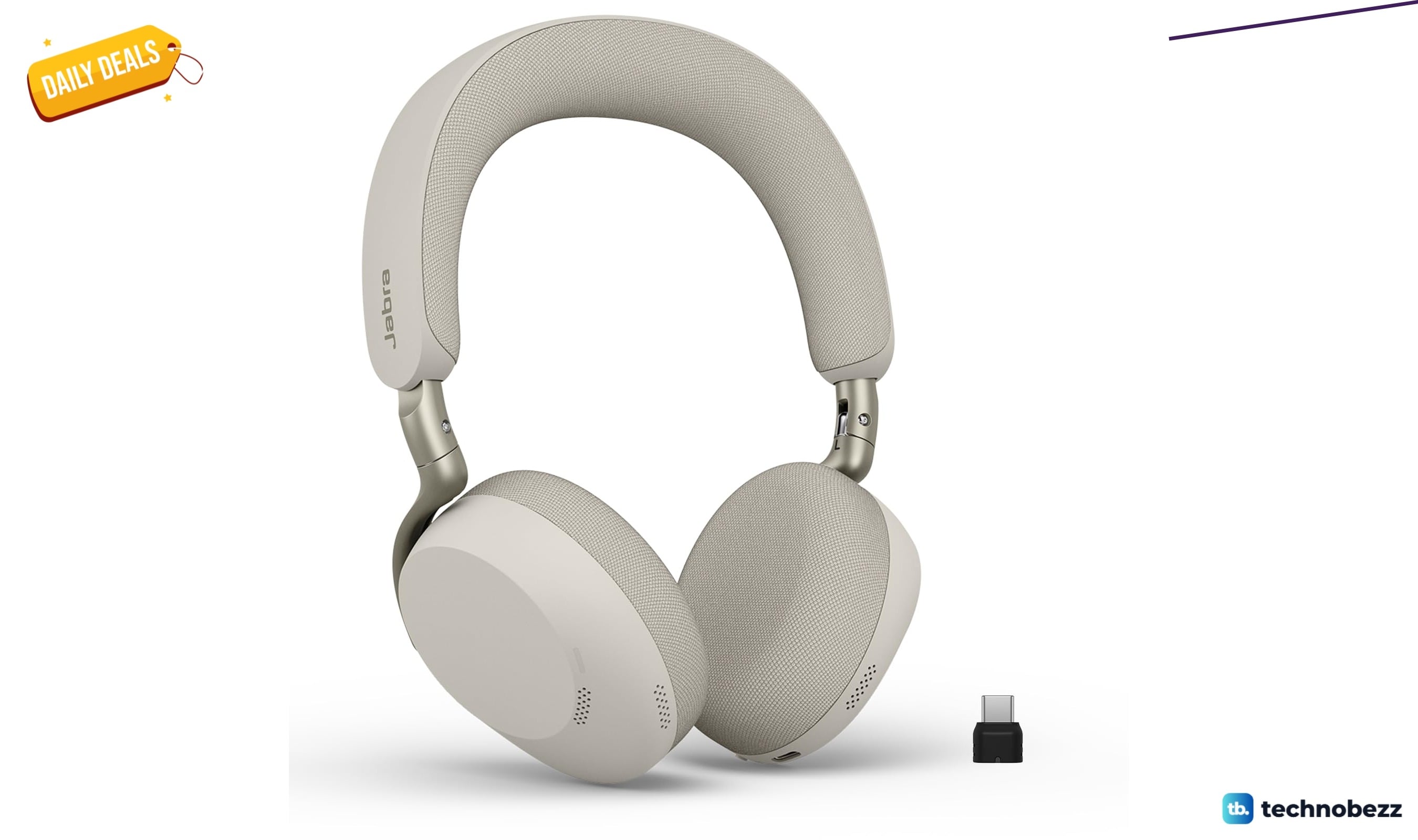
Jabra Evolve3 75 On-Ear Headset drops to $339 for a $124 savings
5 min read
Logitech Zone Wireless Plus Bluetooth Headset drops to $129.93
4 min read