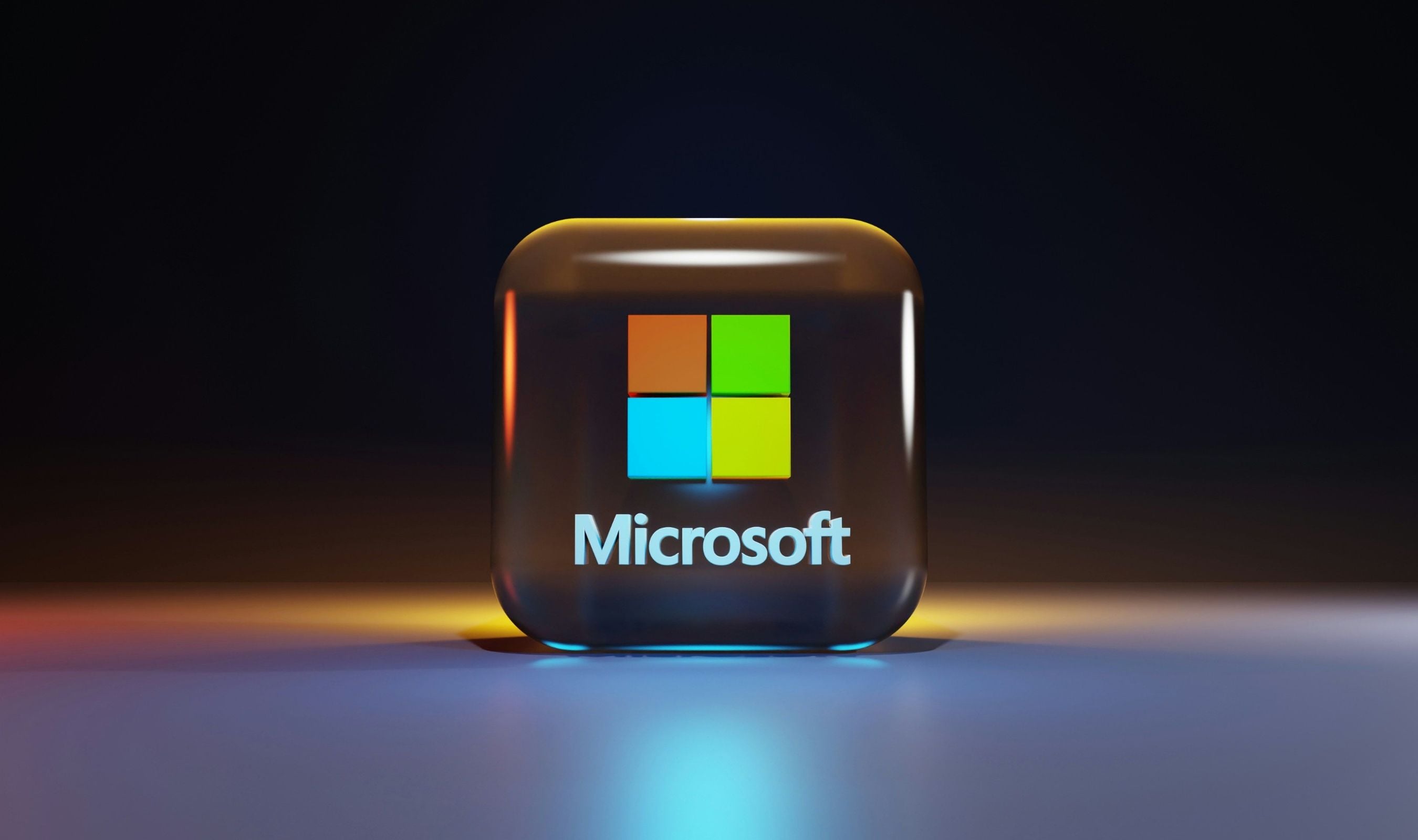
Microsoft's next Windows release will reportedly demand dedicated AI processors for full functionality, potentially forcing millions of PC owners into hardware upgrades when it arrives in 2026.
Codenamed "Hudson Valley Next," Windows 12 requires Neural Processing Units delivering at least 40 trillion operations per second according to leaked specifications.
Systems lacking this specialized silicon may face reduced feature access or complete upgrade blocks, marking Microsoft's most aggressive push yet into AI-powered computing. The timing aligns strategically with Windows 10's scheduled retirement in October 2026.
Industry reports suggest Microsoft is orchestrating a coordinated transition that pushes both consumers and businesses toward new hardware simultaneously. This approach mirrors but intensifies the company's previous strategy with Windows 11, which introduced mandatory TPM 2.0 security chips that excluded many older systems.
Windows 12 introduces a modular CorePC architecture fundamentally restructuring how the operating system functions. Context-aware task recommendations, real-time content summaries, and semantic search operate system-wide rather than as isolated applications.
These capabilities depend on local NPU acceleration rather than cloud processing for responsiveness and privacy.
Intel Core Ultra and AMD Ryzen AI processors already meet the rumored 40 TOPS threshold, positioning current-generation chips as compatible with future requirements. OEMs are expected to label qualifying systems as "Windows 12 Ready" ahead of launch, creating early market segmentation between AI-capable and legacy hardware.
Microsoft may offer limited cloud-based AI features through Windows 365 subscriptions for older PCs, but these won't substitute for local NPU performance according to technical analysis.
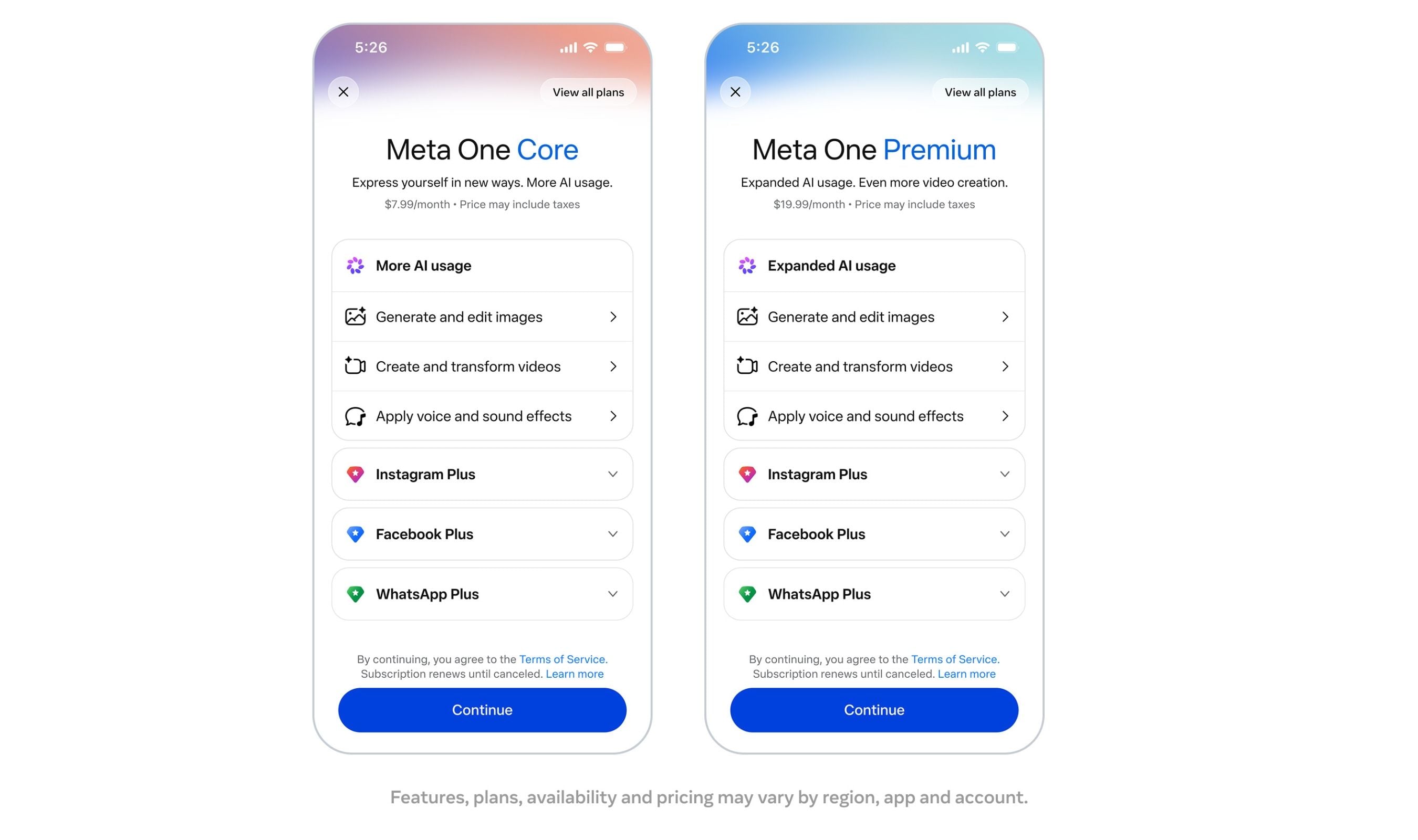
The company appears committed to establishing dedicated AI hardware as the new baseline for premium Windows experiences rather than maintaining backward compatibility across diverse processor generations. The Core Home edition will likely remain a traditional one-time license purchase while advanced AI capabilities could follow subscription models.
This hybrid approach allows Microsoft to monetize premium features while preserving conventional Windows licensing for basic functionality.
Current estimates suggest millions of devices in active use lack NPU hardware entirely, creating potential friction during the transition period. Businesses maintaining fleets of older PCs face particularly complex upgrade decisions balancing cost against access to next-generation productivity tools.
Windows 11 will continue receiving parallel support and updates alongside Windows 12's rollout, providing migration flexibility for organizations with extended hardware refresh cycles.
Microsoft hasn't officially confirmed whether existing Windows 10 users will receive free upgrades or if eligibility extends only to current Windows 11 installations.