
Chinese tech giants face a hard ceiling on their AI ambitions as US officials consider limiting each company to just 75,000 Nvidia H200 chips annually. The proposed cap would apply equally to Advanced Micro Devices' competing MI325 accelerators, creating a unified restriction on high-performance AI hardware reaching China's largest technology firms.
The Trump administration has discussed implementing the per-customer limit following its December approval for H200 exports, familiar with ongoing negotiations. While total shipments across all Chinese buyers could still approach one million units under previously established guidelines, individual companies would face strict purchasing constraints.
For Alibaba Group Holding and ByteDance, which have privately indicated demand exceeding 200,000 chips each, the 75,000 threshold represents less than half their targeted procurement volumes. The restriction shapes how much computational capacity leading Chinese technology firms can realistically secure for developing and operating artificial intelligence models like ChatGPT.
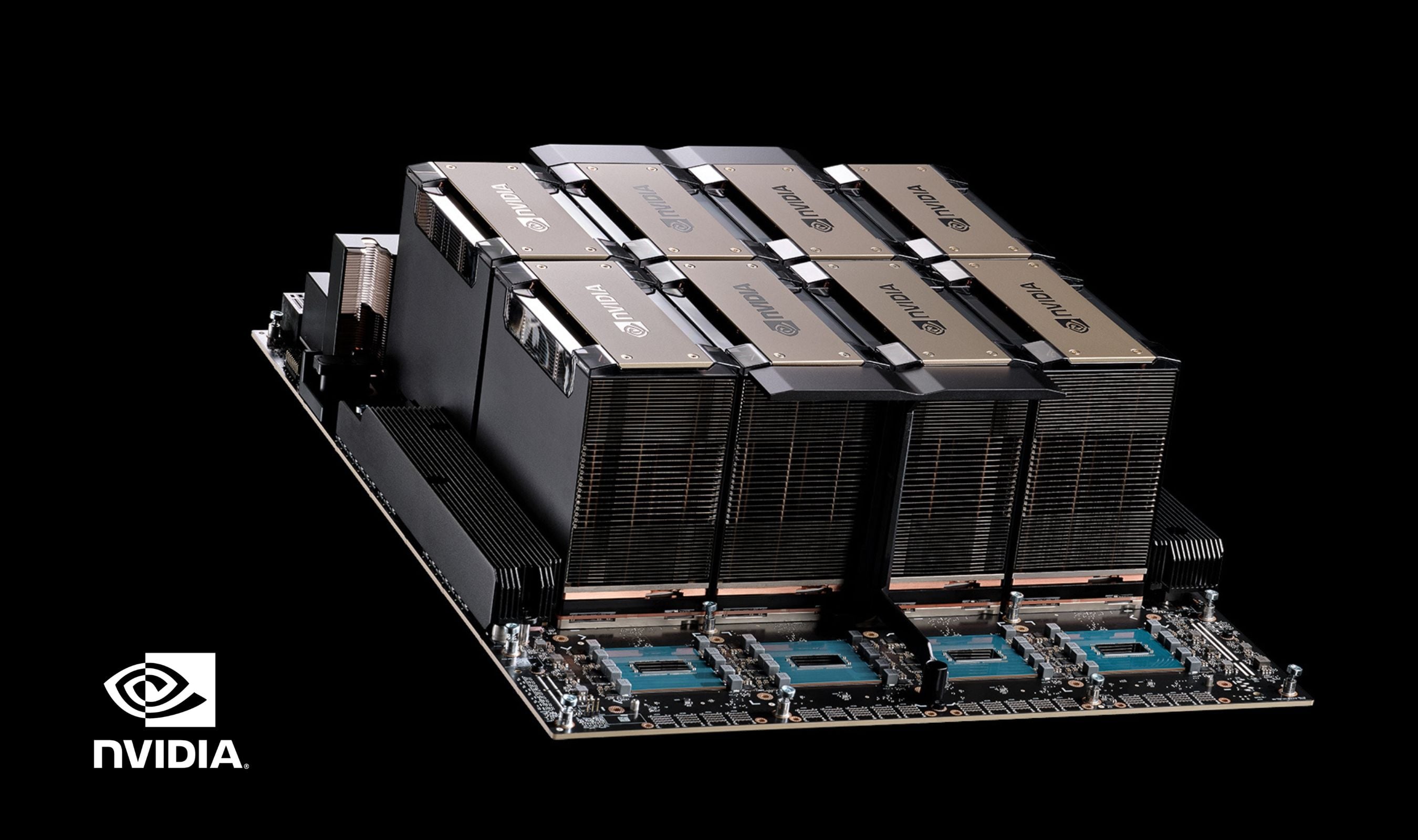
Nvidia's H200 delivers six times the computational capability of products previously authorized for sale to China and remains significantly more advanced than comparable offerings from Huawei. President Donald Trump noted in December that Chinese leader Xi Jinping responded positively to proposals allowing H200 exports to nonmilitary entities.
Implementation details continue evolving as Washington has approved only limited H200 shipments so far. National security officials previously established an overall ceiling of one million units for China, a figure below Nvidia's original proposal but still substantial enough that concentrated allocation could enable construction of one of the world's largest supercomputers.
Additional requirements compel exporters to certify that sales won't reduce availability for US customers and that Chinese buyers conduct rigorous due diligence to prevent military use. These conditions follow earlier approvals mandating that Nvidia return 25 percent of its local sales revenue from China back to the United States.
The chipmaker recorded zero data center revenue from China in recent quarters despite maintaining market interest. Even after implementing export controls in 2022, China contributed 13 percent of Nvidia's revenue during fiscal year 2025, highlighting ongoing dependence on what CEO Jensen Huang recently described as a potential $50 billion annual AI chip market.
Shares of Nvidia fell almost one percent to $181 in late trading following news of the proposed restrictions, while AMD declined to $197.07. Both companies face balancing acts between geopolitical constraints and commercial opportunities as they handle increasingly complex export control landscapes.