
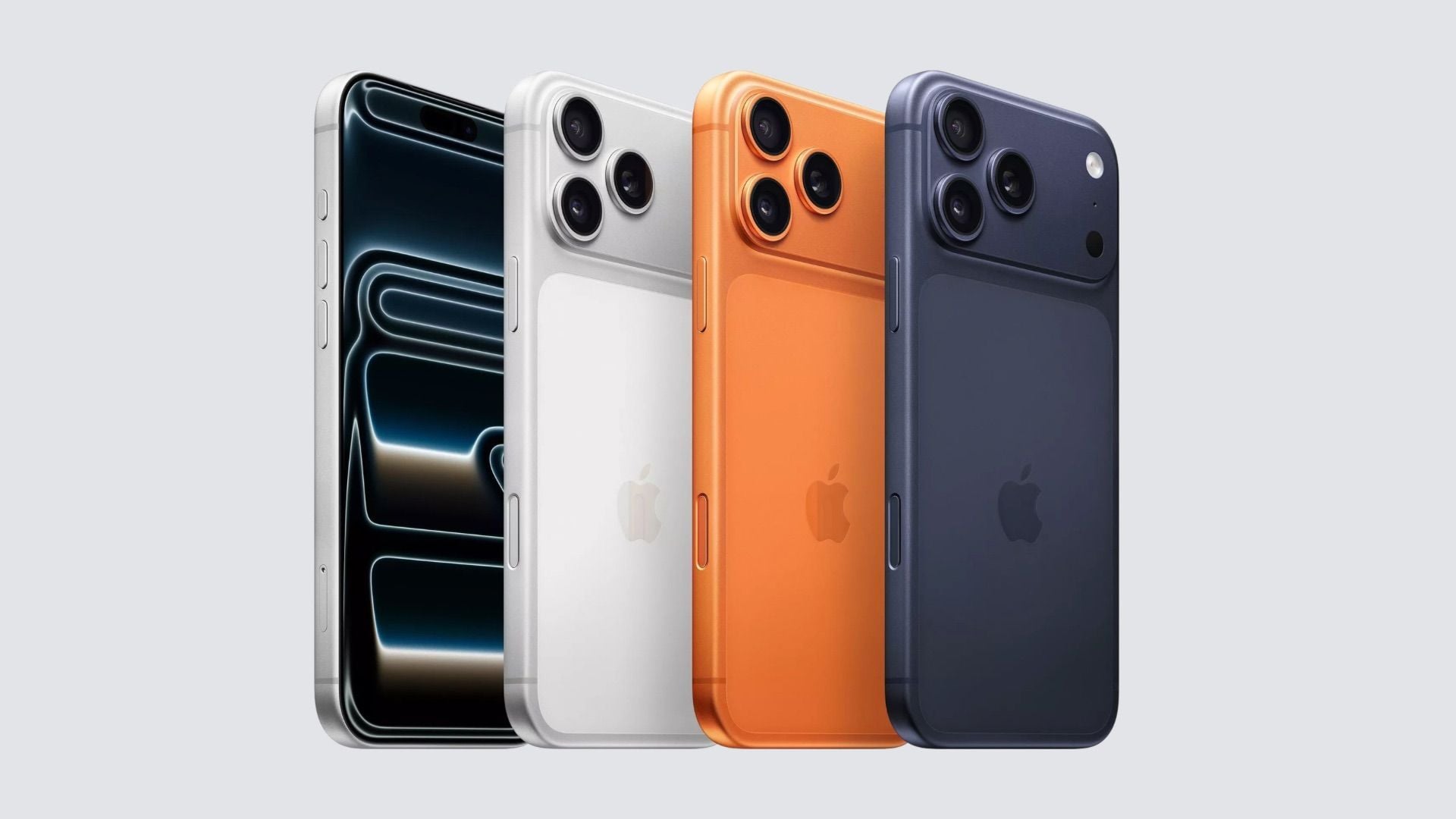
Apple reclaimed China's smartphone crown in the fourth quarter as iPhone shipments surged 28% while the overall market contracted. The iPhone 17 lineup drove the rebound, capturing 22% market share during the key holiday period.
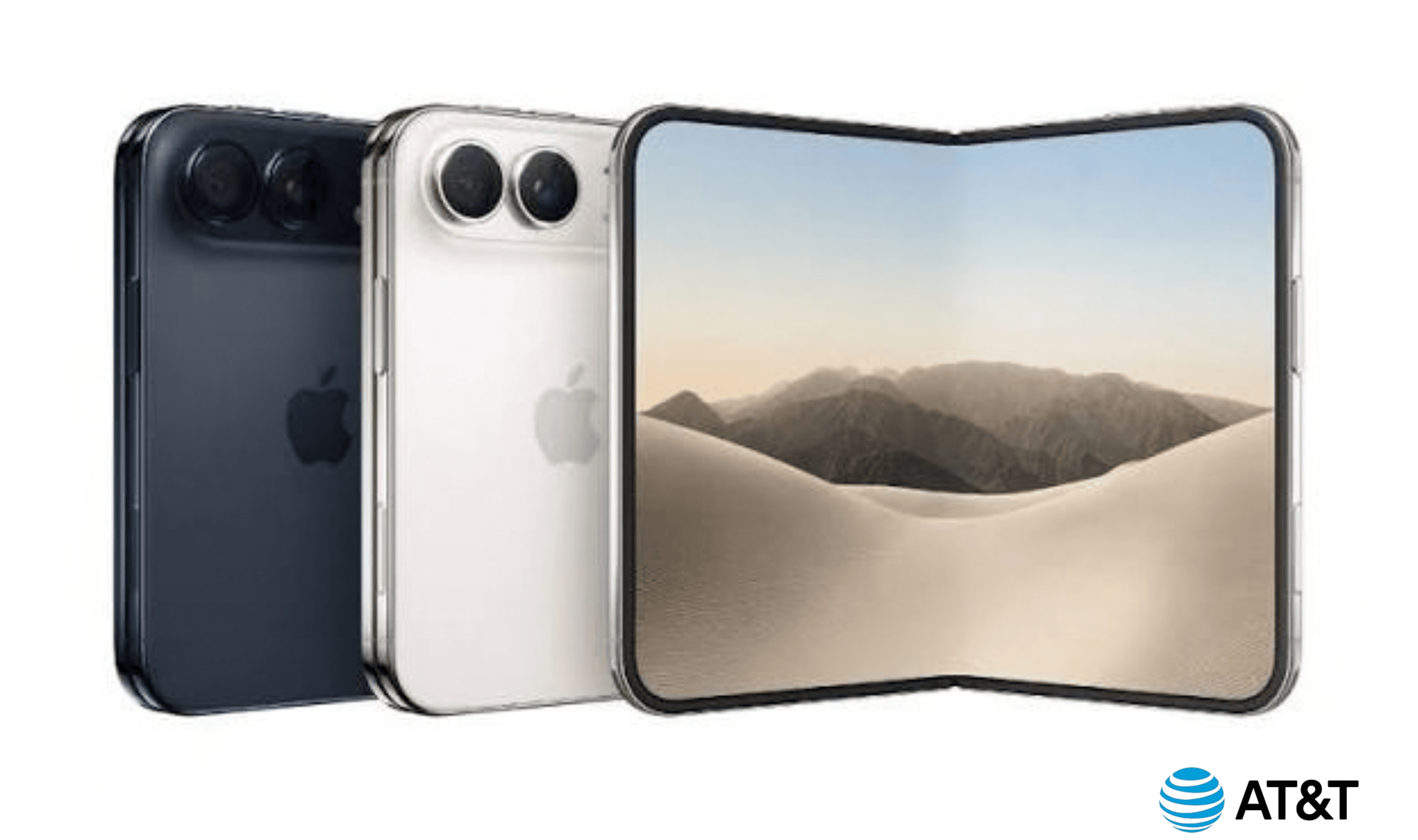
China's smartphone shipments fell 1.6% year-over-year in Q4 2025, according to Counterpoint Research data. Apple's performance stood out against the broader decline, with the iPhone 17 Pro models attracting buyers with a distinctive new camera design. Base iPhone 17 variants offered double the storage of previous models at the same price point.
The iPhone Air captured only low single-digit market share following its delayed China launch. Counterpoint senior analyst Ivan Lam attributed the sluggish start to trade-offs between thinness and feature set. The ultra-thin device represents Apple's exploration of eSIM adoption in China's heavily regulated telecom market.
Huawei retained full-year leadership in China with approximately 17% market share for 2025, matching Apple's annual position. However, Huawei's Q4 shipments declined due to the delayed launch of its Mate 80 series. The company saw a rebound at the start of 2026 supported by new government subsidies.
OPPO surged to second place in Q4 with 15% year-over-year growth, powered by sustained demand for its Reno series. The company benefited from incremental volumes from the newly launched Find X9 and OnePlus 15 series. OPPO's gains came amid overall market contraction, indicating share capture from rivals.
China's smartphone market contracted 0.6% for full-year 2025, with shipments declining in every quarter except the first. Government subsidies provided temporary stimulus in Q1, but demand remained fragile once incentives faded. The pattern suggests consumers remain cautious amid economic uncertainty.
Memory prices are forecast to jump 40-50% in the first quarter of 2026, according to Counterpoint's Memory Tracker. An additional 20% increase is expected in Q2. These rising component costs will pressure smartphone manufacturers, particularly in the low-end segment.
Manufacturers are already scaling back low-end models to protect margins. The memory price hikes stem from chipmakers focusing on advanced memory for AI systems used by companies like Nvidia. Premium smartphones like Apple's iPhone lineup face less impact from component shortages.
Apple's strong Q4 performance follows earlier signs of a sales surge in October that positioned the company for a record holiday quarter. The iPhone 17 Pro series benefited from accelerated supply ramp and strong consumer traction despite broader market weakness. Recent leaks about the iPhone 17e suggest Apple continues to expand its iPhone lineup with budget-friendly options.
The Chinese smartphone market faces continued headwinds in 2026. Soft baseline demand combined with rising bill-of-materials costs suggests growth will remain uneven. Recovery will likely depend on premium innovation and policy stimulus rather than broad-based consumer upgrades.