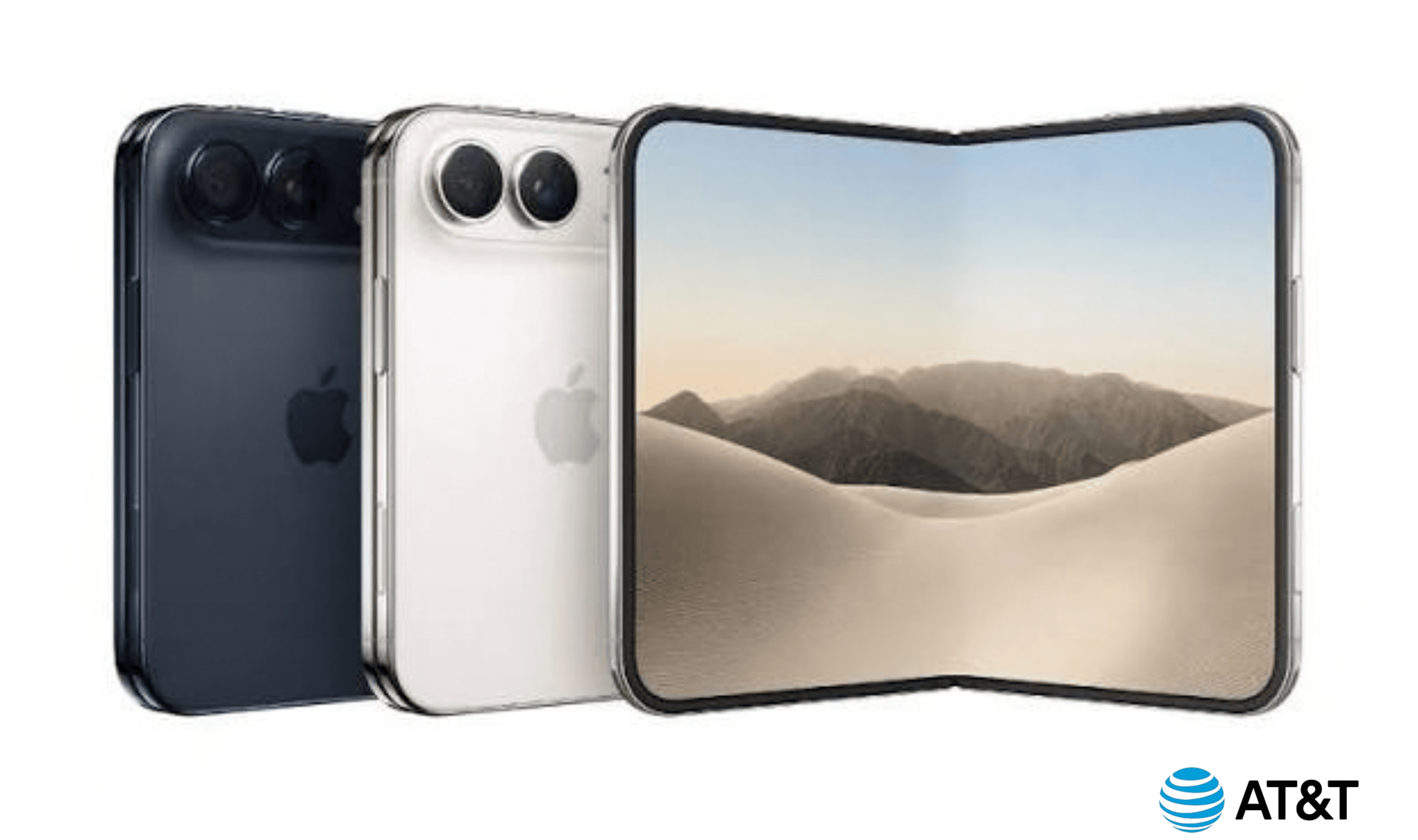


Apple's long-rumored iPhone Fold will reportedly feature a liquid metal hinge and improved titanium body, according to new leaks from Korean tipster Yeux1122. The materials combination aims to solve foldable durability issues while reducing display creasing.
The tipster cited a "related material company source" claiming Apple will use amorphous liquid metal for the hinge mechanism and an enhanced titanium alloy for the frame. This marks Apple's first major commercial use of liquid metal technology beyond SIM ejection tools.
Apple secured an exclusive license for Liquidmetal Technologies' amorphous alloys in 2010 but has only deployed the material in minor components. The iPhone Fold hinge would represent a significant engineering leap, requiring advanced manufacturing capabilities for complex moving parts.
Liquid metal's non-crystalline structure provides superior resistance to bending fatigue and mechanical stress. These properties directly address the hinge durability challenges that plague current foldable smartphones from Samsung, Google, and other manufacturers.
The titanium frame reportedly uses an improved alloy composition that reduces weight while increasing strength compared to previous iPhone titanium implementations. Manufacturing process enhancements contribute to the weight savings, according to multiple sources.
Yeux1122's claims contradict recent rumors suggesting Apple would use aluminum for cost and weight considerations. Some analysts previously indicated the company might opt for a titanium-aluminum hybrid or aluminum-only construction.
Display crease reduction remains a primary focus for Apple's foldable entry. Samsung Display showcased a crease-less foldable OLED panel as an R&D concept at CES 2026 earlier this month, using a perforated metal plate beneath the OLED to distribute folding pressure. Samsung clarified the panel was presented as a research concept with no fixed commercialization timeline.
Apple's approach reportedly differs from Samsung's, though both target the same crease-free outcome. The company previously tested Ultra-thin Flexible Glass (UFG) technology but encountered development challenges, according to industry sources.
The iPhone Fold is expected to launch in September 2026 with a passport-style form factor. Specifications include a 7.7-inch primary display and 5.4-inch cover display, creating a wider aspect ratio than typical smartphone foldables.
Recent dummy models leaked on Chinese social media platform Weibo show a squat design that has divided Apple enthusiasts. Some users criticized the aesthetic, though case manufacturers often create exaggerated prototypes for accessory testing.
Analyst Ming-Chi Kuo predicted in March 2025 that Apple would leverage liquid metal for hinge durability and crease reduction. His forecast aligns with the current rumors, though material selection remains fluid as production approaches.
Yeux1122 maintains a mixed accuracy record among Apple leakers. The tipster previously made incorrect claims about Apple abandoning its 5G modem development, casting some doubt on the current material predictions.
Mass production could begin within months for a late 2026 or early 2027 launch window. Apple typically finalizes material decisions closer to production, leaving room for changes based on supply chain and manufacturing considerations.
The foldable market represents Apple's most significant smartphone design shift since the original iPhone. Competitors like Oppo have established footholds with varying hinge technologies, creating pressure for Apple to deliver superior durability out of the gate.
Liquid metal's fatigue resistance makes it theoretically ideal for hinge applications that endure thousands of daily folding cycles. The material's molding precision could enable tighter tolerances than conventional metals, potentially reducing mechanical play over time.
Titanium's strength-to-weight ratio offers advantages for larger foldable devices that must balance structural integrity with portability. The iPhone Air demonstrated Apple's ability to implement titanium in slim form factors, though foldable mechanics present different challenges.
Industry observers will watch for supply chain signals in coming months as component orders materialize. Display manufacturers, hinge suppliers, and material providers will reveal production scale and technical specifications through their capacity planning.
Apple's entry could accelerate foldable adoption beyond current niche markets. The company's ecosystem integration and software optimization typically drive broader market acceptance for new form factors, as seen with tablets and smartwatches.
Pricing remains uncertain, though some reports suggest the iPhone Fold could debut at twice the cost of an iPhone 17 Pro Max. Material expenses, particularly for liquid metal and titanium, would contribute to premium positioning.
The materials debate reflects Apple's balancing act between innovation ambition and production pragmatism. Liquid metal offers technical advantages but presents manufacturing hurdles, while titanium provides prestige at higher cost than aluminum alternatives.
As September approaches, component leaks and regulatory filings will provide clearer indications of Apple's final material choices. The company's traditional secrecy ensures speculation will continue until official announcement.