
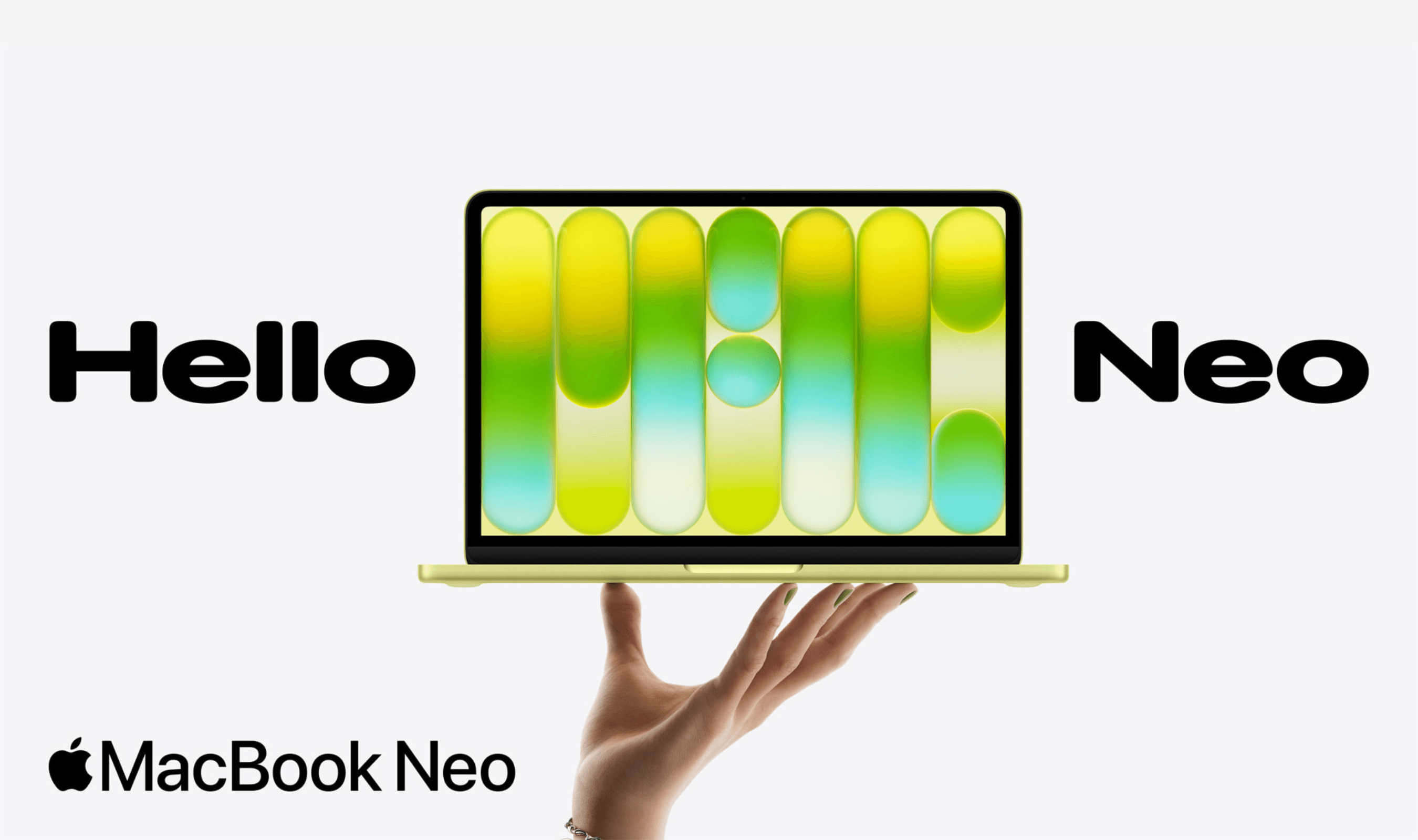
Apple's $599 MacBook Neo brings premium aluminum design and iPhone-level performance to the budget laptop market for the first time. The device, which starts shipping March 11, uses the same A18 Pro chip found in last year's iPhone 16 Pro rather than Apple's M-series processors.
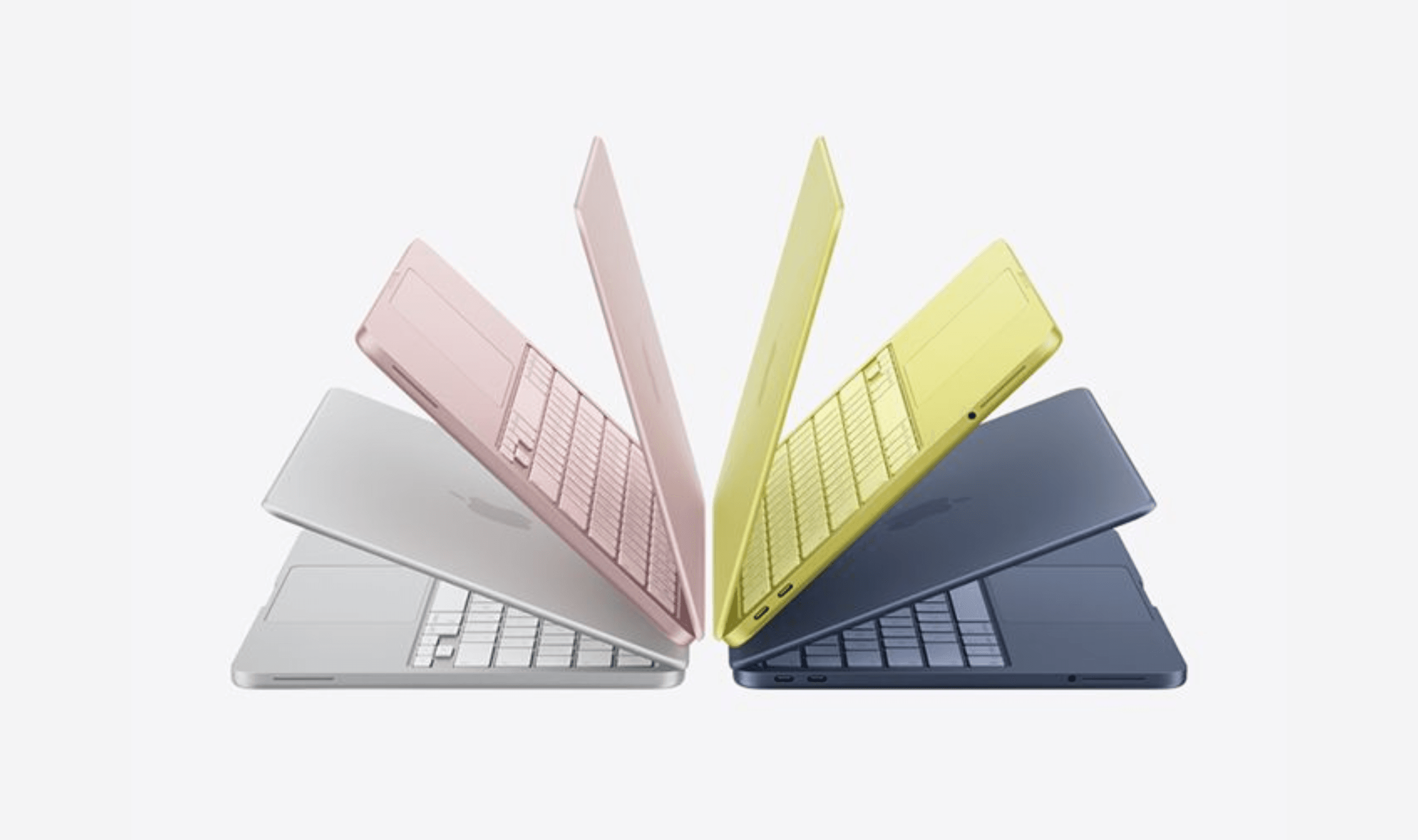
Available in silver, citrus, blush, and indigo colors with color-matched keyboards, the Neo maintains Apple's signature all-aluminum construction despite its aggressive pricing. At 2.7 pounds with a 13-inch Liquid Retina display, it weighs the same as the MacBook Air but comes in a slightly thicker chassis measuring 0.5 inches.
The A18 Pro chip delivers six CPU cores (two performance, four efficiency) and five GPU cores with 8GB of unified memory that cannot be upgraded. In single-core performance tests, the Neo scored 3,541 on Geekbench 6, matching or exceeding many higher-priced laptops including some Windows competitors with Intel Core Ultra processors.
Apple made several compromises to reach the $599 price point. The base model ships without Touch ID and includes only 256GB of storage, though a $100 upgrade adds both features along with 512GB of storage. The laptop lacks MagSafe charging, True Tone display technology, and Thunderbolt ports, instead offering one USB-C 3 port (10Gb/s) and one USB-C 2 port (480Mb/s).
Battery life reaches approximately 13.5 hours for video streaming according to CNET testing, about 3.5 hours less than the current M5 MacBook Air.
The device includes a 20-watt charger without fast charging support and features side-firing speakers compatible with Dolby Atmos spatial audio. The display measures 13 inches with a 2,408 x 1,506 resolution at 219 pixels per inch, supporting up to 500 nits of brightness but limited to sRGB color space rather than the wider P3 gamut found on other Macs.
Unlike pricier models, it has no camera notch, the webcam sits in a slightly thicker top bezel, and uses a mechanical trackpad instead of Apple's Force Touch haptic system. For students qualifying for education discounts, pricing drops to $499 according to Mashable testing.
Combined with Apple's cheapest iPhone, the total comes within $100 of a standalone MacBook Air, creating an accessible entry point to Apple's ecosystem.
Performance limitations appear primarily in multi-core workloads where the Neo scored just 333 on Cinebench 2024 compared to over 900 for current M5 MacBook Air models. The device supports only one external display and lacks Wi-Fi 7 connectivity, settling for Wi-Fi 6E instead.
Reviewers noted the Neo handled everyday tasks including web browsing with dozens of tabs open alongside productivity applications without noticeable slowdowns during typical use cases. The aluminum construction proved more rigid than plastic-bodied competitors in similar price ranges during hands-on comparisons.