
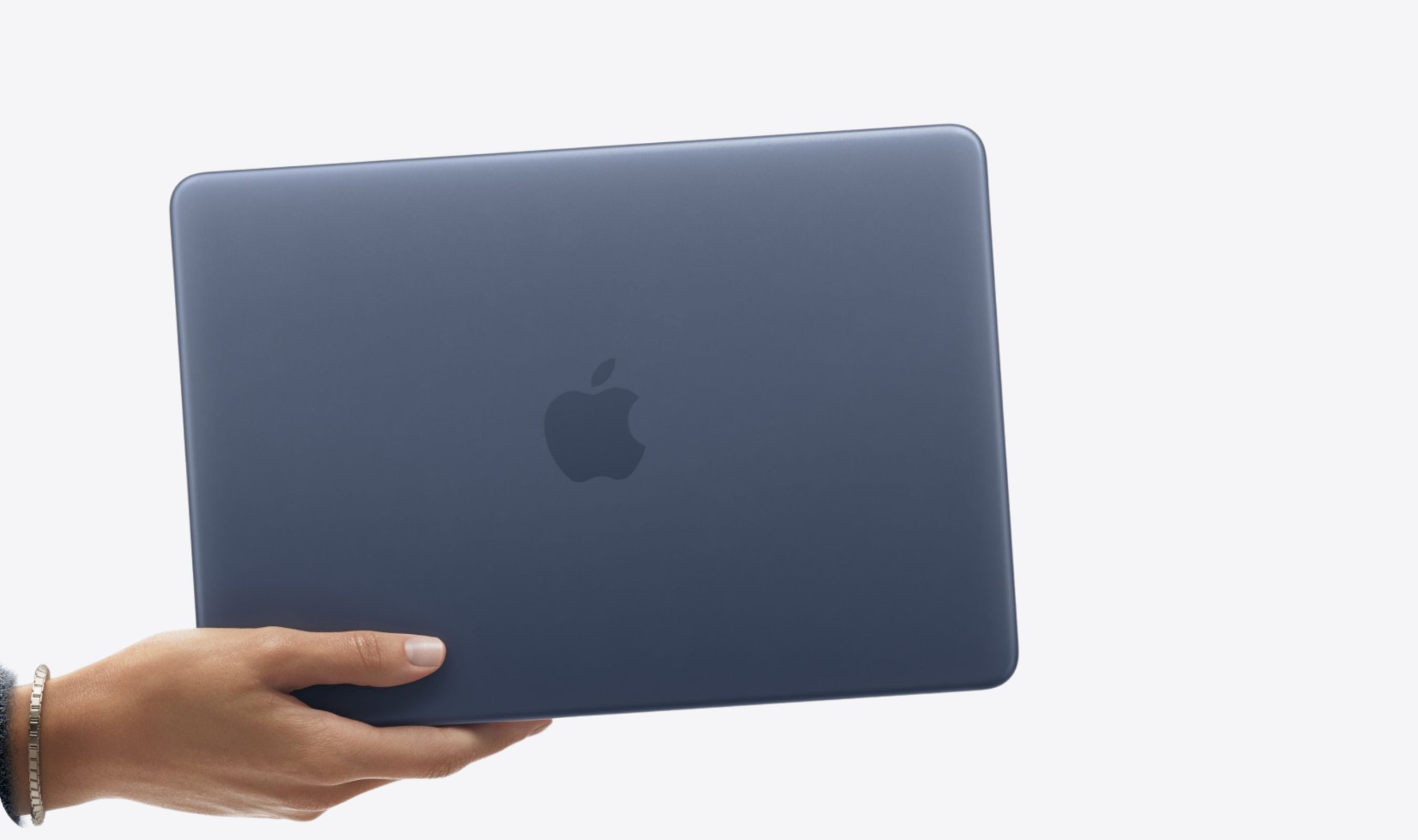
Apple's budget MacBook Neo has become too popular for its own supply chain, creating a chip shortage dilemma that could force the company to accelerate its successor or drop the entry-level model.
The $599 laptop, which uses recycled A18 Pro processors from iPhone 16 Pro production, has reportedly sold beyond Apple's initial projections of 5-6 million units according to independent journalist and former Bloomberg columnist Tim Culpan. Demand from students and first-time Mac buyers has pushed delivery times to 2-3 weeks across all configurations at Apple's online store.
Apple's manufacturing strategy relied on using "binned" chips, processors that didn't meet full iPhone 16 Pro specifications, to hit the aggressive price point. This cost-saving approach worked until demand exceeded available inventory of the discontinued A18 Pro silicon.
With A18 Pro production already ceased, Apple faces limited options. The company could pay TSMC a premium to restart fabrication of the previous-generation chip, but this would squeeze margins on a product designed for price-sensitive buyers.
Two alternatives are reportedly under discussion: accelerating production of the MacBook Neo 2, originally planned for 2027, or removing the $599 base configuration entirely. The second-generation model would use A19 Pro chips from iPhone 17 Pro leftovers, continuing the recycled processor strategy.
The more expensive $699 variant with Touch ID remains available through some retailers like Amazon with shorter wait times. Meanwhile, Apple's newer M5 MacBook Air starts at nearly double the Neo's price but faces no similar supply constraints after launching in March.
Apple's entry into budget computing through recycled components created an unexpected hit product that now tests the limits of its manufacturing flexibility.