
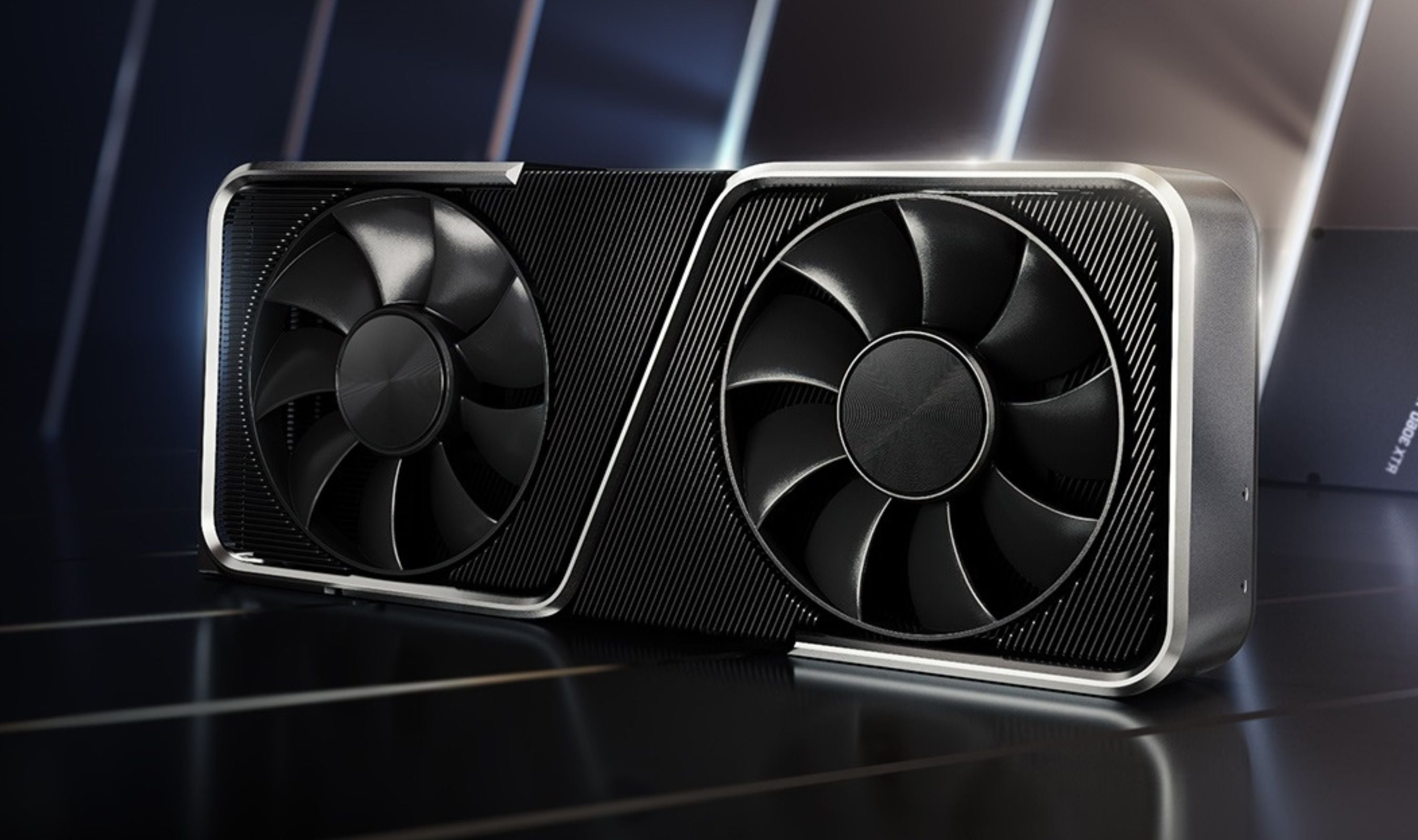
Production delays for NVIDIA's upcoming RTX 5050 budget GPU have reportedly forced the company to revive its five-year-old RTX 3060 as a stopgap solution for entry-level buyers. The move comes alongside new AI-powered compression technology that could reshape how much VRAM future games actually need.
According to a leak from hardware leaker MEGAsizeGPU, the GeForce RTX 5050, including a rumored 9GB variant, no longer targets a launch around Computex this year. Its release window remains unclear with no confirmed timeline.
To fill the gap, NVIDIA could reintroduce the GeForce RTX 3060 with its original 12GB of GDDR6 memory as early as June 2026, reportedly using Samsung's 8nm process from its original production cycle. The timing coincides with NVIDIA's unveiling of Neural Texture Compression at GTC 2026 in March. The AI-driven technology stores compact neural representations instead of full textures, reconstructing them in real time using Tensor Cores.
Early demos show VRAM usage reductions reaching upwards of 80% depending on scene configuration, potentially making lower-VRAM configurations more viable for modern games.
RTX 3060's revival makes practical sense for NVIDIA's bottom line. Its 12GB VRAM and 192-bit memory bus give it an advantage over a potential RTX 5050 configuration, especially if newer cards rely on tighter memory setups or more expensive GDDR7 supply chains.
Reusing existing Ampere architecture designs helps avoid delays tied to newer architectures while maintaining availability in the budget segment where supply constraints have historically caused problems.
Neural Texture Compression isn't strictly locked to NVIDIA hardware; the underlying technique can run on AMD and Intel GPUs too, but performance scales with hardware capability. Tensor Core-equipped GPUs from the RTX 20 series onward are naturally better suited, though older cards may not benefit from the full VRAM reduction effects. The highest efficiency mode requires faster graphics processors that older 8GB GPUs typically lack.
NVIDIA has already made a beta available on GitHub for developers to experiment with Neural Texture Compression, but real-world game integration likely won't appear until late this year or mid-2027. Developers must build it into their pipelines from the ground up, training neural representations and deciding how aggressively to use the technology in their games.
The company has not confirmed either development publicly and declined to comment on the rumors about RTX 3060 production resuming. Still, both moves match broader industry trends where companies revisit proven hardware designs while investing in software solutions that extend hardware longevity through efficiency gains rather than raw specification increases.