
Google announced December 8, 2025 that its AI-powered smart glasses will launch in 2026, marking the company's third attempt to conquer the wearable eyewear market after two previous failures.
The Alphabet-owned company confirmed the timeline during its Android Show: XR Edition livestream, revealing partnerships with eyewear brands Warby Parker, Gentle Monster, and Samsung. Google committed up to $150 million to the initiative, including $75 million for Warby Parker's development costs and another $75 million investment contingent on collaboration milestones.
Two distinct product categories will debut next year. The first features screen-free, voice-first glasses equipped with speakers, microphones, and cameras for natural interaction with Google's Gemini AI assistant. The second category includes display-equipped glasses with small in-lens displays showing private information like navigation directions and real-time translations.
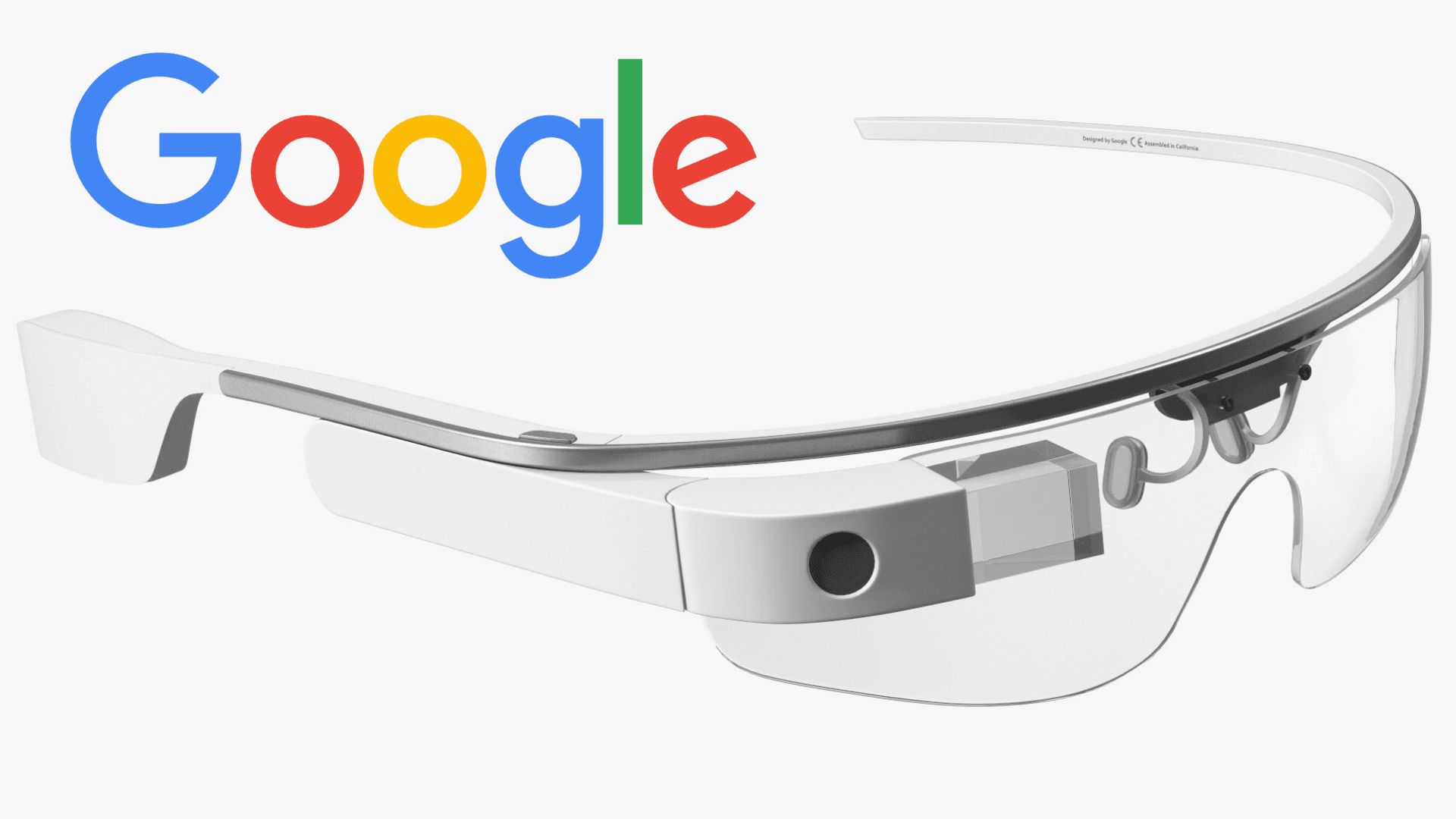
Google's previous attempts at smart glasses failed dramatically. The original Google Glass launched in 2013 but was withdrawn within two years due to low adoption, privacy concerns, and social stigma that earned users the nickname "Glassholes." A second enterprise-focused iteration released in 2017 was discontinued in 2023.
This time, Google is taking a fundamentally different approach by partnering with established fashion brands rather than designing hardware itself. Warby Parker co-founders Neil Blumenthal and Dave Gilboa emphasized fashion and wearability during the announcement, stating glasses serve as "a powerful form of self-expression" for most people.
The strategic shift addresses what researchers identify as the core challenge for wearable technology: social acceptability. Academic studies show successful wearables integrate into accessories people already wear, like watches, rings, and glasses. The Wearable Acceptability Range (WEAR) scale measures whether devices help users reach goals without creating social anxiety about privacy or appearing rude.
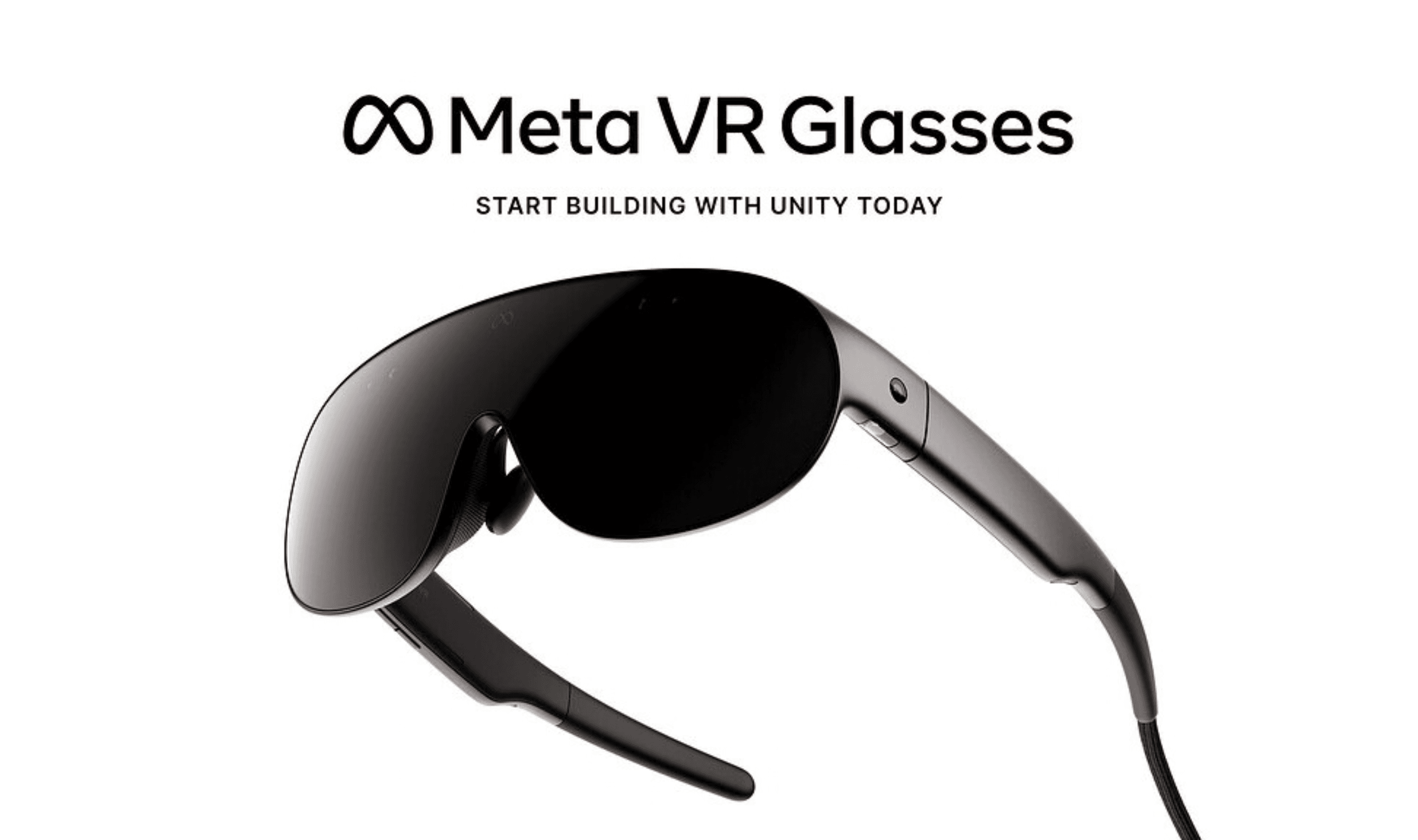
Meta currently dominates the smart glasses market with its Ray-Ban collaboration, which has achieved surprising commercial success. Meta's glasses include front-facing cameras and conversational voice agent support from Meta AI, with display-equipped versions showing messages, photo previews, and live captions through small in-lens displays.
Google's new glasses will run on Android XR, the company's operating system for extended reality devices. The platform will leverage Gemini AI to interpret surroundings, translate languages in real time, take voice-activated photos, and surface contextual information without requiring users to reach for their phones.
Industry analysts note Google faces significant challenges despite its revised strategy. Meta has established market leadership, Apple entered the spatial computing space with its Vision Pro headset earlier this year, and companies like Snap and Alibaba continue developing their own AI glasses offerings.
Key consumer details remain undisclosed, including pricing, battery life, exact weight, carrier and retail distribution plans, and precise launch timing for specific models. Warby Parker's stock reportedly reached a 52-week high following the December 8 announcement, with analysts attributing the surge to investor anticipation for the AI glasses.
Google co-founder Sergey Brin acknowledged past mistakes in May 2025, citing less advanced AI and supply chain knowledge that led to expensive price points. "Now, in the AI world, the things these glasses can do to help you out without constantly distracting you - that capability is much higher," Brin said.
The eyewear market represents a critical battleground for AI integration. Research from Iowa State University shows successful wearable technology must balance functionality with social acceptance. Google's partnership with fashion-forward brands like Gentle Monster, which aims to "create fashion eyewear equipped with AI that allows us to deliver a sense of wonder," suggests the company has learned from its previous failures.
Privacy concerns that plagued earlier smart glasses remain unresolved industry-wide. Meta's Ray-Ban glasses have sparked privacy debates on platforms like Reddit, indicating ongoing public apprehension about cameras and sensors in everyday wearables.
Google's 2026 launch positions the company against Meta's established products and Apple's premium spatial computing devices. The success of this third attempt will depend on whether Google can deliver fashionable, socially acceptable eyewear that leverages AI capabilities without triggering privacy concerns or social stigma.
The company's $150 million commitment and strategic partnerships signal serious intent to compete in the growing wearable-AI eyewear market. Whether this investment translates to commercial success against established competitors will determine if Google finally achieves its decade-long ambition to make smart glasses mainstream.