
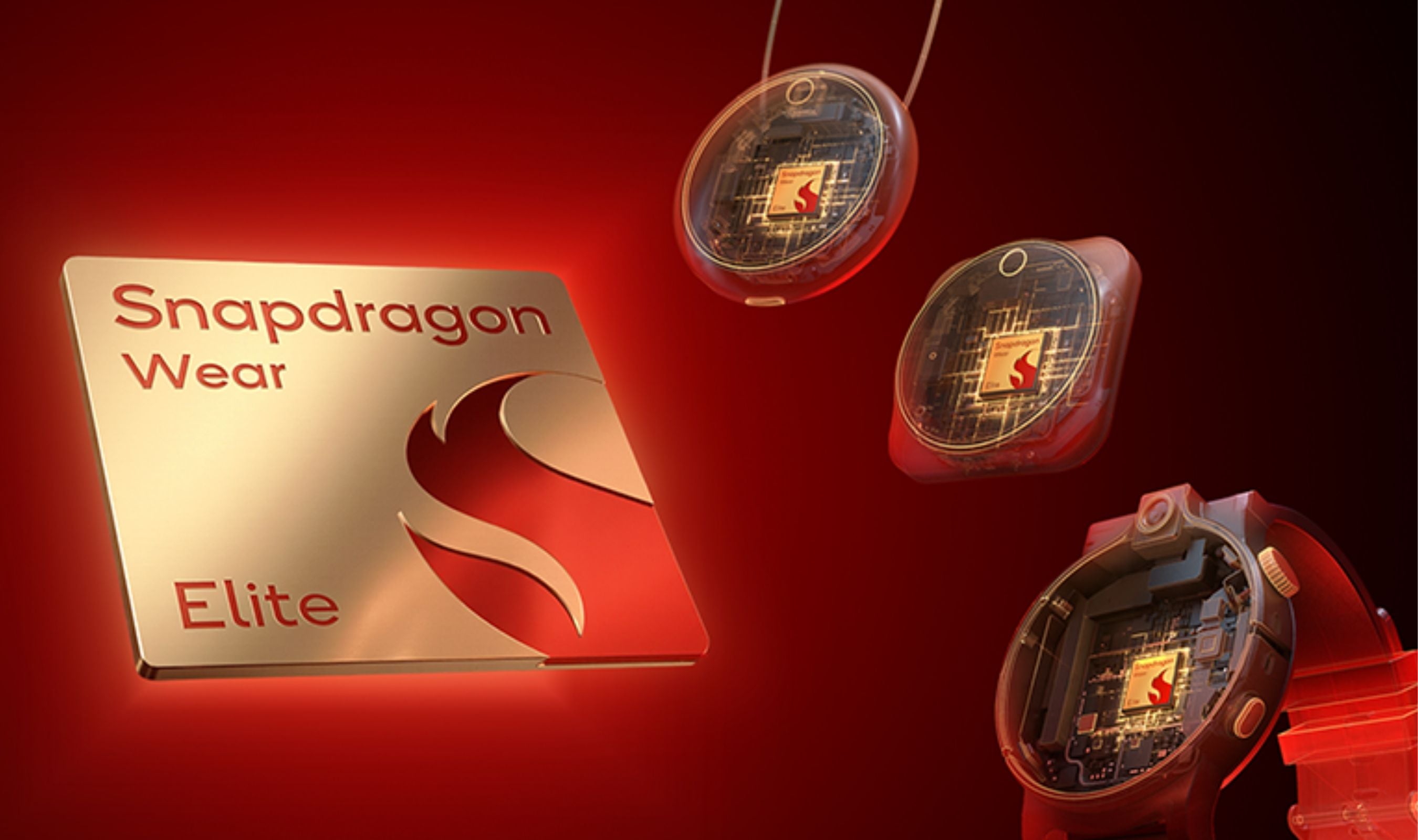
AI-powered pins and pendants join smartwatches as the next wearable frontier, powered by Qualcomm's new Snapdragon Wear Elite platform that Google, Motorola, and Samsung will build into upcoming devices.
The chipset unveiled at Mobile World Congress in Barcelona features a dedicated neural processing unit for on-device AI workloads without constant cloud connectivity. This enables continuous audio processing, speech recognition, and contextual awareness while maintaining low power consumption essential for small form factors.
Qualcomm claims 30% battery life improvements over previous wearable platforms alongside rapid charging that reaches 50% capacity in approximately ten minutes. The processor supports Google's Wear OS alongside Android and Linux operating systems for flexible device designs.
Samsung confirmed integration into its next Galaxy Watch model during the announcement. Motorola plans to use the platform for Project Maxwell, an AI concept device demonstrated at CES earlier this year that represents the company's exploration of ambient computing beyond traditional smartphones.
Google's participation as a launch partner signals broader industry adoption of specialized AI wearables rather than conventional smartwatch designs alone. The collaboration enables what Qualcomm describes as "personal AI experiences" including natural voice interactions and context-aware recommendations directly on device.
First products using the Wear Elite chip should reach consumers within months according to company statements.
Manufacturers can customize versions of the platform by omitting certain wireless features depending on specific product requirements. The chip supports six connectivity technologies including 5G RedCap, Wi-Fi 6, Bluetooth 6.0, UWB, GNSS positioning, and NB-NTN satellite connectivity.
The dedicated Hexagon NPU handles AI models containing up to two billion parameters locally instead of requiring cloud processing for complex tasks. This capability supports applications like automatic life-logging cameras that capture moments without user intervention.
Qualcomm demonstrated similar functionality through its Looki L1 camera built with previous generation wearable technology during MWC presentations. Expanded implementations could include discreet pins or pendant-style devices using the enhanced processing capabilities now available.