
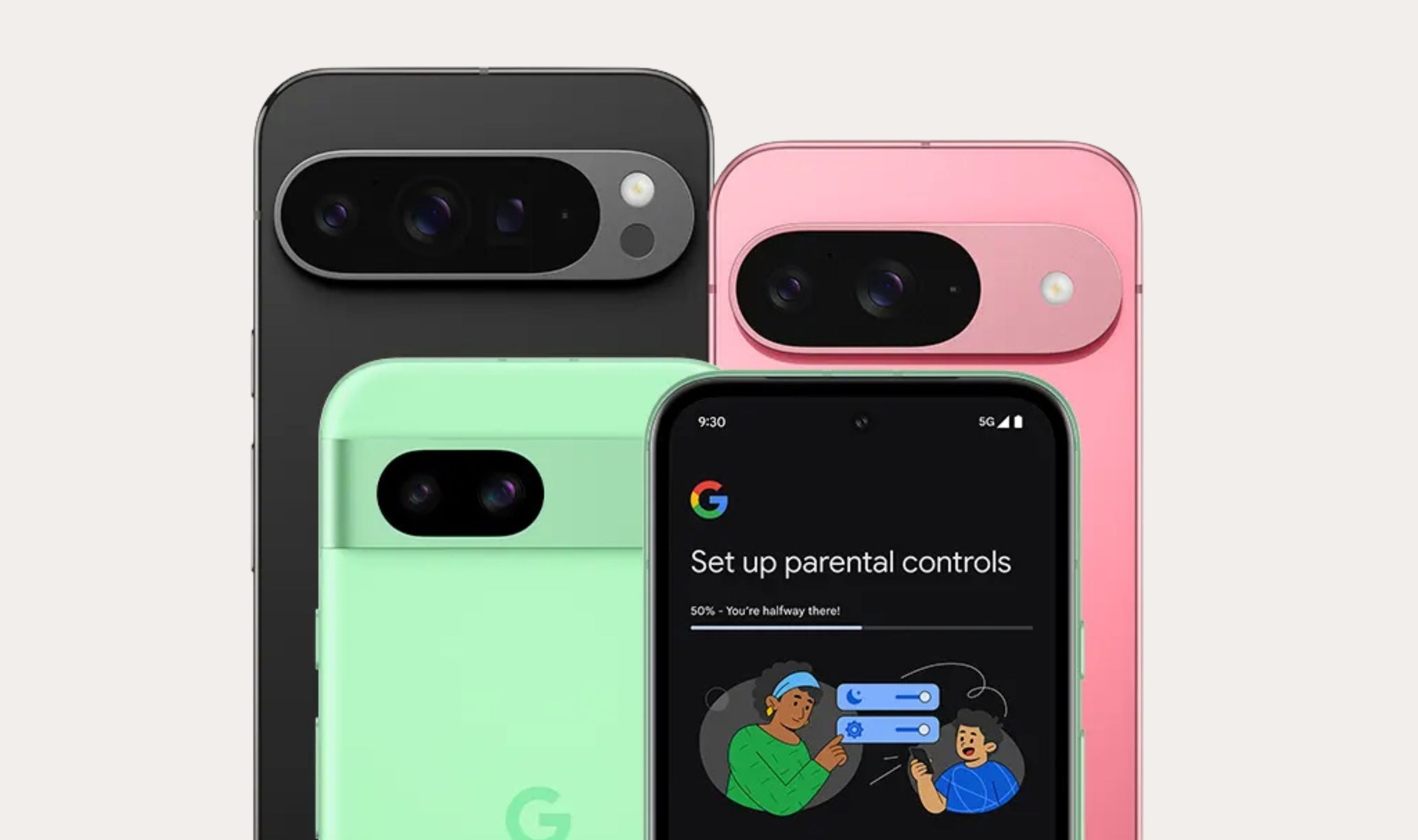
Owners of Google's smartphones receive a substantial March update delivering critical GPU optimizations for the Pixel 10 series alongside fixes for battery reporting issues and system stability problems. The quarterly release patches over 60 security vulnerabilities while potentially serving as Android 16's final major iteration before Android 17 arrives later this year.
Google's Feature Drop arrived today with build CP1A.260305.016 across all supported hardware including the Pixel 6 through Pixel 10 series, plus the Pixel Tablet and Pixel Fold. Beyond new features introduced with Android 16 QPR3, this release addresses sixteen specific bugs spanning audio crashes, camera service stability, display freezing, and user interface responsiveness.
The latest models gain GPU performance improvements through OpenCL driver optimizations that reduce overhead and increase benchmark scores. These also receive corrections for incorrect battery status reporting during wireless charging and screen freezing issues that occasionally rendered phones unusable.
Security patches resolve between 63 and 66 vulnerabilities dated March 1st and March 5th, ranging from high to critical severity levels. Ten additional hardware-specific security fixes appear in Google's dedicated bulletin for its smartphones.
The quarterly nature brings continued software support to older Pixel 6 and Pixel 7 series that Google recently shifted to a quarterly schedule without formal announcement. These phones now receive the same CP1A.260305.016 build as current-generation models through over-the-air distribution from Google and carrier partners including Verizon, T-Mobile, and AT&T.
Audio fixes eliminate delays displaying speaker icons during settings adjustments while preventing occasional audio crashes across all supported hardware starting with Pixel 6. Camera stability improvements address service crashes on Pixel 9 and newer models, while framework patches resolve UI freezing conditions and background processing issues affecting intelligence features.
Display corrections target fuzzy or incorrect behavior on the latest models while fixing background blur disappearance during app searches across all supported hardware. Telephony enhancements improve network connection stability and prevent unexpected cellular service loss on recent models.
This release represents Android 16 QPR3 after several months of beta testing that began in December. It could mark the last significant Android 16 iteration before Android 17 reaches stable channels in coming months.
Development continues apace with Google releasing Android 17 Beta 2 just two weeks after its initial beta version. That upcoming platform introduces bubble app organization, improved touchpad gestures resembling mouse functionality, enhanced indoor navigation using Ultra-Wideband technology, and temporary contact access permissions through a redesigned Contacts Picker.