
Apple on Monday formally unveiled a rebuilt Apple Intelligence platform centered on foundation models co-developed with Google, marking the most consequential architectural change to the company's AI strategy since the January partnership was first announced. The new system replaces Apple's previous in-house AI approach with what the company calls "Apple Foundation Models," built using Google's Gemini technology.
Craig Federighi, Apple's senior vice president of software engineering, described the architecture during the WWDC 2026 keynote as enabling "deep, contextual AI" that runs across iPhone, iPad, and Mac hardware. A new system orchestrator sits at the center of the architecture, coordinating AI features across apps and devices. Apple says the orchestrator routes requests between on-device inference and cloud servers through its existing Private Cloud Compute infrastructure, tailoring responses based on which app is active and what task the user is performing. The upgraded models bring multimodal capabilities Apple has not previously offered. They can understand images, generate realistic pictures from text descriptions, perform advanced photo editing, and answer visual questions.
Certain devices will receive a higher-power version of the model with improved speech generation, dictation accuracy, and natural language understanding, though Apple did not specify which hardware qualifies.
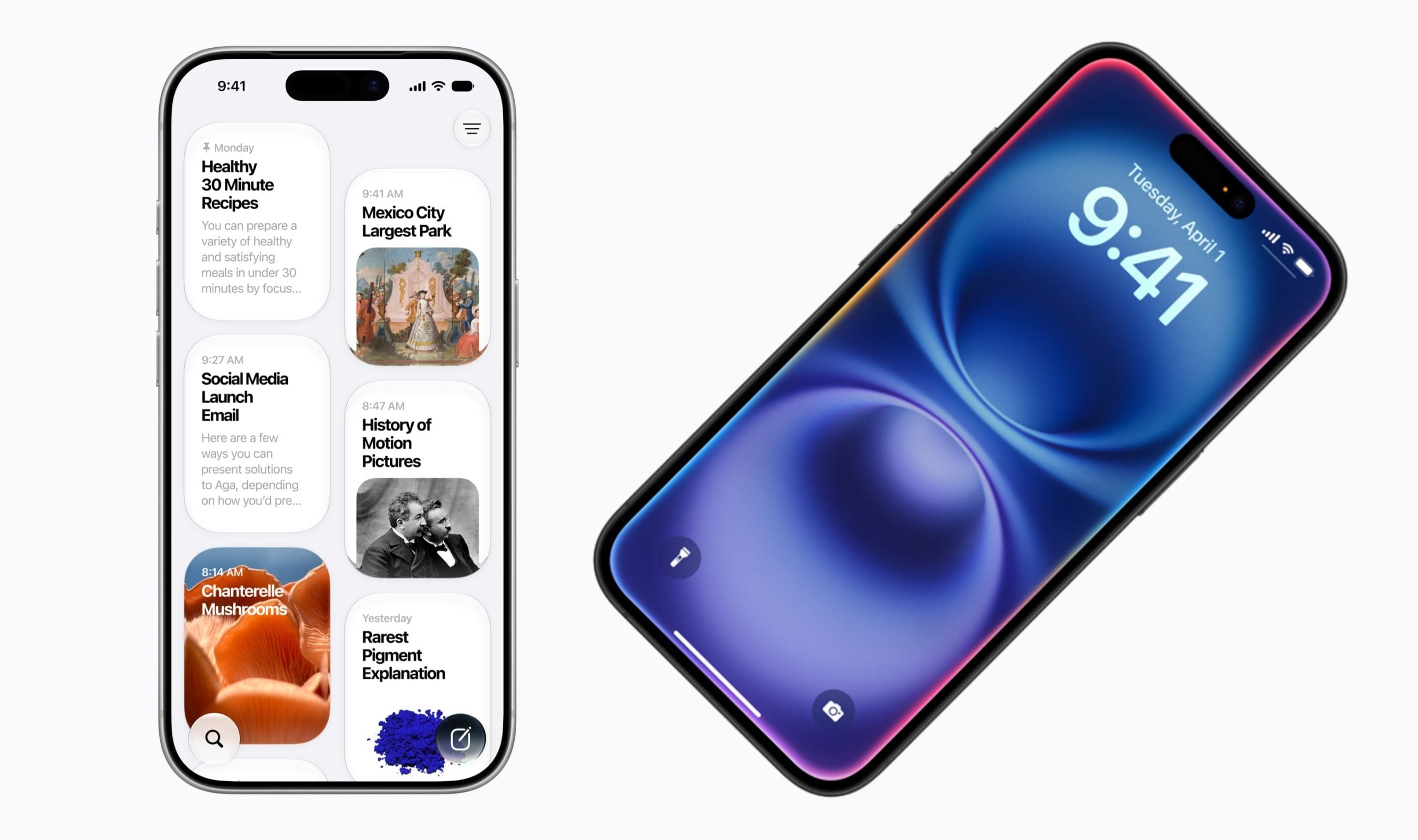
"Siri AI," as Apple now calls the assistant, gets a dedicated app with a redesigned chat-style interface that supports voice and text input. It can analyze on-screen content, pull personal context from messages, emails, and calendars, and execute actions across multiple apps.
Apple demonstrated the assistant planning events, comparing documents, and pulling flight information during phone calls with customer support. The software updates unveiled Monday will ship alongside new hardware this fall, according to CNBC. Apple stock has neared record highs in recent weeks as investors approved of the Google AI partnership and iPhone sales momentum continued.
Federighi emphasized privacy as a differentiator. "Privacy in AI is non-negotiable," he said during the keynote.
Apple said on-device processing and Private Cloud Compute ensure user data is only used to execute the immediate request and is not accessible to Apple or third parties. Outside experts can verify those guarantees "at any time," the company stated. The announcement comes as Tim Cook's final WWDC as CEO. John Ternus, who will succeed Cook in September, did not appear during the keynote.
Apple Intelligence features will be available to developers starting today, with a public beta next month and a full release this fall. The company said Apple Intelligence will not initially launch in the EU, and it is still working through regulatory requirements in China.