
When an app on your iPhone SE 4 suddenly quits or freezes, it can stop you right in the middle of something important. This is usually a temporary software hiccup that iOS 18 can handle, and you can often get things running smoothly again with a few quick checks. I'd start with the simplest fix first, which is often all you need.
Force Quit and Relaunch the App
If an app is frozen or just closed unexpectedly, force quitting it gives it a clean start. Swipe up from the bottom of the screen and pause in the middle to enter the App Switcher. Find the problematic app's preview and swipe it up and off the top of the screen to close it. Then, just tap its icon on your Home Screen to open it fresh.
Check for App Updates
Developers release updates constantly to squash bugs and improve compatibility, especially with new devices like the SE 4. Open the App Store and tap your profile icon in the top right corner. Scroll down to see if any updates are pending for your apps, particularly the one that's crashing. Tap "Update" next to it, or "Update All" to get everything current.
Restart Your iPhone SE 4
A quick restart clears out your phone's temporary memory and can resolve a lot of minor glitches causing apps to misbehave. Go to Settings > General > Shut Down and slide to power off. Wait about 30 seconds, then press and hold the Side button until you see the Apple logo. For a more forceful restart if the screen is unresponsive, use the force restart method: quickly press and release the Volume Up button, then the Volume Down button, then press and hold the Side button until the Apple logo appears.
Update iOS
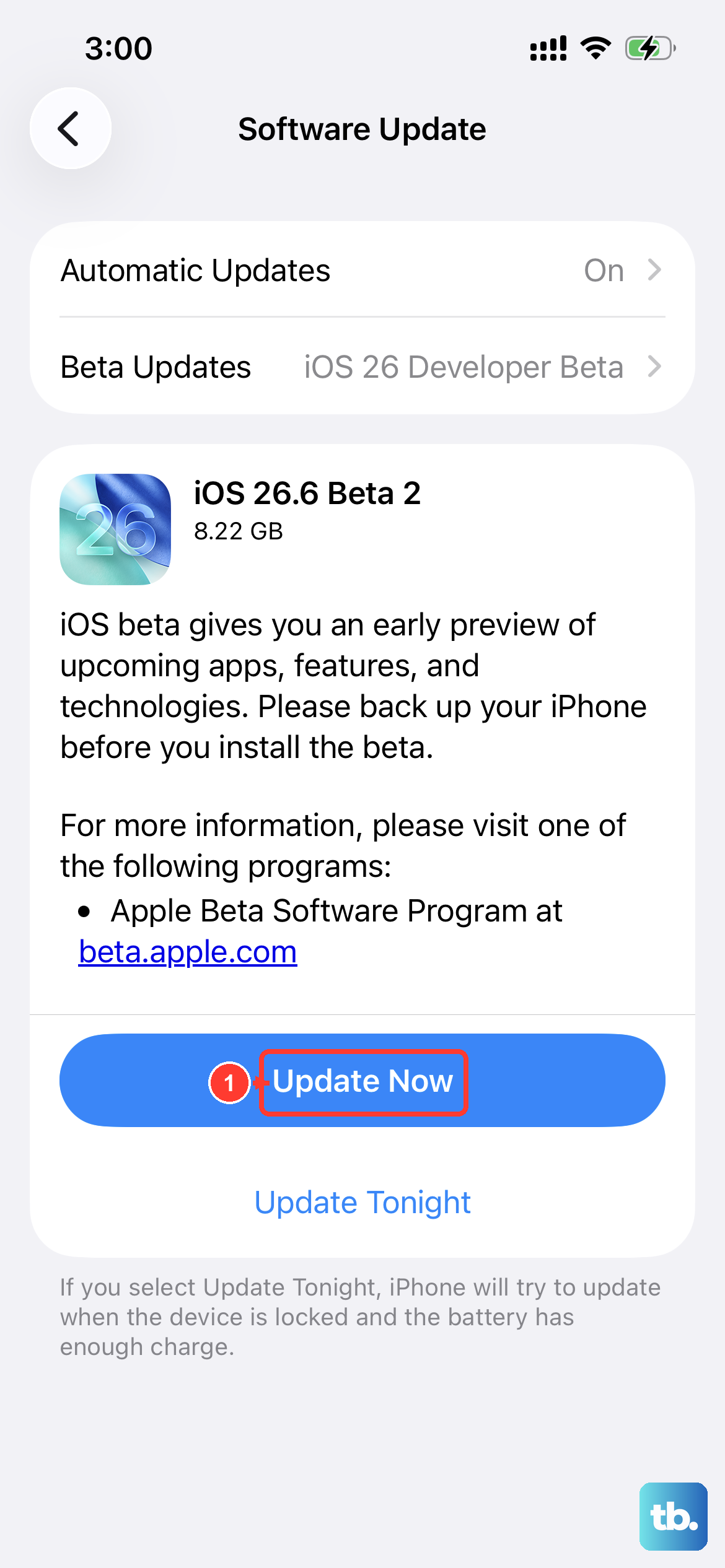
Making sure your iPhone SE 4 is running the latest available version of iOS is crucial. Apple's updates frequently include important bug fixes and performance improvements that directly affect app stability. Head to Settings > General > Software Update. If an update is available, tap "Download and Install." It's a good idea to plug your phone into power using a 20W USB-C PD charger during this process.
Free Up Storage Space
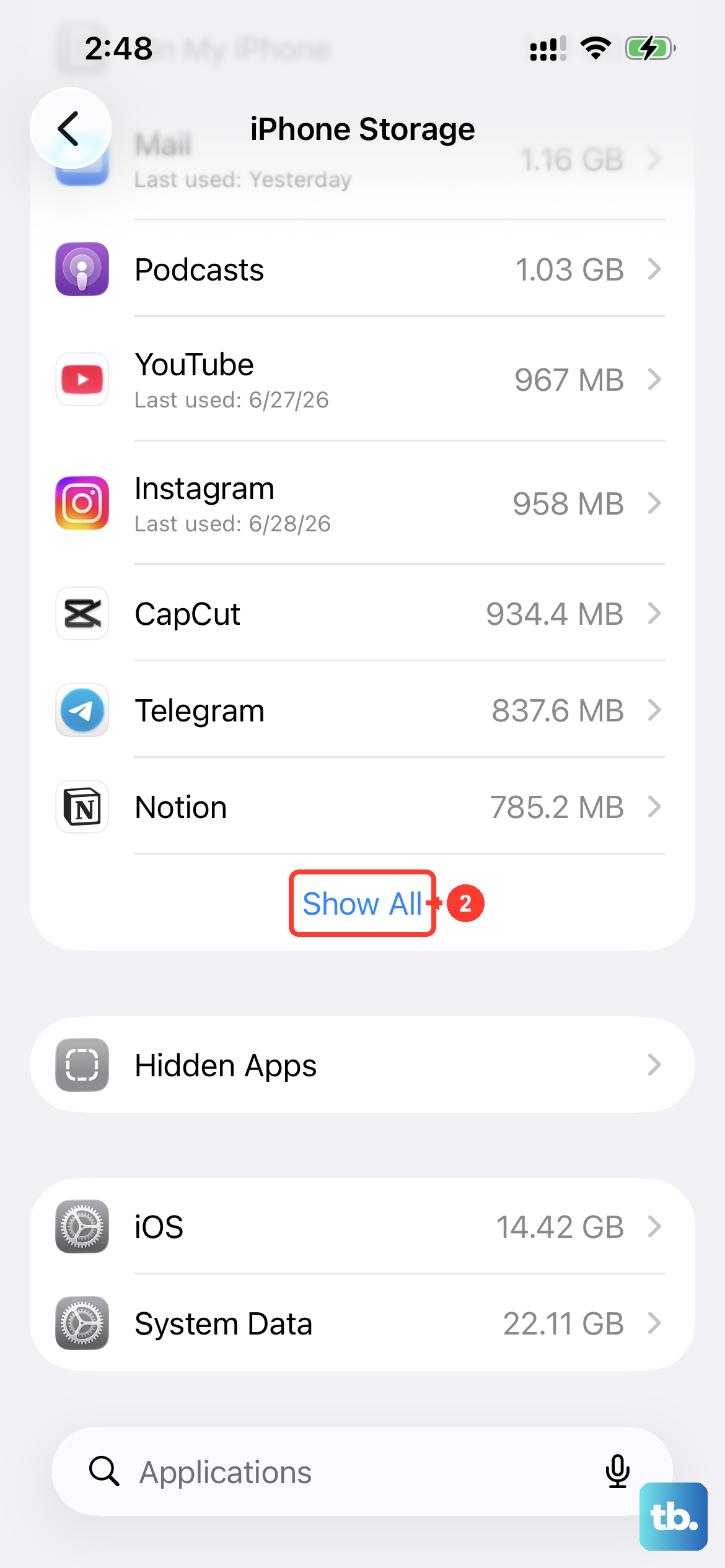
Apps need free space to operate and store temporary data. If your iPhone's storage is nearly full, apps can start crashing. Go to Settings > General > iPhone Storage to see a breakdown. The system might even suggest "Offload Unused Apps," which removes the app but keeps its documents and data, making it easy to reinstall later. You can also review and delete old messages, clear your Safari cache, or move photos to iCloud.
Check Your Internet Connection
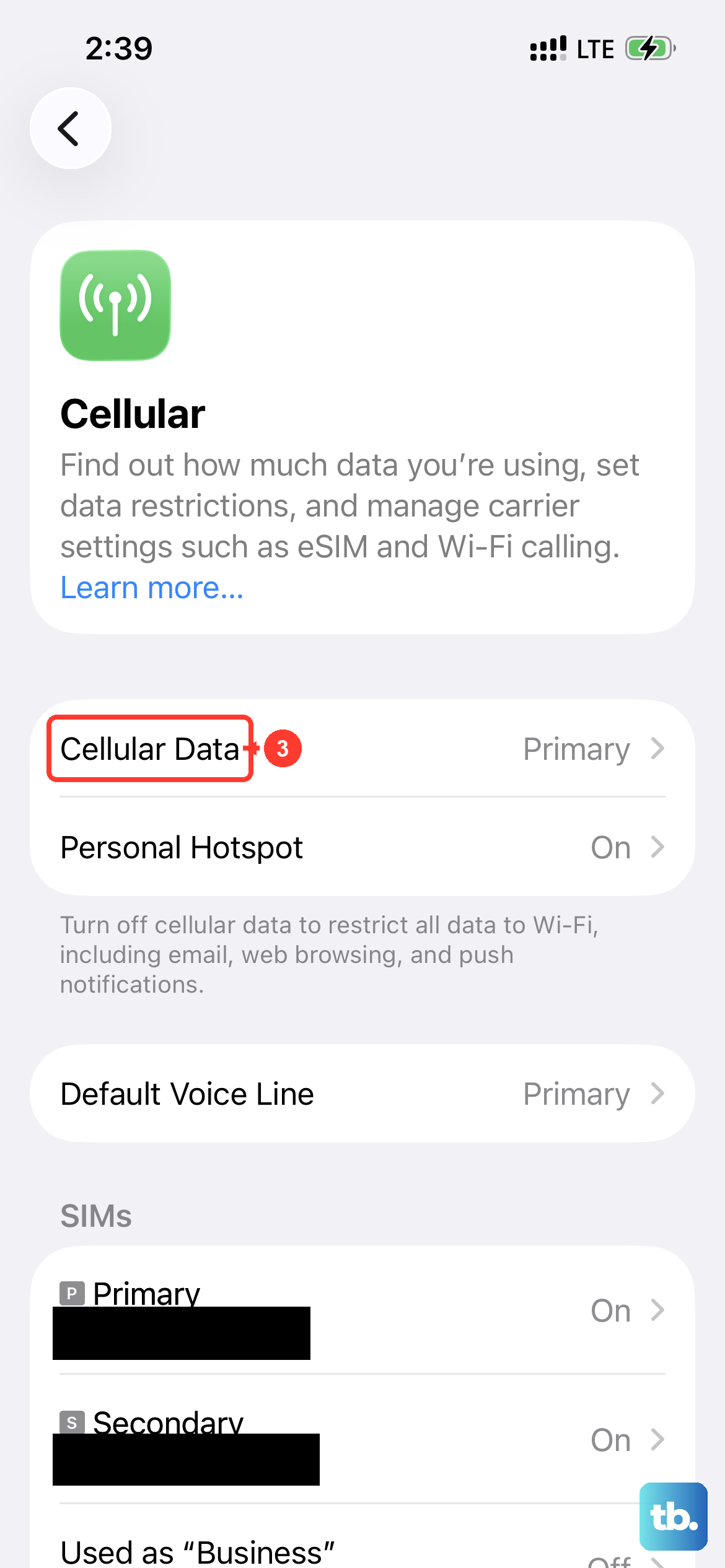
Apps that rely on a network connection, like social media or streaming services, can crash or fail to load if your connection is spotty. Try toggling Airplane Mode on and off from the Control Center. If you're on Wi-Fi, try forgetting the network and rejoining it in Settings > Wi-Fi. Switching to cellular data temporarily can also help you pinpoint if the Wi-Fi is the issue.
Reset All Settings
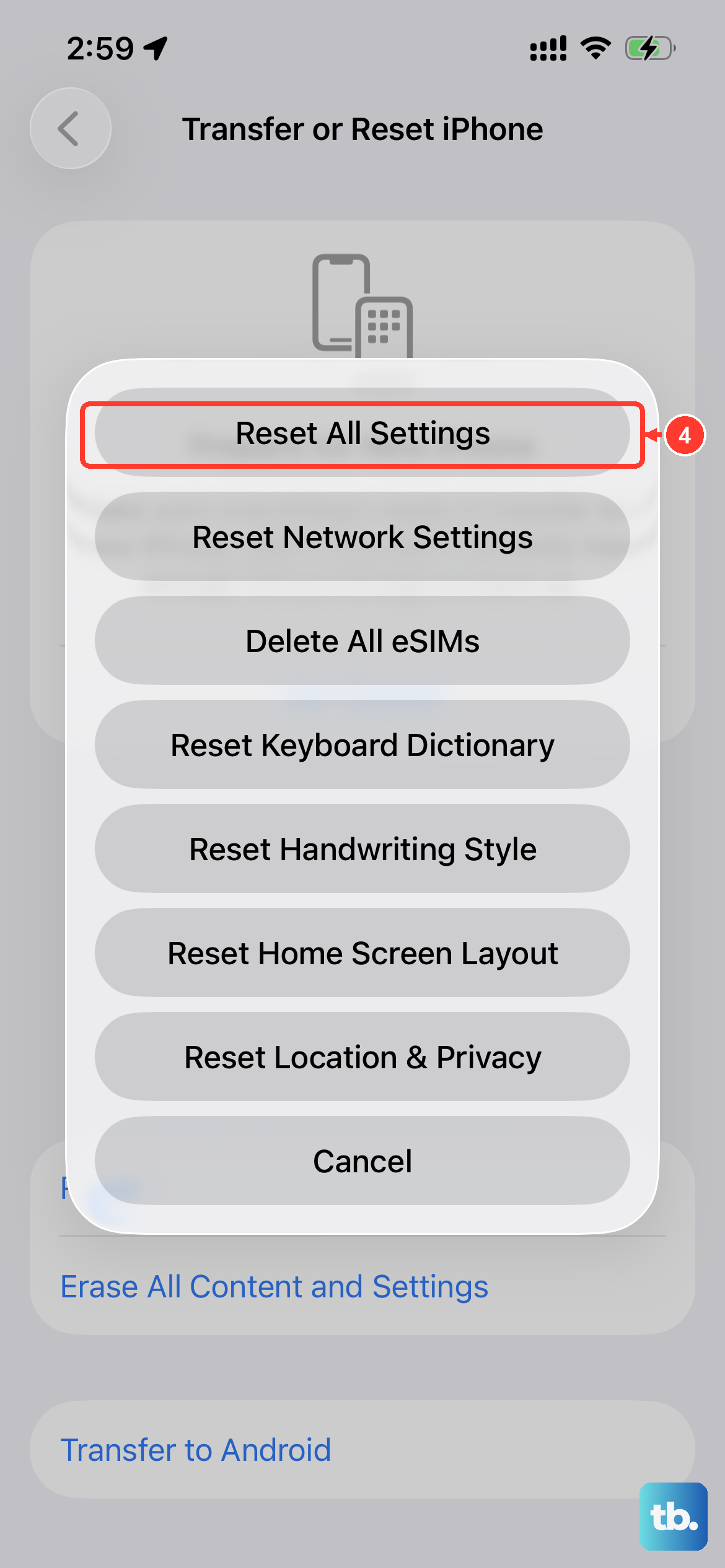
This is a stronger step that won't delete your personal data like photos or messages, but it will reset all your system preferences to their defaults. Things like your Wi-Fi passwords, wallpaper, and privacy settings will be cleared. If a misconfigured setting is causing conflicts, this can help. Go to Settings > General > Transfer or Reset iPhone, then tap "Reset" and choose "Reset All Settings." You'll need to re-enter Wi-Fi passwords and reconfigure some preferences afterward.
Delete and Reinstall the Problem App
When a single app is consistently the problem, a fresh install can work wonders. This clears out all its data and cache, giving it a brand new start. Press and hold the app icon on your Home Screen until the menu appears, then tap "Remove App." Choose "Delete App" to remove it completely. Then, open the App Store, search for the app, and download it again. You'll need to log back in and set it up.
Restore Your iPhone
If you're still facing widespread app crashes after all else, restoring your iPhone via a computer is the most thorough software fix. First, make sure you have a recent backup in iCloud or on your computer. Connect your iPhone SE 4 to a Mac or PC, open Finder (on Mac) or iTunes (on Windows), select your device, and choose "Restore iPhone." This will install a clean copy of iOS. After it's done, you can set it up as new to test, or restore from your backup to get your data back.