
When your iPhone 17 Pro Max starts restarting on its own, it's a major disruption. This can happen for a few reasons, often tied to a new app you installed or a background process in iOS that's acting up. The good news is you can usually fix it yourself without a trip to the store.
Before you start, it's a smart move to make sure your data is backed up. You can do this quickly through iCloud or by connecting to your computer. This protects your photos and messages just in case.
Force Restart Your iPhone 17 Pro Max
This is almost always the first thing to try. A force restart clears out the phone's temporary memory and can stop a minor software glitch in its tracks. For the iPhone 17 Pro Max, the process is straightforward.
Press and quickly release the Volume Up button. Then, press and quickly release the Volume Down button. Finally, press and hold the Side button. Keep holding it until you see the Apple logo appear on the screen, then you can let go.
Check for a Problematic App
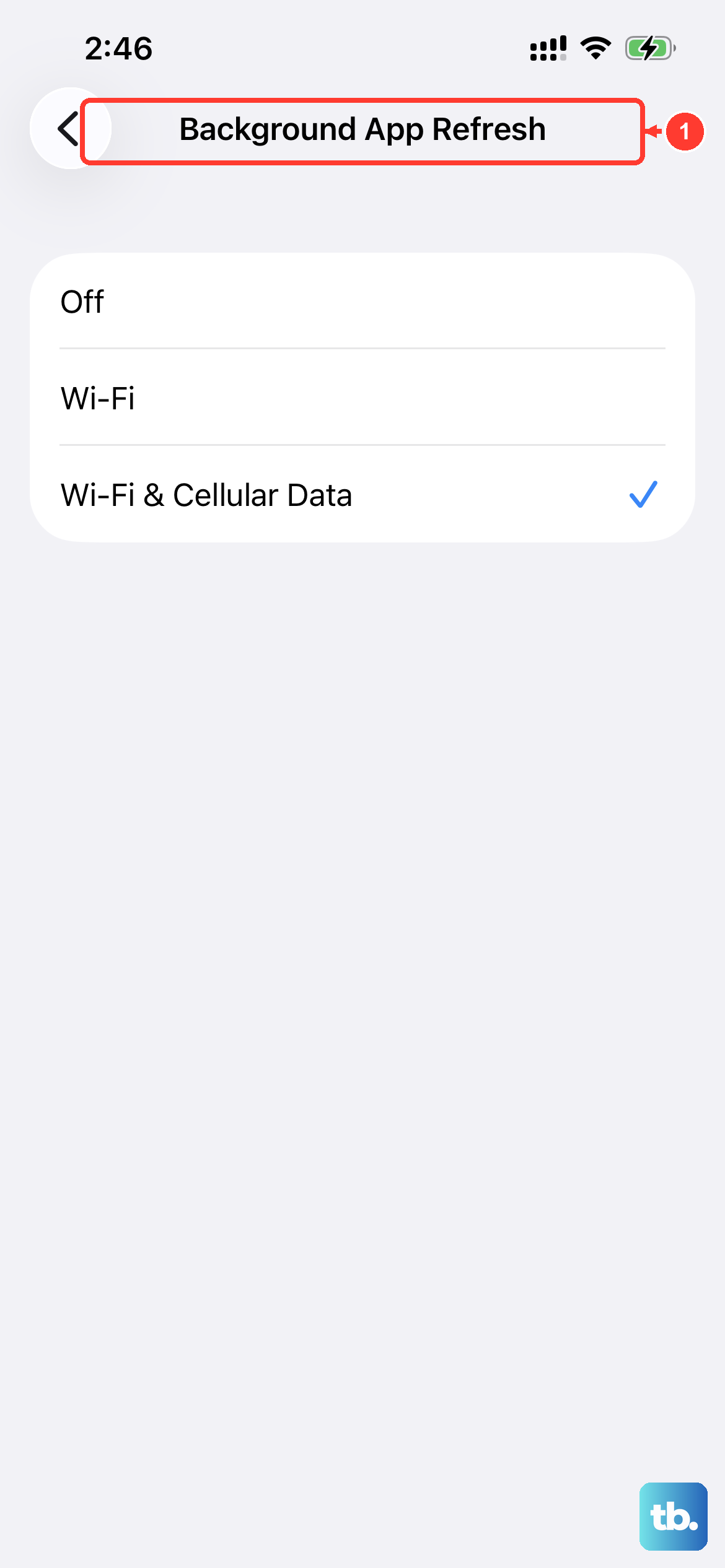
If the restarting started after you downloaded a new app, that app is the prime suspect. Start by closing all your open apps. Swipe up from the very bottom of the screen and pause in the middle, then swipe up on each app card to close it.
Next, head to Settings > General > Background App Refresh. You can turn this off completely for now, or scroll through the list and disable it for any apps you recently installed or don't fully trust.
Update Everything
Running outdated software is a common trigger for these kinds of stability issues. First, update your apps. Open the App Store, tap your profile icon at the top, then tap App Updates to see pending updates. Tap "Update All."
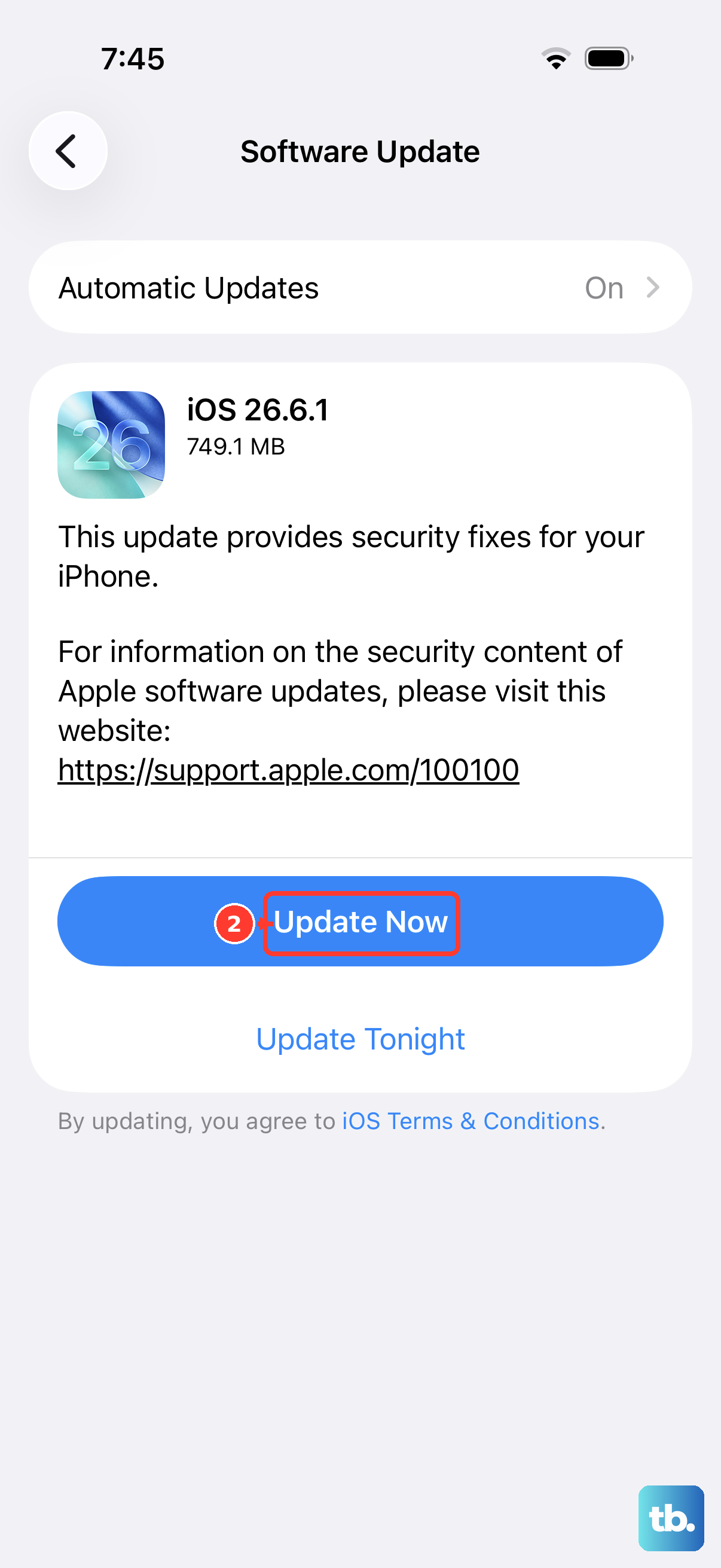
Then, check for the latest iOS update. Go to Settings > General > Software Update. If an update is available, download and install it. Your phone will restart as part of this process, which often resolves underlying bugs.
Review the Crash Logs
Your iPhone keeps a detailed log of every crash and system panic. You can check this to see if a specific app is named. Go to Settings > Privacy & Security > Analytics & Improvements > Analytics Data.
Look through the list for entries that start with "panic-full." These indicate a full system crash. Also look for logs that have an app name in the title. Finding a pattern here can tell you exactly which piece of software to delete.
Free Up Storage Space
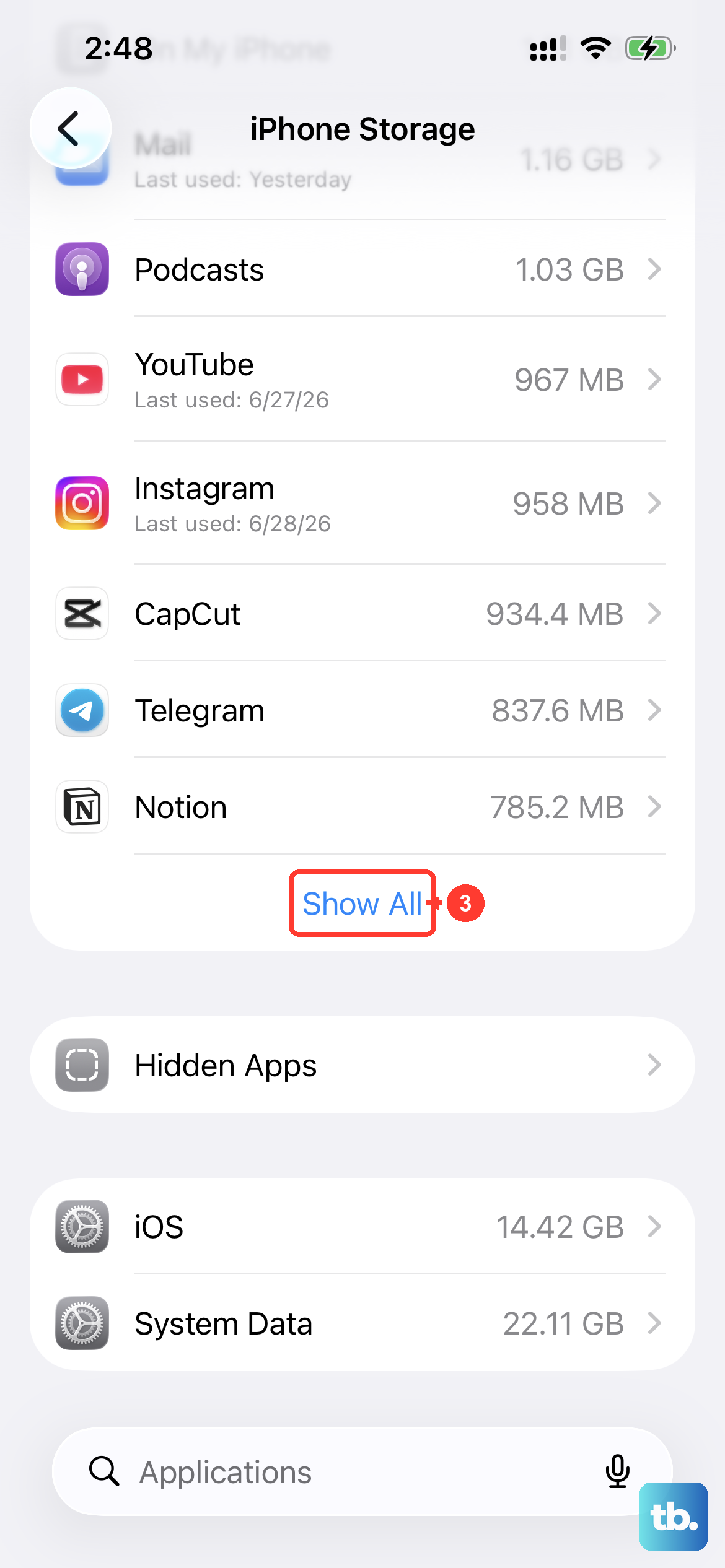
When your iPhone's storage is critically full, the system can become unstable and trigger restarts. Check your status by going to Settings > General > iPhone Storage.
The phone will show you a breakdown and may offer recommendations like reviewing large attachments or offloading unused apps. Offloading an app removes the app itself but keeps its documents and data, which is a great way to quickly free up space without losing your information.
Reset All Settings
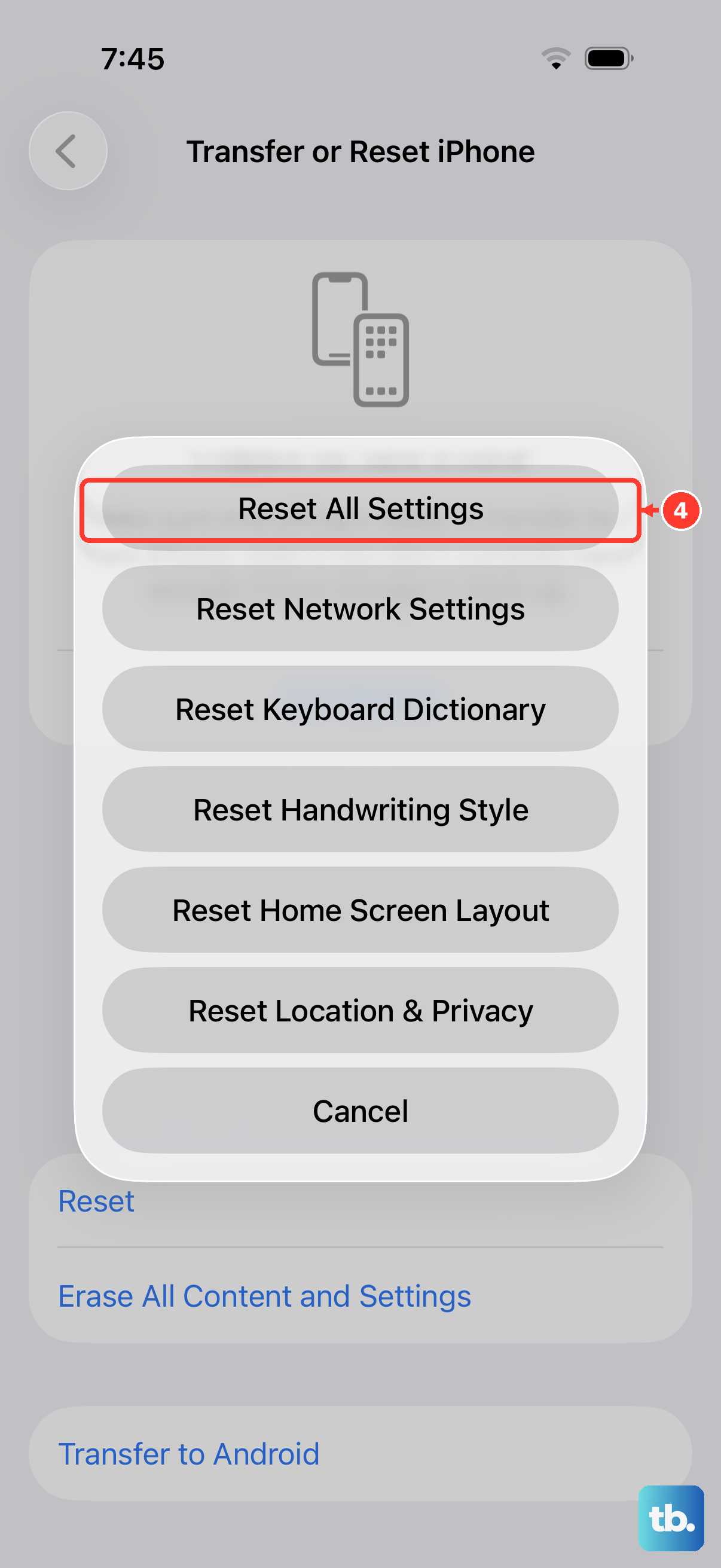
If the problem is buried in a misconfigured system setting, this will clear it. This won't delete your photos, messages, or apps, but it will reset your Wi-Fi passwords, wallpaper, and preferences back to default.
Go to Settings > General > Transfer or Reset iPhone > Reset. Then, tap "Reset All Settings." You'll need to enter your passcode to confirm. After it finishes, you'll need to reconnect to Wi-Fi networks and redo some personalizations, but it often stops erratic behavior.
Check Your Charging Setup
While it's less common, a faulty cable or power adapter is worth ruling out. The iPhone 17 Pro Max supports fast charging, up to 50% in 20 minutes with a 40W adapter or higher.
Try switching to a different USB-C cable and power adapter for a while. If the phone feels unusually warm during or after charging, let it cool down. If the battery is also draining quickly, the iPhone 17 Pro Max battery fixes can help.
Restore via Recovery Mode
If your phone is stuck in a continuous restart loop and you can't get into Settings, you'll need to use recovery mode. This lets you reinstall iOS through your computer. First, make sure you have a recent backup.
Connect your iPhone to your Mac or PC. On a Mac with macOS Catalina or later, open Finder. On a PC, open the Apple Devices app. Quickly press and release the Volume Up button, then quickly press and release the Volume Down button. Immediately press and hold the Side button.
Keep holding the Side button even after you see the Apple logo. Wait until you see the "Connect to computer" screen, then you can let go. Your computer will prompt you to either Update or Restore. Choose "Restore" to install a fresh copy of iOS. This will erase your phone, so you'll restore from your backup afterward.
Factory Reset Your iPhone
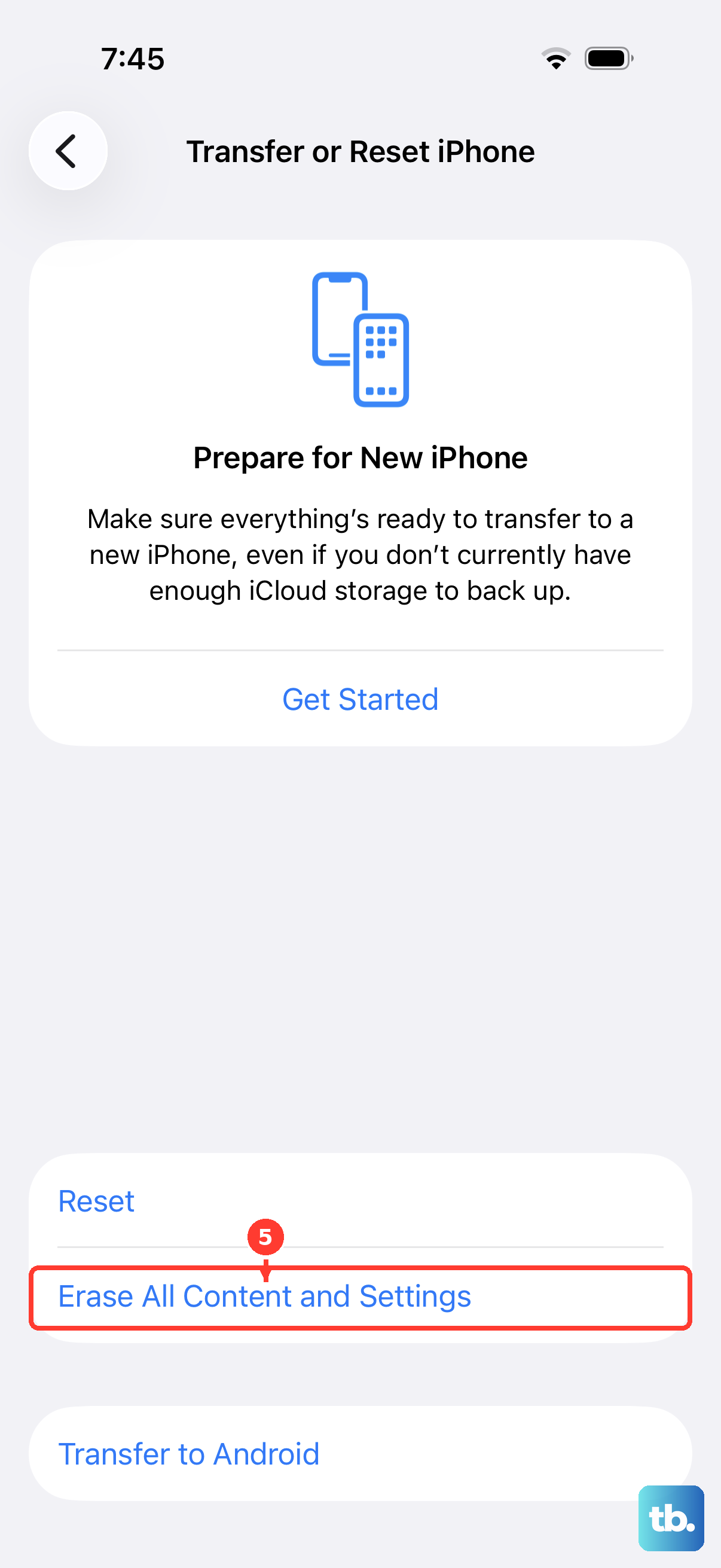
As a final software step, a full factory reset can wipe out any deep-seated corruption. This erases everything on the phone, so that backup is essential. Go to Settings > General > Transfer or Reset iPhone.
Tap "Erase All Content and Settings." Enter your passcode and Apple Account password if asked. The phone will wipe itself and restart as if it were brand new. You can then set it up as new to test, or restore from your backup to get your data back.