
Running out of space on your iPhone 16 can feel like hitting a wall, especially when iOS warns you that you can't take another photo or update an app. The good news is you can free up space by removing downloads and content you no longer need. Start with the storage breakdown, then work through the options below.
Start With the Storage Breakdown
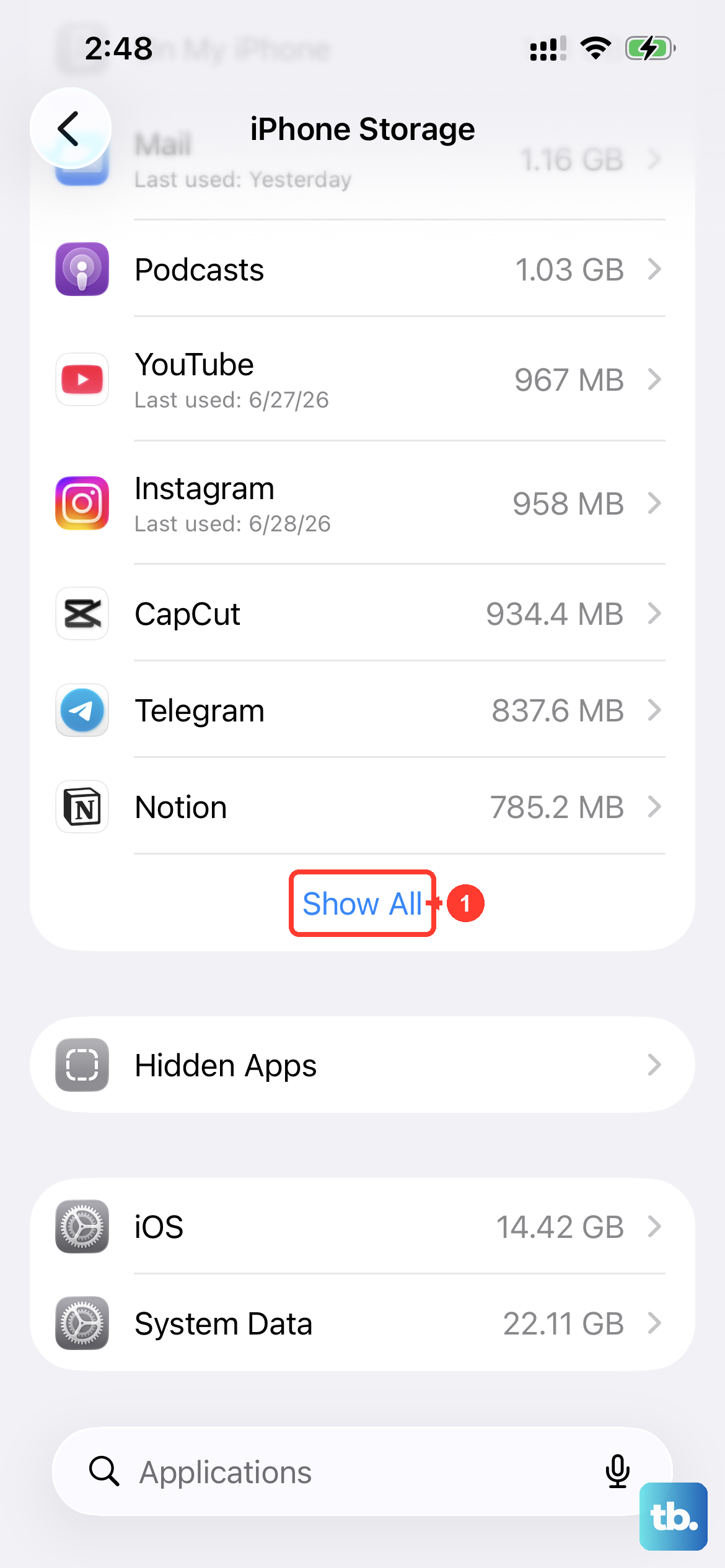
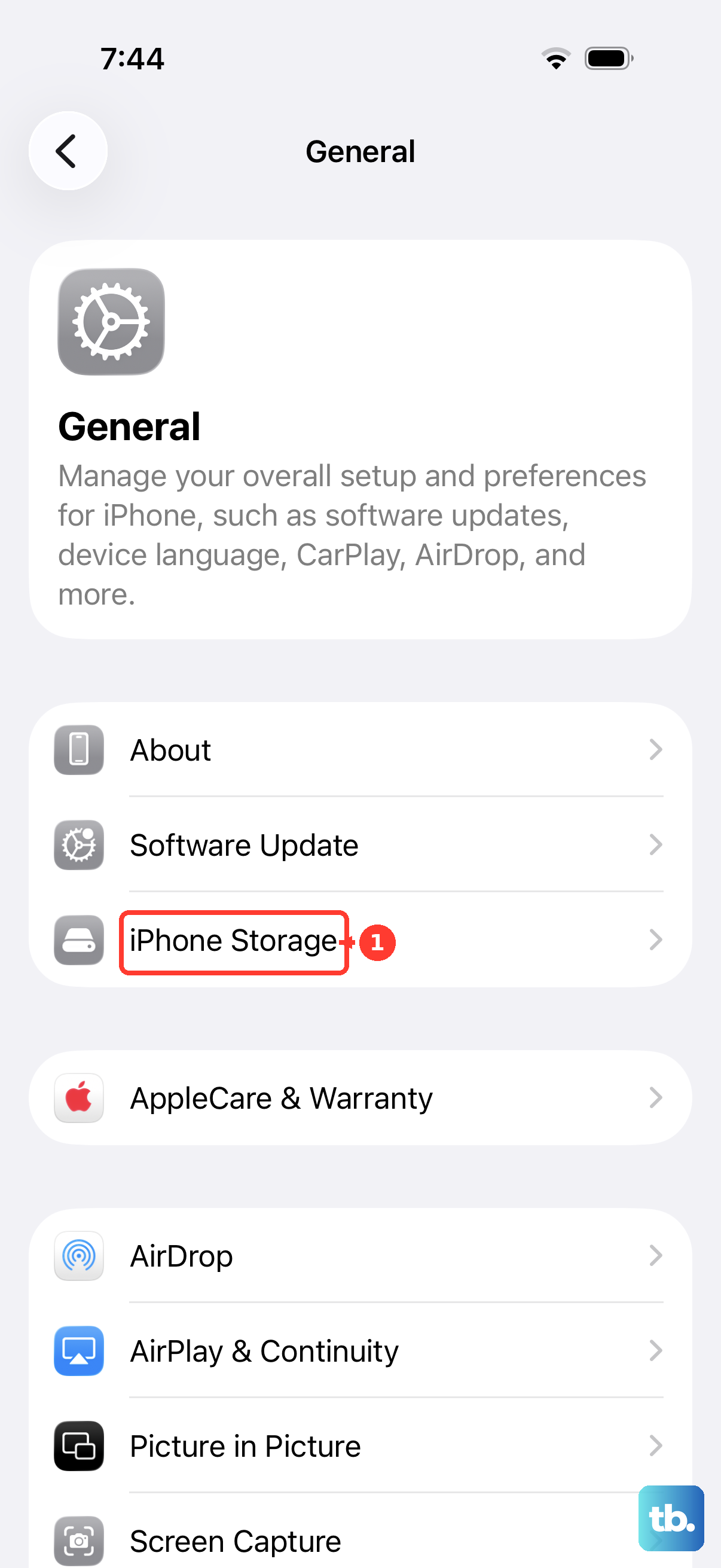
Your first stop is always Settings > General > iPhone Storage. Give it a moment to fully load and analyze your data. You'll get a color-coded bar and a list of apps sorted by how much space they're using. This instantly shows you the biggest culprits, which for most people are Photos, Messages, and streaming apps like Spotify or Netflix.
Enable Offload Unused Apps
Right at the top of that iPhone Storage screen, you'll likely see a recommendation to enable Offload Unused Apps. Turn this on. It's a fantastic feature that automatically removes apps you haven't touched in a while but keeps all their documents and data on your phone. The app icon stays on your home screen with a little cloud next to it, and tapping it downloads the app again if it's still available in the App Store, with its saved documents and data retained.
Tackle Your Messages Cache
Messages is a silent storage killer, hoarding every photo, video, and meme ever sent to you. In the iPhone Storage list, tap on Messages. You'll see a breakdown by media type, Photos, Videos, GIFs, Stickers. You can review and delete these in bulk here. For a permanent fix, set messages to auto-delete. Go to Settings > Apps > Messages > Keep Messages and select 30 Days or 1 Year.
Delete and Reinstall Large Apps
Look at apps like Instagram, TikTok, Facebook, or any game in your storage list. A large amount of "Documents & Data" can include saved content as well as cache. Tap the app in Settings > General > iPhone Storage to review your options. Deleting it removes the app and its related data, so save anything you need first. You can then reinstall it from the App Store.
Optimize Your Photo Library
![Open Settings > [your name] > iCloud > Photos > iPhone Storage and choose Optimize iPhone Storage so full-resolution photos are stored in iCloud and free up local space.](https://cdn.technobezz.com/c/stepshot/iphone-16-storage-full-fix/iphone-16-storage-full-fix-optimize-iphone-storage-technobezz.com.png)
This can help if photos and videos take up a lot of space. Go to Settings > [your name] > iCloud > Photos and turn on Sync this iPhone. Tap iPhone Storage and make sure Optimize iPhone Storage is enabled. With enough space in iCloud, this keeps full-resolution photos and videos securely in iCloud, while storing smaller versions on your iPhone 16 when needed.
You can also manually clean out your Photos app by targeting old screenshots, blurry shots, and duplicate videos. Remember to then go into the Recently Deleted album and empty it.
Clear Safari's Website Data
Safari stores a surprising amount of cached data from websites you visit. To clear it, go to Settings > Apps > Safari > Clear History and Website Data, choose a timeframe, then tap Clear History. This removes browsing history, cookies, and cached site data for the selected timeframe. To clear only cookies and cache, go to Settings > Apps > Safari > Advanced > Website Data > Remove All Website Data, then tap Remove Now.
Manage Downloaded Media
Streaming apps love to save content for offline use. Open your music, podcast, and video apps and clear out downloads you've already consumed. In Spotify, go to Your Library > Settings > Storage > Remove all downloads. In the Apple TV or Netflix app, check the Downloads section. In Apple Podcasts, look at your downloaded episodes.
Check for System Data Bloat
Go back to Settings > General > iPhone Storage and scroll all the way down to look at the System Data category, which includes caches and other system files. Your iPhone removes cached and temporary files when it needs more space. To free up space yourself, return to the storage recommendations and tap Show All. Read each recommendation, then tap Enable or review the content you can delete, such as videos and unused apps.
Review and Upgrade iCloud Storage
If you're constantly managing space, it might be time for more iCloud storage. With enough iCloud storage, iCloud Photos can keep your full-resolution photos and videos in iCloud while Optimize iPhone Storage saves space on your phone. You can check your current plan and upgrade by going to Settings > [Your Name] > iCloud. You get 5GB of iCloud storage free, and you can upgrade to iCloud+ if you need more room for your collection.