Keeping your iPhone 15 on the latest iOS is the best way to get new features, improve battery life, and patch security holes. Apple releases major updates like iOS 26 annually, with smaller bug-fix updates every few weeks. Here's how to make sure your phone stays current.
Update Over Wi-Fi
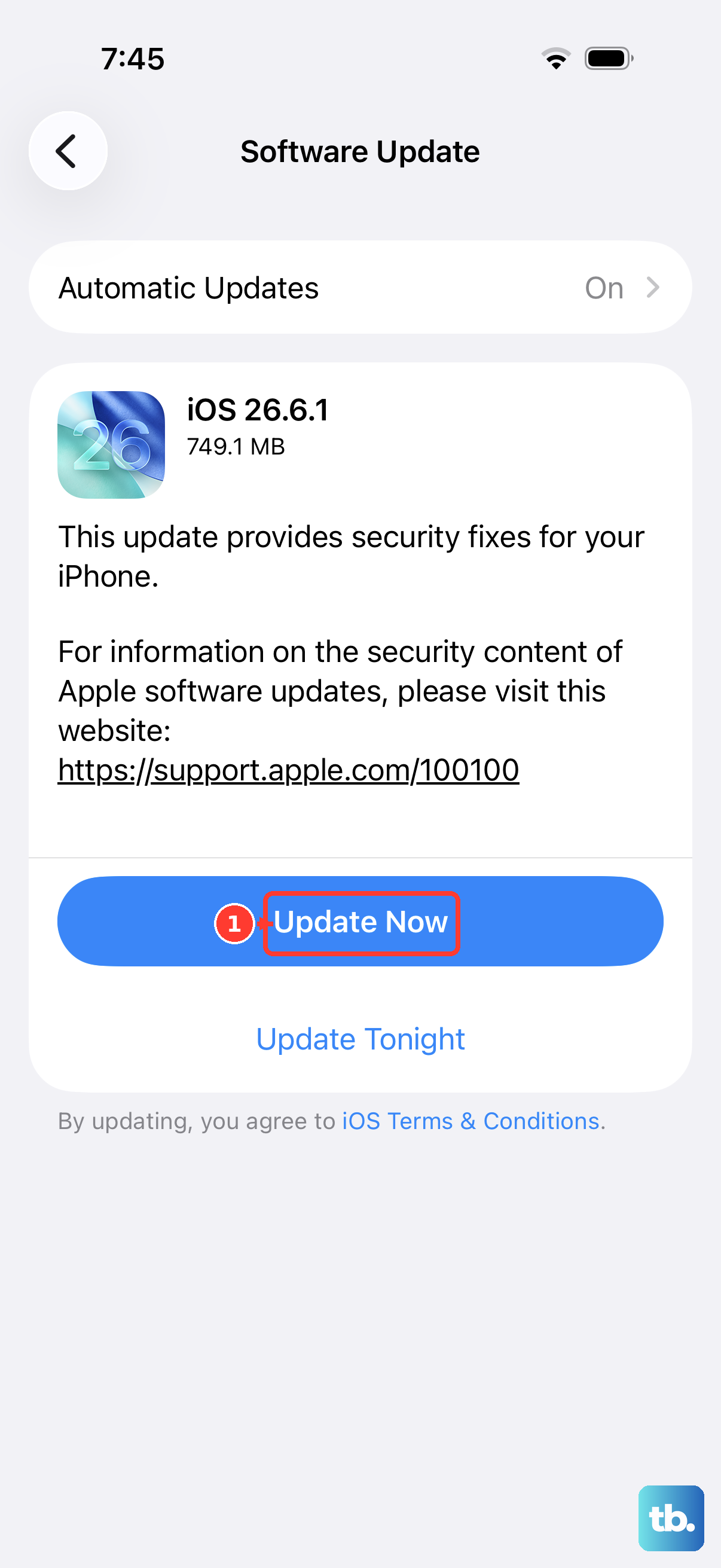
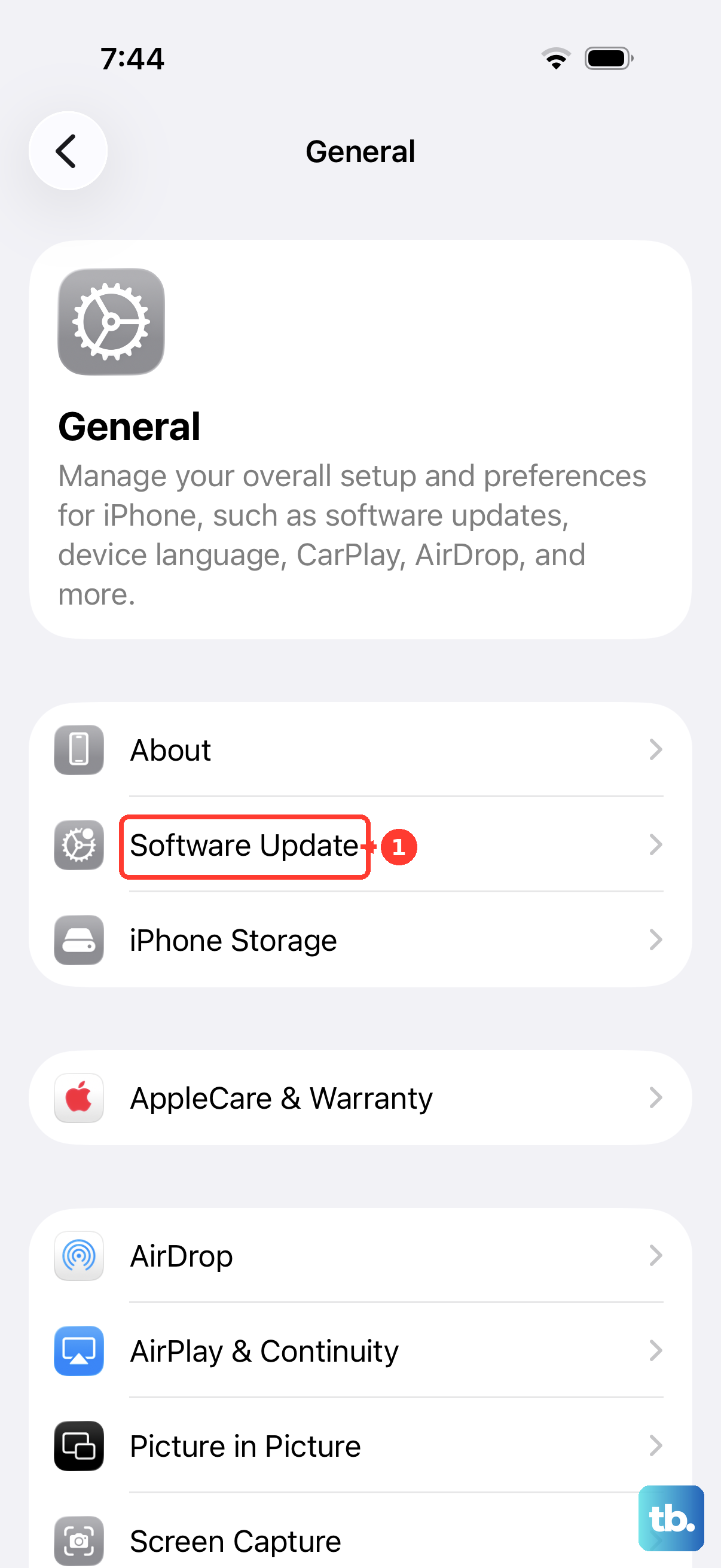
This is the simplest method. Open Settings > General > Software Update. Your iPhone 15 will check for any available updates. If one is there, you'll see the version number and a description. Tap Download and Install to begin.
Make sure your phone is plugged into power or has at least a 50% charge. It also needs to be connected to a Wi-Fi network. The download can be large, especially for a major update to iOS 26, so a stable connection is key. The phone will restart by itself during the install.
Set Up Automatic Updates
If you want your iPhone 15 to handle everything, enable automatic updates. Go to Settings > General > Software Update > Automatic Updates. Turn on both Download iOS Updates and Install iOS Updates.
With this on, your phone will download updates in the background. It will then install them overnight when it's connected to power and Wi-Fi. You'll still get a notification before it happens, so you can delay it if needed.
Update Using a Computer
If the over-the-air update fails or your phone is low on storage, use a computer. Grab your USB-C cable and connect your iPhone 15 to a Mac or PC. On a Mac with macOS Catalina or later, open Finder. On a Windows PC or older Mac, open iTunes.
Select your iPhone in the sidebar, then click Check for Update. If an update is found, click Download and Update. This method is great because the computer handles the download, bypassing any storage issues on the phone itself.
Fix a Stuck or Failed Update
If the update gets stuck on the Apple logo or a progress bar, a force restart usually fixes it. On your iPhone 15, quickly press and release the Volume Up button, then the Volume Down button. Finally, press and hold the Side button until you see the Apple logo appear.
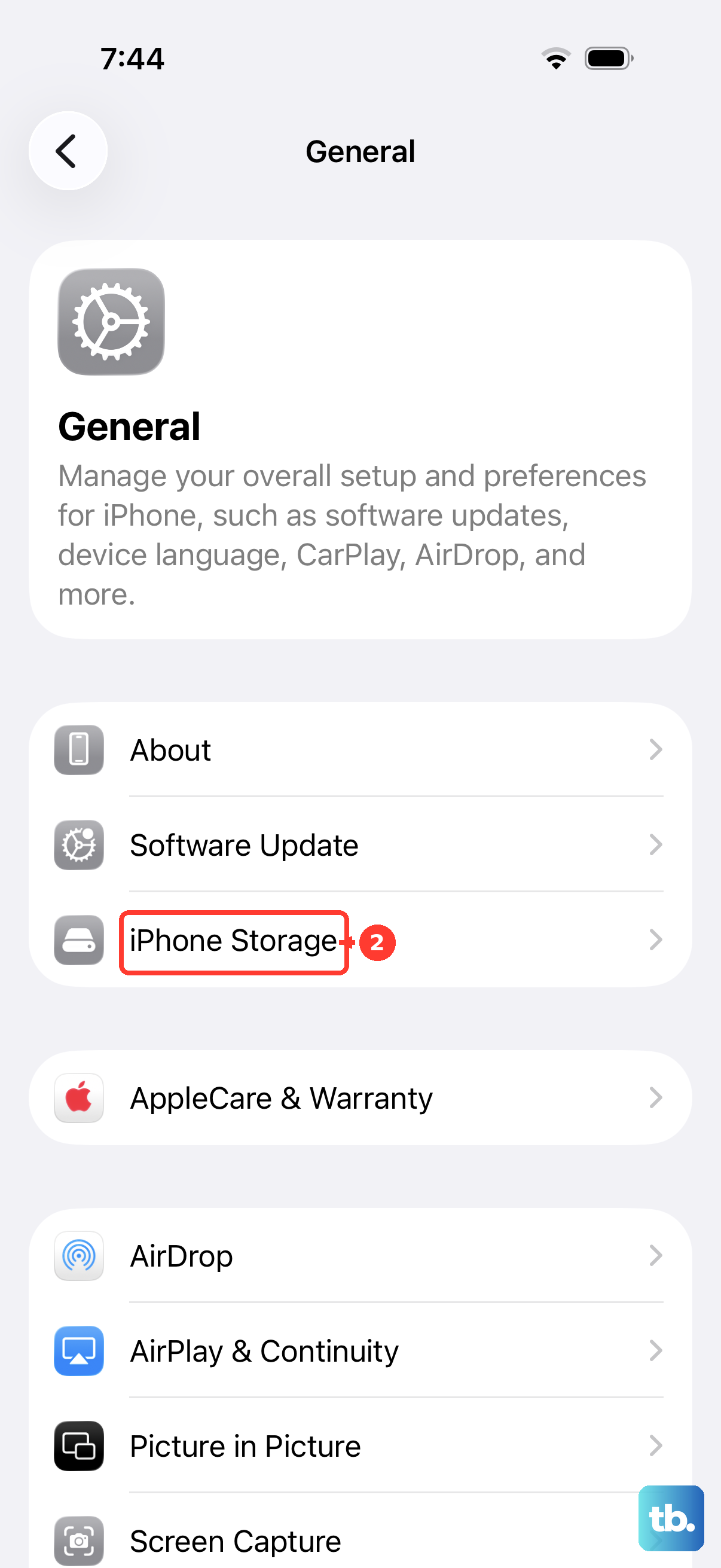
For errors like "Unable to Check for Update," first ensure you have a good internet connection. Try switching to a different Wi-Fi network. You can also go to Settings > General > iPhone Storage, find the downloaded update file, and delete it. Then, go back to Software Update and try downloading it fresh.
Check Your Current iOS Version
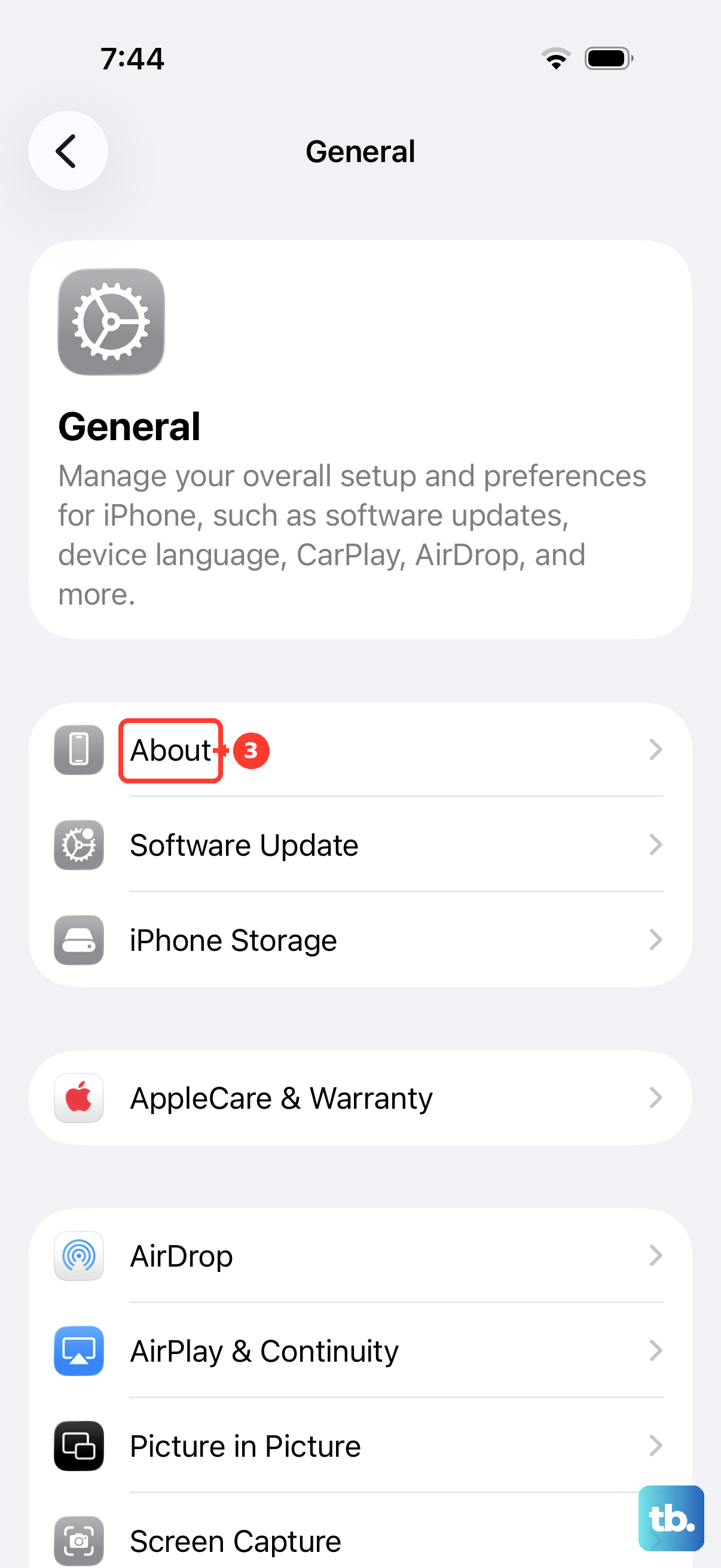
It's good to know what you're currently running. Go to Settings > General > About. Your iOS version number is listed near the top. This is helpful to confirm an update installed correctly or to see if a specific feature is available for your device.
What to Do Before You Update
Always back up your iPhone 15 before a major update. The easiest way is via iCloud. Go to Settings > [Your Name] > iCloud > iCloud Backup and tap Back Up Now. This ensures your photos, messages, and settings are safe if anything goes wrong.
Also, make sure you have enough free space on your phone for the update to download and unpack. If you're tight on space, the computer update method I mentioned earlier is your best bet.
Why Updates Are Important
Every update, especially the smaller ones, includes critical security patches. These protect your personal data from newly discovered threats. Beyond security, updates often bring battery optimizations and performance tweaks that can make your iPhone 15 feel faster and last longer.
I've found that staying current avoids a lot of minor glitches. There's almost never a reason to skip an update, unless a specific app you rely on has a known compatibility issue with the new version.