
So your Google Pixel 10 won't charge. You've plugged it in, maybe tried a different cable, and the screen stays stubbornly dark. It's a frustrating spot to be in, but I've found this is almost always something you can fix yourself without a trip to a repair shop.
Whether the USB-C port feels loose, your Qi2 charger isn't working, or the phone just won't power on at all, we'll walk through the solutions. Let's start with the quickest fix and work our way through.
Force Restart Your Pixel 10
This is my go-to first step every single time. A simple force restart clears out temporary software glitches that can interfere with the charging system. It takes about ten seconds and solves the problem more often than you'd think.
For the Google Pixel 10, press and hold the Power button and the Volume Up button at the same time. Keep holding them for about 10 seconds until you see the Google logo appear on the screen. Once it boots back up, plug it in and check for the charging indicator.
Clean the USB-C Charging Port
This is the most common culprit by far. Lint, dust, and pocket debris get compacted into that USB-C port every day. Eventually, there's so much gunk that the cable's connector can't reach the contacts inside.
Grab a flashlight and take a close look into the port. If you see a buildup of lint, you'll want to clean it out. First, turn your phone off if you can. Then, use a wooden or plastic toothpick to gently scrape the debris from the sides. Avoid metal tools, as they can scratch or damage the delicate pins. A quick blast of compressed air can help, too.
Test a Different Cable and Power Source
You need to isolate the problem. Is it the cable, the wall adapter, or the phone itself? The best way to figure this out is to swap each component one by one.
Try a different USB-C cable, preferably the official Google one or another high-quality, certified cable. Then, test with a different wall adapter. Plug it into a different outlet, or try charging from a computer's USB-C port. Also, take your phone out of its case, as some thicker or misaligned cases can prevent the cable from seating fully.
Check for Software Updates
Google releases updates for Android 16 that often include bug fixes for power management and charging. If you're running an older version, updating could resolve the issue.
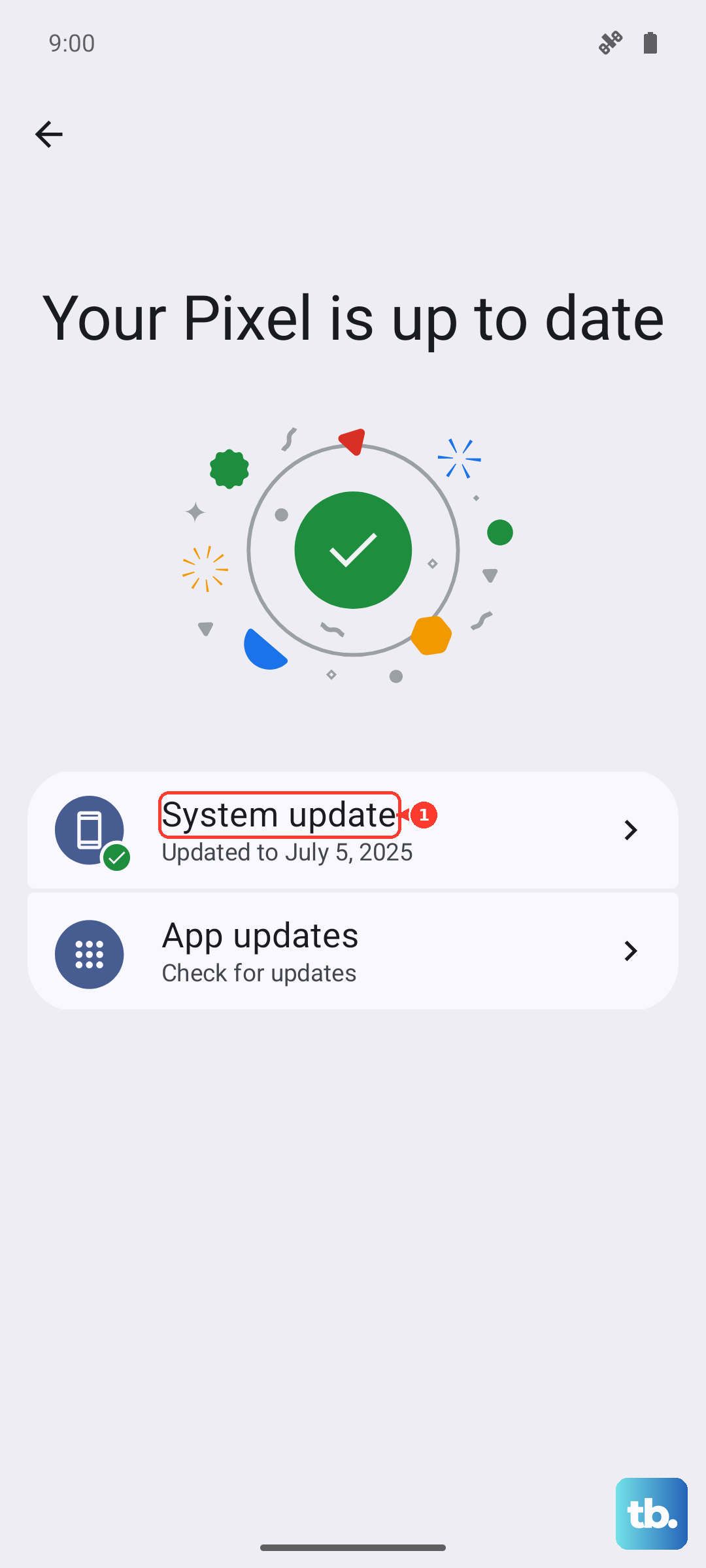
Go to Settings > System > System update to check for and install any available updates. If your phone won't turn on at all, you can try updating via a computer using the Android Flash Tool, but that's a more involved process.
Try Wireless Charging
If you have a Qi2 wireless charger, give that a shot. This is a great way to diagnose whether the problem is with your phone's USB-C port or something else. The Pixel 10 supports up to 15W wireless charging with a compatible Qi2 charger.
Make sure the charger is plugged into a powerful enough adapter (at least a 30W one for best results) and that your phone is centered correctly on the pad. Remove any thick cases, especially those with metal rings or plates. If wireless charging works but the cable doesn't, your USB-C port likely needs attention.
Wait for a Deeply Drained Battery
If your Pixel 10's battery is completely exhausted, it might not show any sign of life immediately when you plug it in. This is normal behavior. Leave it connected to a wall charger (not a computer) for at least 30 minutes.
After that waiting period, try the force restart method again while it's still plugged in. You should eventually see a battery icon or the charging indicator appear on the screen.
Inspect Your Charging Settings
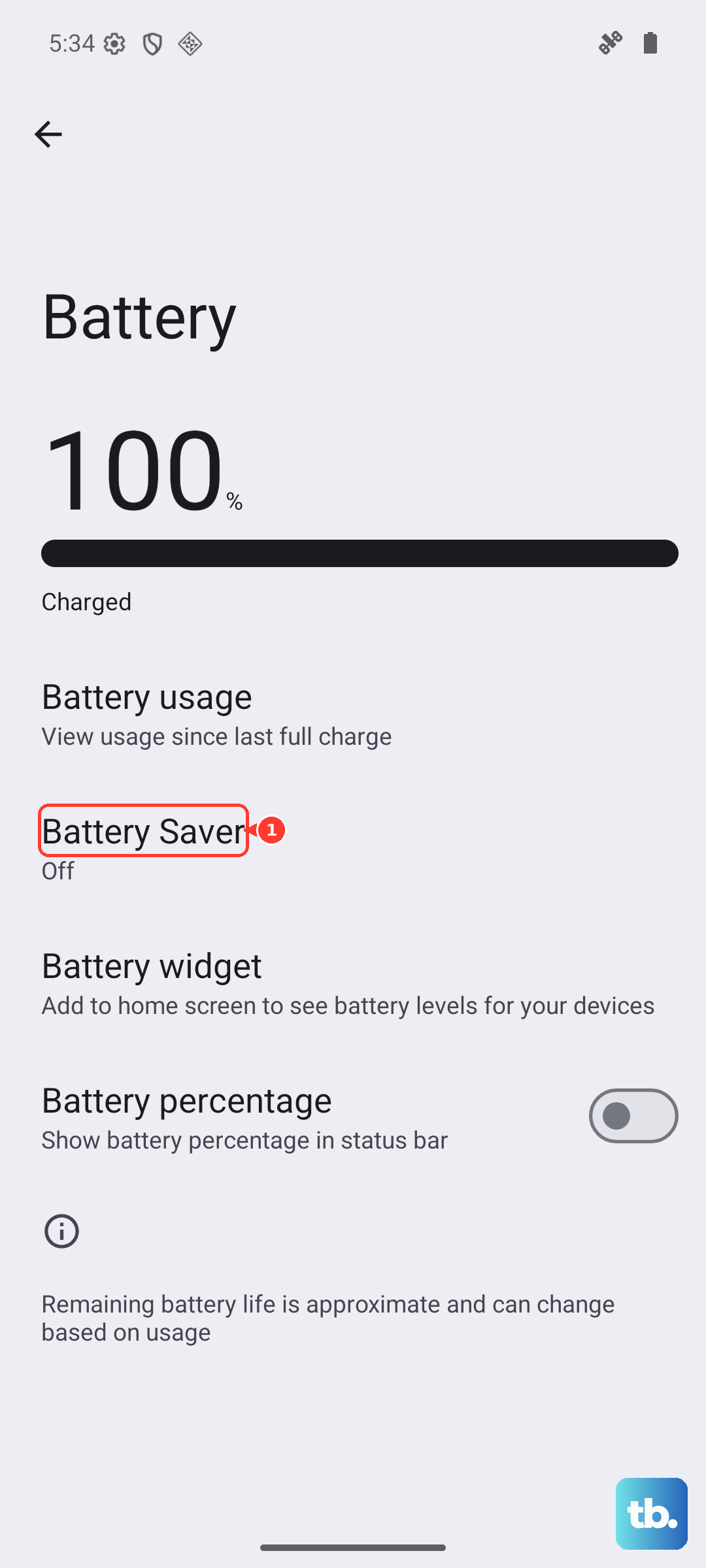
Android has built-in features to protect your battery long-term, which can sometimes be mistaken for a charging problem. Go to Settings > Battery.
Look for any settings like "Adaptive charging" or "Battery saver." Adaptive charging learns your routine and may slow charging overnight to preserve health. Also, if you have Battery Saver turned on, it can limit certain background functions, though it shouldn't stop charging entirely.
Charge with the Phone Powered Off
A background app or process might be causing a conflict. Try turning your Pixel 10 completely off, then plug in the charger. If it begins charging normally, you know the issue is software-related.
Charging while the device is off is also the absolute fastest way to get power back into the battery, since no system resources are being used.
Consider a Factory Reset (Last Resort)
If you've tried everything else and your Pixel 10 still refuses to charge correctly, a factory reset can eliminate deep-seated software corruption. This will erase all data on your phone, so ensure you have a recent backup.
You can initiate a reset through the settings menu if your phone is operational. If it won't turn on, you may need to boot into Recovery Mode. This typically involves holding specific button combinations as the phone starts up, but the exact method can vary.