
Getting a "Call Failed" message on your Samsung Galaxy Z Flip 6 can stop you in your tracks, especially when you're trying to connect. This usually means your phone is having trouble communicating with your carrier's network. It's often a quick software hiccup or a temporary signal problem that you can fix yourself.
Let's start with the fastest solution, which often clears up the issue in seconds.
Toggle Airplane Mode
The quickest way to reset your cellular connection is to use Airplane Mode. This forces your phone to disconnect from the network and reconnect fresh, which can clear out any temporary glitches.
Swipe down from the top of your screen to open the Quick Settings panel. Tap the Airplane Mode icon to turn it on, wait about 10 seconds, and then tap it again to turn it off. You should see the signal bars disappear and then return.
Check Your Signal Strength
Weak signal is the most common culprit for failed calls. Look at the signal bars in the top-right corner of your cover screen or main display. If you only have one or two bars, try moving to a different location.
Sometimes, just stepping near a window or going outside can make a big difference. If you're indoors in a large building, the signal can struggle to reach you.
Restart Your Galaxy Z Flip 6
A simple restart can solve a surprising number of software-related issues. To restart your phone, press and hold the Volume Down button and the Side button (also called the Power button) at the same time.
Keep holding them for about 10 seconds until you see the Samsung logo appear on the screen. This is a force restart, and it's perfectly safe. It will clear the phone's memory and reload the operating system.
Check Do Not Disturb and Focus Modes
Your phone's Do Not Disturb or other Focus modes might be interfering. These features can sometimes be set to block all calls, or only allow calls from certain contacts.
Swipe down from the top to check your Quick Settings. If you see a moon icon or a specific Focus mode is active, tap it to turn it off. You can also go into Settings > Notifications > Do Not Disturb to review your rules.
Update the Date and Time Settings
Believe it or not, an incorrect date and time can cause network authentication problems. Your carrier's network relies on accurate timekeeping to connect your phone properly.
Open Settings > General management > Date and time. Make sure the "Automatic date and time" option is switched on. This lets your phone set the time based on your network signal.
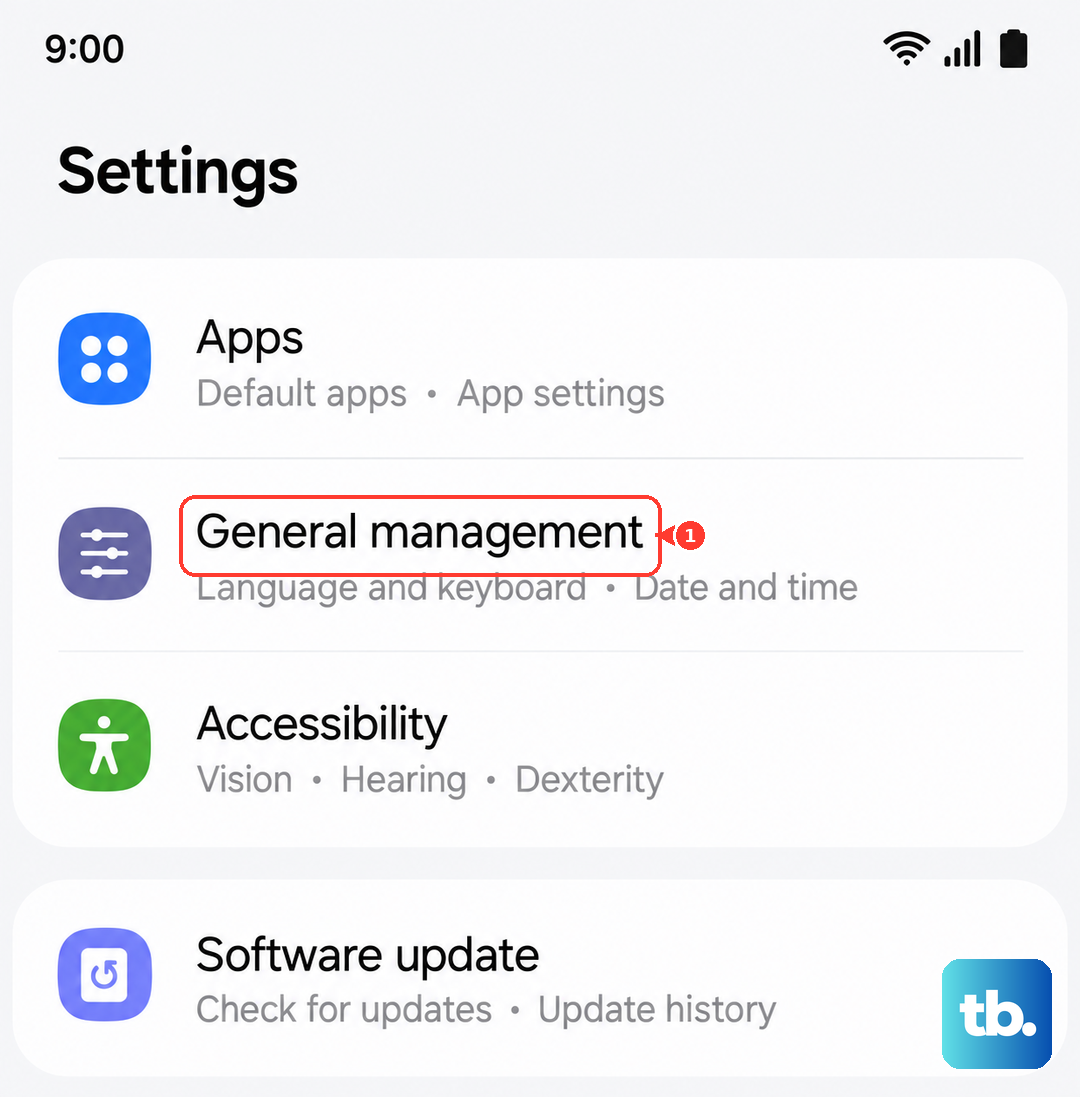
Review Your Blocked Numbers List
It's worth a quick check to make sure you haven't accidentally blocked the number you're trying to reach. Samsung's Phone app has a built-in list for this.
Open your Phone app, tap the three-dot menu in the top-right corner, and go to Settings > Block numbers. Look through the list and remove any numbers that shouldn't be there by tapping the minus (-) icon next to them.
Verify Mobile Data and Network Mode
Ensure your mobile data is turned on. While calls use a separate voice network, some carriers use technologies like VoLTE (Voice over LTE) that are tied to your data settings.
Go to Settings > Connections > Mobile networks. Make sure "Mobile data" is enabled. You can also tap "Network mode" here. If you're having persistent issues, try switching from "5G/LTE/3G/2G (auto connect)" to just "LTE/3G/2G (auto connect)" to see if the older network type is more stable in your area.
Check for a Carrier Settings Update
Carriers occasionally push small configuration updates to improve network performance and calling reliability. These updates happen automatically most of the time, but it doesn't hurt to check.
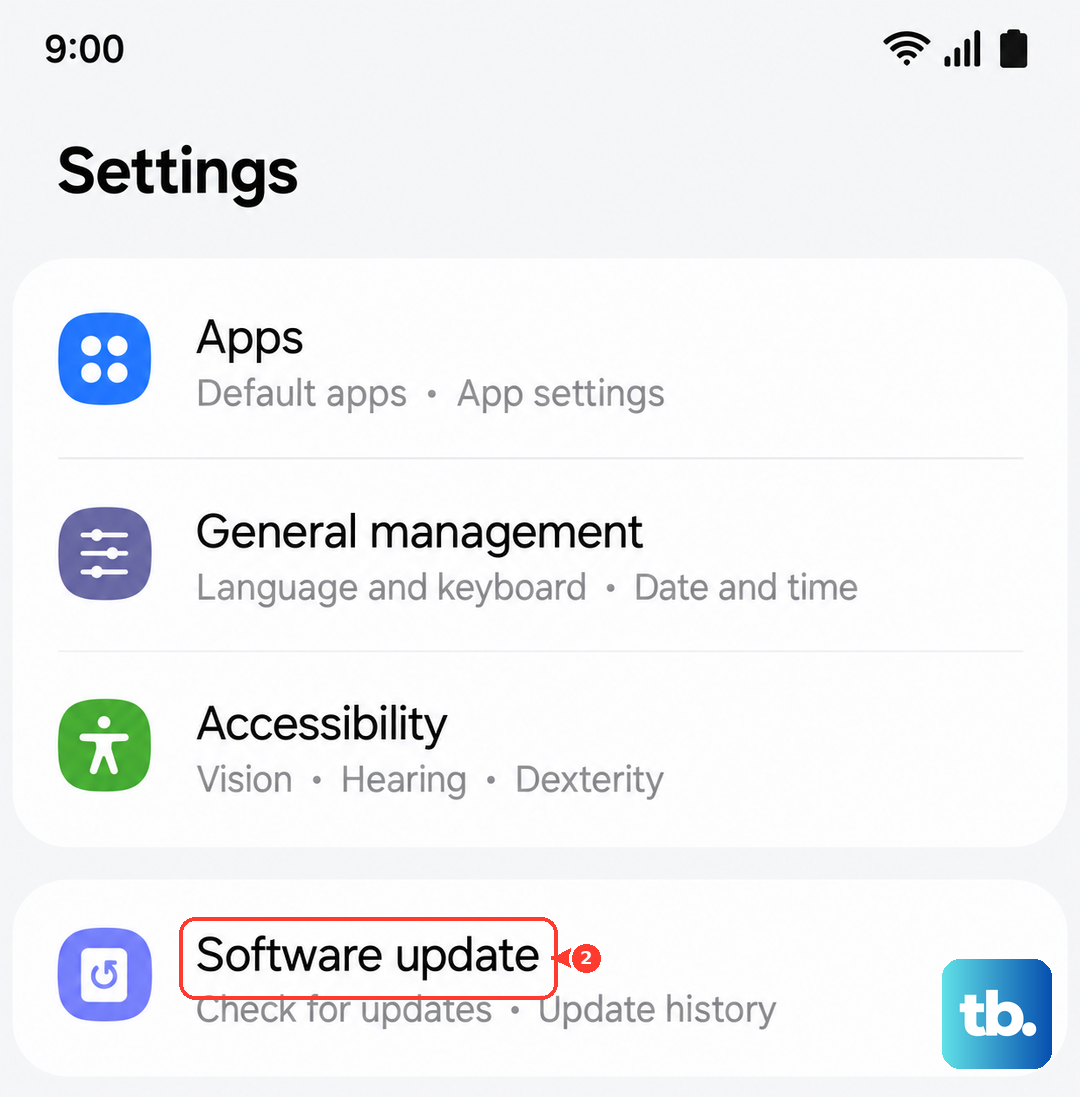
You'll usually be notified if one is available. You can also try connecting to a Wi-Fi network and then going to Settings > Software update and tapping "Download and install" to check for any updates, as carrier updates are sometimes bundled with these.
Inspect Your SIM Card
A loose, dirty, or faulty SIM card is a common physical cause. The SIM tray on the Z Flip 6 is located on the bottom frame. Use the ejector tool that came with your phone (or a small paperclip) to gently pop the tray out.
Carefully remove the SIM card, blow any dust out of the tray, and re-insert the SIM, making sure it's seated correctly. If you have access to another phone, you can test your SIM card in it to see if the problem follows the card.
Update Your Phone's Software
Software updates from Samsung frequently include bug fixes for connectivity and calling issues. Keeping your Z Flip 6 updated is one of the best ways to prevent problems.
Go to Settings > Software update > Download and install. Make sure you're connected to Wi-Fi and have your phone plugged into its 25W charger, or at least have a good amount of battery, before starting the update.
Reset Your Network Settings
This is a more thorough step that will reset all your network-related configurations back to default. It will erase saved Wi-Fi networks, Bluetooth pairings, and mobile network settings, but it won't touch your personal data like photos or messages.
To do this, go to Settings > General management > Reset > Reset network settings. Tap "Reset settings" and enter your PIN or password if prompted. Your phone will reboot, and you'll need to reconnect to Wi-Fi and re-pair Bluetooth devices.
Contact Your Mobile Carrier
If you've tried everything here and calls are still failing, the issue is likely on your carrier's end. There could be a temporary network outage in your area, a problem with your account, or your SIM card may need to be replaced.
Call your carrier's customer service from another phone, if possible. They can check for outages, reprovision your line on their network, and send you a new SIM card if needed. I've seen this resolve issues when nothing on the phone itself seems to work.