Seeing a "SIM Card Not Provisioned" message on your Samsung Galaxy Tab S10+ can stop you in your tracks, especially when you need mobile data on the go. This error means your tablet can't properly connect your SIM to your carrier's network services.
It's a common hiccup that usually has a straightforward fix. I'd start by checking the basics, as a simple restart or network refresh often clears it right up.
Restart Your Galaxy Tab S10+
Begin with a standard restart. Press and hold the Power button, then tap "Restart" on the screen. This clears temporary software glitches that might be blocking the network connection.
If the tablet is unresponsive, you can perform a force restart. Press and hold the Volume Down button and the Power button together for about 10 seconds until you see the Samsung logo appear.
Toggle Airplane Mode
Switching Airplane mode on and off forces your tablet to drop and re-establish all network connections. Swipe down twice from the top of your screen to open the full Quick Settings panel.
Tap the Airplane mode icon to turn it on, wait for about 30 seconds, then tap it again to turn it off. Watch for the cellular signal icon to reappear in the status bar.
Check SIM Card Activation and Account Status
If this is a brand new SIM card or a new line of service, it might not be activated yet. The most common reason for this error is simply an inactive SIM.
For prepaid plans, your service might be suspended due to an insufficient balance. Log into your carrier's app or website to check your account status and top up if needed.
Reinsert the SIM Card
The SIM tray on the Galaxy Tab S10+ can be tricky. If the card isn't seated perfectly, it won't make a proper connection. Power off your tablet completely first.
Locate the SIM tray on the frame and use the ejector tool (or a straightened paperclip) to pop it open. Carefully remove the SIM, check for any visible dust or damage on the gold contacts, and firmly reinsert it. Push the tray back in until it clicks.
Manually Select Your Network Operator
Sometimes the automatic network selection gets confused. You can manually tell your tablet which carrier to use. Open the Settings app and go to Connections > Mobile networks.
Tap on "Network operators." Your tablet will search for available networks. Once the list populates, select your specific carrier from the options presented. Don't worry if it takes a minute to register.
Update Your Tablet's Software
Outdated system software can have bugs that affect cellular connectivity. Samsung regularly releases updates that fix these kinds of issues. Go to Settings > Software update.
Tap "Download and install." If an update is available, let it complete. Your tablet will restart, and it's a good idea to check your SIM status again afterward.
Update Carrier Services
This is a specific Android app that manages communication between your device and your carrier's network. An outdated version can cause provisioning errors. Open the Google Play Store and tap your profile icon in the top right.
Go to "Manage apps and device," then look under "Updates available." If you see "Carrier Services" in the list, tap "Update" next to it.
Reset Your Network Settings
This will wipe all saved Wi-Fi networks, Bluetooth pairings, and cellular network preferences back to default. It often resolves persistent connection issues. Head to Settings > General management > Reset.
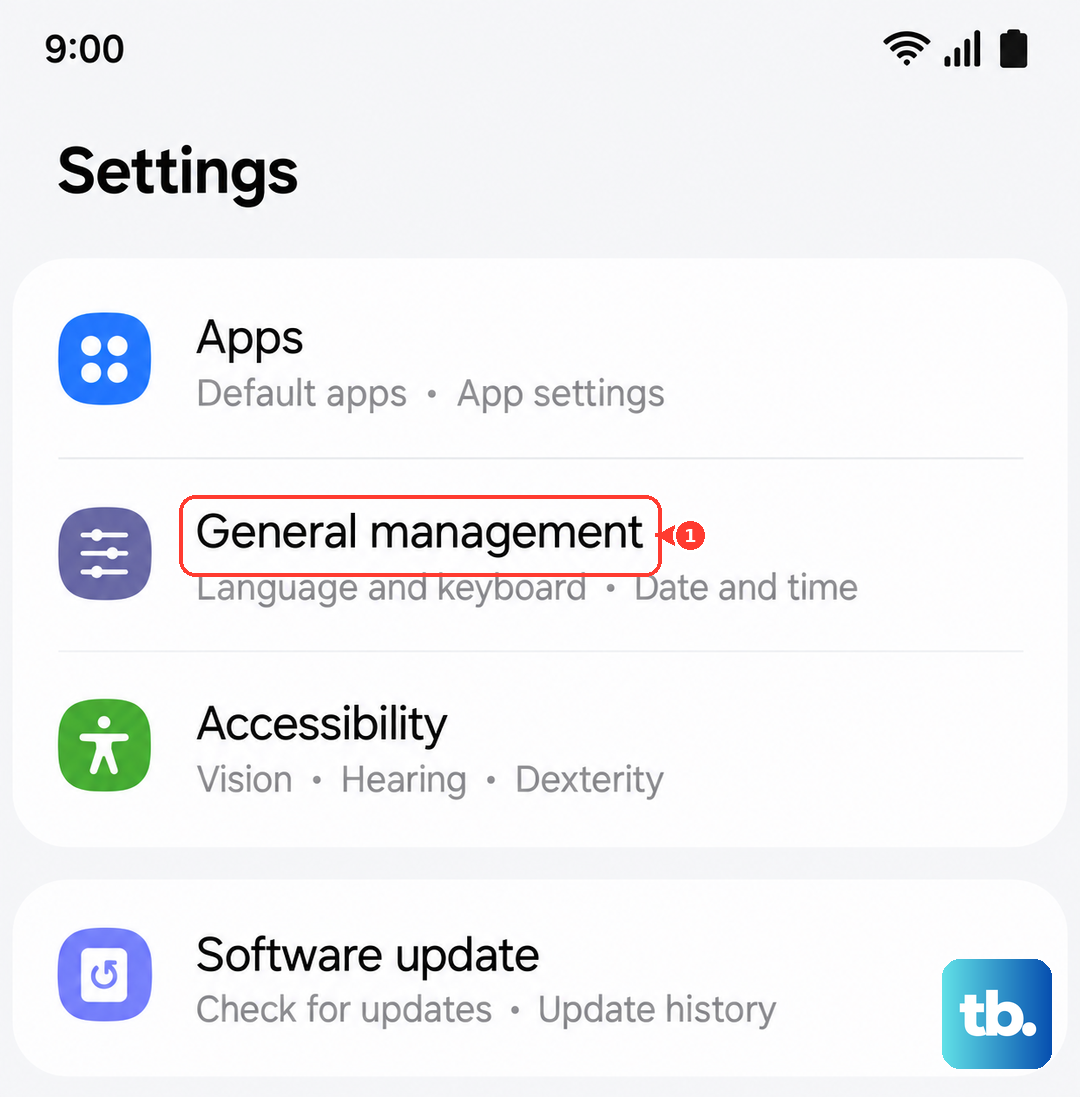
Select "Reset network settings." You'll need to confirm your PIN or password, then tap "Reset settings" again. After the tablet reboots, you'll need to reconnect to Wi-Fi and re-pair Bluetooth devices.
Try the SIM Card in Another Device
This test tells you where the problem actually lies. If you have another phone or tablet that uses the same size SIM (likely a nano-SIM), power that device off and insert your Tab S10+'s SIM card.
Turn the other device on. If it also shows "Not Provisioned" or gets no service, the issue is definitely with the SIM or your carrier account. If it works perfectly, the problem is isolated to your tablet.
Contact Your Mobile Carrier
If you've tried everything else, it's time to call in the experts. Your carrier's support team can check things on their end that you can't. They can verify your SIM's activation status, check for network outages in your area, and reprovision your line on their network.
They can also determine if your SIM card is faulty and arrange to send you a replacement. Have your account information ready when you call or start a live chat for faster service.