
Seeing a "No SIM" or "SIM card not detected" message on your Galaxy Tab S10+ can stop you from getting online when you need it most. This usually happens because of a minor software hiccup or a simple physical issue with the card itself.
Restart Your Tablet
I'd start with this one. A quick restart clears out temporary glitches that can confuse the SIM card reader. Press and hold the Volume Down and Power buttons together for about 10 seconds until you see the Samsung logo appear. This force restart is often more effective than a standard shutdown.
Check the SIM Card Tray
Power the tablet off completely. Use the SIM ejector tool that came in the box to pop out the tray. Take a close look at the SIM card's gold contacts for any scratches, dirt, or corrosion. Gently wipe them with a clean, dry microfiber cloth. While you're at it, make sure the card is seated correctly in the tray and that the tray itself isn't bent or damaged when you slide it back in.
It's a good idea to test that SIM card in another device, like a phone, if you can. If it doesn't work there either, the card itself is likely the problem and you'll need to contact your carrier for a replacement.
Toggle Airplane Mode
Swipe down twice from the top of your screen to open the full Quick Settings panel. Tap the Airplane mode icon to turn it on, wait about 10 seconds, and then tap it again to turn it off. This forces your tablet's modem to re-establish a fresh connection with the network, which can kick a stuck SIM back into action.
Verify the SIM is Enabled in Settings
Sometimes the software just needs a nudge. Open your Settings app and go to Connections. Tap on SIM card manager. Here, make sure the switch next to your SIM card is toggled on. If you see an option for "Network mode," set it to "Automatic" to let the tablet choose the best available signal.
Update Your Software
Outdated system software can have bugs that affect connectivity. Go to Settings > Software update and tap Download and install. If an update is available, let it complete and then restart your tablet. Samsung frequently releases patches that fix these kinds of issues.
Reset Your Network Settings
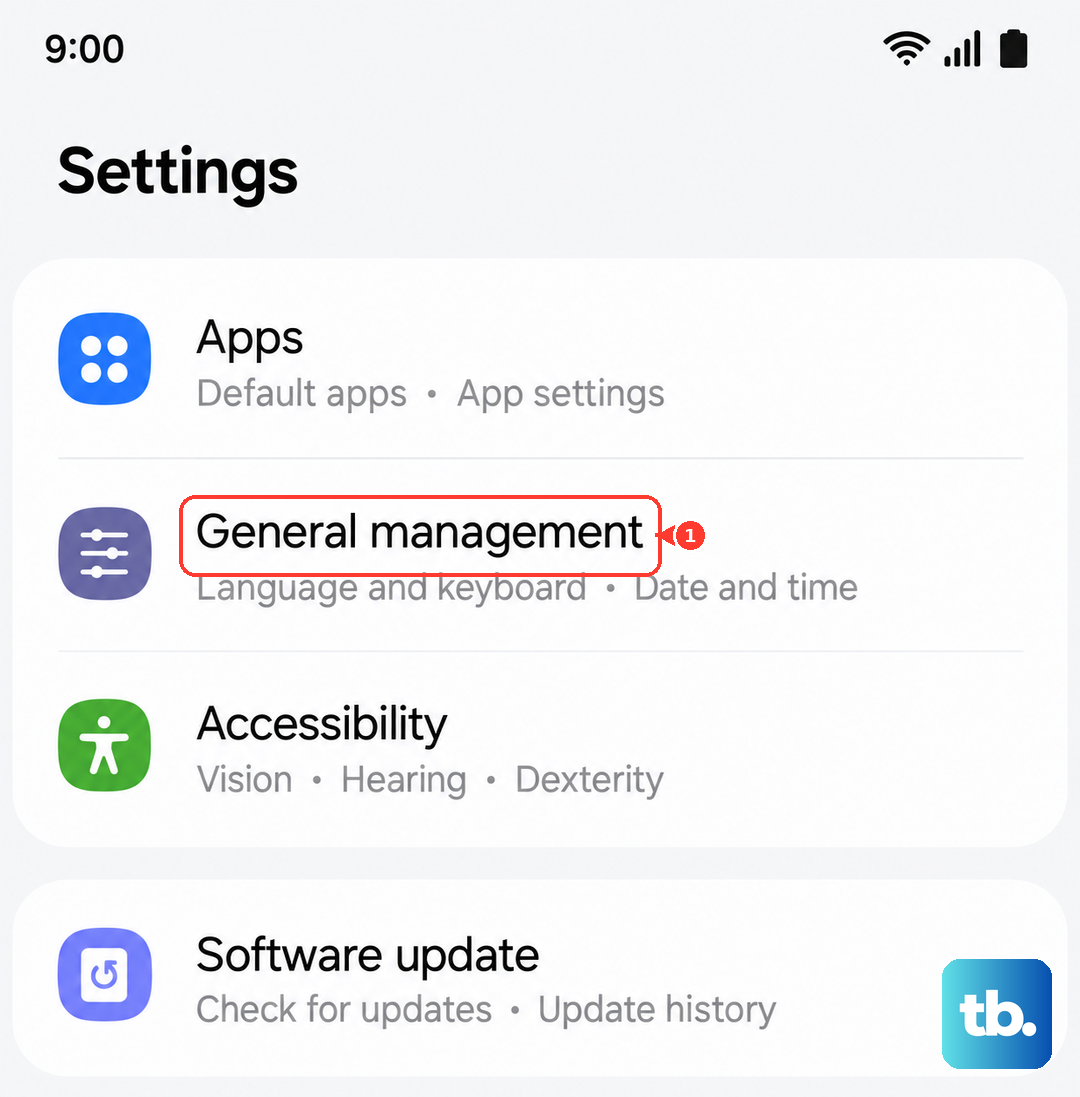
This clears out any corrupted network configurations without touching your personal files or apps. Go to Settings > General management > Reset. Select Reset network settings and confirm. You'll need to re-enter Wi-Fi passwords and re-pair Bluetooth devices afterward, but it often resolves persistent SIM problems.
Clear the SIM Toolkit Cache
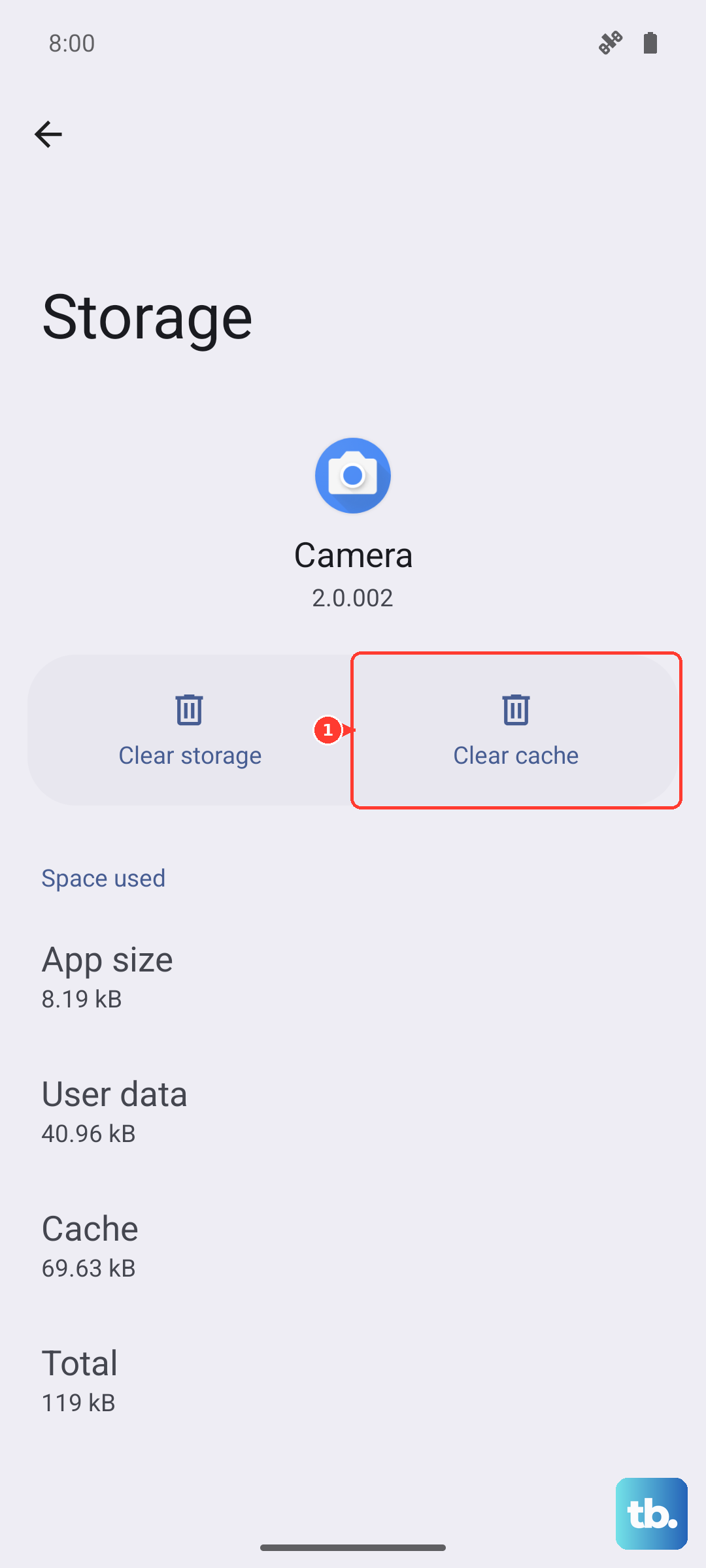
Background services that manage the SIM can get bogged down with bad data. Go to Settings > Apps. Tap the three-dot menu in the top right and select Show system apps. Scroll down and find SIM Toolkit or SIM applications. Tap on it, then go to Storage and hit Clear cache. This takes about five seconds and is harmless.
Check and Reset APN Settings
Incorrect Access Point Name (APN) settings will stop data from flowing, even if the SIM is detected. Go to Settings > Connections > Mobile networks > Access Point Names. Tap the three-dot menu and select Reset to default. If your carrier requires specific settings, you may need to enter them manually or contact support for the correct details.
Try Manual Network Selection
If automatic registration is failing, you can tell the tablet which network to use. Head to Settings > Connections > Mobile networks > Network operators. Tap Search now and wait for the list to populate, then manually select your carrier's network from the results.
Consider an eSIM
The Galaxy Tab S10+ supports eSIM technology. If your physical SIM slot seems problematic or the card is old, switching to a digital eSIM can be a permanent solution. Contact your mobile carrier to check if they support eSIM activation for tablets and ask about transferring your line. It completely bypasses the physical tray and reader.